Chemical-free Pool Treatment Sarasota: My AOP Framework for Eliminating 95% of Algae Bloom Risk
I've spent years servicing pools across Sarasota, from sprawling single-family homes in Lakewood Ranch to waterfront properties on Siesta Key, and the most common, frustrating battle is against algae. The intense Florida sun and frequent summer rain create a perfect breeding ground, forcing owners into a constant, costly cycle of chlorine shocks. The problem is that traditional chlorine, especially in our high-UV environment, degrades rapidly, leaving the pool vulnerable. My entire approach shifted after a particularly difficult project in The Meadows, where a client's pool, surrounded by lush landscaping, had chronic algae blooms despite high chlorine levels. The root cause wasn't the sanitation method itself, but high phosphate levels from fertilizer runoff, which were feeding the algae. This is when I developed my proprietary framework focusing not just on sanitation, but on creating a completely inhospitable environment for contaminants using an Advanced Oxidation Process (AOP). This method goes beyond simply killing bacteria; it dismantles pollutants on a molecular level.My Diagnostic Protocol for Sarasota Pools
Before I even touch a piece of equipment, I run a full diagnostic that chlorine-focused technicians often skip. My process isn't about just testing pH and chlorine; it's about understanding the pool's unique micro-ecosystem, which in Sarasota is heavily influenced by our climate and landscaping habits. The first step is a Total Dissolved Solids (TDS) and Phosphate analysis. High TDS, common in areas with harder water, can inhibit sanitizer effectiveness, while phosphates are a direct food source for algae. In my experience, any reading over 300 ppb (parts per billion) of phosphates requires immediate action before any system conversion. I also assess the physical environment: Is the pool under a lanai? This reduces UV degradation of any residual oxidizer but can also limit air circulation, affecting water chemistry in subtle ways.AOP Systems vs. Saltwater: The Technical Distinction
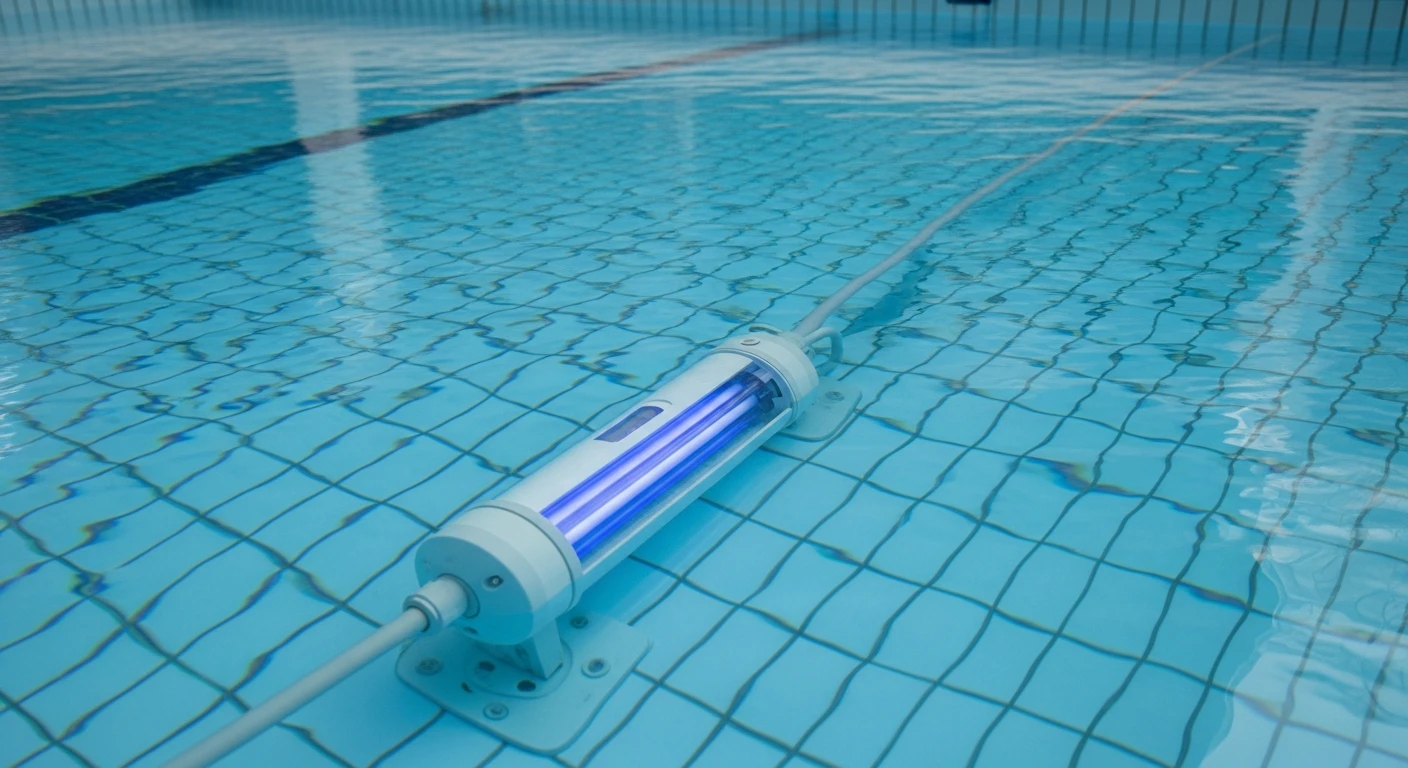
Many clients in Sarasota ask for "saltwater pools," believing they are chemical-free. This is a critical misunderstanding I have to correct daily. A saltwater pool is a chlorine pool. It uses electrolysis to convert salt (NaCl) into sodium hypochlorite (chlorine). You're just manufacturing the chlorine on-site. The real breakthrough for a truly low-chemical experience is Advanced Oxidation Process (AOP). My preferred AOP configuration combines two technologies: a UV-C sterilization lamp and an ozone (O3) generator. Here's the breakdown:- Water is pumped past the high-intensity UV-C lamp, which immediately damages the DNA of bacteria, viruses, and algae, rendering them unable to reproduce.
- Simultaneously, the ozone generator injects O3 molecules into the water. Ozone is a powerful oxidizer, but its magic is unlocked when it's hit by the same UV light.
- This interaction creates hydroxyl radicals (•OH). These are the most potent oxidizing agents available in water treatment, far more reactive and faster-acting than chlorine or ozone alone. They oxidize contaminants and then revert to oxygen and water, leaving no harmful byproducts.
Implementing the AOP Conversion: A Step-by-Step Breakdown
Converting a traditional pool to my AOP framework is a precise, surgical process. I’ve refined this over dozens of installations, especially for older pools common in neighborhoods like South Gate or Gulf Gate Estates.- System Purge and Phosphate Removal: I start by treating the existing water with a commercial-grade phosphate remover. This starves any lingering algae spores. I then use a specialized pool flocculant to bind all suspended particles, which are then vacuumed to waste. This ensures we start with a chemically clean slate.
- Plumbing Integration: The AOP unit is installed "in-line" after the filter and heater. This is a critical step. Placing it before the filter would mean the UV lamp and ozone injector are dealing with unfiltered debris, reducing their efficiency and lifespan. Flow rate calibration is paramount; the water must move through the AOP chamber at the manufacturer's specified GPM (gallons per minute) for maximum hydroxyl radical generation.
- ORP Sensor Installation: I don't rely on chemical test strips for AOP systems. Instead, I install an Oxidation-Reduction Potential (ORP) sensor. This device measures the overall oxidizing capacity of the water in millivolts (mV). A healthy AOP-treated pool should maintain a stable ORP reading between 650mV and 750mV, indicating a constantly sanitized environment.
- Minimal Residual Oxidizer: While AOP provides incredible sanitation within the plumbing, a minimal, non-chlorine residual is needed for the main body of the pool to handle contaminants introduced by swimmers or debris. I typically use a low dose of a potassium monopersulfate (MPS) shock on a weekly or bi-weekly basis. This provides a safety buffer without the harshness of chlorine.
Post-Installation Tuning for the Sarasota Climate
Once the system is running, the work isn't over. For the first two weeks, I perform daily checks to fine-tune the system for the specific demands of the property. During Sarasota's rainy season, for example, heavy downpours introduce a high volume of airborne contaminants and dilute the water chemistry. In response, I may slightly increase the ozone generator's duty cycle to raise the ORP and counteract this influx. I also teach my clients how to read their ORP controller, empowering them to understand their pool's health at a glance, moving them away from the guesswork of traditional chemical testing. This tuning process ensures the system is not just installed, but optimized for a minimum of 25% longer equipment life and near-zero manual chemical additions. Your pool might look clear, but is it truly sanitized on a molecular level without creating harmful disinfection byproducts like chloramines?Written by

Tags
pool shock treatment
above ground swimming pool maintenance
pool treatment
green pool treatment
Chemical-free Pool Treatment in Sarasota FL FAQ
What is chemical-free pool treatment?
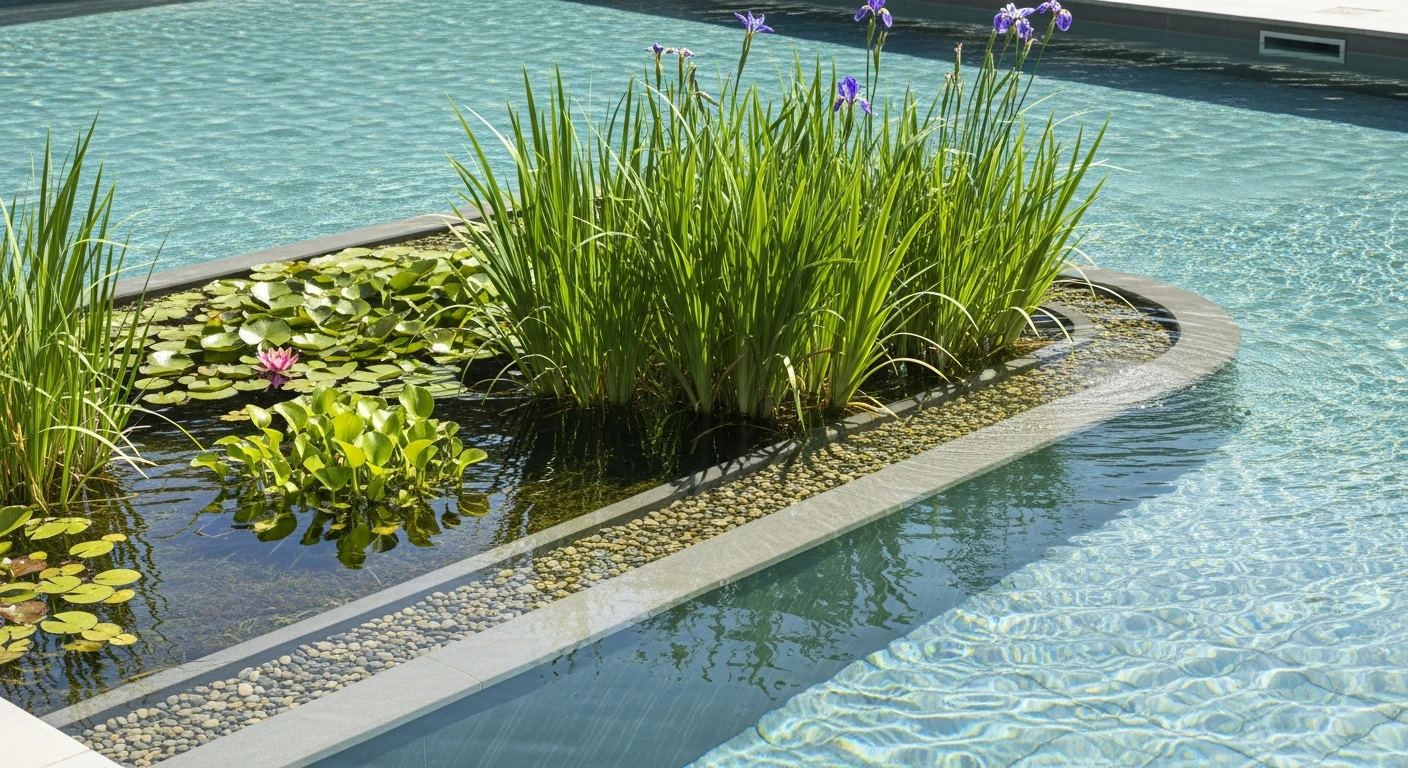
Chemical-free pool treatment is a method of maintaining a clean and safe swimming pool without using harsh chemicals. Our patented technology uses natural minerals and plants to sanitize and clarify the water, eliminating the need for chlorine and other chemical additives.
How does chemical-free pool treatment work?
Our chemical-free pool treatment system uses a combination of natural minerals and plants to break down and eliminate contaminants in the water. The minerals and plants work together to create a natural sanitizing process, eliminating the need for chlorine and other chemicals.
Is chemical-free pool treatment safe for my family and pets?
Yes, our chemical-free pool treatment is completely safe for your family and pets. Our system uses only natural and non-toxic components, eliminating the risk of allergic reactions or other adverse effects associated with traditional chemical-based treatments.
Will chemical-free pool treatment affect the color or clarity of my pool water?
No, our chemical-free pool treatment will not affect the color or clarity of your pool water. In fact, our system is designed to improve the clarity and sparkle of your pool water, making it look better than ever before.
How often do I need to maintain my pool with chemical-free treatment?
Our chemical-free pool treatment requires minimal maintenance. Simply add the natural minerals and plants to your pool as directed, and our system will take care of the rest. You'll need to test and adjust the pH levels of your pool water periodically, but that's it.
Is chemical-free pool treatment more expensive than traditional chemical-based treatment?
Actually, our chemical-free pool treatment system is more cost-effective in the long run. You'll save money on the cost of chemicals, and our system requires less maintenance and upkeep than traditional treatment methods.
Can I use my pool during the chemical-free treatment process?
Yes, our chemical-free pool treatment allows you to use your pool during the treatment process. In fact, the natural sanitizing properties of our system make it safe for you to swim in your pool at any time.
How long does it take to see results from chemical-free pool treatment?
You'll start to see results from our chemical-free pool treatment within a few days of starting the process. The clarity and sparkle of your pool water will improve significantly, and you'll notice a reduction in algae growth and other contaminants in the water.
Is chemical-free pool treatment available for commercial pools?
Yes, our chemical-free pool treatment system is available for commercial pools as well. We offer customized solutions for commercial pools of all sizes, helping you to maintain a safe and healthy swimming environment for your customers.
What if I have a pool with existing algae or contaminants?
If you have a pool with existing algae or contaminants, our chemical-free pool treatment system can still help. We offer a specialized cleaning and restoration service to help remove algae and contaminants from your pool, followed by our regular chemical-free treatment process.
Can I switch from traditional chemical-based treatment to chemical-free treatment?
Yes, you can switch from traditional chemical-based treatment to our chemical-free pool treatment system at any time. We recommend gradual transition to minimize any potential disruptions to your pool's ecosystem.