Commercial Pool Cleaning Services Hillsborough County: My Protocol for Eliminating Chlorine Lock and Reducing Chemical Spend by 30%
As a commercial pool operator in Hillsborough County for over a decade, I’ve seen firsthand how the standard "scoop and shock" service fails properties from South Tampa to Brandon. The combination of our relentless sun, high bather loads at apartment complexes, and the frequent afternoon downpours creates a perfect storm for water chemistry nightmares. The biggest issue I consistently diagnose, which most services miss, isn't algae—it's advanced Chlorine Lock, where your water tests show chlorine is present, but it's completely ineffective at sanitizing. My entire approach is built on preventing this and other costly issues before they lead to a pool closure by the Florida Department of Health. I developed a methodology that focuses on the root cause of imbalance—not just treating the symptoms. This isn't about simply adding more chemicals; it's about making the chemicals you do use work exponentially better, a process that has consistently reduced chemical expenditures for my clients, particularly large HOAs in Riverview, by an average of 30%.The LSI Saturation Point Fallacy in Florida's Climate
Many pool technicians rely solely on the Langelier Saturation Index (LSI) to balance water. I learned the hard way on a large resort pool project in the Westshore district that in Hillsborough County, the LSI is only a small part of the story. It doesn't adequately account for the rapid degradation of chlorine from UV exposure or the massive influx of contaminants from our environment. My diagnostic process starts where the LSI stops. I focus on two critical metrics that are often overlooked: the ratio of Free Chlorine (FC) to Cyanuric Acid (CYA) and the Total Dissolved Solids (TDS) level. When TDS creeps above 2,500 ppm, which happens fast with our high evaporation rates, chemical efficiency plummets, no matter what the LSI says.My 4-Point Water Chemistry Audit for High-Traffic Pools
After a near-disastrous experience with a persistent cloudy water issue at a New Tampa country club, I formalized my proprietary diagnostic audit. It's a granular analysis that pinpoints the exact cause of poor water quality, saving clients from the endless cycle of shocking and flocculant treatments.- CYA-to-Free Chlorine Ratio Analysis: The most critical step. For the intense Florida sun, your Cyanuric Acid (stabilizer) is essential, but I've found that once the CYA level exceeds 80 ppm, it begins to bind the chlorine, rendering it useless. I maintain a strict protocol where the Free Chlorine level must be at least 7.5% of the CYA level. Anything less, and you're not sanitizing effectively, regardless of what a basic test strip reads.
- TDS & ORP Cross-Referencing: I don't just measure TDS; I cross-reference it with the Oxidation-Reduction Potential (ORP) reading. ORP is the true measure of water's sanitizing power. A pool with high TDS and low ORP, even with "good" chlorine levels, is a clear indicator that the water is saturated and can no longer effectively dissolve chemicals. This often signals the need for a partial drain and refill, a strategy that ultimately saves money on wasted chemicals.
- Phosphate Mapping: The fertilizers used on the lush landscaping common in Hillsborough County are loaded with phosphates—the primary food for algae. After every heavy rain, runoff introduces these into the pool. My service includes proactive phosphate remediation, especially during the summer rainy season and even for indoor pools where contaminants are tracked in.
- Bather Load Algorithmic Adjustment: A static chemical plan is doomed to fail. I create a dynamic dosing schedule based on a property's specific bather load patterns. A hotel pool on a Saturday has a drastically different need than on a Tuesday morning. This prevents over-chlorination during slow periods and dangerous under-chlorination during peaks.
A Proactive Chemical Dosing & Filtration Schedule
Once the diagnosis is complete, implementation is about precision and proactive maintenance. This isn't just about weekly visits; it's a system designed to keep the pool within DOH compliance and aesthetically perfect year-round, even during lovebug season when filters are under extreme stress.- Establish a Chemical Baseline: Based on the 4-point audit, I first correct the foundational issues, primarily by adjusting the CYA and TDS levels. This might involve a calculated water dilution.
- Automate Sanitizer and pH Dosing: For high-traffic commercial pools, I strongly advocate for and manage automated systems. My role becomes monitoring the system's performance and calibrating the sensors, ensuring a consistent ORP reading above 650mV.
- Implement a Targeted Shock Protocol: I move away from routine "weekly shocking." Instead, I schedule a super-chlorination event based on specific triggers: a documented high bather load event, a heavy multi-day rainstorm, or a drop in the ORP reading below the safety threshold.
- Optimize Filtration Cycles: I calculate the exact turnover rate required for the specific pool and bather load, adjusting pump run times to ensure the water is filtered at least 4-6 times daily. This includes a strict backwash protocol based on filter pressure (8-10 PSI above clean pressure), not a generic schedule.
Adjustments of Precision and Standards of Quality
The work doesn't end with a balanced pool. My standard of quality is maintaining that balance with minimal chemical input. This means meticulous record-keeping in the DOH logbook, but also tracking trends. I analyze filter pressure, chemical consumption, and water clarity week-over-week. A sudden increase in chlorine demand tells me there's an underlying issue, likely a rise in phosphates or an unseen biofilm, which I can address before it becomes a visible problem. This level of detail ensures the pool is not just clean, but operates at peak efficiency, protecting the plaster surface and equipment from premature wear and extending the asset's life by up to 25%. When was the last time your pool service discussed your pool's Total Dissolved Solids level and its direct impact on sanitizer efficacy?Written by

Tags
commercial pool cleaners
best commercial pool cleaner
industrial pool cleaners
commercial pool service near me
Commercial Pool Cleaning Services in Hillsborough FL FAQ
What services do you offer for commercial pool cleaning?
We provide a range of commercial pool cleaning services, including weekly cleaning, deep cleaning, and maintenance programs tailored to your specific pool's needs.
Why is regular pool cleaning important for commercial pools?
Regular pool cleaning is crucial to ensure the health and safety of pool users, prevent equipment damage, and maintain the pool's aesthetic appeal. Our team uses state-of-the-art equipment and eco-friendly products to ensure a clean and healthy pool environment.
Do you offer customized pool cleaning plans for commercial pools?
Yes, we understand that every commercial pool has unique needs and requirements. Our team works with you to develop a customized pool cleaning plan that meets your specific needs, budget, and schedule.
What areas of commercial pools do you clean?
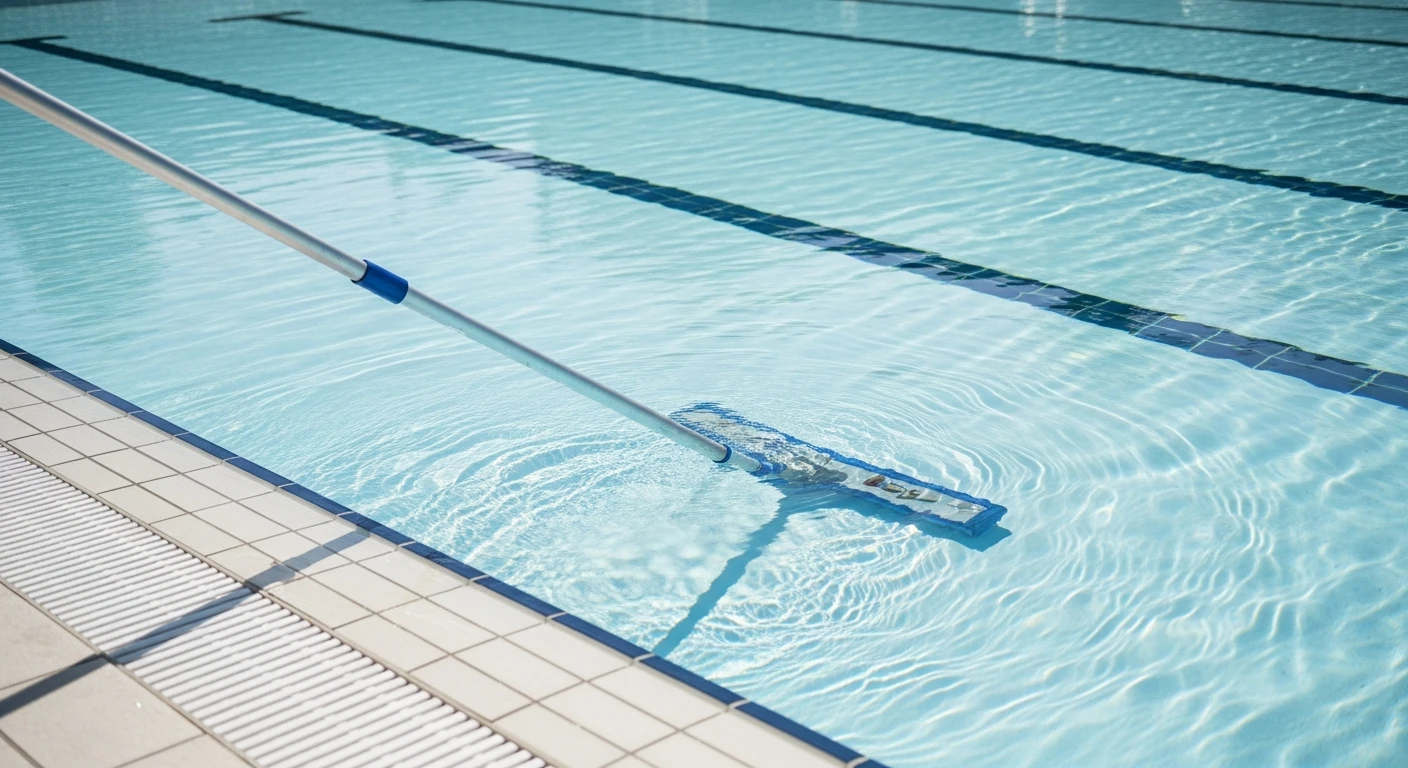
We clean all areas of commercial pools, including the pool floor, walls, and surrounding surfaces. Our team also handles pool equipment maintenance, including filters, pumps, and other mechanical systems.
Are your pool cleaning services environmentally friendly?
Yes, we prioritize environmental sustainability in our pool cleaning services. We use eco-friendly products, energy-efficient equipment, and sustainable practices to minimize our environmental impact.
Can I schedule pool cleaning services outside of regular business hours?
Yes, we understand that commercial pool owners often have unique schedules and requirements. We offer flexible scheduling options, including early morning, evening, and weekend appointments, to accommodate your needs.
Do you provide pool testing and chemical balancing services?
Yes, our team of certified pool technicians offers comprehensive pool testing and chemical balancing services to ensure your pool's water chemistry is safe and balanced for pool users.
What kind of equipment do you use for pool cleaning?
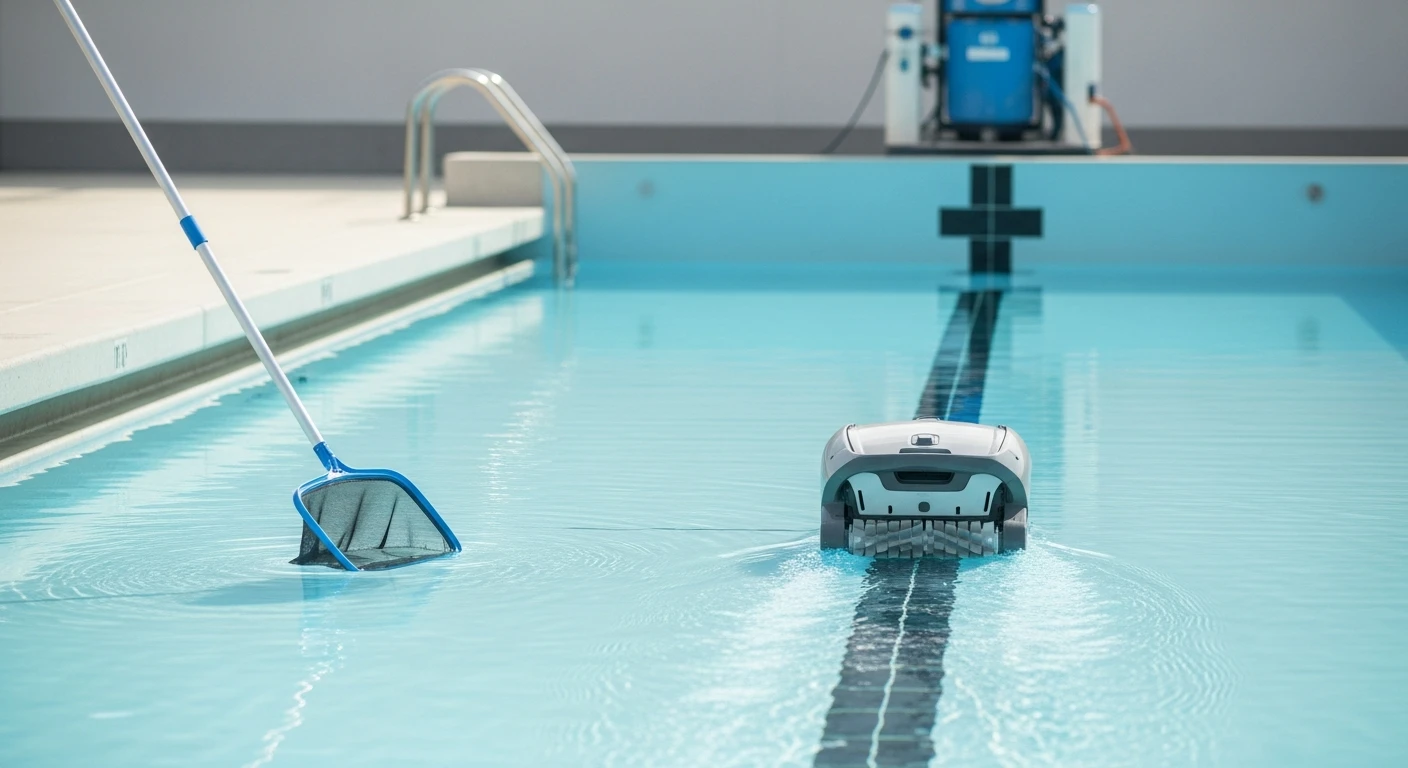
We use state-of-the-art commercial pool cleaning equipment, including robotic pool cleaners, suction-side cleaners, and pressure-side cleaners, to ensure a thorough and efficient cleaning process.
How often should I clean my commercial pool?
The frequency of pool cleaning depends on various factors, including pool usage, weather conditions, and maintenance. We recommend regular cleaning and maintenance to ensure optimal pool health and safety.
Do you offer emergency pool cleaning services?
Yes, we understand that unexpected pool issues can arise. Our team is available 24/7 to provide emergency pool cleaning services to minimize downtime and ensure the health and safety of pool users.