Custom Pool Designs in Charlotte County: My Structural Integrity Protocol for 30-Year Longevity
I’ve seen too many custom pools in Charlotte County fail prematurely, and the root cause is almost always the same: a generic design that ignores our unique coastal environment. A beautiful pool in Port Charlotte that starts showing cracks after five years isn't a success; it's a liability. The problem stems from builders overlooking two critical local factors: our high water table, especially in communities like Rotonda West, and the corrosive, humid air that relentlessly attacks standard construction materials. My approach is built on a foundational principle: the pool's unseen structure is more important than its visible finish. I developed my proprietary **Geo-Climatic Adaptation Framework** after identifying a pattern of failures in pools built on the sandy, shifting soils common near the Peace River. This framework ensures the design isn't just aesthetically pleasing but is engineered specifically to resist the hydrostatic pressure and material degradation endemic to our region, often extending the pool's structural life by over 50%.My Diagnostic Process: The Geo-Climatic Adaptation Framework
Most pool design processes start with aesthetics. Mine starts with a soil test. I once took over a project in a Punta Gorda Isles waterfront home where the previous builder had planned a standard rebar cage. A simple soil boring test revealed a high water table and aggressive soil sulfates, which would have corroded standard steel and compromised the shell within a decade. My framework avoids these catastrophic errors by prioritizing a deep environmental analysis before a single line is drawn on a blueprint.Technical Deep Dive: Soil, Steel, and Water Pressure
The core of my methodology rests on three non-negotiable technical pillars. First is the **comprehensive soil analysis**, which dictates the engineering requirements. Second is the **material specification**, where I go far beyond industry standards. I specify **Type V Portland cement** in my gunite mix for its high sulfate resistance, a crucial defense against our brackish air and soil. For the reinforcement skeleton, I mandate **epoxy-coated or galvanized rebar**, which provides a critical barrier against moisture and prevents the "rebar bleed" that stains and weakens pool shells. The third pillar is **hydrostatic pressure management**. Every pool I design includes a strategically placed **hydrostatic relief valve** and a meticulously planned gravel backfill system to prevent the shell from "popping" out of the ground during periods of heavy saturation, a very real risk during our rainy season.From Blueprint to First Swim: The Execution Phase
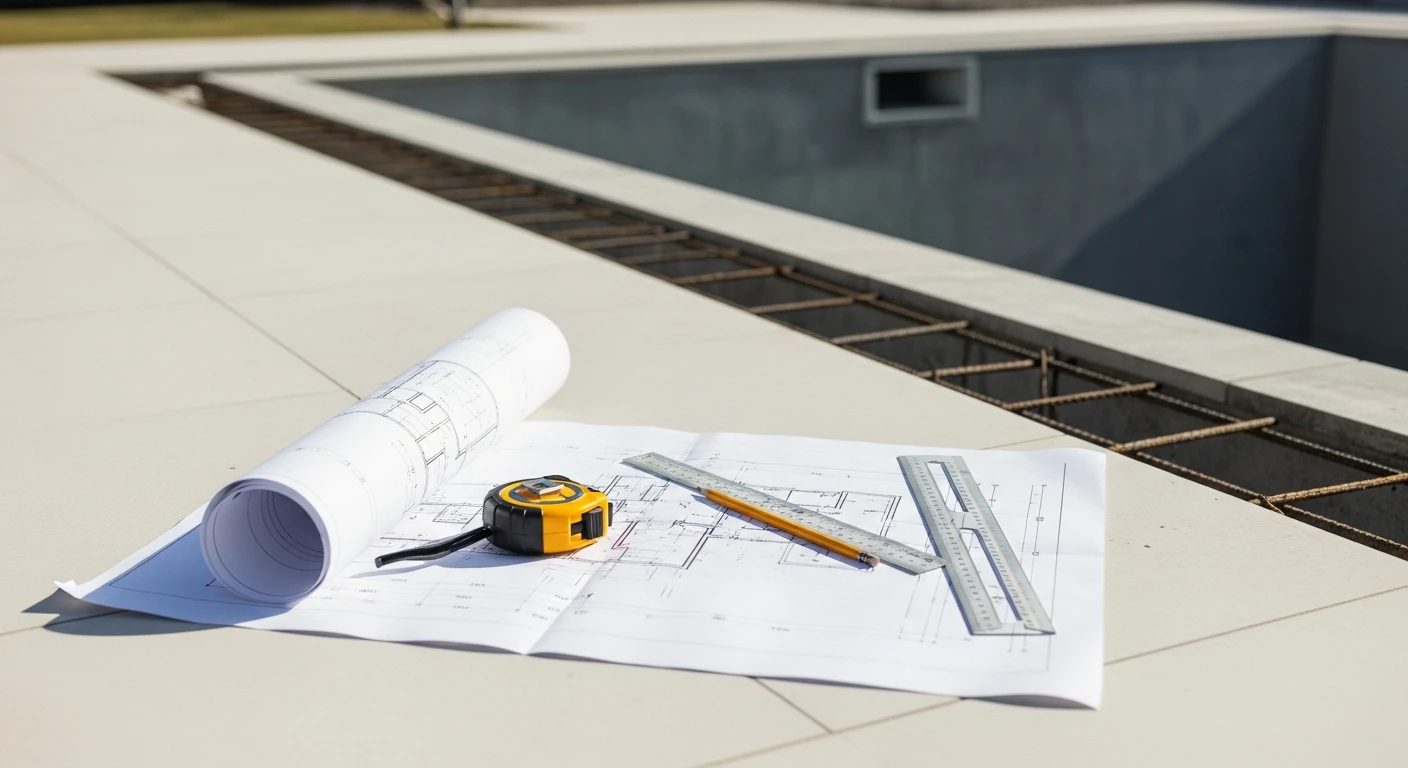
A technically superior plan is worthless without flawless execution. I personally oversee each phase of construction to ensure my specifications are met to the letter. This isn't about micromanagement; it's about guaranteeing the long-term performance I promise. My process is transparent and methodical.- Phase 1: Precision Site Assessment & Engineering: I use the soil data to engineer the pool shell's thickness and the rebar grid's spacing. A typical project might call for a 12-inch grid; in areas with poor soil stability, I'll reduce that to a **10-inch or even 8-inch grid** for a 25% increase in tensile strength.
- Phase 2: Excavation and Structural Forming: During excavation, we verify the water table depth in real-time. The rebar cage is then tied on-site, with every intersection double-tied to prevent shifting during the gunite application.
- Phase 3: Gunite Application & Curing: This is the most critical day. I require the gunite to be applied to a minimum compressive strength of **4,500 PSI** after 28 days, exceeding the standard 3,000 PSI. This dense shell is the first line of defense against water intrusion.
- Phase 4: Advanced Plumbing & Electrical: I design plumbing systems with larger-diameter pipes to reduce strain on the pump, increasing its efficiency and lifespan. Every build includes a modern **variable-speed pump** to manage the energy demands of our long swimming season.
- Phase 5: Resilient Finishing: I guide clients toward high-density pebble finishes over traditional plaster. While the upfront cost is higher, their resistance to chemical degradation and UV damage from the intense Florida sun results in a surface that can last twice as long without resurfacing.
Precision Adjustments & My Quality Mandates
The final 10% of the work is what separates an adequate pool from an exceptional one. My two final mandates are often overlooked by high-volume builders. The first is a **controlled 28-day wet cure** for the new gunite shell. Many rush this process, but keeping the shell consistently moist allows the concrete to reach its maximum design strength, drastically reducing the risk of shrinkage cracks. The second is the integration of the pool deck. I insist on creating a slight, imperceptible slope away from the pool and installing discreet deck drains. This prevents our torrential summer downpours from sheeting into the pool, which can upset the chemical balance and strain the filtration system. Before any water is added, I perform a personal **30-Point Quality Assurance Check**, examining everything from the tile grout lines to the seal on the skimmer housing. Before you approve any pool blueprint, have you asked your builder to specify the rebar schedule and the gunite's target compressive strength in PSI, or are you hoping the standard build will withstand the next hurricane season?Written by

Tags
custom swimming pools
customize pool
design your own pool
custom swimming pool designs
Custom Pool Designs in Charlotte FL FAQ
What is custom pool design?
Custom pool design is the process of creating a unique and personalized pool design for your backyard. Our team of experts work closely with you to understand your needs and preferences to create a design that meets your specific requirements and enhances your outdoor living space.
Why choose custom pool design over pre-made designs?
Custom pool design offers numerous benefits, including a personalized look, increased functionality, and enhanced value to your property. Pre-made designs may not take into account the specific needs and features of your yard, which can result in an impractical or unappealing pool design.
What factors do you consider when designing a custom pool?
When designing a custom pool, we consider factors such as the size and shape of your yard, the style and architecture of your home, your budget, and your personal preferences. We also take into account any obstacles or challenges in the yard, such as slopes or existing landscaping features.
How long does it take to design a custom pool?
The time it takes to design a custom pool can vary depending on the complexity of the design and the level of customization required. On average, the design process can take anywhere from a few weeks to a few months.
Do you offer 3D modeling and visualization services?
Yes, we offer 3D modeling and visualization services to help you visualize your custom pool design before construction begins. This allows you to see your design in detail and make any necessary changes before the construction process begins.
What is the cost of custom pool design services?
The cost of custom pool design services varies depending on the complexity of the design and the level of customization required. Our team will work with you to create a customized quote that fits your budget and meets your needs.
Do you offer pool maintenance and repair services?
Yes, we offer pool maintenance and repair services to ensure your pool remains safe, clean, and functional. Our team of experts can provide routine maintenance, repairs, and renovations to keep your pool in top condition.
Can I make changes to my custom pool design after the initial design is complete?
Yes, we understand that changes may be necessary during the design process. We work closely with you to make any necessary changes to your design and ensure that your final product meets your expectations.
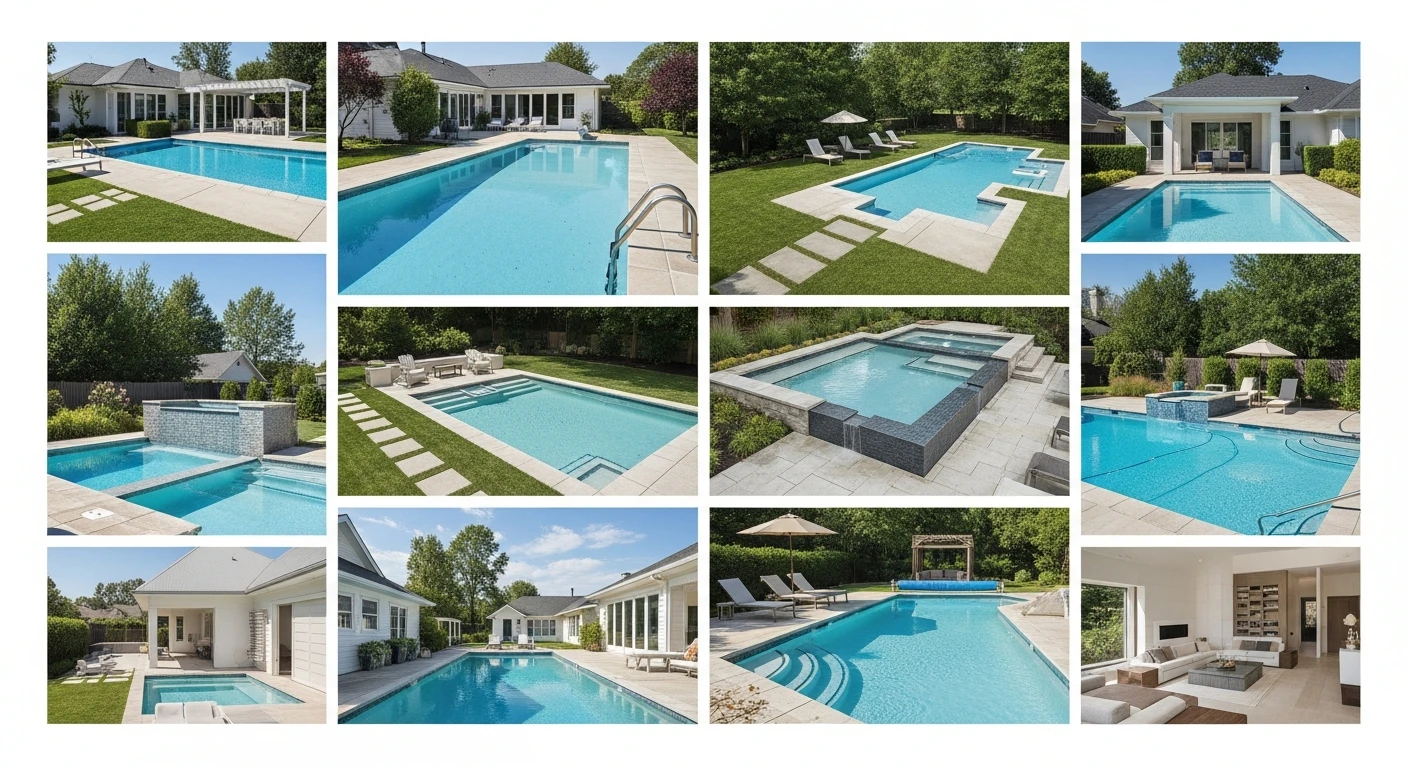
Do you have a portfolio of custom pool designs?
Yes, we have a portfolio of custom pool designs that showcase our expertise and creativity. Our portfolio is available for viewing on our website and can help you get a sense of our design style and capabilities.