Energy-Efficient Pool Equipment: My Framework for a 65% Reduction in Hillsborough County Energy Bills
As a pool systems specialist in Hillsborough County for over a decade, the single most costly mistake I see homeowners make is running an outdated, single-speed pump. I've walked into backyards from South Tampa to New Tampa and heard that familiar, grinding roar of a pump guzzling electricity, easily adding $80-$150 a month to a TECO bill. The issue isn't just the hardware; it's a fundamental misunderstanding of pool hydrodynamics, especially in our year-round swim climate. The solution isn't simply swapping out the motor. True energy efficiency comes from a complete system recalibration, a process I've refined that focuses on achieving the required water turnover at the lowest possible energy cost. My approach consistently lowers a pool's energy consumption by a minimum of 60-70%, directly impacting your monthly budget and reducing the strain on your equipment during our long, hot summers.The Single-Speed Pump Fallacy & My System Audit Protocol
The default thinking for years, particularly in established neighborhoods like Carrollwood or Brandon with pools built in the 80s and 90s, was "more power, less time." Run a high-horsepower pump for 8 hours and call it a day. This is a costly fallacy. The friction loss in your plumbing increases exponentially with water velocity. Doubling the speed of the water can quadruple the energy required. My first step on any project is never to look at the pump itself, but to perform what I call a Hydraulic Efficiency Audit on the entire system. I once worked on a beautiful property in Westchase where the owner had installed a brand-new, top-of-the-line variable-speed pump but was complaining his bill hadn't changed. The installer had simply set it to run at a high RPM for 8 hours, mimicking the old pump. He bought a Ferrari and was driving it in first gear. My audit immediately revealed that the plumbing runs were long and used 1.5-inch pipes, creating massive backpressure. We re-programmed the pump, and his next energy bill dropped by $95.Calibrating Flow Rate vs. Total Dynamic Head (TDH)
This is where the real technical work begins. Every pool system has a unique resistance value, which we measure as Total Dynamic Head (TDH). It’s the total equivalent pressure the pump must overcome, factoring in the pipe length, filter type, heater, and even the number of 90-degree elbows. The goal is to determine the minimum flow rate (measured in Gallons Per Minute, or GPM) needed to achieve at least one full water turnover per day for proper sanitation. A common error is installing an oversized pump that fights against high TDH, leading to inefficiency and premature wear. My methodology focuses on matching the pump's performance curve to the system's specific TDH. For a standard 15,000-gallon pool in FishHawk Ranch with a cartridge filter, the target might be a flow rate of 30 GPM to achieve turnover in about 8.3 hours. However, with a variable-speed pump, we can achieve the same turnover by running it at a much lower speed—and a fraction of the energy cost—for a longer period, like 16-18 hours. This slow, steady circulation also dramatically improves filtration and chemical distribution.The VSP Implementation Blueprint for Hillsborough Pools
Replacing a pump is an installation; optimizing it is a science. After diagnosing hundreds of systems across Hillsborough County, I’ve developed a precise implementation process that guarantees maximum ROI from a variable-speed pump (VSP) upgrade.- Calculate Exact Pool Volume: I don't use estimates. I precisely measure the pool to calculate its volume in gallons. This number is the foundation for every other calculation and is a critical non-negotiable first step.
- Map the Plumbing System: I physically trace the plumbing from the skimmer to the returns, noting pipe diameter (2-inch is ideal, 1.5-inch is common and creates more resistance), the type of filter (cartridge filters offer less resistance than sand), and any additional features like heaters or water features that add to the TDH.
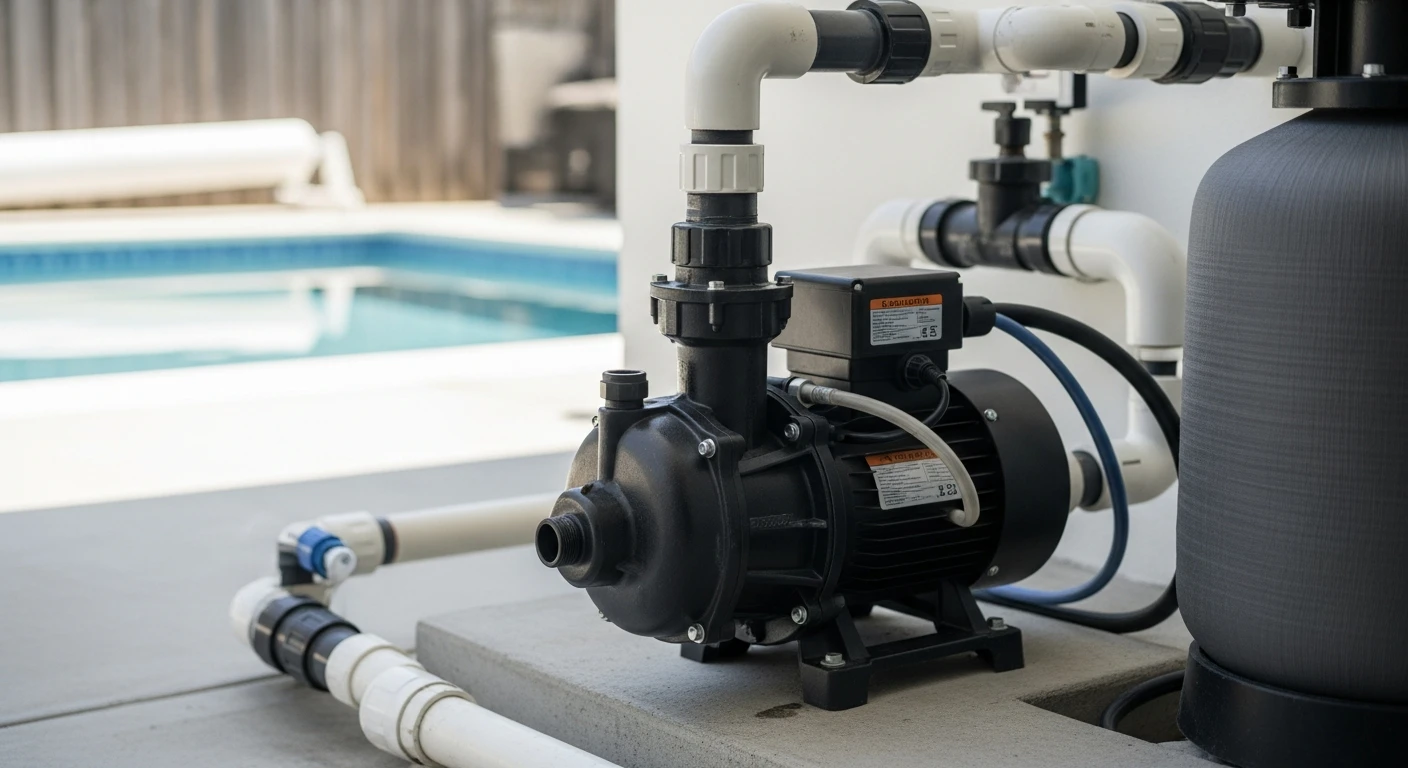
- Select the Right VSP: Based on the volume and TDH, I select a VSP that operates most efficiently for that specific system. A smaller 1.65 HP VSP is often more than enough for most residential pools and more efficient than an oversized 3.0 HP model.
- Program for Optimal Turnover: This is my proprietary step. I program multiple speeds. A typical schedule would be:
- Main Filtration Cycle: 16-20 hours at a very low RPM (e.g., 1200-1500 RPM) that achieves the target GPM for one turnover. This uses as little as 200 watts.
- Skimming/Cleaning Cycle: 2-3 hours at a medium speed (e.g., 2200 RPM) to create enough suction for skimmers and in-floor cleaning systems to work effectively.
- High-Speed Override: A manual high-speed setting (e.g., 3000 RPM) for vacuuming or activating water features.
Fine-Tuning for Peak Efficiency & Longevity
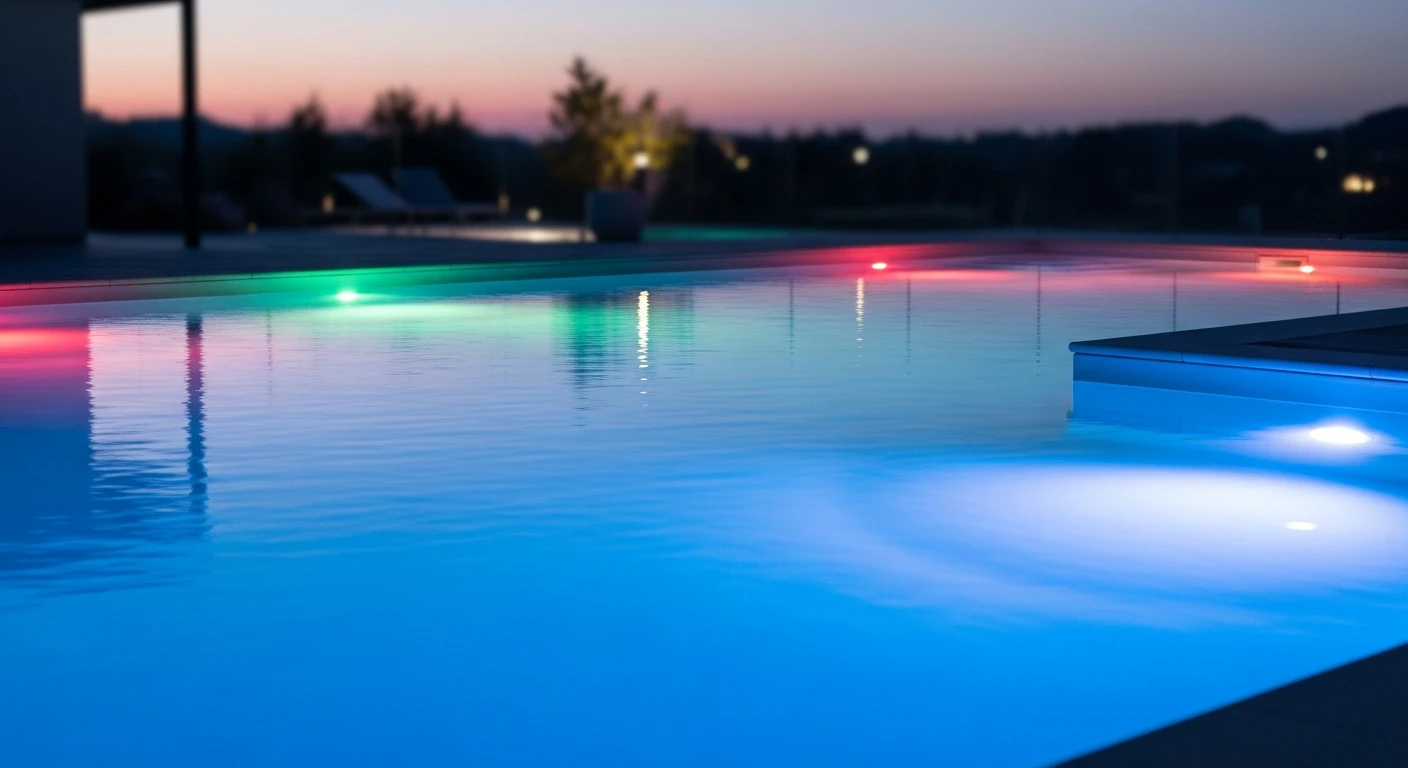
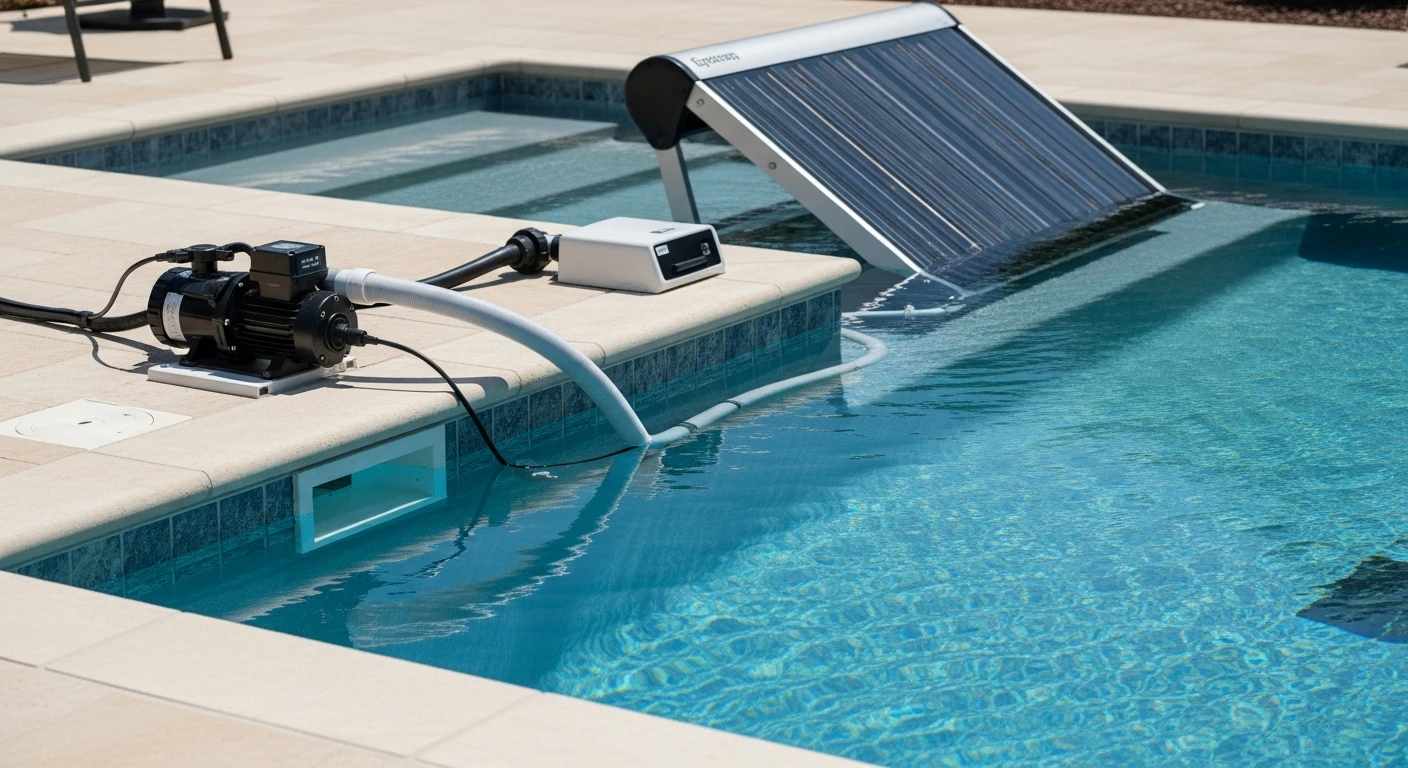
The installation isn't the end of the job. To maximize savings and equipment lifespan, a few precision adjustments are crucial. The single greatest partner to a VSP is an oversized cartridge filter. By increasing the filter's surface area, you dramatically reduce backpressure, which lowers the system's overall TDH. This allows the VSP to run at an even lower RPM to achieve the same flow rate, saving more energy and extending the time between filter cleanings—a huge benefit for any busy homeowner. Further gains can be found by upgrading to LED pool and spa lights, which use about 80% less energy than old incandescent bulbs. And for those looking to extend the swimming season without a massive heating bill, a solar cover is the most effective tool, preventing heat loss and water evaporation overnight. These aren't just add-ons; they are efficiency multipliers that complete the energy-saving ecosystem for your pool. Instead of asking how many hours a day you should run your pump, are you asking what the minimum flow rate is to achieve one full turnover while keeping your sanitizer effective?Written by

Tags
high efficiency pool pump
energy star pool pump
most efficient pool pump
energy efficient swimming pool pumps
Energy-efficient Pool Equipment in Hillsborough FL FAQ
What is energy-efficient pool equipment?
Energy-efficient pool equipment refers to devices and systems designed to reduce energy consumption and minimize the environmental impact of pool operation. These equipment are designed to minimize energy waste, reduce carbon footprint, and provide cost-effective solutions for pool owners.
Why is energy-efficient pool equipment important?
Energy-efficient pool equipment is important because it helps to reduce energy consumption, which can lead to significant cost savings and a reduction in carbon emissions. It also helps to extend the life of your pool equipment, reducing the need for frequent replacements and maintenance.
What are some examples of energy-efficient pool equipment?
Some examples of energy-efficient pool equipment include variable speed pumps, high-efficiency filters, LED pool lights, and solar-powered pool heaters. These equipment are designed to provide optimal performance while minimizing energy consumption.
How can I choose the right energy-efficient pool equipment for my pool?
To choose the right energy-efficient pool equipment for your pool, consider the following factors: pool size, pool usage, and local energy costs. Consult with a professional or conduct research to find the most suitable equipment for your specific needs and budget.
What are the benefits of upgrading to energy-efficient pool equipment?
The benefits of upgrading to energy-efficient pool equipment include reduced energy costs, extended equipment life, reduced carbon emissions, and improved pool performance. Additionally, energy-efficient pool equipment can increase your property value and appeal to environmentally conscious buyers.
How can I maintain my energy-efficient pool equipment?
To maintain your energy-efficient pool equipment, follow the manufacturer's instructions, perform regular cleaning and maintenance, and conduct routine inspections to identify any potential issues before they become major problems.
Can I still enjoy my pool during the winter months with energy-efficient pool equipment?
Yes, energy-efficient pool equipment allows you to enjoy your pool during the winter months while minimizing energy consumption. Many energy-efficient pool equipment options, such as solar-powered pool heaters, can operate during the winter months to keep your pool warm and enjoyable.
Are energy-efficient pool equipment options available for all pool types?
Yes, energy-efficient pool equipment options are available for various pool types, including in-ground, above-ground, and saltwater pools. Consult with a professional or conduct research to find the most suitable energy-efficient pool equipment for your specific pool type and needs.
Can I install energy-efficient pool equipment myself?
While some energy-efficient pool equipment options can be installed by a DIY enthusiast, it is recommended to hire a professional for installation and maintenance. Incorrect installation can lead to reduced performance, increased energy consumption, and potential equipment damage.