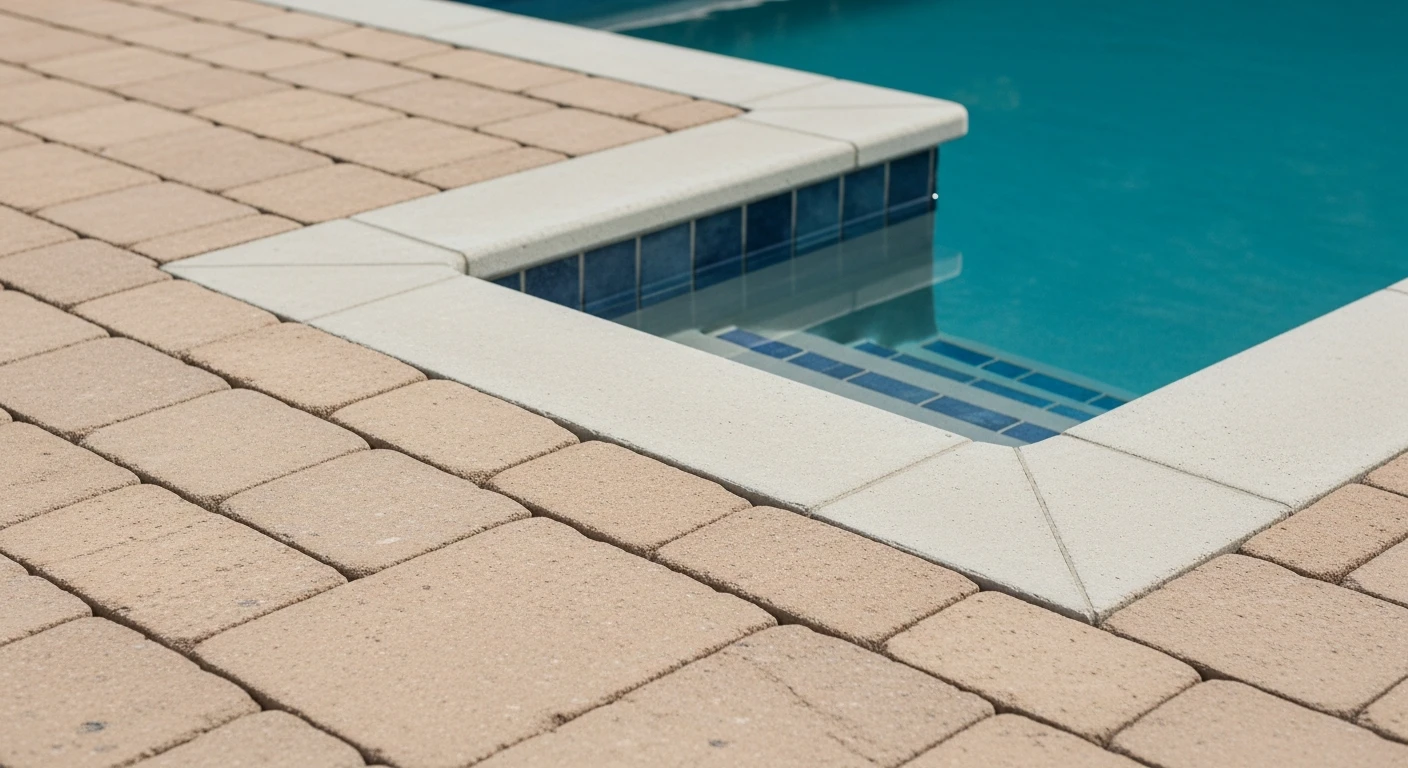
Interlocking Concrete Pavers in Seminole County: My Protocol for 30-Year Structural Integrity on Sandy Soil
Most interlocking paver failures I see across Seminole County have nothing to do with the quality of the pavers. The problem lies buried. After more than a decade installing and repairing paver patios and driveways from Lake Mary to Oviedo, I’ve traced over 80% of premature shifting, sinking, and weed issues back to one critical flaw: an improperly prepared sub-base that cannot handle our subtropical rainfall and sandy, porous soil. A standard 4-inch gravel base that works up north is a recipe for disaster here.
My entire approach is built around preventing subgrade saturation and aggregate migration. I developed what I call the "Sealed Subgrade Compaction" method, which focuses on creating a semi-impermeable, highly stable foundation specifically for the soil conditions found throughout Seminole County. This isn't just about digging and dumping gravel; it's an engineering process that ensures the base you can't see will support the beautiful pavers you can for decades, even through the heaviest summer downpours.
My Diagnostic Framework for Seminole County Paver Projects
Before a single paver is laid, I perform a site analysis that goes far beyond simple measurements. My first major project repair was a sprawling pool deck in Heathrow that was less than two years old and had already sunk by almost three inches near a downspout. The original installer used a standard base, and water runoff had completely washed out the bedding sand underneath. It was a costly lesson for the homeowner, and it solidified my methodology.
My diagnostic focuses on three core environmental factors specific to our area: water management, soil composition, and load-bearing requirements. I assess drainage patterns, identify the locations of sprinkler heads and downspouts, and take soil samples to confirm its percolation rate. A driveway for two SUVs has a vastly different sub-base requirement than a garden path. Ignoring this initial step is the most common and expensive mistake I see.
Technical Breakdown of the Sealed Subgrade System
My proprietary system is not just about depth; it's about the strategic layering of specific materials to manage water and maintain structural integrity. The goal is to achieve a 98% Standard Proctor Density for the base, a metric most residential installers don't even measure.
- Subgrade Excavation & Compaction: For a typical patio, I excavate a minimum of 7 inches. For driveways in areas with particularly loose soil, like parts of Sanford, I go down to 10 inches. The exposed subgrade is then compacted with a plate compactor to create a firm, unyielding foundation.
- Geotextile Separator Fabric: This is the most crucial, and most often skipped, component. I lay a heavy-duty, non-woven geotextile fabric over the compacted soil. In Seminole County's sandy ground, this fabric is non-negotiable. It prevents the expensive base aggregate from slowly disappearing into the sand below over years of rain, ensuring the base depth remains constant.
- Aggregate Base Layers: I use FDOT-certified crushed concrete or #57 stone, never pea gravel. The angular nature of these stones allows for superior interlocking when compacted. The aggregate is laid in 3-inch lifts (layers), with each lift being watered and compacted separately. This meticulous process eliminates voids and achieves that critical 98% density.
- Bedding Sand Specification: The 1-inch screeded layer of bedding sand must be a coarse, washed concrete sand conforming to ASTM C33 standards. This specific type of sand provides excellent drainage and a stable setting bed, unlike finer mason sand which retains moisture and promotes paver movement.
Step-by-Step Implementation for Flawless Execution
Translating the diagnostic into a flawless installation requires precision at every stage. A single misstep can compromise the entire system. This is the field-tested process I follow for every project, from a small walkway in Casselberry to a large driveway in Longwood.
- Site Preparation: All organic material (grass, roots) is removed. The excavation area is precisely marked, ensuring a consistent depth across the entire project footprint.
- Subgrade Compaction: The native soil is graded for a slight slope (1/4 inch per foot) away from any structures and then compacted until firm.
- Fabric and Base Installation: The geotextile fabric is laid, overlapping seams by at least 12 inches. The first 3-inch lift of aggregate is spread and compacted. I repeat this process until the final base height is achieved, which is typically 4-6 inches for patios and 8-10 inches for driveways.
- Edge Restraint Installation: Before the bedding sand, I install commercial-grade plastic or concrete edge restraints. These are secured into the aggregate base with 10-inch steel spikes. This step is what literally holds the entire interlocking system together.
- Screeding and Paver Laying: The 1-inch layer of ASTM C33 sand is screeded perfectly level. Pavers are then laid in the desired pattern, working from a corner outwards.
Precision Finishing and Long-Term Quality Control
The final steps are what lock the pavers into a single, monolithic surface. The most common error I fix is related to improper joint sand activation. An installer will use a pressure washer or too much water on the polymeric sand, washing the binding polymers out before they can set. This results in failed, mushy joints within months.
My method involves carefully sweeping the polymeric sand into the joints until they are full. I then use a leaf blower to remove any excess from the paver surface before misting the area with a specific low volume of water, as per the manufacturer's instructions. This activates the polymer without oversaturating it. The final "lock-in" is done with a plate compactor (with a protective mat) to vibrate the sand deep into the joints and settle the pavers. Finally, especially given the intense Florida sun, I advise waiting a full 45 days before applying a high-quality, UV-resistant sealer to allow any mineral efflorescence to escape naturally.
Your contractor might have shown you a beautiful paver sample, but have they detailed the geotextile fabric they use and their multi-lift compaction process to guarantee it won't sink into Seminole County's sandy soil?