Outdoor Kitchen Island Pinellas County: My Framework for 30-Year Durability Against Salt Air
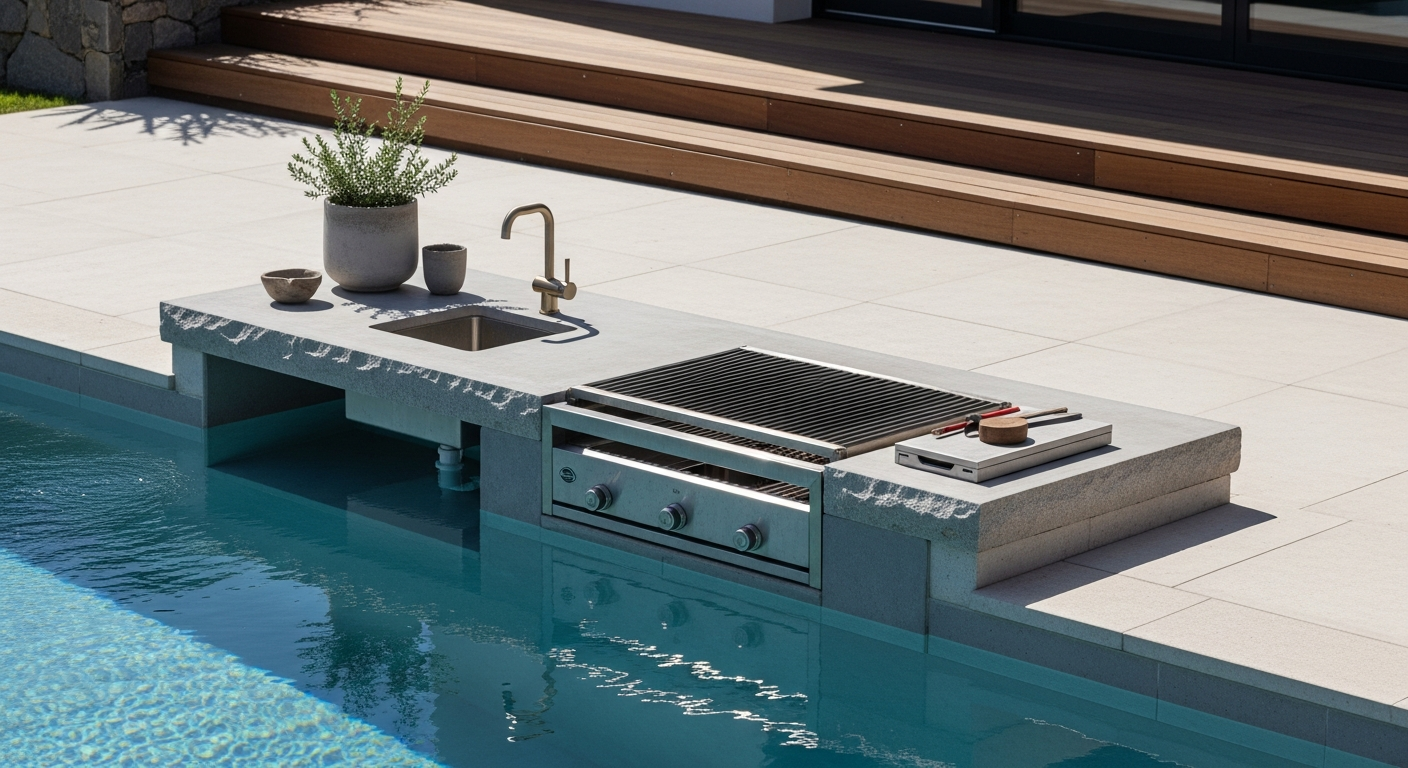
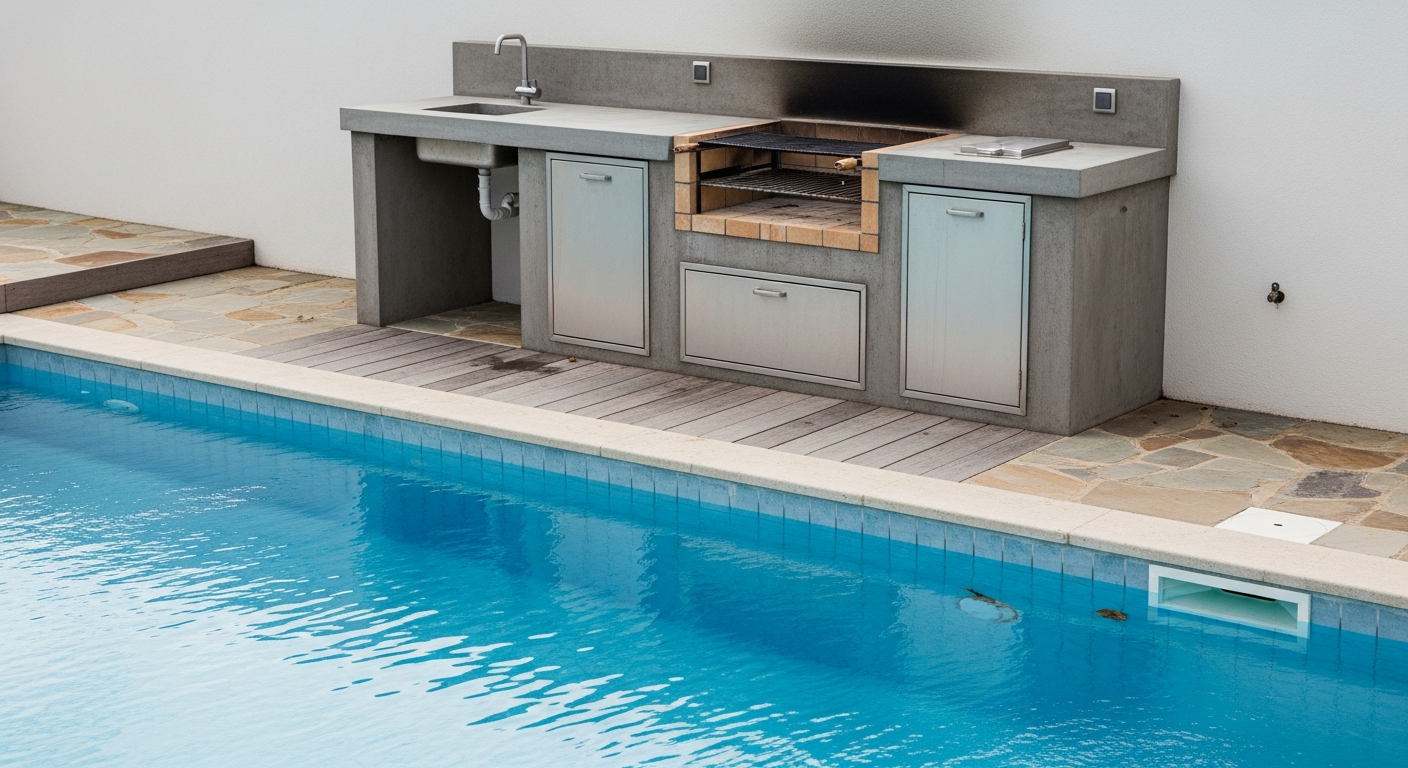
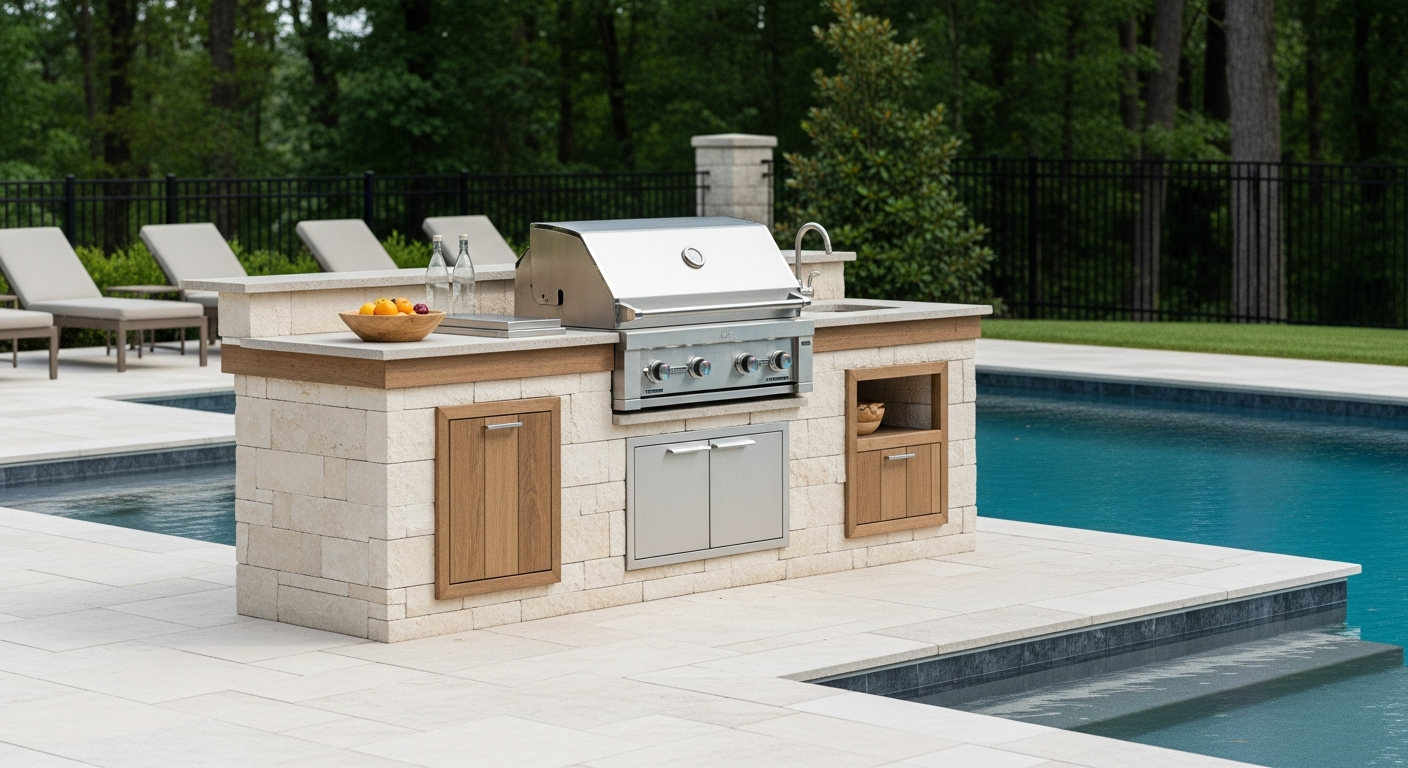
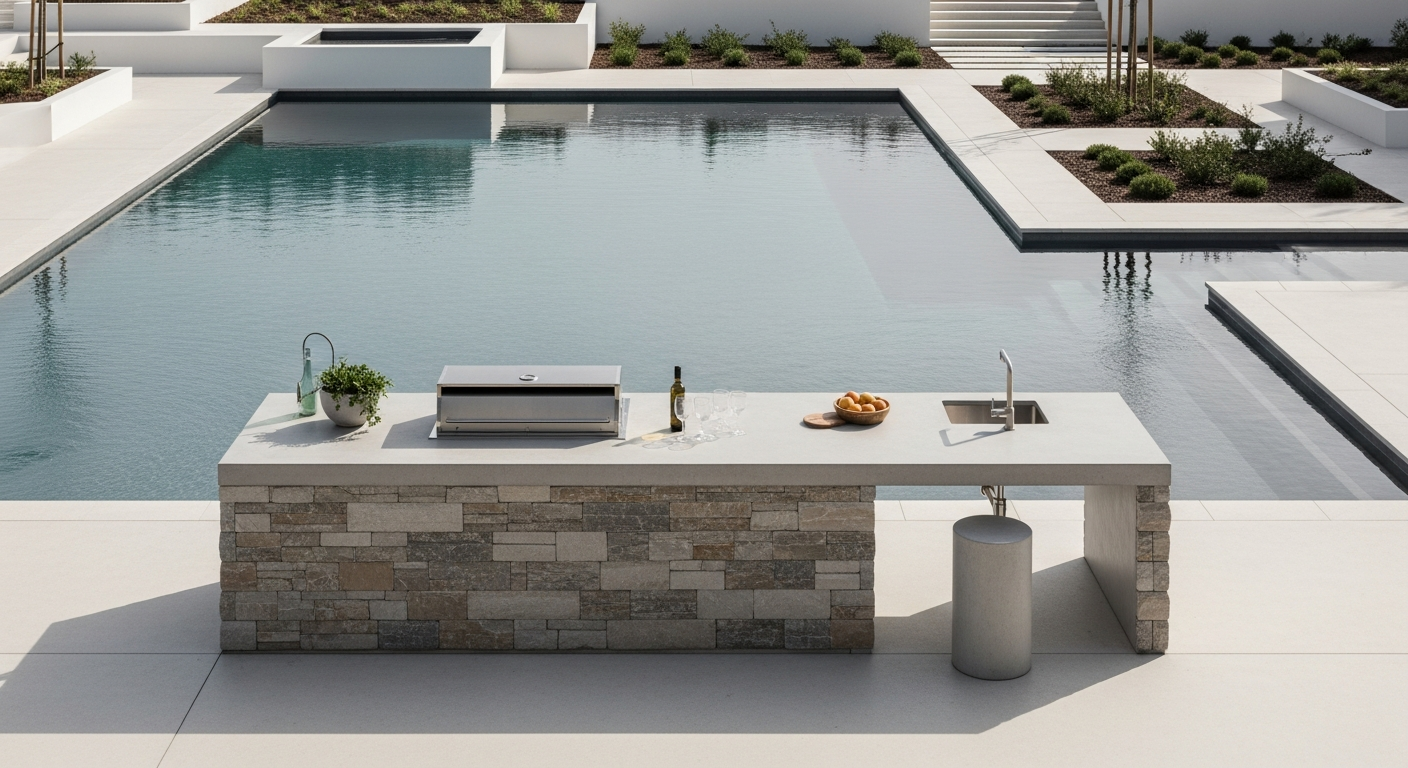
I’ve been called in to inspect dozens of failing outdoor kitchens across Pinellas County, from the waterfront homes in St. Pete Beach to the historic bungalows of Dunedin. The pattern is almost always the same: a beautiful island, less than five years old, is literally disintegrating. The culprit isn’t poor craftsmanship, but a fundamental misunderstanding of our coastal environment. Standard construction methods simply cannot withstand the trifecta of Pinellas County’s high humidity, intense UV exposure, and corrosive salt spray from the Gulf. My approach is built on a single principle: treating every outdoor kitchen island like a marine vessel. This means abandoning common residential building materials and adopting fabrication techniques that prioritize longevity over initial cost savings. The result is an asset that performs without issue for decades, not just a few seasons, directly preventing the delamination, rust, and structural rot I see weekly in properties along the Intracoastal.The Coastal Degradation Diagnosis: Why 90% of Islands Fail
Before I even sketch a design, I perform what I call a **Coastal Degradation Analysis**. This isn't just about measuring space; it's about quantifying the specific environmental stressors of the property. A home in Clearwater Beach faces a much higher salt spray concentration than one in Seminole, and this dictates every material choice. The most common error I encounter is a reliance on wood framing, even pressure-treated pine. In our humid climate, it’s a ticking time bomb for mold and termite infestation, and I’ve seen it compromise a six-figure project in under 36 months. My methodology directly counters these failure points.Material Specification: The Non-Negotiable Core Components
To achieve a multi-decade lifespan, I’ve established a strict material hierarchy. This isn't a list of suggestions; it's a set of requirements I’ve refined after years of seeing what works and what crumbles.- Structural Frame: The absolute biggest mistake is using wood or steel studs. I exclusively use a welded 6061-T6 aluminum frame. It’s lightweight, completely impervious to rust and rot, and provides immense structural rigidity. Fasteners must be 316 stainless steel to prevent galvanic corrosion where they meet the aluminum.
- Cabinetry & Cladding Substrate: The "green board" or standard cement board used indoors will absorb moisture and fail. I mandate the use of a closed-cell PVC or composite backer board. For cabinetry, marine-grade polymers like HDPE (High-Density Polyethylene) are my go-to, as they require zero maintenance and will never warp or delaminate in the Florida heat.
- Countertops: Porous stones like marble or certain light-colored granites are a recipe for mold and staining. My recommendation is almost always a high-density, non-porous material like Dekton or a heavily sealed, dark quartzite. These materials resist UV fading and are dense enough to prevent moisture intrusion.
My Implementation Protocol: From Slab to Service
Building an outdoor island that lasts is a process of disciplined execution. I follow a strict, phase-based protocol to ensure every element is optimized for our specific Pinellas County climate challenges. Cutting corners at any of these stages will compromise the entire structure.- Foundation & Drainage: I begin with a properly cured, 4-inch monolithic concrete slab with integrated drainage. Water must be directed away from the island's base, not allowed to pool. This is a non-negotiable first step, especially with our heavy summer rains.
- Frame Fabrication & Utility Rough-In: The aluminum frame is fabricated off-site using TIG welding for the strongest, cleanest joints. On-site, all electrical and gas lines are run by licensed professionals, ensuring all outlets are GFCI protected and all gas lines are properly sheathed and pressure-tested.
- Substrate & Cladding Application: All backer boards are attached to the frame using a specialized marine-grade flexible adhesive and stainless steel fasteners. This allows for thermal expansion and contraction without cracking the final cladding, a frequent issue I'm called to fix.
- Appliance & Countertop Installation: Appliances must be 316 marine-grade stainless steel, not the more common 304 grade, to resist pitting from salt air. The countertop is set using a high-strength, outdoor-rated epoxy mortar, not standard thin-set.
Precision Tuning for Peak Performance and Longevity
The final phase is about details that extend the island's functional life by at least 25%. I developed a quality assurance checklist after I had to completely rebuild a project in Tierra Verde where the previous builder overlooked a critical element. Proper grill ventilation is paramount; I mandate insulated jackets and specific vent placement to prevent heat buildup from damaging the structure or becoming a fire hazard. All grout lines for stone or tile cladding must use a stain-proof epoxy grout, which is impervious to moisture and mold growth, unlike traditional cement-based grouts that turn black with mildew in our humidity. Finally, I deliver a "Salt-Rinse" maintenance schedule to the client—a simple quarterly freshwater rinse protocol that dramatically reduces corrosive buildup on all surfaces. So, when you analyze the long-term performance of an outdoor kitchen island, have you calculated the total cost of ownership when a wood-framed structure inevitably needs replacement in five to seven years versus the one-time investment in a marine-grade aluminum frame?Written by

Tags
outdoor kitchen island with seating
prefab barbeque islands
prefab outdoor grill island
outdoor kitchen islands prefabricated
outdoor kitchen concepts