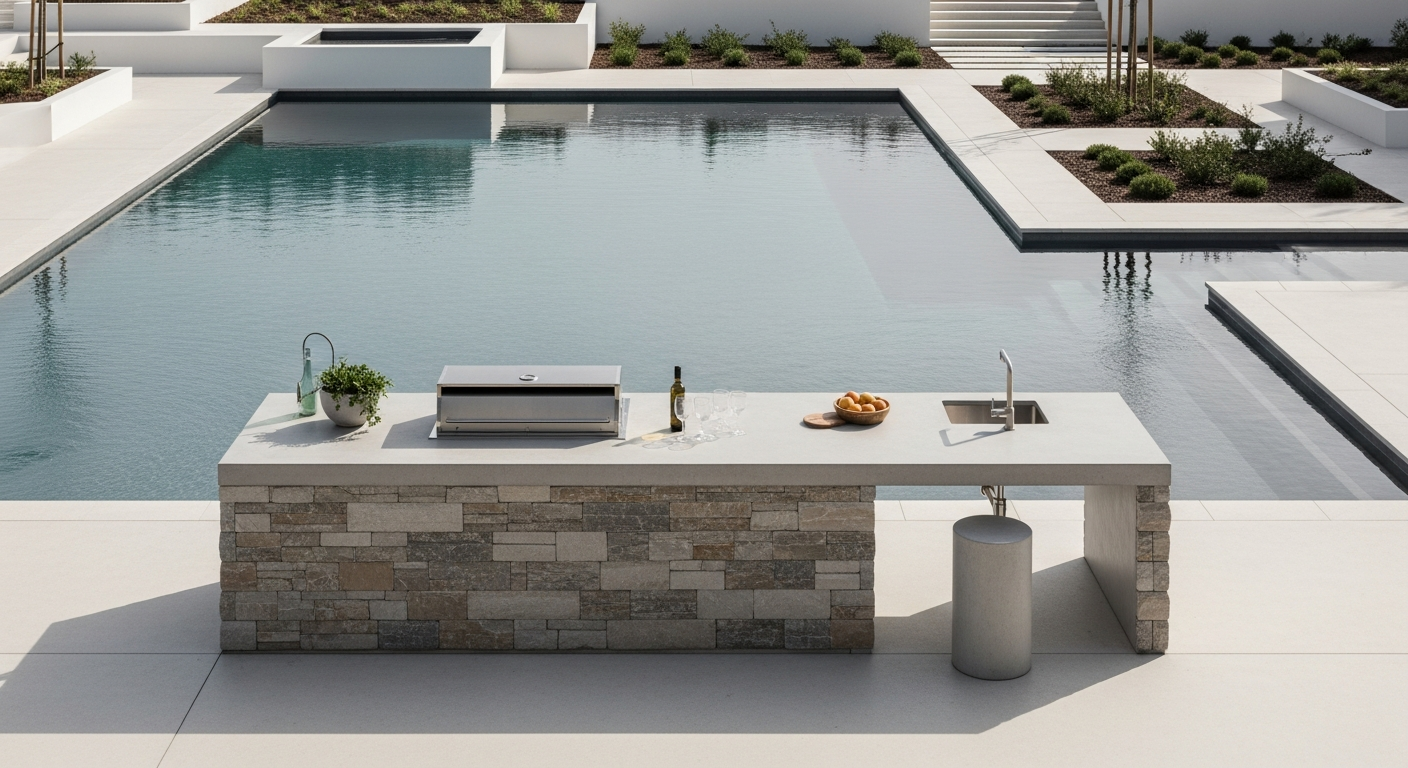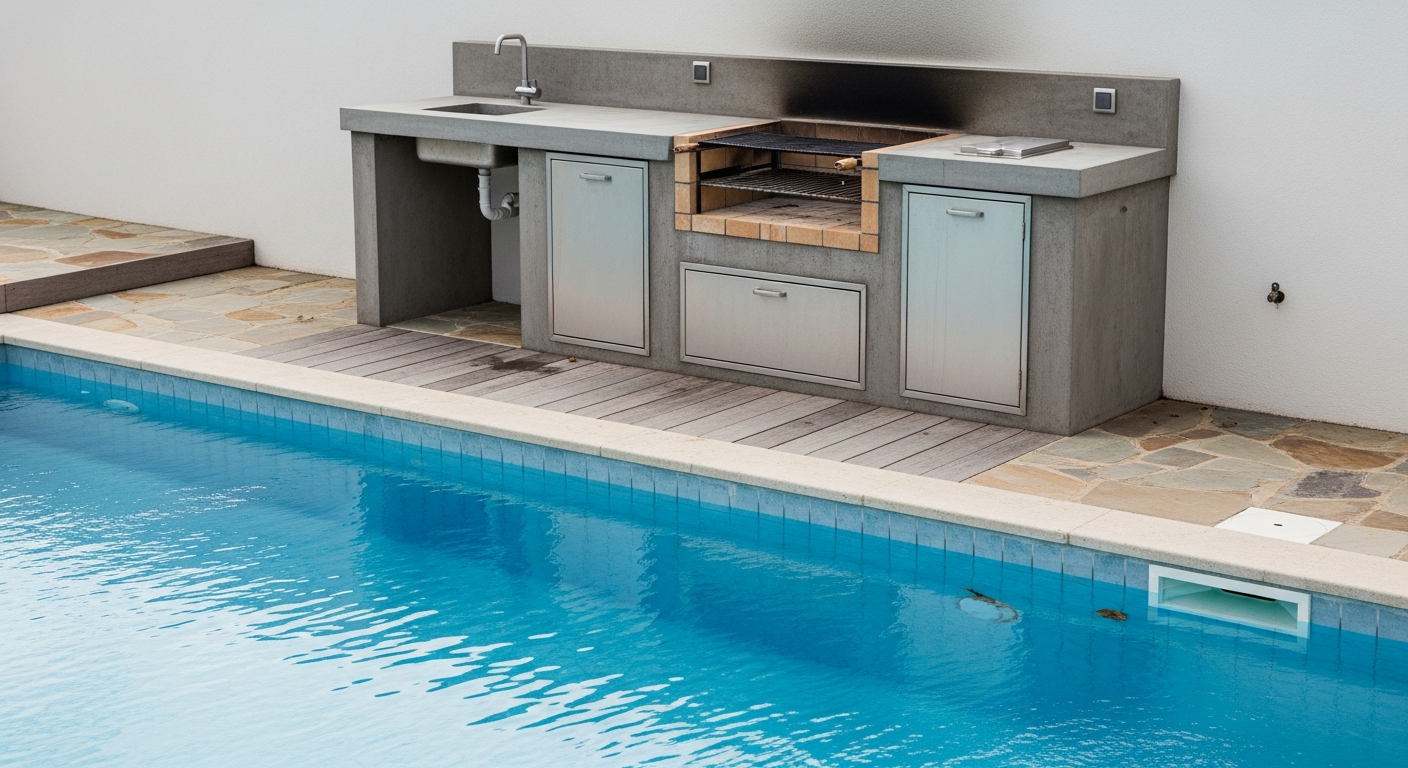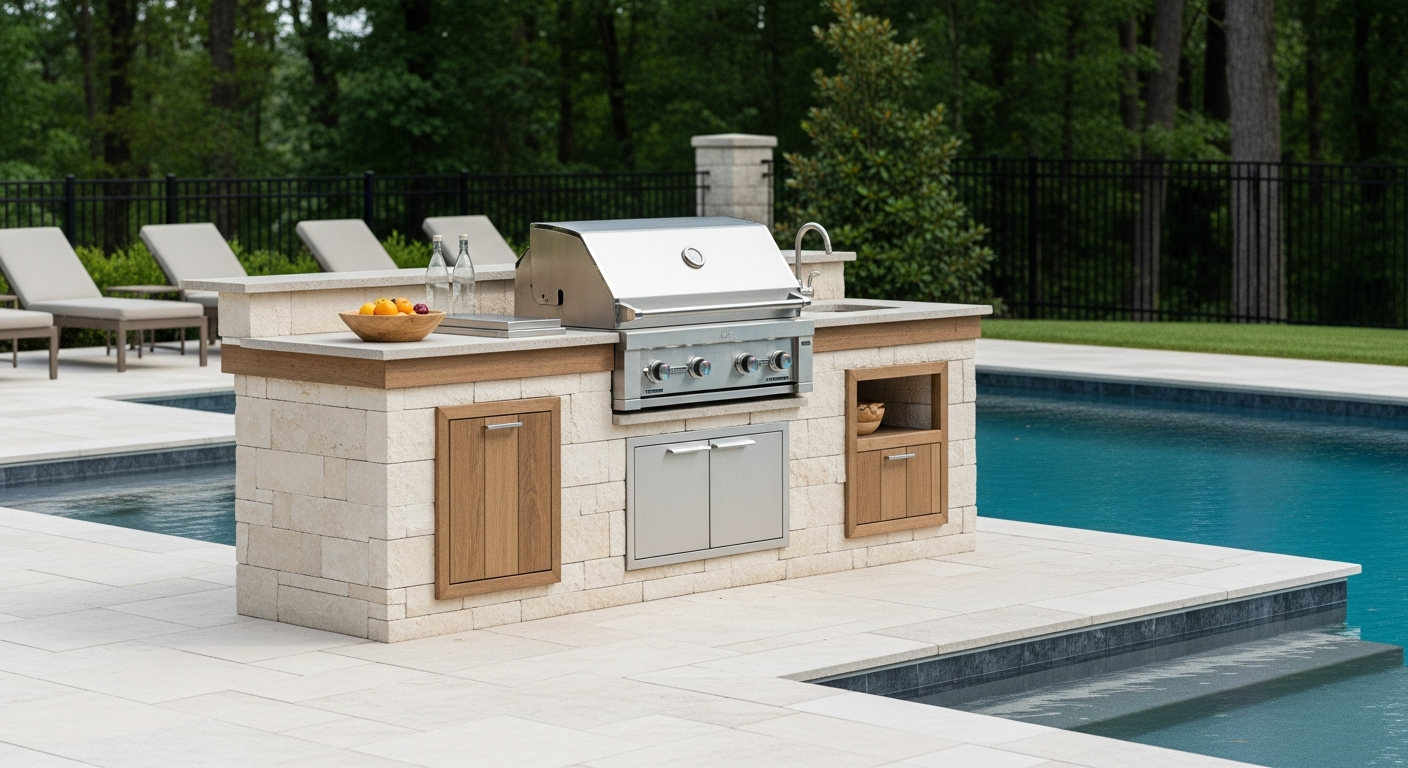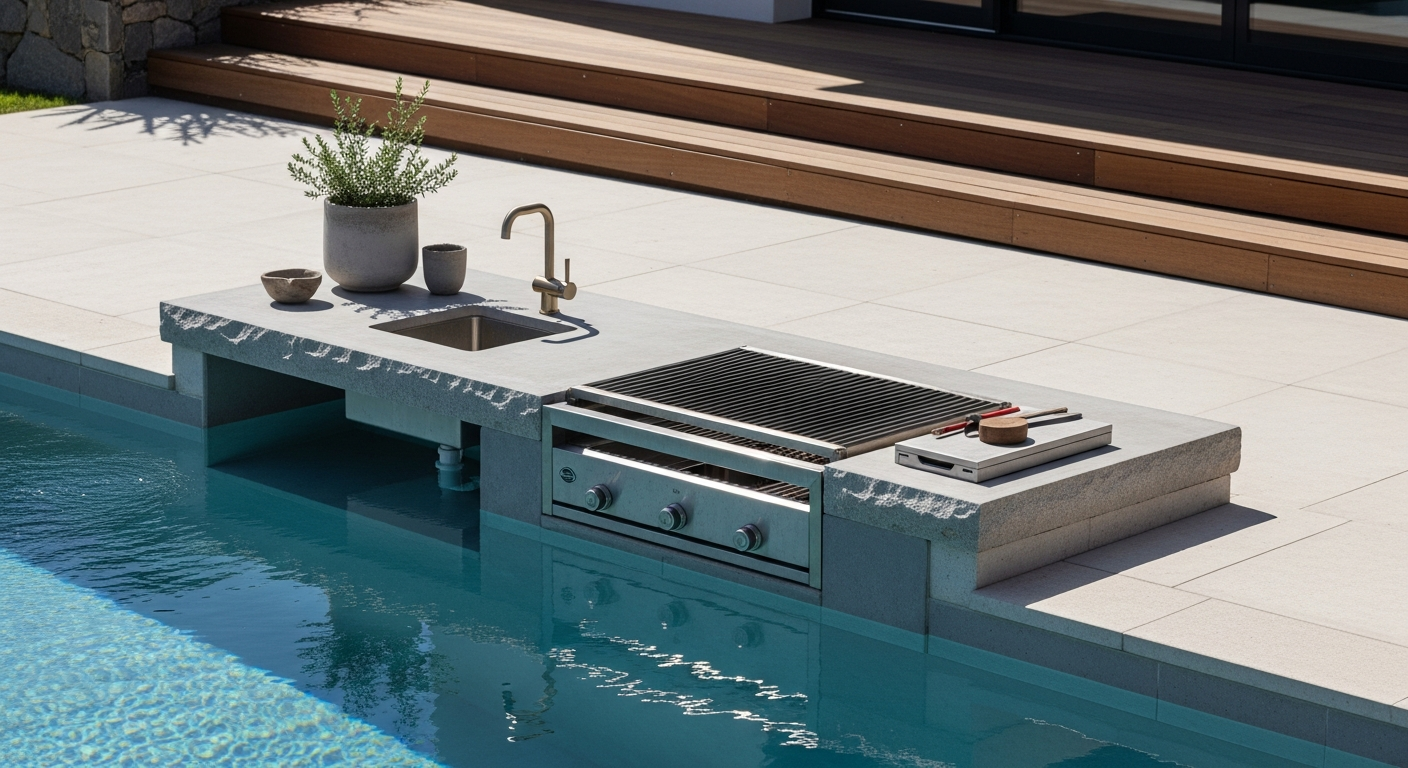
Most outdoor cooking islands fail. Not because of a faulty grill or a cheap sink, but because of a fundamental error in their conception: they are designed from the outside-in. I’ve seen projects costing tens of thousands fail within three years due to this single oversight. The focus is always on the granite countertop and the stainless steel appliances, while the foundational structure—the frame and utility planning—is treated as an afterthought. This approach is a direct route to material fatigue, stress fractures, and eventual system-wide failure.
My entire methodology is built on reversing this process. I call it the Frame-First Protocol. It prioritizes the structural skeleton and its integration with utilities (gas, water, electrical) before a single finish material is even considered. By focusing on the load-bearing capacity, climate resilience, and workflow efficiency of the core structure, we don't just build an outdoor kitchen; we engineer a permanent outdoor fixture that resists weathering and operational stress, often extending its functional lifespan by over 30%.
The Core Failure Point: Diagnosing Material and Workflow MismatchesThe most common mistake I encounter is a complete disregard for material synergy. I once inherited a project where a stunning, 2-inch thick marble countertop was installed directly onto a galvanized steel stud frame in a coastal environment. The client was shocked when, after just one season, rust stains began bleeding through the porous stone. The issue wasn't the marble or the frame individually; it was the galvanic corrosion accelerated by the salty, humid air, a problem that a 316-grade stainless steel frame would have entirely prevented. My proprietary methodology is designed to preemptively eliminate these conflicts.
A Technical Deep Dive: Frame Material vs. Climate LoadThe choice of frame material is the single most critical decision in your project. It's not a matter of preference but a technical requirement dictated by your climate and intended load. A heavy concrete countertop has vastly different support needs than a lighter tile-over-board setup.
- Welded Steel Frame: For ultimate rigidity and supporting heavy loads like concrete or stone slab countertops, a welded frame of 1.5-inch square steel tubing is my go-to. However, the key is the steel's grade. In most areas, 304-grade stainless is sufficient. For any location within 50 miles of saltwater, upgrading to 316-grade (marine grade) is non-negotiable to prevent pitting and corrosion.
- Concrete Masonry Unit (CMU): CMU blocks offer incredible durability and fire resistance. The common error here is improper footing. The foundation must be a properly cured concrete slab with rebar reinforcement, extending below the frost line for your region to prevent seasonal heaving, which will absolutely crack your structure and countertops.
- Aluminum Framing: While lightweight and corrosion-resistant, I've found that many pre-fabricated aluminum systems lack the torsional rigidity for heavy stone. I only specify aluminum for islands with lighter finishes, and I always insist on systems with welded corner gussets to prevent racking under load.
With the correct material diagnosed, the implementation must follow a strict, logical sequence. Deviating from this order is where hairline cracks become structural failures and appliance installations become nightmares. This is the practical application of my Frame-First Protocol.
- Map the Utility Core: Before any framing is built, you must precisely map and stub out all utilities. This includes the gas line for the grill, electrical conduits for outlets and lighting, and water/drainage lines for the sink. Trying to retrofit these into a completed frame is inefficient and often compromises structural integrity.
- Construct the Frame on a Level Foundation: Assemble or build your frame based on your material choice. The critical step here is ensuring it is perfectly level and square. Use a laser level, not just a bubble level. A frame that is off by even a quarter of an inch can transfer immense stress to the countertop later.
- Install Appliance Housings and Cement Board: Attach the insulated jackets and housings for your grill and other components. Then, clad the entire frame in a half-inch cement backer board, using the manufacturer-specified corrosion-resistant fasteners. This board is your substrate for all finish materials.
- Apply Finishes and Template for Countertops: Apply your stone veneer, stucco, or other vertical finishes. Only after this is complete should you have a professional create a physical template for your countertop. Never work from drawings alone; the real-world frame will always have minor variances.
- Set the Countertop and Install Appliances: The countertop is set using an appropriate outdoor-rated adhesive. Finally, the grill, sink, and other components are installed into their housings. This final step should be the easiest part of the entire process if the preceding steps were done correctly.
The job isn't done when the last appliance is installed. The final 5% of the work is what ensures longevity. I run a post-installation check that focuses on sealing and settling. Every porous surface, especially natural stone and grout, must be sealed with a high-quality impregnating sealer, not a topical one which will fail under UV exposure. I also check all appliance connections for leaks and ensure all doors and drawers are perfectly aligned, making micro-adjustments to the hinges. These small calibrations prevent uneven wear and long-term operational issues.
Now that you understand the structural hierarchy, how will you modify your utility plan to accommodate the thermal expansion differential between your chosen frame material and the concrete footing it rests on?