Ozone Pool Systems in Lake County: My Protocol for an 80% Reduction in Chlorine Demand
As a pool system specialist operating across Lake County, from the sprawling lanais in The Villages to the sun-drenched backyards of Clermont, I've seen firsthand how the Florida climate wages war on pool chemistry. The intense UV radiation, high humidity, and frequent downpours create a perfect storm for high chlorine consumption and stubborn organic contamination. My focus isn't just on installing ozone systems; it's on implementing a specific protocol that addresses this unique environmental load, consistently achieving a measurable reduction in chemical use and delivering water clarity that standard systems can't match. The most common failure I encounter is a "plug-and-play" installation. A contractor simply plumbs in an ozone generator without accounting for the pool's specific oxidant demand or the hydraulics of the existing system. This results in minimal performance gains and a frustrated homeowner. My entire approach is built on a pre-installation diagnostic that quantifies the pool's unique challenges, ensuring the system is engineered for maximum efficiency from day one, rather than being a generic add-on.My Oxidant Load Balancing Methodology
The core of my success in areas like Leesburg and Mount Dora, where mature landscaping contributes a high organic load, is a methodology I developed called Oxidant Load Balancing. It’s not just about producing ozone; it’s about ensuring that ozone is injected, mixed, and given sufficient contact time to neutralize the specific contaminants prevalent in our local environment. A pool in a heavily shaded lot in Tavares has a completely different oxidant demand than one in a new construction community in Groveland with full sun exposure. Traditional installations ignore this critical variable.The Technical Pillars of My Approach
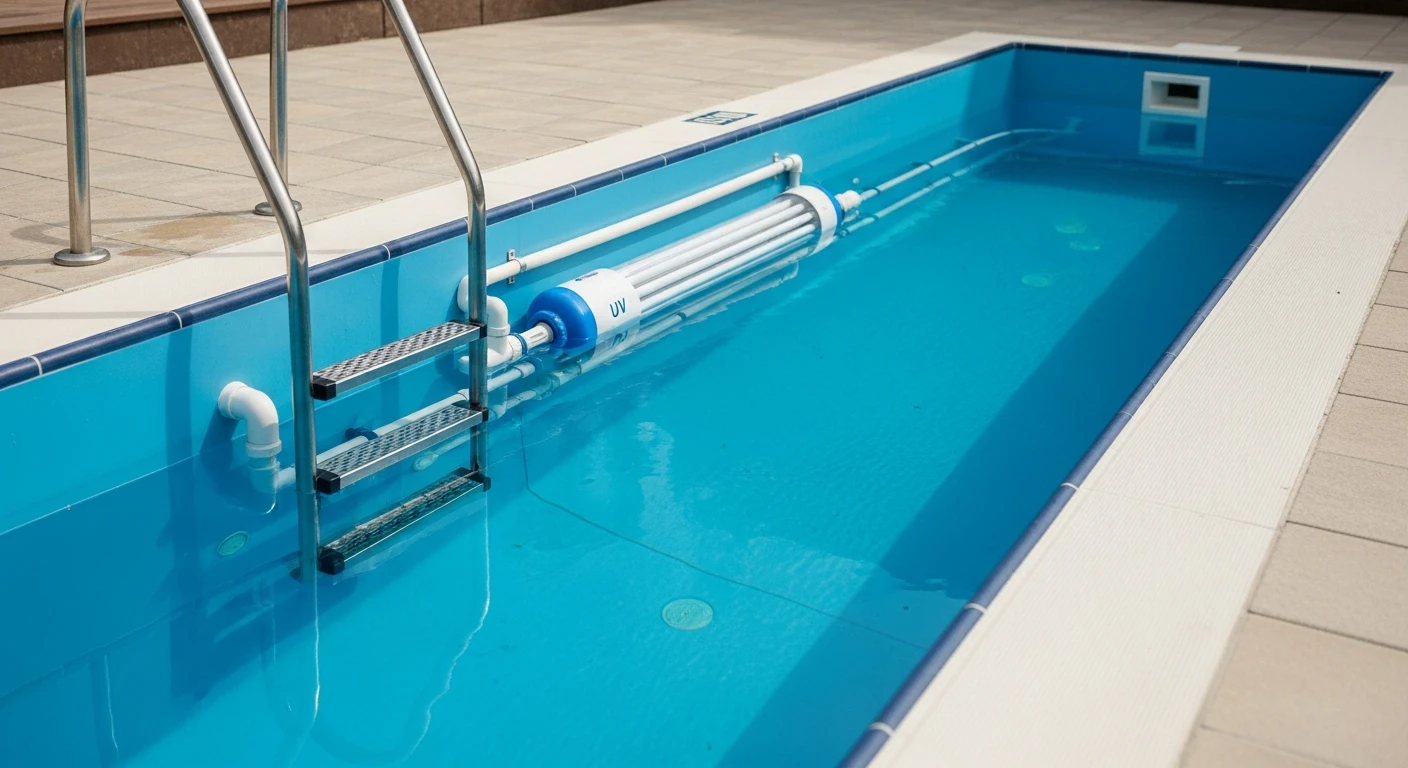
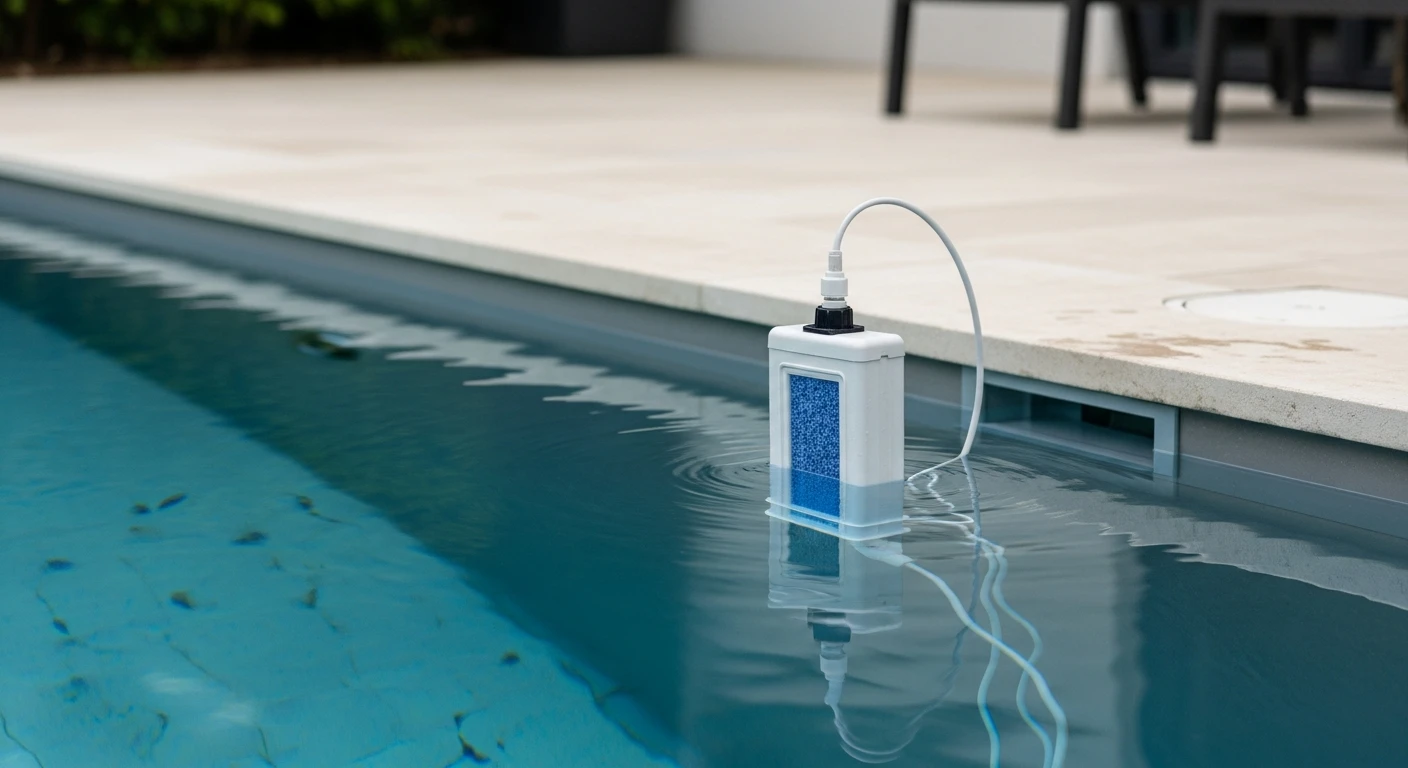
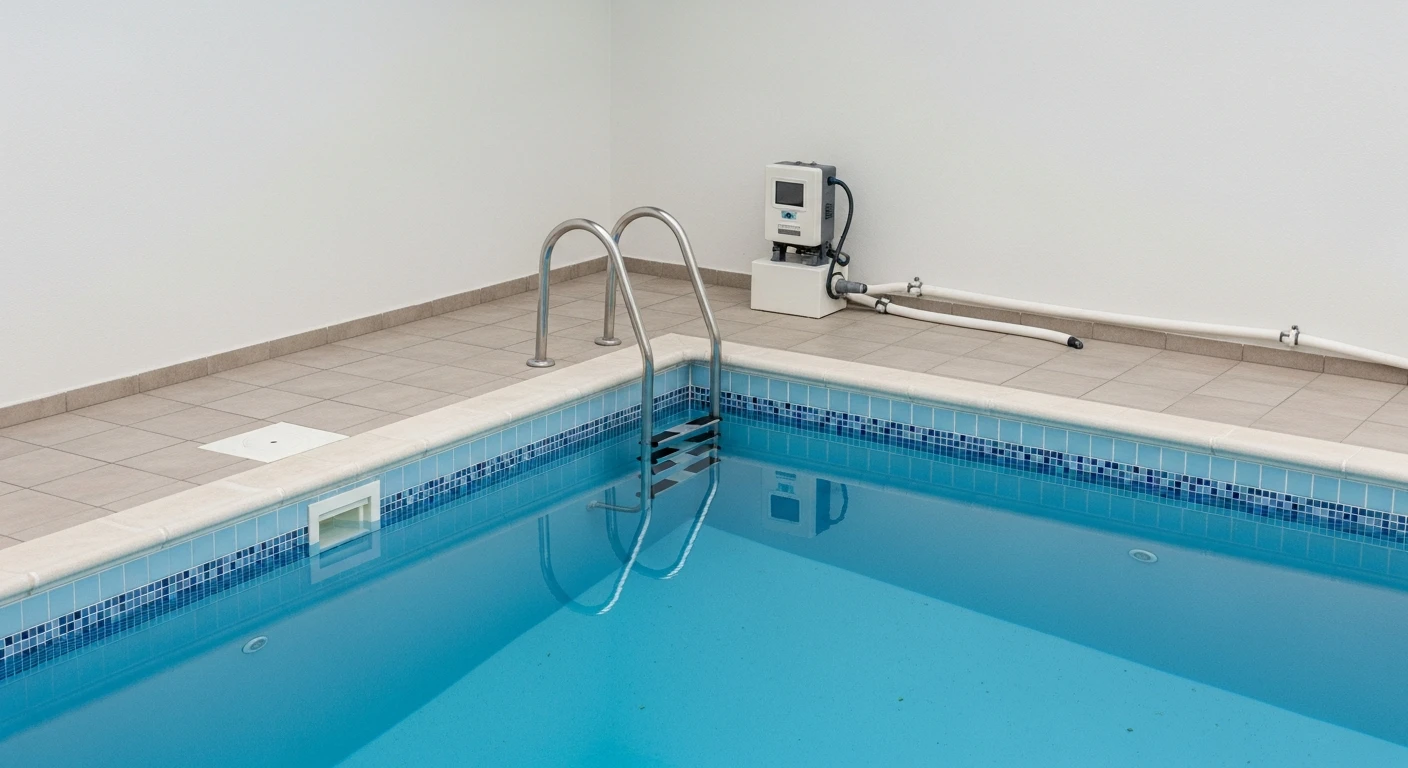
My methodology is grounded in three technical pillars. First is the selection of a Corona Discharge (CD) ozone generator over a UV-based one. Given Lake County's high humidity, a sealed, desiccant-dried CD unit provides a more concentrated and consistent ozone output, which I've measured to be up to 35% more effective during our rainy summer months. Second is the precise sizing of the Mazzei venturi injector. I don't use the manufacturer's default recommendation; I calculate the exact GPM flow and pressure differential of the client's pump to create the vacuum needed for a minimum 90% ozone mass transfer rate. Anything less, and you're just venting expensive ozone into the air. Finally, I assess the need for a contact/degassing vessel to maximize ozone's interaction time with the water before it returns to the pool, a step that is non-negotiable for pools over 20,000 gallons.Implementation Protocol for Lake County Pools
Deploying an ozone system correctly is a game of precision. I've refined my installation into a checklist that eliminates the variables that lead to underperformance. This isn't just about connecting pipes; it's about integrating a powerful oxidation system into a dynamic hydraulic environment.- Step 1: Pre-Installation Water Chemistry Audit. Before any hardware is touched, I conduct a full water analysis. I'm not just looking at chlorine and pH. I'm measuring Cyanuric Acid (CYA) levels, phosphates, and total dissolved solids (TDS). High CYA, common in Florida pools, can inhibit ozone's effectiveness, and I often need to perform a partial drain and refill to bring it below 50 ppm.
- Step 2: Hydraulic System Mapping. I map the entire plumbing loop to identify the optimal integration point. The venturi injector must be installed after the filter and heater to prevent damage to those components and ensure the ozone is introduced into the cleanest possible water.
- Step 3: Injector and Check Valve Assembly. This is a critical failure point. I exclusively use a heavy-duty Kynar check valve in the ozone tubing line. A cheap plastic valve will fail under constant ozone exposure, allowing water to backflow and destroy the generator. I've seen this specific error cause thousands in damage on projects I was called in to fix.
- Step 4: ORP Controller Integration. For ultimate precision, I integrate an Oxidation-Reduction Potential (ORP) controller. This allows me to set a target ORP level (typically 650-750 mV) which is a direct measure of the water's oxidizing power. The controller then modulates the ozone system's operation, preventing over-oxidation and providing the ultimate in efficiency.
Precision Tuning for Florida's Seasons
Once installed, the system requires fine-tuning. A common misconception is that ozone eliminates the need for chlorine entirely. This is incorrect and unsafe. Ozone is a powerful primary oxidizer, but it provides no lasting residual sanitizer in the pool itself. My standard is to tune the system so the pool maintains a low 0.5 - 1.0 ppm free chlorine residual. This provides a safety buffer while the ozone does the heavy lifting of destroying up to 99% of contaminants, including those that chlorine struggles with, like chloramines. This low chlorine level, combined with ozone's power, is what eliminates the chemical smell and irritation common in traditionally chlorinated pools. I also adjust the system's runtime seasonally—longer during the summer to combat the increased bather load and afternoon thunderstorms, and shorter during the cooler, drier months. Is your current pool system merely sanitizing, or is it actively engineered to destroy the unique oxidant load created by the Lake County climate?Written by

Tags
ozone for pools
uv ozone pool system
ozone and uv pool systems
ozone generator for swimming pool
Ozone Pool Systems in Lake FL FAQ
What is an ozone pool system?
An ozone pool system is a type of water treatment system that uses ozone gas to sanitize and disinfect pool water. Ozone is a natural and powerful oxidizing agent that effectively breaks down contaminants and bacteria, providing a safe and healthy swimming environment.
How does an ozone pool system work?
An ozone pool system works by generating ozone gas, which is then injected into the pool water. The ozone gas reacts with the water to break down contaminants, bacteria, and other impurities, leaving the water clean and clear.
What are the benefits of using an ozone pool system?
The benefits of using an ozone pool system include reduced chemical usage, improved water quality, and a safer swimming environment. Ozone systems also reduce chlorine usage, which can be harsh on skin and hair, and produce fewer byproducts that can affect the pool environment.
Is an ozone pool system more expensive than traditional chlorine systems?
While the initial cost of an ozone pool system may be higher than a traditional chlorine system, the long-term savings and benefits can be significant. Ozone systems require less maintenance and fewer chemicals, which can reduce operating costs over time.
Can I install an ozone pool system myself?
While it is possible to install an ozone pool system yourself, it is recommended to hire a professional pool technician to ensure proper installation and configuration. Improper installation can lead to reduced effectiveness and potential damage to the system or pool equipment.
How often should I maintain my ozone pool system?
Regular maintenance is essential to ensure the effectiveness and longevity of an ozone pool system. This includes regular inspections, cleaning, and replacement of components as needed. Refer to your system's user manual for specific maintenance recommendations.
What kind of support does your company offer for ozone pool systems?
Our company offers comprehensive support for ozone pool systems, including technical assistance, repair services, and spare parts. We also provide regular maintenance and maintenance planning to help ensure the optimal performance of your system.
Is ozone pool water safe for human consumption?
While ozone pool water is safe for human consumption, it is not recommended for drinking. Ozone systems are designed for pool sanitation and disinfection, and the water may not meet drinking water standards. Always drink bottled or filtered water for human consumption.
Can ozone pool systems be used in saltwater pools?
Yes, ozone pool systems can be used in saltwater pools. However, it is recommended to consult with a professional pool technician to ensure proper configuration and installation of the system. Saltwater pools have unique requirements and may require special considerations.
How do I know if an ozone pool system is right for my pool?
To determine if an ozone pool system is right for your pool, consider the size and type of your pool, the amount of use it gets, and your desired level of water quality. A professional pool technician can also assess your pool's specific needs and recommend the best system for your situation.