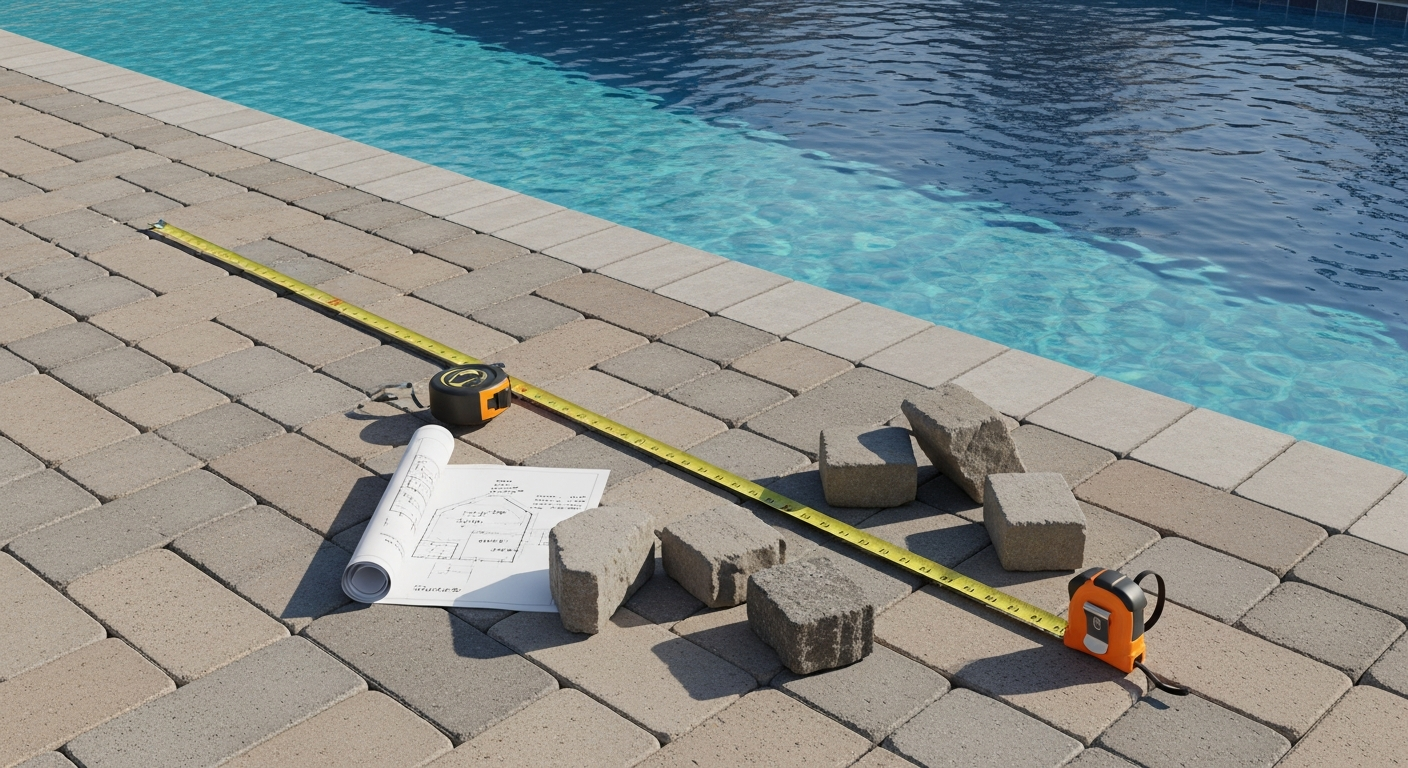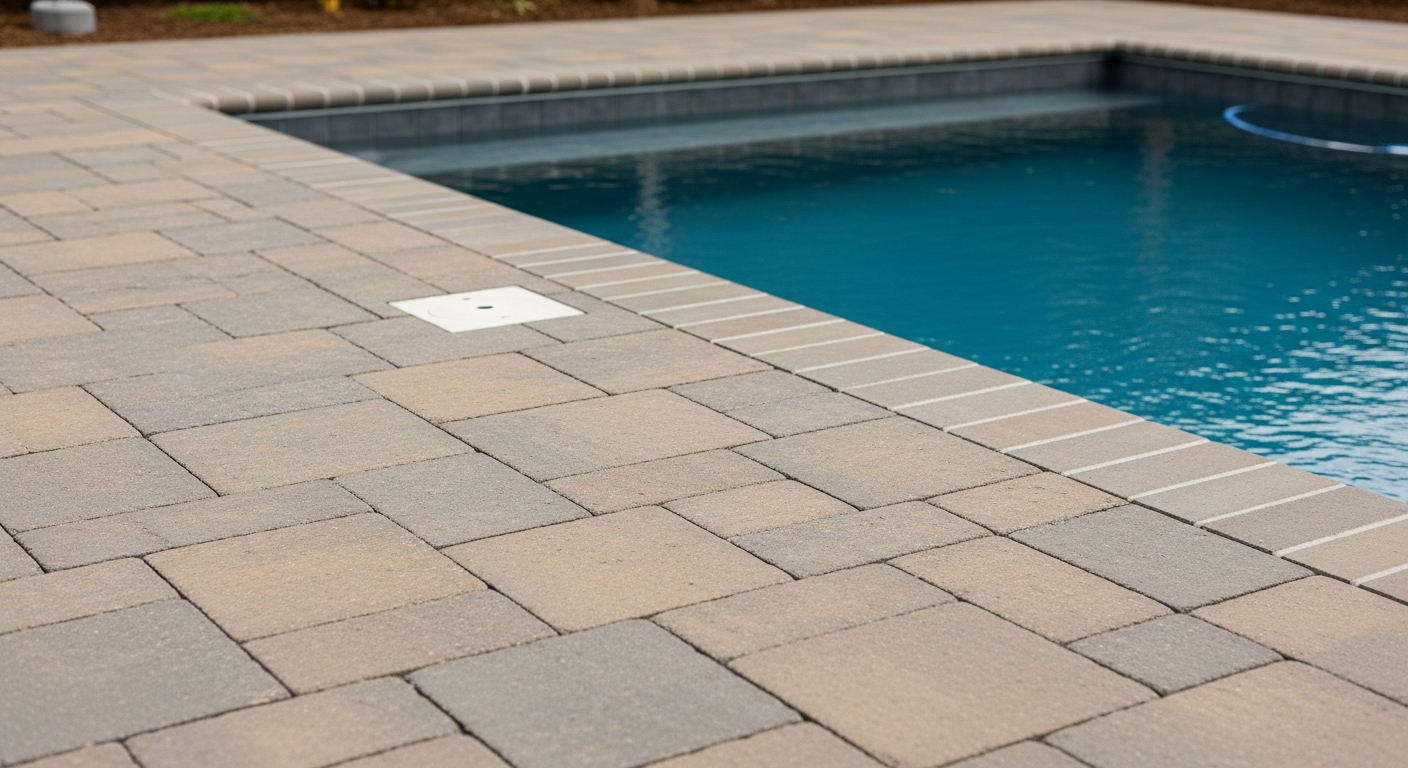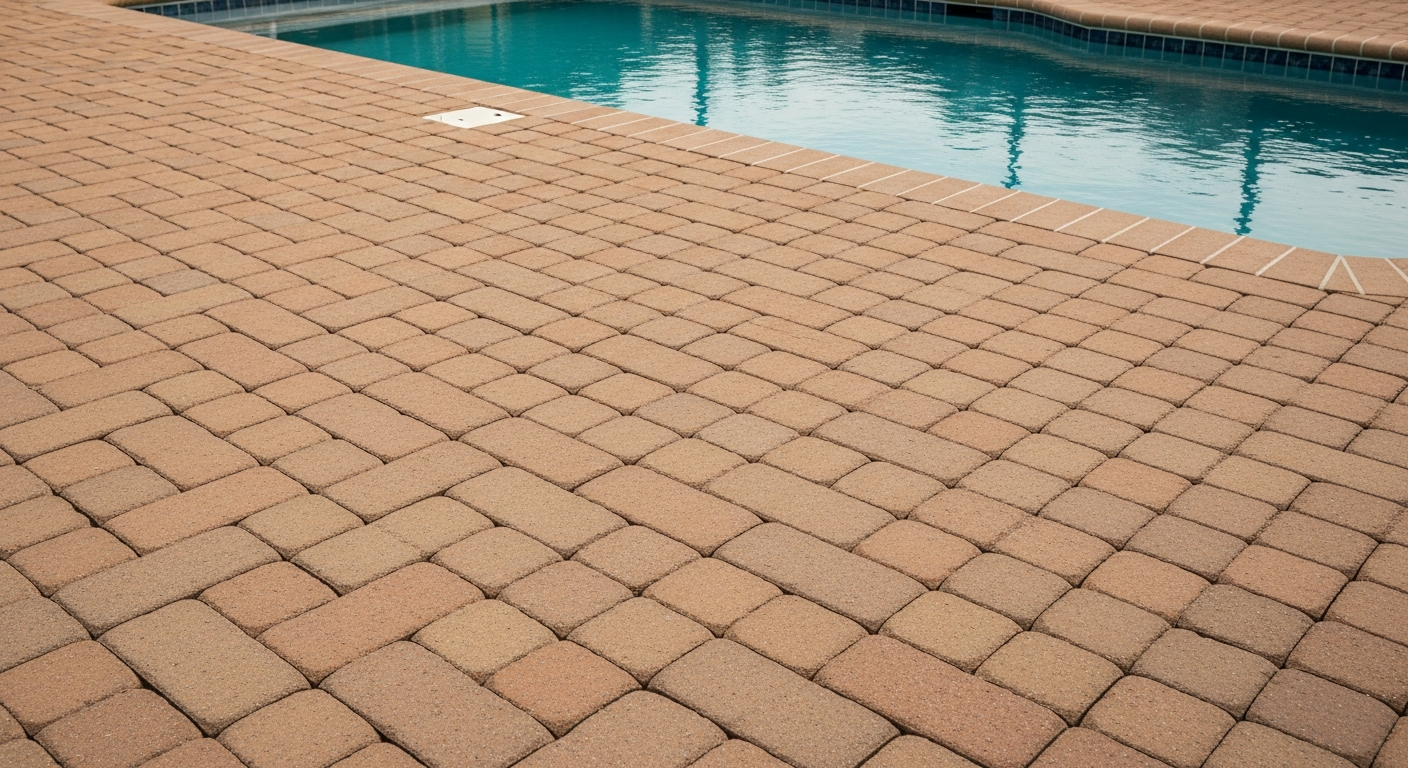
Patio Pavers Near Me: My Vetting Protocol for a 30-Year Lifespan Installation
Stop searching for "patio pavers near me" and start qualifying them. After more than a decade in this field, I can tell you the most critical failure point isn’t the paver itself—it's the unseen, poorly executed sub-base that causes 90% of heaving, sinking, and separation issues within the first five years. A beautiful paver patio is a system, and most contractors focus only on the visible top layer.
My entire methodology is built around reverse-engineering patio longevity, focusing on the geotechnical aspects of the foundation. I’ve been called in to repair countless sinking patios, and the root cause is almost always a rushed or improperly specified base. This guide is the exact internal checklist I use to audit a project site and guarantee a stable, interlocked surface that withstands freeze-thaw cycles and heavy loads for decades, not just a single season.
The Sub-Base Audit: My Non-Negotiable Diagnostic Framework
Before a single paver is ordered, I perform what I call the Sub-Base Audit. It's a non-negotiable diagnostic that dictates the entire project's scope and cost. I once took over a large commercial project where the previous contractor simply laid 4 inches of crushed stone over expansive clay soil. The entire installation failed in six months. My audit prevents this by analyzing two core components: soil composition and hydrological load. We must understand if we're working with sandy loam, which drains well, or heavy clay, which retains water and requires a much deeper, more robust base. This initial diagnosis determines the required excavation depth—a variable that cannot be standardized. A "one-size-fits-all" 6-inch base is a recipe for premature failure.
Geotextiles and Aggregate Compaction Ratios Explained
This is where my process diverges significantly from standard practice. Underneath the aggregate base, I mandate the use of a non-woven geotextile fabric. This isn't just a weed barrier; its primary function is separation and stabilization. It prevents the native soil from migrating up into the clean aggregate base, which would compromise its structural and drainage capacity. For the base itself, I specify a minimum of 6 to 8 inches of well-graded crushed stone, compacted in 2-inch lifts. Each lift must be mechanically compacted with a plate compactor to achieve at least 95% Standard Proctor Density. Over this, we place a 1-inch screeded layer of coarse bedding sand (conforming to ASTM C33 specifications). Ignoring the compaction lifts is the single most common shortcut I see—and the most catastrophic.
The Core Installation Checklist: From Excavation to Final Seal
My installation team follows a rigid sequence. Deviating from this process voids any internal warranty and guarantees a substandard result. This is the field-tested workflow that ensures consistency and quality.
- Excavation and Grading: We excavate to the depth determined by the Sub-Base Audit, ensuring a minimum slope of 1/4 inch per foot away from any structures for positive drainage. This is a critical, non-negotiable KPI.
- Geotextile and Base Installation: The fabric is laid, followed by the first 2-inch lift of aggregate. We compact it, then add the next lift, repeating until the full base depth is achieved and tested for proper compaction.
- Edge Restraint Installation: Before the bedding sand, we install heavy-duty edge restraints secured with 10-inch steel spikes. I’ve seen projects where cheap plastic edging has failed, causing the outer pavers to separate. We often opt for a concealed concrete bond beam for maximum stability.
- Bedding Sand and Screeding: The 1-inch layer of ASTM C33 sand is laid and screeded perfectly smooth using guide rails. This is the final bed the pavers will rest on.
- Paver Laying and Adjustment: Pavers are placed in the desired pattern, working from a corner outwards. We use string lines to ensure perfectly straight courses. Lippage (height difference between adjacent pavers) is checked and must not exceed 1/8 inch.
- Final Compaction and Jointing Sand: The pavers are run over with a plate compactor (with a protective mat) to set them into the bedding sand. Then, we sweep in polymeric sand into the joints, ensuring they are completely filled. My proprietary trick is to use a leaf blower on a low setting to blow excess sand dust off the paver surfaces *before* activating it with water. This prevents the dreaded "polymeric haze" that ruins the aesthetic.
Tags
wholesale patio pavers near me
landscaping bricks
porcelain patio pavers
sealing patio pavers
outdoor pavers for patio