Pasco County Paver Patio Design: My Framework for Preventing Sub-base Failure and Drainage Disasters
When I'm called to consult on paver patio projects in Pasco County, the initial conversation is always about aesthetics—colors, patterns, and styles. However, the first thing I assess is the soil and grade. I've seen too many beautiful patios in Land O' Lakes and Trinity fail within two years due to overlooked hydrology and sub-base preparation. A paver patio here isn't just a surface; it's an engineered drainage system designed to survive our torrential summer rains and sandy, shifting soil. My entire approach is built on a principle I call Drainage-First Design. This isn't about simply laying gravel; it's a specific methodology for creating a sub-base that actively manages water and provides a stable foundation for decades. Forget generic advice; the standard 4-inch base of aggregate is often a recipe for sinking and pooling water in areas like Wesley Chapel, where new construction often involves significant soil disturbance. My baseline for any project here begins at a minimum 6-inch compacted base.Diagnosing the Site: My Proprietary Pasco-Proof Patio Framework
Before a single paver is laid, I diagnose the site using my proprietary Pasco-Proof Patio Framework. It’s a three-point system I developed after correcting a costly drainage failure on a large Trinity residential project where water was pooling against the home's foundation. The original contractor used the wrong base material and failed to calculate the proper slope. My framework ensures this never happens. It's not about working harder; it's about front-loading the technical decisions to guarantee a specific performance outcome: zero water pooling and less than 1/8-inch of settling over 10 years.The Three Pillars: Sub-base Integrity, Water Management, and Material Selection
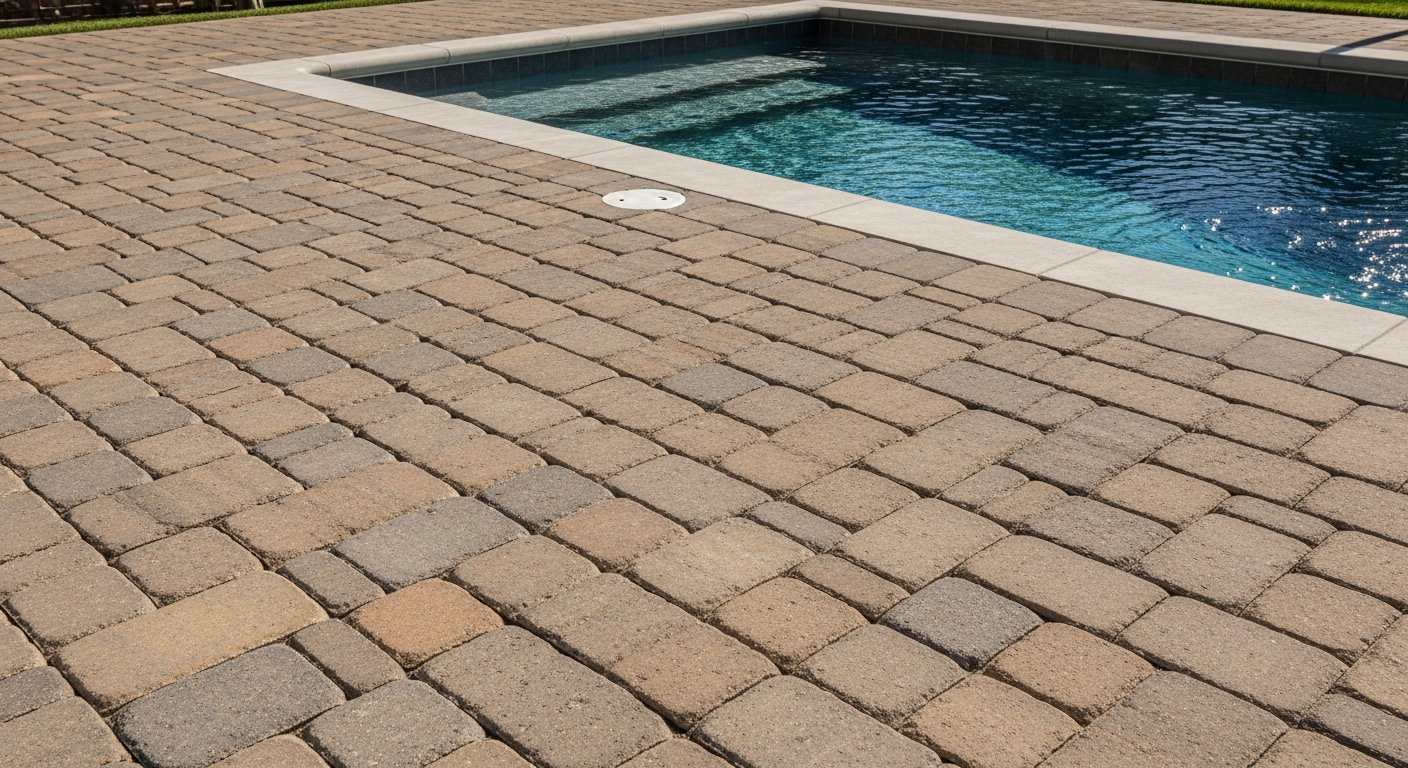
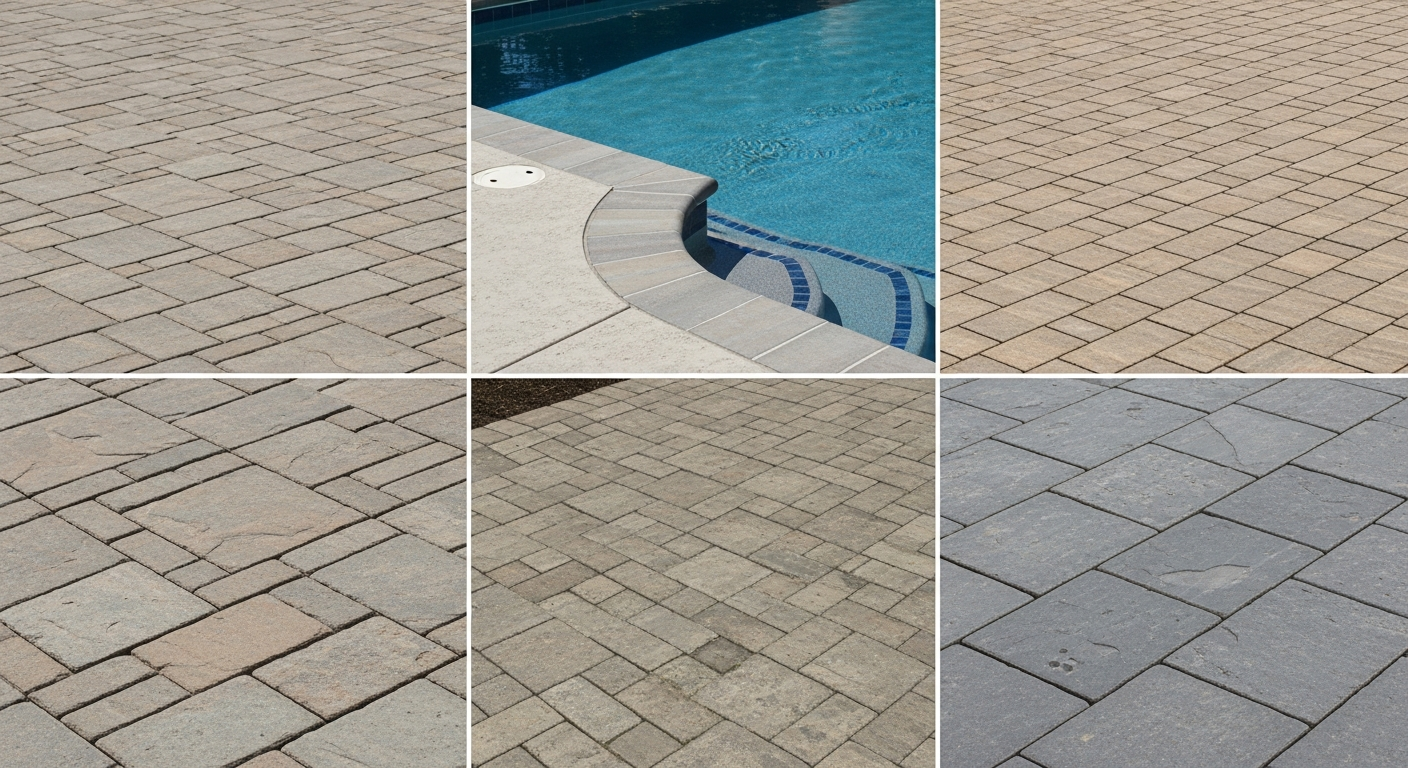
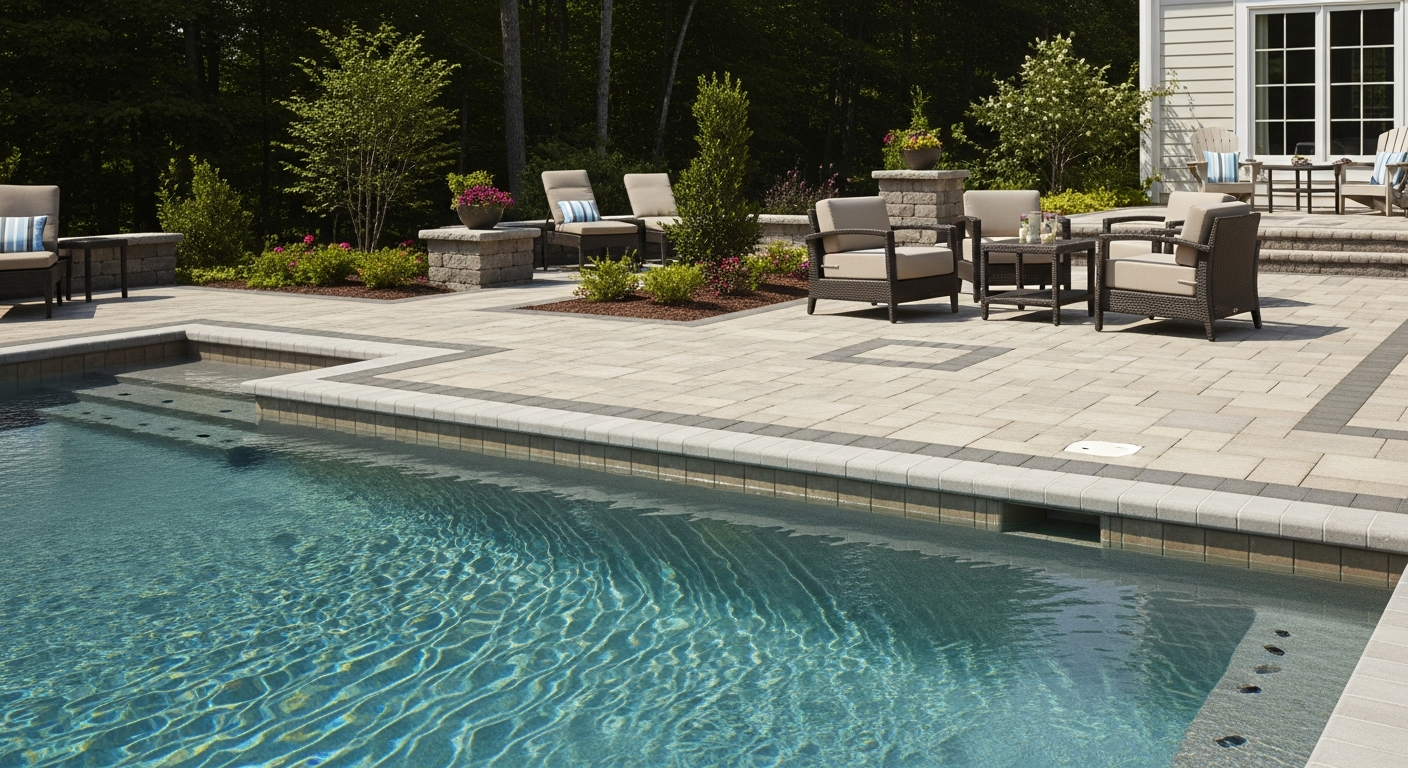
The framework rests on three non-negotiable pillars. First is Sub-base Integrity. Our sandy Pasco soil requires more than just a layer of gravel. I mandate a dual-layer system: a 4-inch base of #57 stone for maximum water percolation, followed by a 2-inch layer of paver base (aggregate fines) on top, compacted separately. This creates a stable, interlocking foundation that drains vertically with incredible efficiency. Second is Water Management. Every patio I design has a calculated slope of 1/4 inch of drop for every linear foot, directed away from any structures. For large lanais or pool decks, I often integrate a discreet French drain system along the lowest edge to handle severe downpours. Third is Material Selection. In our relentless Florida sun, paver choice is critical. While many clients initially want dark concrete pavers, I often guide them toward lighter-colored travertine, which can be up to 30% cooler to the touch—a significant factor for barefoot areas around a pool.The Implementation Protocol: From Excavation to Final Seal
Executing the design requires a strict sequence of operations. I've refined this process over dozens of local projects, from Dade City historic homes to new builds in Starkey Ranch. Deviating from this order is the most common mistake I see amateur installers make, leading to uneven surfaces and joint failure.- Excavation and Soil Compaction: I excavate to a depth of 8-9 inches to accommodate the 6-inch base, 1 inch of bedding sand, and the paver height. Before any material is added, the native soil sub-grade is plate compacted to ensure a solid starting point.
- Geotextile Fabric Installation: A crucial step many skip. I lay a non-woven geotextile fabric across the entire excavated area. This separates the native soil from the aggregate base, preventing the sand from migrating down and the gravel from sinking over time.
- Dual-Aggregate Base Layering: The #57 stone is laid and compacted, followed by the paver base, also compacted. I check for level and slope at this stage, not later. A 95% compaction rate is my minimum standard.
- Screeding the Bedding Sand: A 1-inch layer of concrete sand is laid and screeded to a perfectly smooth and sloped surface. This is the bed the pavers will sit in. Precision here dictates the final smoothness of the patio.
- Paver Installation and Edge Restraints: Pavers are laid in the desired pattern, working from a corner outward. Immediately after, a heavy-duty edge restraint is spiked into the aggregate base to lock the entire system in place.
- Polymeric Sand Application: I exclusively use high-quality polymeric sand for the joints. It hardens like a mortar but remains flexible, preventing weed growth and ant hills.
- Final Compaction and Sealing: One final pass with the plate compactor sets the pavers into the sand bed. After a thorough cleaning, I apply a UV-resistant, non-slip solvent-based sealer to protect against fading and stains.
Precision Adjustments for Pasco County's Climate
There are a few "insider" adjustments I make specifically for our local conditions. The biggest one relates to polymeric sand. Applying it in high humidity can cause a permanent "poly haze" on the paver surface. My technique is to work in the late afternoon and use a leaf blower on its lowest setting to blow all excess dust off the surface before introducing any water. For sealing, especially around pools, I always specify a sealer with a non-slip polymer additive. It's a small detail that provides a massive safety benefit without compromising the "wet look" finish many homeowners in Pasco desire. Instead of asking which paver *looks* best, have you calculated the required slope and sub-base depth to handle a 2-inch-per-hour Pasco County downpour without a single puddle forming?Written by

Tags
patio paver patterns
block paving designs for driveways
garden paving designs
brick paver patterns
modern patio pavers