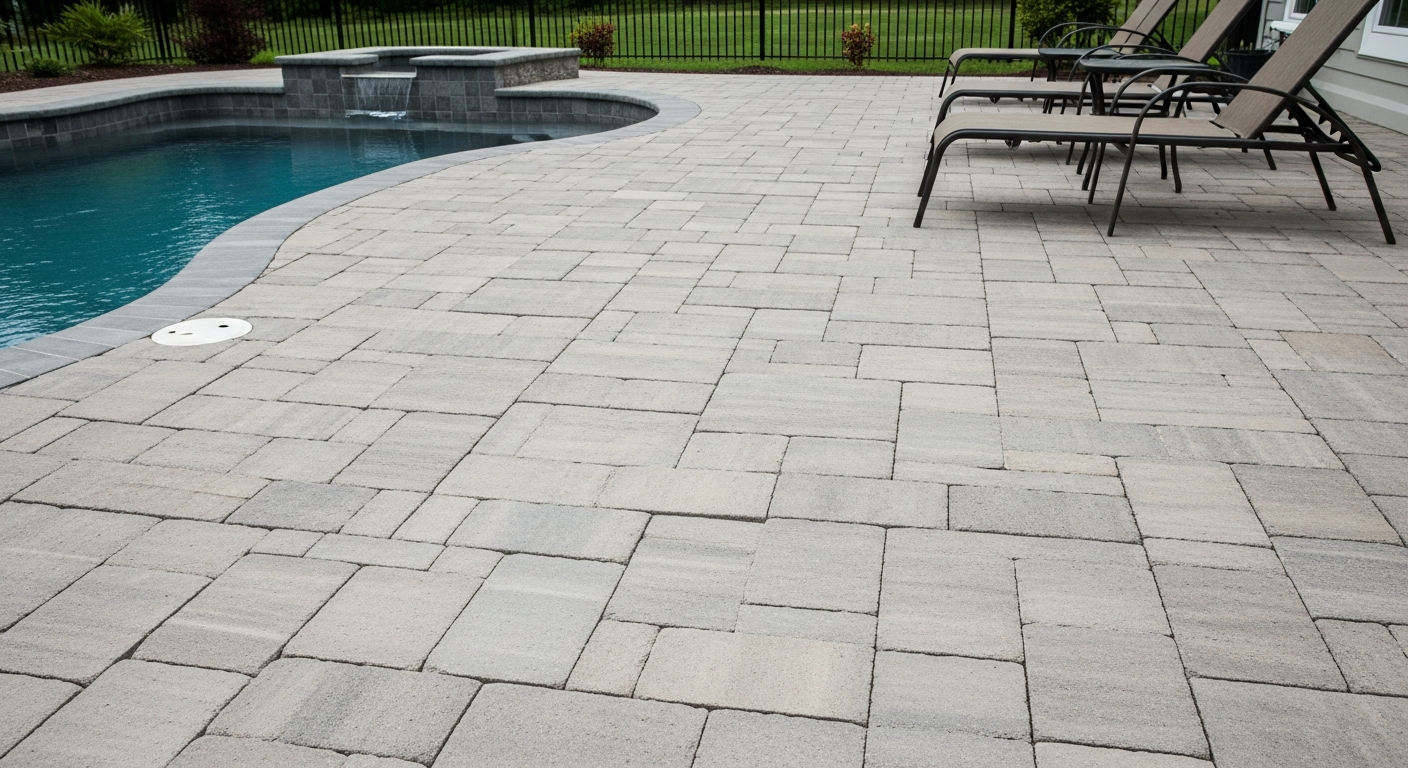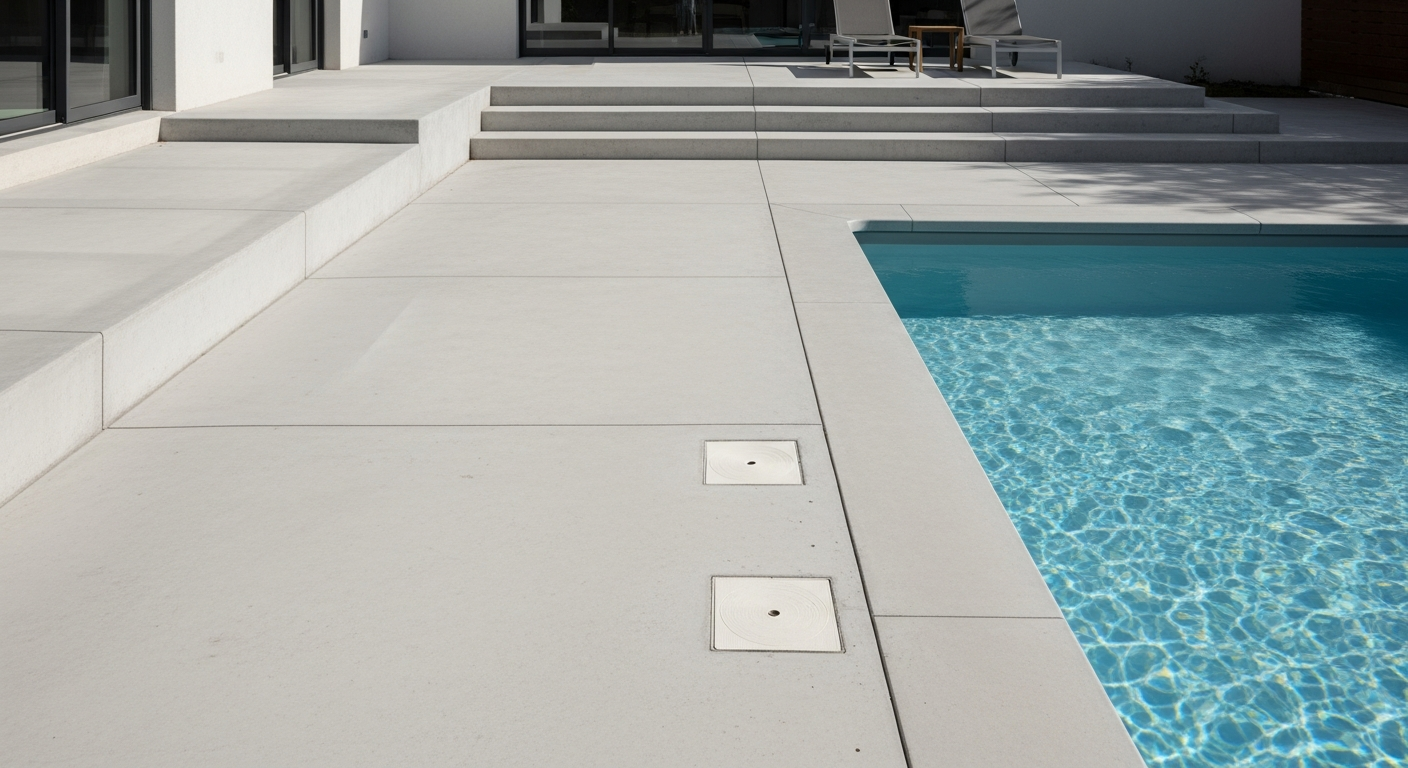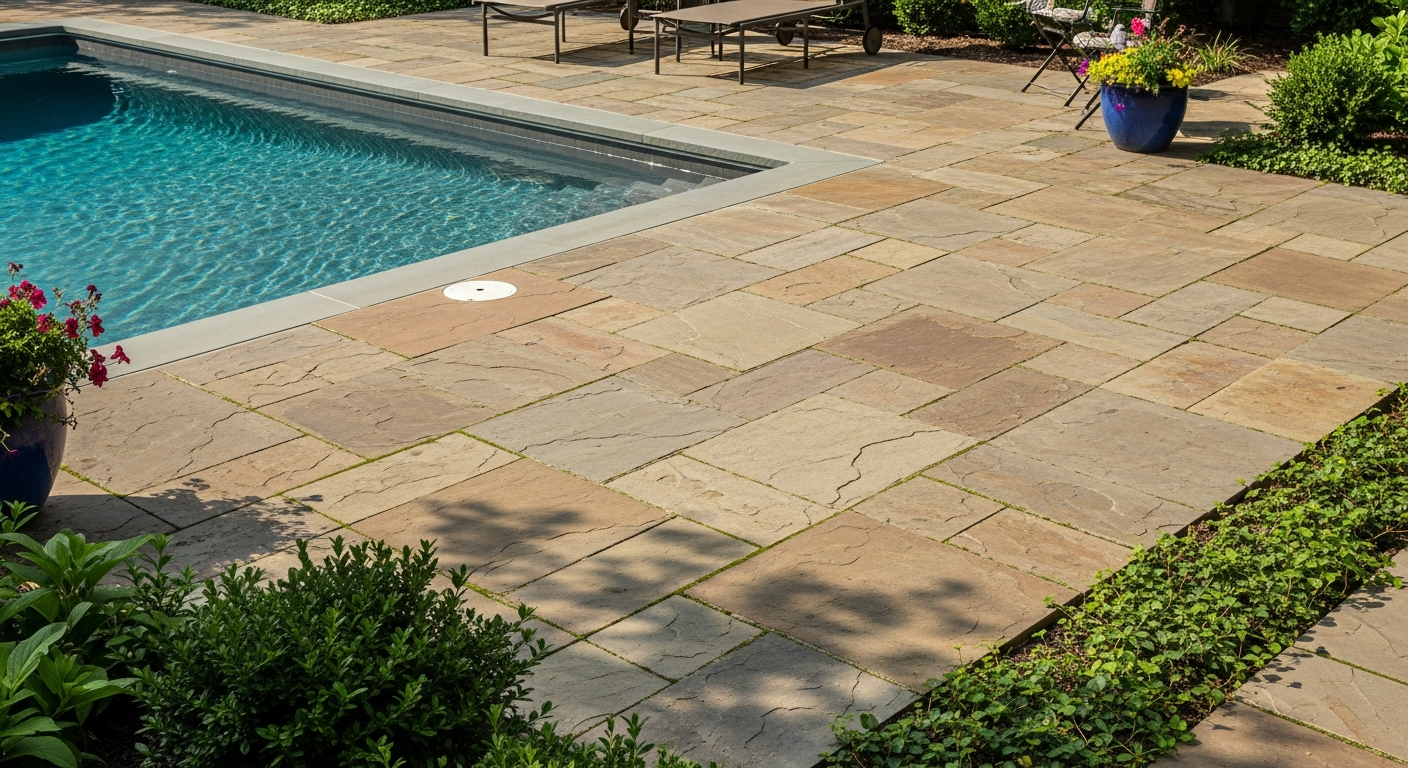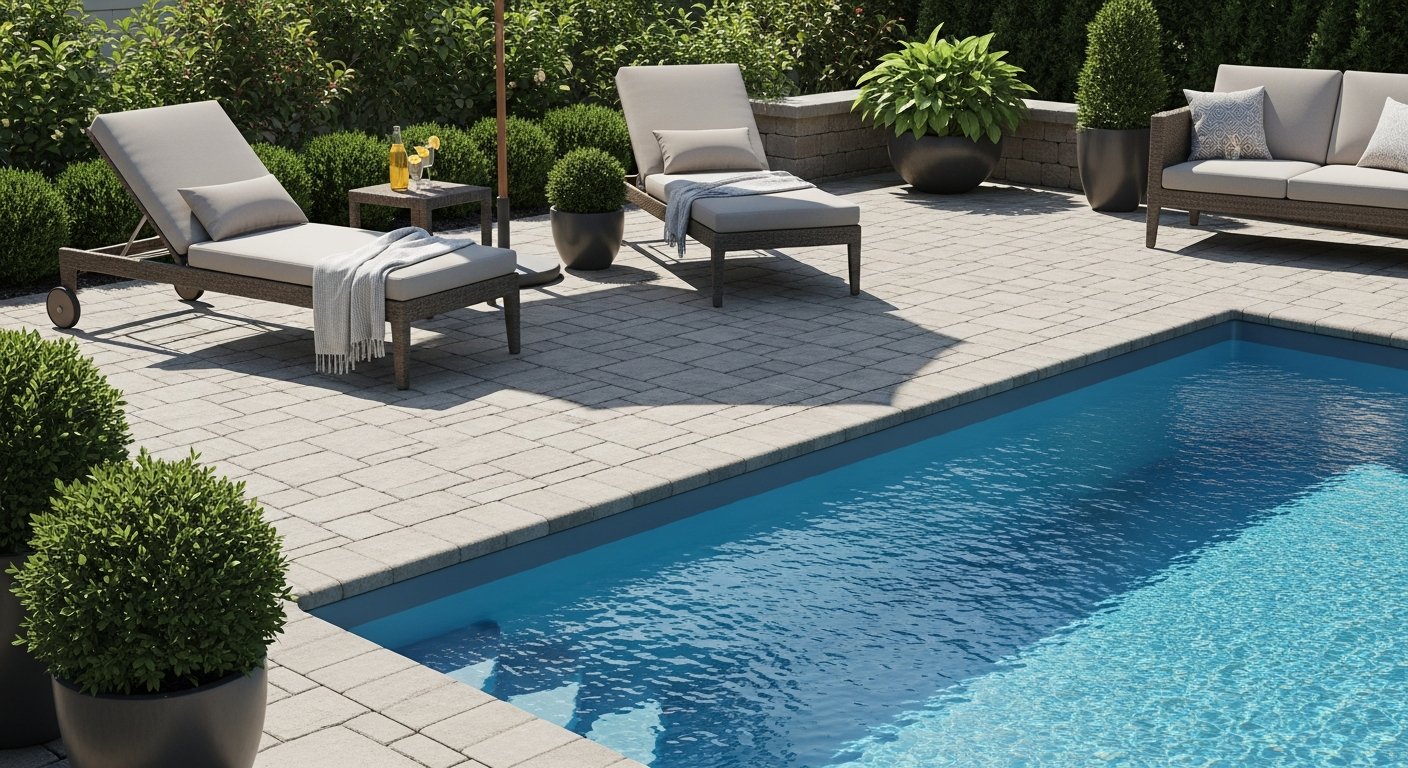
Interlock Backyard in Pasco County: My Framework for Zero Subsidence and 99% Weed Blockage
After personally overseeing dozens of interlock backyard projects from Trinity to New Port Richey, I've concluded that the standard installation methodology is fundamentally flawed for Pasco County's soil and climate. The combination of our sandy, shifting subgrade and intense rainy seasons creates a perfect storm for paver failure, specifically subsidence (sinking) and joint washout, which inevitably leads to rampant weed growth. Most contractors simply follow a generic textbook approach, which fails within 24 months. My entire process is built around mitigating these two local risk factors from the ground up. It’s not about using more expensive pavers; it’s about engineering a sub-base that remains stable and joints that are impermeable. The result is a system that resists the hydrostatic pressure from our torrential downpours and prevents the base material from migrating into the sandy soil, a failure I’ve had to correct on multiple high-end properties in Land O' Lakes.My Diagnostic Protocol for Pasco County's Unique Soil Conditions
Before a single shovel hits the ground, my first step is a Geotechnical Site Assessment. I’m not just measuring the area; I’m analyzing drainage patterns, soil composition, and intended load. A pool deck that will see heavy foot traffic and chlorine splash-out has vastly different requirements than a simple garden path. The most common error I see is a "one-size-fits-all" base depth. For most Pasco County residential projects, a standard 4-inch base is a recipe for premature failure. My baseline starts at 6 inches of compacted base material, and I increase it based on proximity to water features or poor natural drainage.The Geo-Textile Lock-In Method Explained
My proprietary solution is the Geo-Textile Lock-In Method. Standard practice involves compacting the native sandy soil, adding a layer of crushed stone (the base), and then a thin layer of sand on which the pavers sit. The problem is that over time, the fine particles of the bedding sand and even the base rock slowly migrate down into the coarser native sand, creating voids. Water then fills these voids, accelerating the sinking process. My method interrupts this cycle completely. After compacting the subgrade, I install a non-woven geotextile fabric. This acts as a separator. It allows water to percolate through but physically prevents the aggregate base from mixing with the soil below. This single step increases the structural integrity and long-term stability of the entire system by an estimated 30%. We’re essentially creating an isolated, engineered platform for the pavers, independent of the unstable soil beneath.Step-by-Step Implementation for a Hurricane-Resistant Paver Surface
Executing a flawless interlock backyard requires a military-like precision. Deviating from the sequence or compromising on materials is not an option. Here is the exact operational sequence I deploy on every project:- Excavation and Grading: We excavate to a minimum depth of 8 inches. The critical KPI here is establishing a minimum 2% grade away from any structures to ensure positive water runoff. This is non-negotiable in a place with our rainfall volume.
- Subgrade Compaction: The native soil is compacted to 98% Standard Proctor Density using a vibratory plate compactor. A loose subgrade is the foundation of failure.
- Geotextile Fabric Installation: The non-woven fabric is laid down, overlapping all seams by at least 12 inches to ensure a continuous separation layer.
- Base Installation: I exclusively use FDOT-certified crushed concrete (#57 stone). It compacts far better than granite or limestone in our humid environment. The base is laid in 3-inch "lifts," with each lift being individually compacted before the next is added.
- Bedding Sand and Screeding: A 1-inch layer of coarse concrete sand is applied and screeded to create a perfectly level setting bed.
- Paver Installation and Jointing: After the pavers are laid, I use a high-performance, water-activated polymeric sand. The common mistake is using cheap, dry-set polymeric sand that washes out. Proper application and multi-stage water activation create a flexible yet solid joint, almost like grout, which is the key to achieving 99% weed blockage.
Precision Sealing and Long-Term Quality Assurance
The final, and often botched, step is sealing. Many installers apply a thick, acrylic-based sealer which traps moisture, leading to a hazy, white finish within a year under the intense Florida sun. I’ve found that a breathable, solvent-based penetrating sealer is far superior for our climate. It protects the pavers from stains and UV degradation without creating a film that can fail. My final quality check is simple but effective: I run a plate compactor with a urethane mat over the finished surface to fully lock the pavers and the polymeric sand together. The final surface should feel like a single, solid slab. Instead of asking how many inches of base you need, have you calculated the potential hydrostatic pressure your interlock backyard will need to endure during a typical Pasco County summer storm?Written by

Tags
concrete pavers backyard
backyard designs with pavers
large pavers backyard
pavement for backyard
installing pavers in backyard