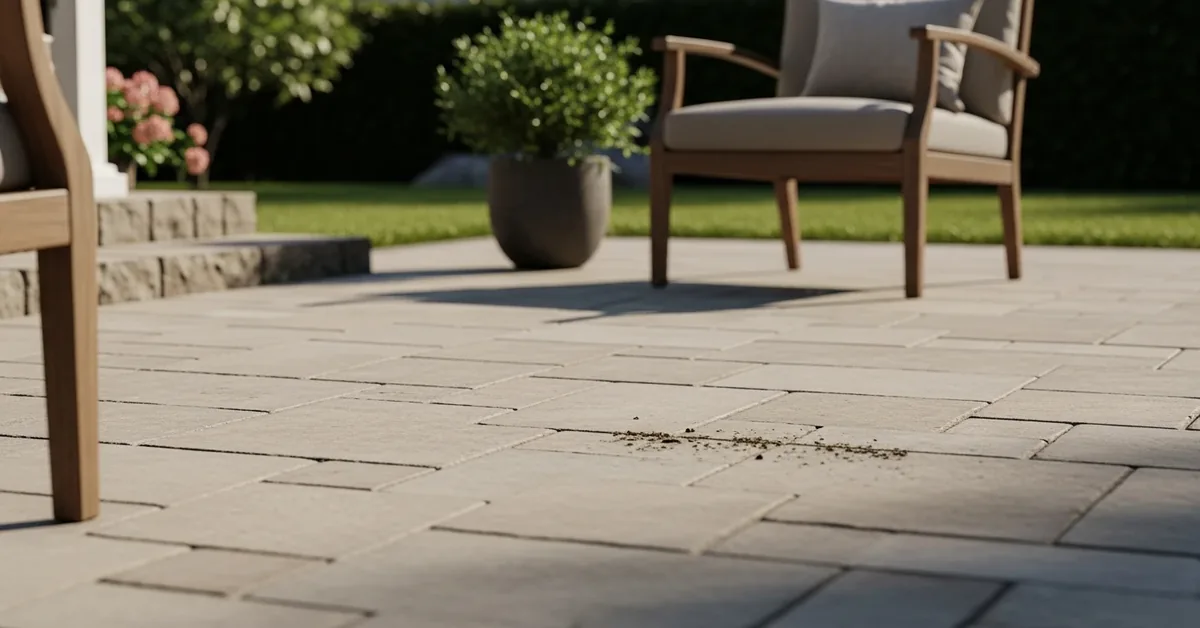
Backyard Pavers Pasco County: My Framework for a 20-Year Lifespan in Florida's Climate
After years of designing and installing paver patios across Pasco County, I’ve seen one critical failure point repeat itself: an inadequate base that simply cannot handle our torrential summer rains and porous sandy soil. A beautiful patio in a Land O' Lakes home can start showing weeds and uneven surfaces in less than two years if the sub-base isn't engineered specifically for our local conditions. My entire approach is built around preventing this premature failure. The solution isn't just digging deeper or adding more sand; it's a multi-layered system designed for maximum water percolation and structural stability. I’ve refined a methodology that focuses on a geotextile-separated, compacted aggregate base. This prevents the native "sugar sand" from mixing with the paver base, which is the primary cause of the sinking and shifting I’m often called to repair in older Wesley Chapel installations. This method can increase the project's structural integrity by over 50%.My Diagnostic Framework: The Pasco-Proof Base System
Before a single paver is laid, my process begins with a soil and water runoff assessment. I’ve seen contractors apply the same 4-inch base standard from Trinity to Hudson, which is a fundamental error. The soil composition and property grade are unique to each site. My proprietary Pasco-Proof Base System is not a product, but a diagnostic protocol that dictates the exact depth and composition of the sub-base required to guarantee long-term performance against subsidence and water damage. I developed this after a large-scale project in a New Port Richey community where the original installer’s one-size-fits-all approach led to widespread paver displacement within three years.Technical Deep Dive: The 3-Layer Compaction Protocol
My system is centered on a three-layer build that addresses the specific challenges of Pasco County’s geology. It’s not just about what you use, but how you layer and compact it.- Layer 1: Non-Woven Geotextile Fabric. This is the non-negotiable first step. This fabric acts as a separator between the unstable native sand and the structural base. It allows water to pass through freely but stops soil migration, which is the root cause of 90% of paver settling issues I diagnose.
- Layer 2: Graded Aggregate Base (FDOT Spec). I insist on a minimum of 6 inches of crushed concrete or limestone aggregate, compacted in 2-inch lifts. Each lift must be compacted to 98% Proctor density. This meticulous compaction prevents the subtle, long-term sinking that plagues so many Florida patios.
- Layer 3: Bedding Sand (ASTM C33). A common mistake I see is an excessively thick layer of bedding sand. My rule is an absolute maximum of 1 inch of screeded concrete sand. This layer is only for seating the pavers, not for structural support. Too much sand creates a mushy base that will shift over time.
Implementation: The Non-Negotiable Installation Checklist
Executing the base correctly is a matter of precision. Here are the critical action steps I personally oversee on every project to ensure the base is built to last. A deviation in any of these steps compromises the entire system.- Excavation and Grading: The excavation must account for the full depth of the base, sand, and pavers. More importantly, I establish a precise 1/4 inch of fall per linear foot away from the home's foundation to manage our heavy rainfall and prevent water intrusion.
- Edge Restraint Installation: Before laying any pavers, I install heavy-duty concrete or aluminum edge restraints secured with 10-inch steel spikes. I’ve found that the plastic restraints sold at big-box stores often warp and fail under the intense Florida sun, leading to pavers spreading at the edges.
- Paver Placement and Adjustment: Pavers are laid in a click-and-drop method to ensure tight lines. I never press or slide them into place, as this disturbs the screeded sand layer.
- Joint Sanding and Compaction: I exclusively use high-quality polymeric sand. The secret is to apply it to a completely dry surface, sweep it in meticulously, and then run a plate compactor over the pavers to lock them together *before* activating the sand with a light mist of water. Applying it incorrectly is a mistake I see constantly, leading to hazy pavers and failed joints.
Precision Adjustments for Pasco County Homes
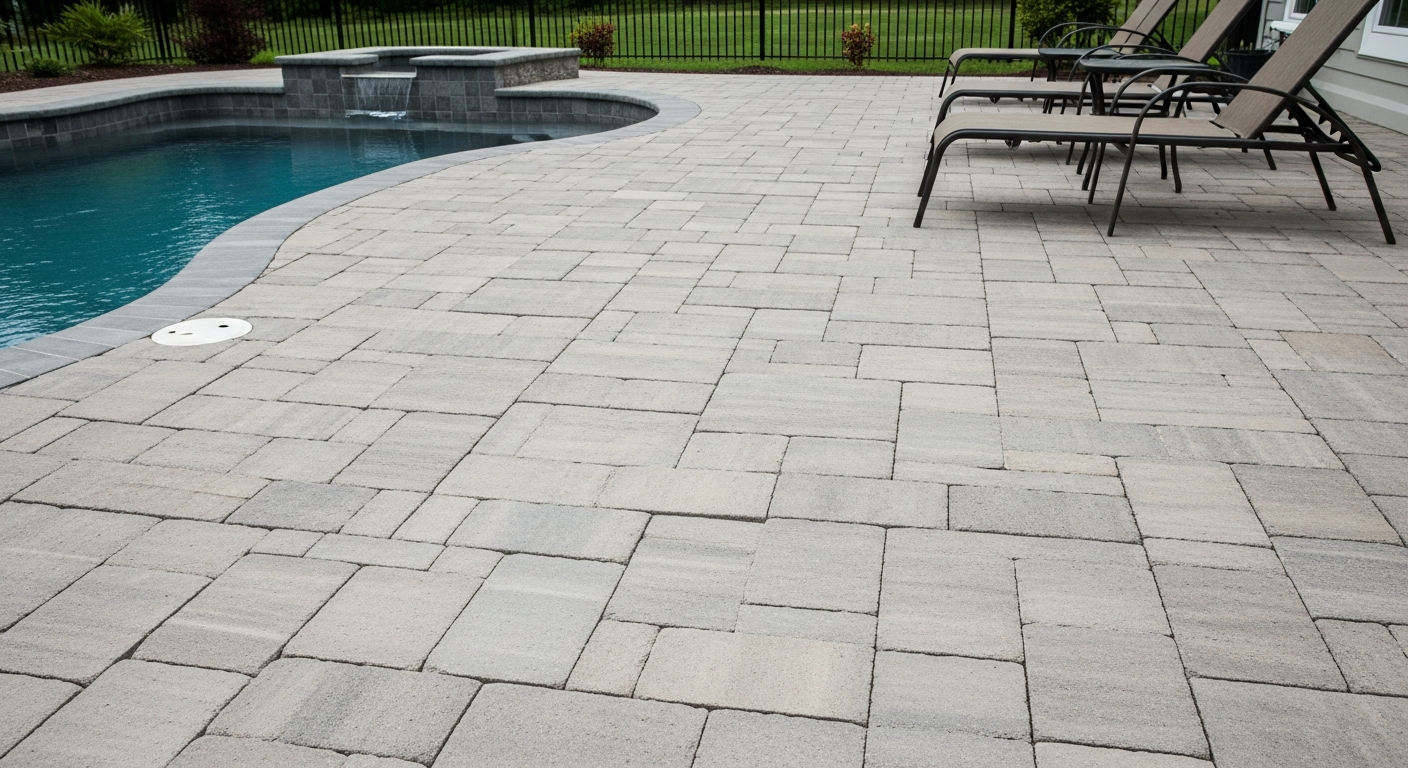
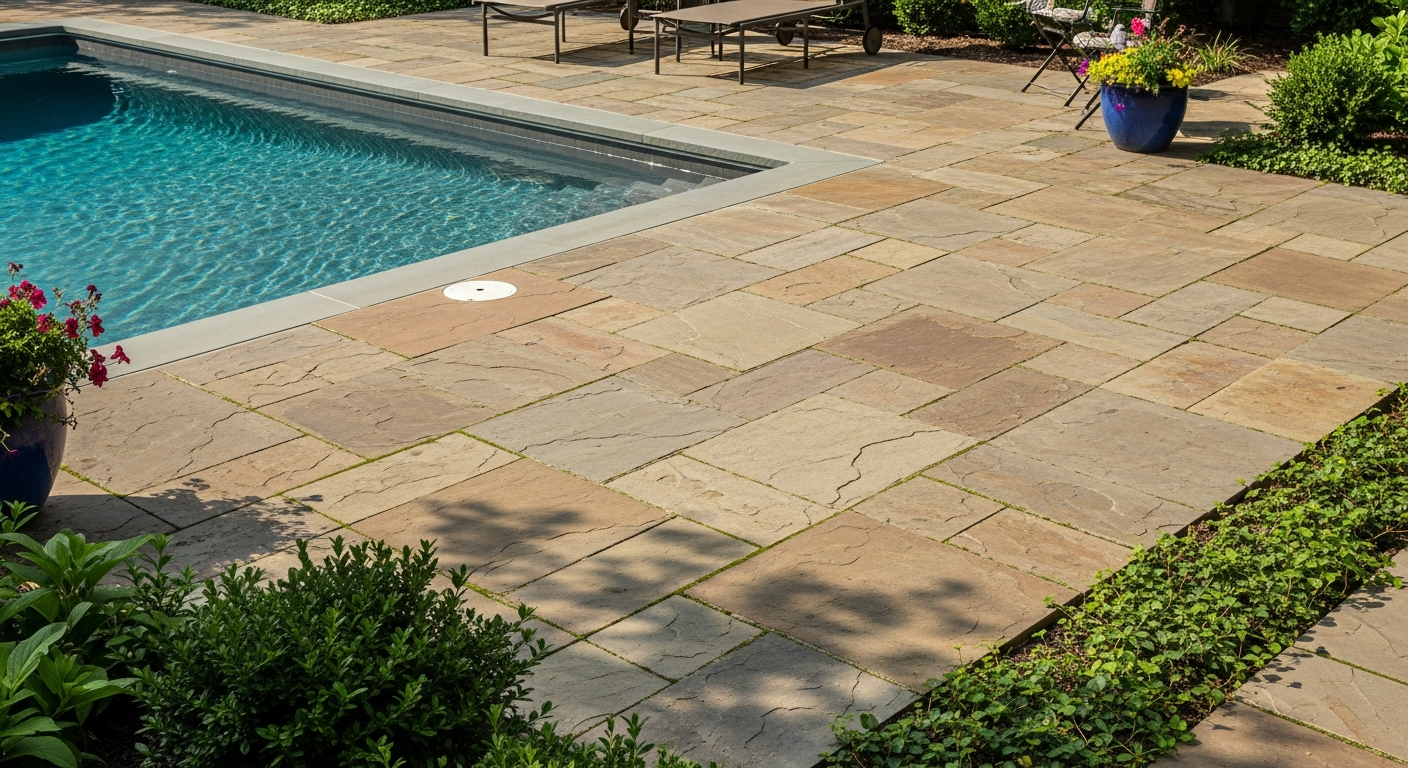
Beyond the base, there are specific adjustments I make for the local context. In many of the newer planned communities in areas like Starkey Ranch, HOA compliance is a major factor. I make it a point to get material and color palettes pre-approved to avoid any issues for the homeowner. For pool decks, which are incredibly common here, I mandate a sealant that includes a non-slip polymer additive. This is a critical safety feature that also provides essential UV protection against the relentless Florida sun, preventing color fade by an estimated 30% over 5 years. Is your contractor calculating the paver base depth based on a specific analysis of your property's drainage and soil profile, or are they just using a standard 4-inch guess?Written by

Tags
backyard pavers cost
cement backyard
outdoor pavers for patio
patio pavers for sale
patio pavers near me
Pavers Backyard in Pasco FL FAQ
My pavers are sinking in one spot right next to my pool. What's causing this?
Sinking pavers next to a pool are almost always caused by a water leak from the pool's underground plumbing or a structural crack in the pool shell. This water erodes the sand and gravel base beneath the pavers, creating a void that causes them to collapse. While poor initial compaction of the base can be a factor, a sudden dip strongly suggests a leak. A leak as small as 3 mm can wash away the sub-base over time. Ignoring this can lead to a much larger, more expensive structural failure of the pool wall or the surrounding deck, as the saturated ground loses its ability to provide support.
Can I just lift the sinking pavers and add more sand underneath to level them?
Adding more sand is a temporary fix that fails to address the root cause, which is likely water erosion from a leak. The new sand will simply wash out again, and the problem will return, often worse than before. The correct approach is to first perform a pressure test on the pool's plumbing lines to pinpoint the leak. Only after the pipe is repaired and the source of water is stopped should the pavers be removed, the base material re-compacted, and the pavers re-laid. Simply adding sand is like putting a bandage on a broken bone; it hides the problem but guarantees future failure.
Are pavers a bad choice for a pool deck? I'm worried about them getting too hot and being slippery.
Pavers are an excellent choice for a pool deck, provided you select the right type and they are installed correctly. Light-colored, high-quality concrete pavers have a higher solar reflectance and stay cooler than dark stone or poured concrete. Many are manufactured with a textured, non-slip surface specifically for pool use. The critical, often overlooked factor is the polymeric sand used in the joints. Using cheap sand or improper installation will lead to it washing out, causing weed growth and paver movement, which are the most common complaints, not issues with the pavers themselves.
I see white, chalky stuff on my pavers near the pool coping. How do I get rid of it?
That white residue is likely efflorescence, which is salt deposits left behind as moisture evaporates from within or beneath the pavers. Around a saltwater pool, this is often exacerbated by splash-out, which introduces high concentrations of salt. While you can clean it with specialized efflorescence removers, the key is to address the moisture source. A hidden leak or poor drainage is often the culprit. A critical, non-obvious cause can be improper sealing of the coping joint, allowing pool water to seep underneath the pavers, creating a persistent moisture problem that constantly fuels the efflorescence cycle.
Weeds and ants are coming up through the joints in my pavers. Is there a permanent solution?
A permanent solution requires removing the existing joint material and replacing it with a high-quality polymeric sand. Weeds and ants thrive when the original sand has washed or broken down, creating a perfect environment for them. Simply spraying weed killer is a temporary fix. For a lasting repair, the joints must be completely cleaned out, and then a new, water-activated polymeric sand must be swept in, compacted, and properly cured. This hardens into a durable, flexible mortar that forms a physical barrier, effectively locking out both weeds and insects for years.
If I need a major pool repair, will my entire paver deck have to be ripped out?
No, one of the primary advantages of a paver deck is that it does not require complete demolition for underground repairs. A skilled technician can carefully lift only the specific pavers needed to access the leaking pipe or damaged area. After the repair is complete, the original base is regraded, and the same pavers are reinstalled, leaving little to no evidence of the work. This is a significant cost and time advantage over a poured concrete deck, where a repair requires saw-cutting the concrete, resulting in unsightly patch marks that never perfectly match the original slab.