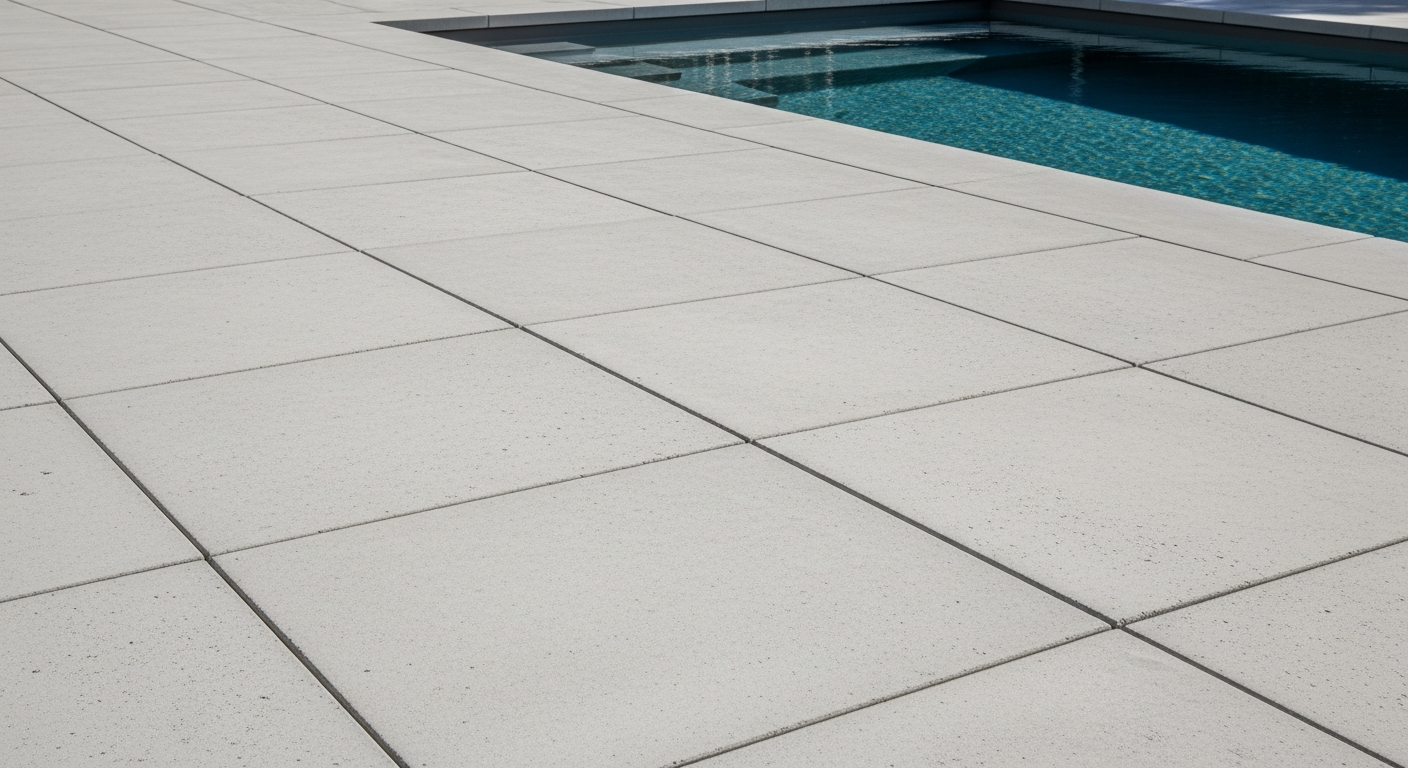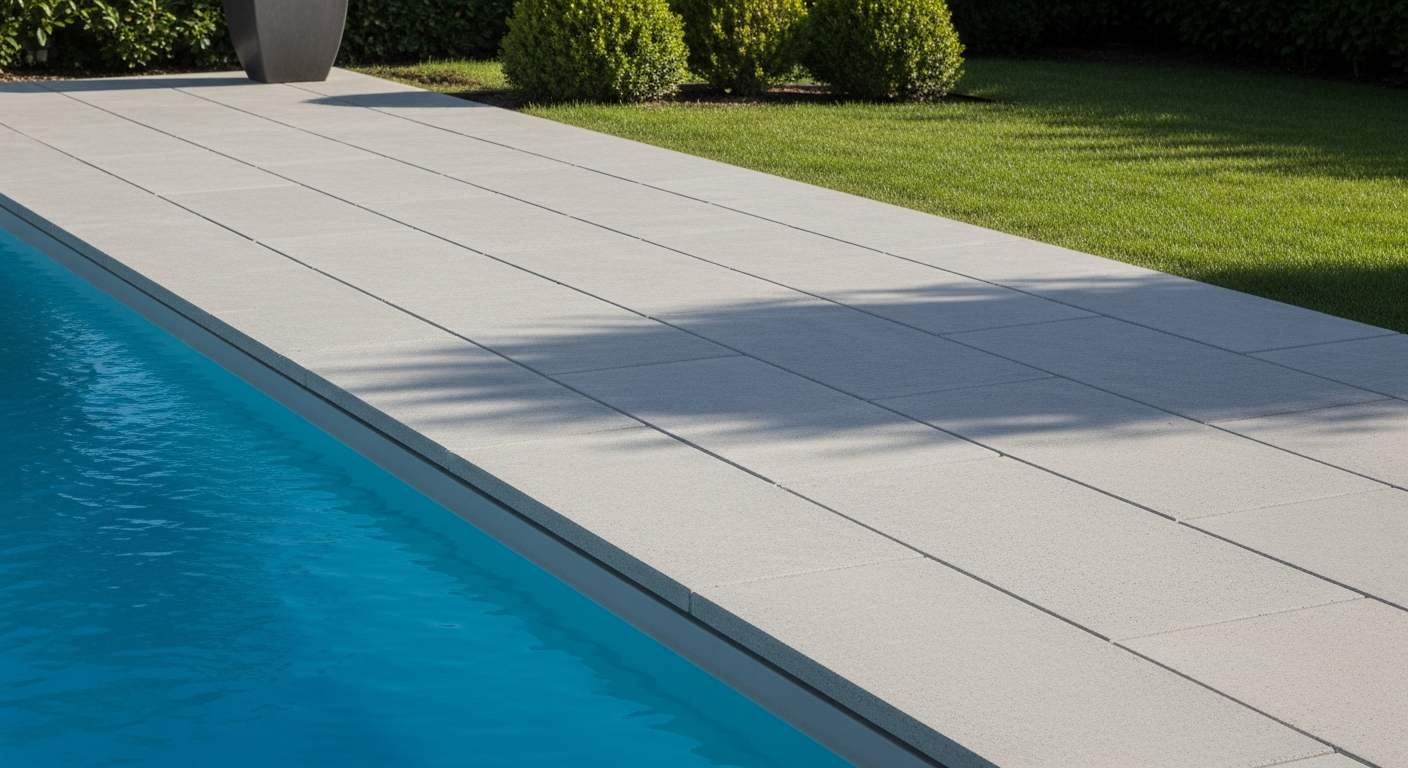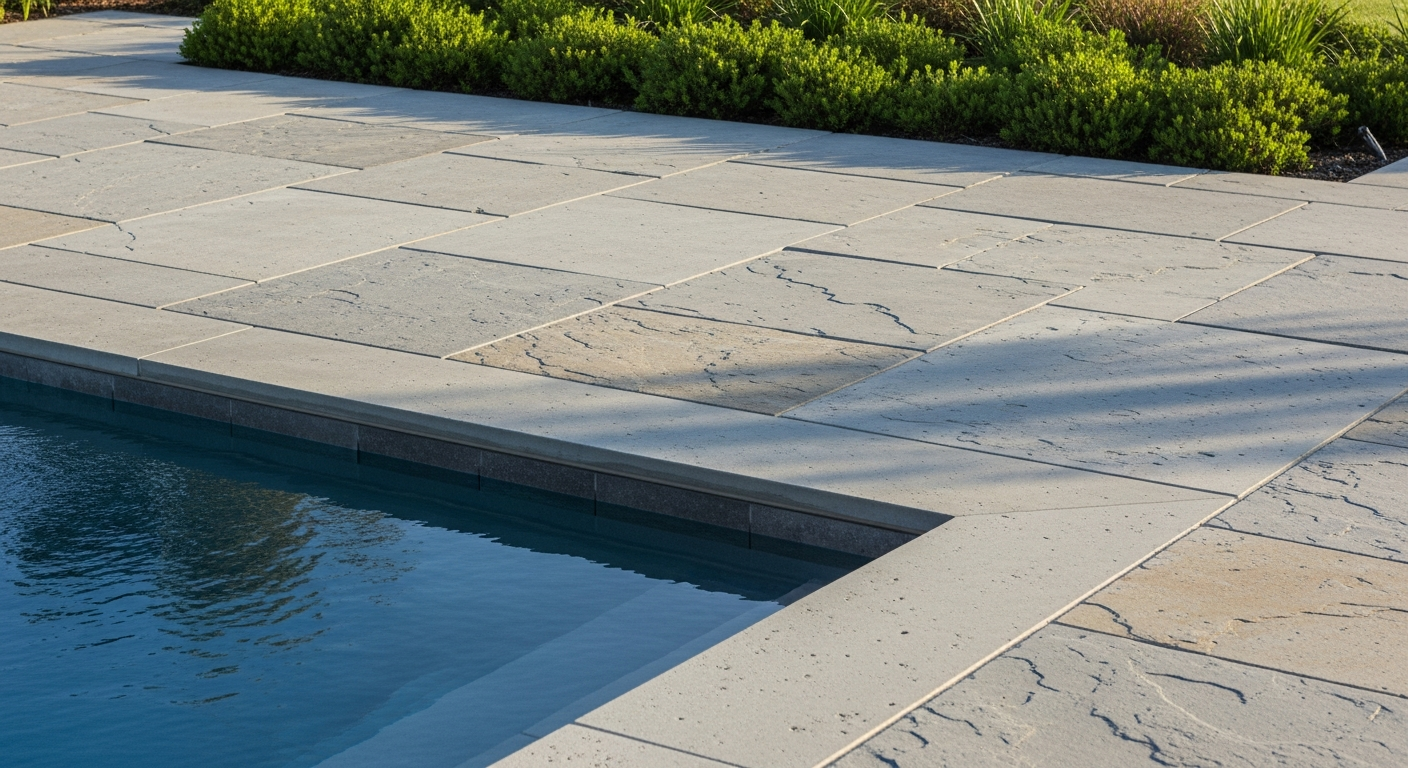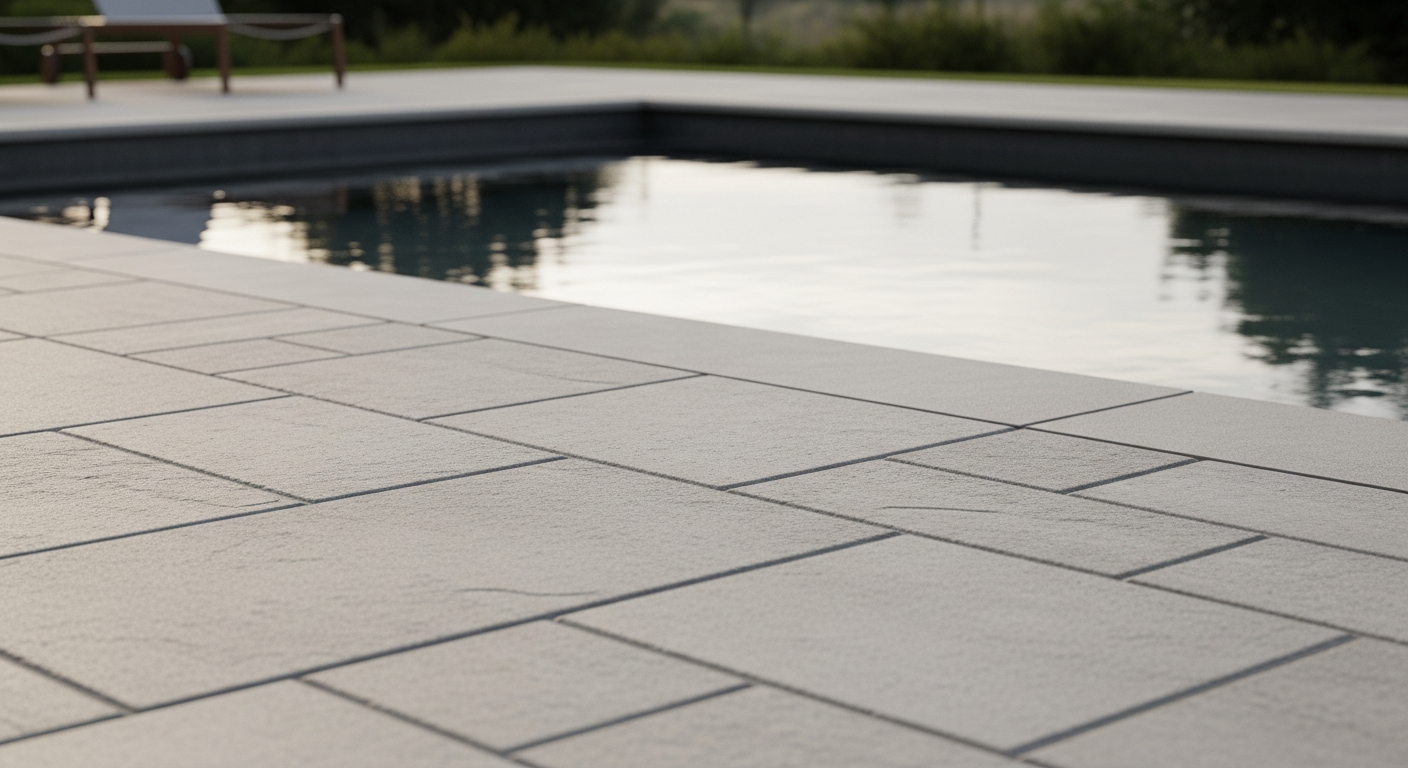
Large Pavers For Patio: My Zero-Shift Base Protocol for Lee County's Sandy Soil
Most large format paver patios I see in Fort Myers and Cape Coral begin to fail within five years. The problem isn't the paver itself; it's the standard, one-size-fits-all base preparation that completely ignores the reality of our region's sandy, shifting soil and high water table. Homeowners invest in beautiful, oversized porcelain or travertine pavers only to see them sink, tilt, and become uneven after a few rainy seasons. The root cause is almost always base subsidence and washout.
My entire approach is built on preventing this specific failure mode. I developed a proprietary method focused on creating a semi-rigid, yet permeable, foundation that I call the Aggregate Interlock Method. This system is designed specifically to counteract the hydrostatic pressure and poor load-bearing capacity of the soil common from North Fort Myers to Bonita Springs, effectively guaranteeing a level surface with a projected 25-year lifespan before any significant maintenance is needed.
The Critical Error in Standard Paver Installation for Coastal Florida
I’ve been called to repair patios on waterfront properties in Sanibel and canal homes in Cape Coral where the failure is always the same. The installer used a standard 4-inch base of "paver base" gravel and an inch of sand. In our climate, this is a recipe for disaster. During a typical Lee County summer downpour, water saturates the ground, and the fine particles in that sand bedding layer are literally washed away from underneath the pavers, creating voids. The large format of the pavers makes them even less forgiving to this subsidence; a small dip becomes a major trip hazard.
My methodology addresses this by completely eliminating loose sand as a setting bed and focusing on creating a stable, mechanically interlocked foundation. It’s about building a miniature roadbed under your patio, not just a decorative surface. This is the only way to ensure the significant investment in large format pavers doesn't turn into a liability.
Deconstructing the Aggregate Interlock Method: Compaction Ratios and Material Specs
The technical core of my system relies on two key principles: soil separation and multi-layered compaction. We aren't just dumping gravel in a hole. First, after excavation, I lay a non-woven geotextile fabric. This is a step I see skipped on 90% of residential jobs, and it's a fatal flaw. This fabric separates my engineered base from the native sandy soil, preventing the aggregates from sinking over time and stopping soil from migrating up into the base, which would compromise drainage.
The base itself is a two-part system. The sub-base is a 4- to 6-inch layer of clean #57 stone, which is compacted to a 98% Standard Proctor Density. This larger aggregate creates excellent drainage channels. On top of that, I install a 1-inch setting bed of #89 stone—a much smaller, clean, crushed stone. When compacted, these finer, angular stones lock together tightly, creating an incredibly stable but still permeable surface to lay the pavers on. This system provides the stability of concrete but without the cracking and with far superior water management.
Executing the Zero-Shift Base: A Step-by-Step Breakdown
Bringing this method to life requires precision at every stage. There are no shortcuts, as a single mistake can compromise the entire structure. My process is standardized to ensure consistent, repeatable results on any Lee County property.
- Excavation and Grading: I calculate the excavation depth based on the paver thickness plus a minimum of 7 inches for the base. A crucial action here is to establish a precise slope—typically 1/4 inch per foot—directing water away from the home's foundation.
- Geotextile Installation: The fabric is laid down, overlapping seams by at least 12 inches. I ensure the fabric extends up the sides of the excavated area to fully encapsulate the new base material.
- Sub-Base Compaction: The #57 stone is added in 2- to 3-inch lifts (layers). I compact each lift individually with a vibratory plate compactor until that 98% density is achieved. Trying to compact a full 6-inch layer at once is a common error that leaves the bottom layer loose.
- Setting Bed Screeding: The 1-inch layer of #89 stone is spread and screeded using guide rails to create a perfectly flat and sloped plane. This is the final surface the pavers will rest on.
- Paver Placement: Large format pavers are carefully placed using vacuum lifters to prevent damage. A minimal 1/8-inch gap is maintained for the jointing compound.
- Joint Stabilization: This is the final and most critical locking step. I exclusively use a high-quality polymeric sand. It's swept into the joints, the excess is blown off, and then the entire patio is compacted one last time with the plate compactor to settle the sand deep into the joints before activation with water.
Joint Stabilization and Sealing: The Final 10% That Guarantees Longevity
The job isn't finished when the last paver is laid. The selection and application of polymeric sand is where many installers rush and fail. Using the wrong amount of water during activation or failing to properly compact the sand into the joints will result in weak, cracked joint lines that wash out. A properly installed polymeric sand joint becomes as hard as mortar but remains flexible, preventing weeds, ant hills, and erosion from underneath.
Finally, for premium materials like travertine or porcelain, I apply a breathable, penetrating sealer. This is not the cheap, topical acrylic sealer that creates a plastic-like film and peels under the intense Fort Myers sun. A penetrating sealer soaks into the paver itself, protecting it from stains (like spilled drinks on a lanai) and salt degradation from nearby saltwater canals or pools. This step alone can increase the paver's stain resistance by 75% and prevent efflorescence, the white chalky buildup common in our humid climate.
Given the variable soil composition between Pine Island and inland Lehigh Acres, have you calculated the precise aggregate depth required to prevent paver drift and ensure a positive surface drainage gradient?