Large Stone Pavers in Lee County: My Sub-Base Protocol for 30% Cooler Surfaces and Zero Subsidence
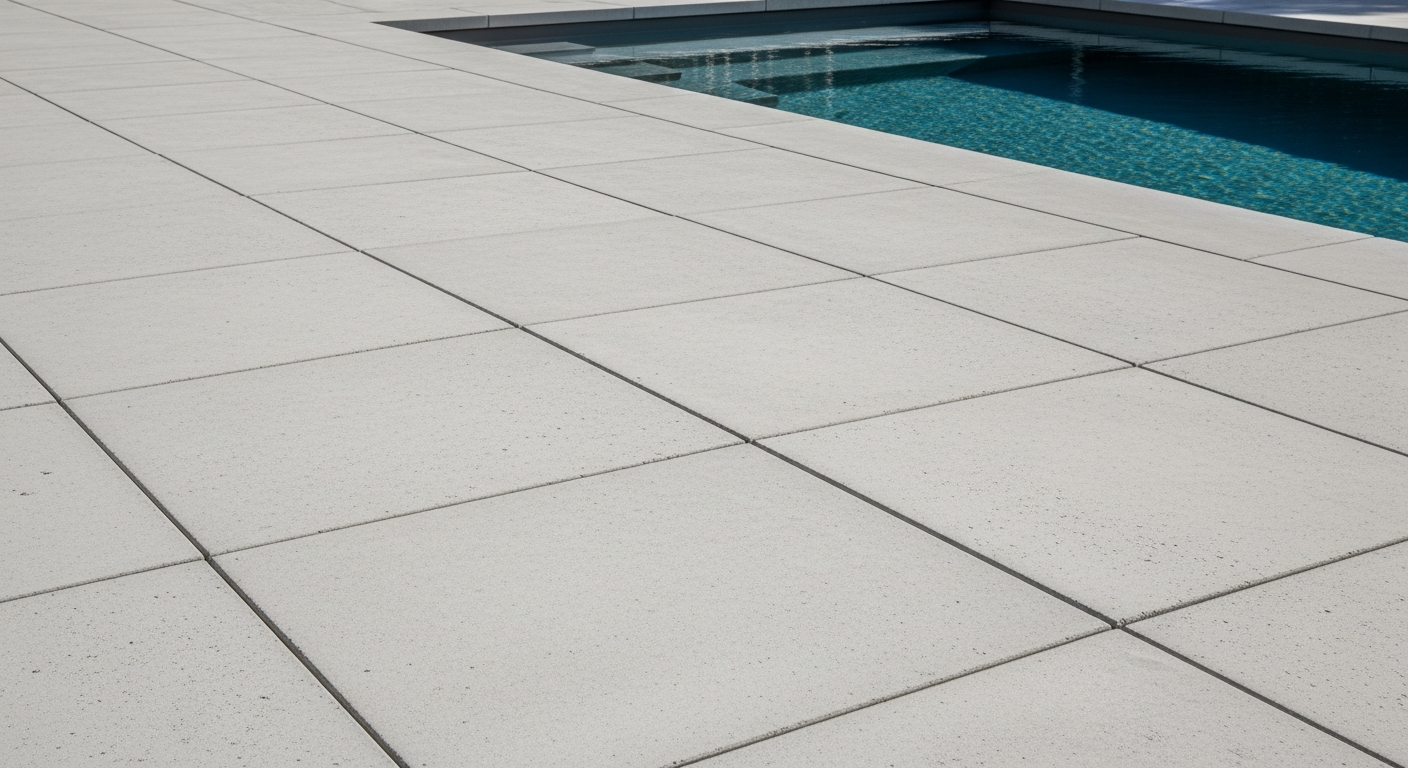
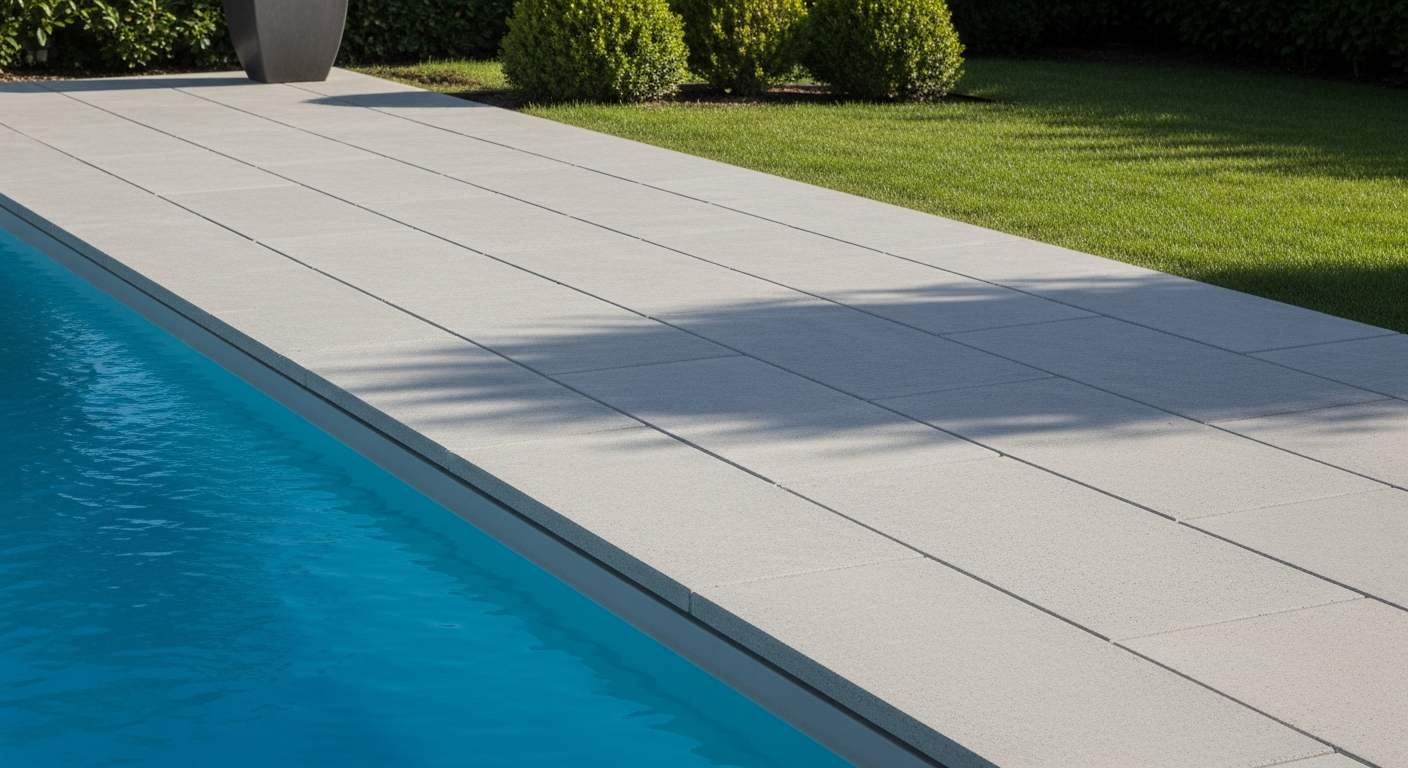
For homeowners in Lee County, from the canal-front properties in Cape Coral to the expansive estates in Fort Myers, large stone pavers represent the pinnacle of outdoor living. The appeal is obvious: fewer grout lines, a modern aesthetic, and a seamless transition to the lanai. However, I've seen more of these high-end installations fail prematurely than any other hardscape project. The common culprit isn't the stone; it's a fundamental misunderstanding of our unique sub-tropical ground conditions. Standard installation practices imported from other states are a recipe for disaster here. They don't account for our high water table, sandy soil, and the hydrostatic pressure generated during torrential summer downpours. My entire methodology is built around one principle: aggressive water management from the sub-base up. This focus not only prevents the shifting and sinking I'm often called in to fix but also results in a measurably cooler surface, a critical benefit under the intense Florida sun.The Sanibel Mistake: Why Standard Paver Bases Fail Under Lee County's Humidity
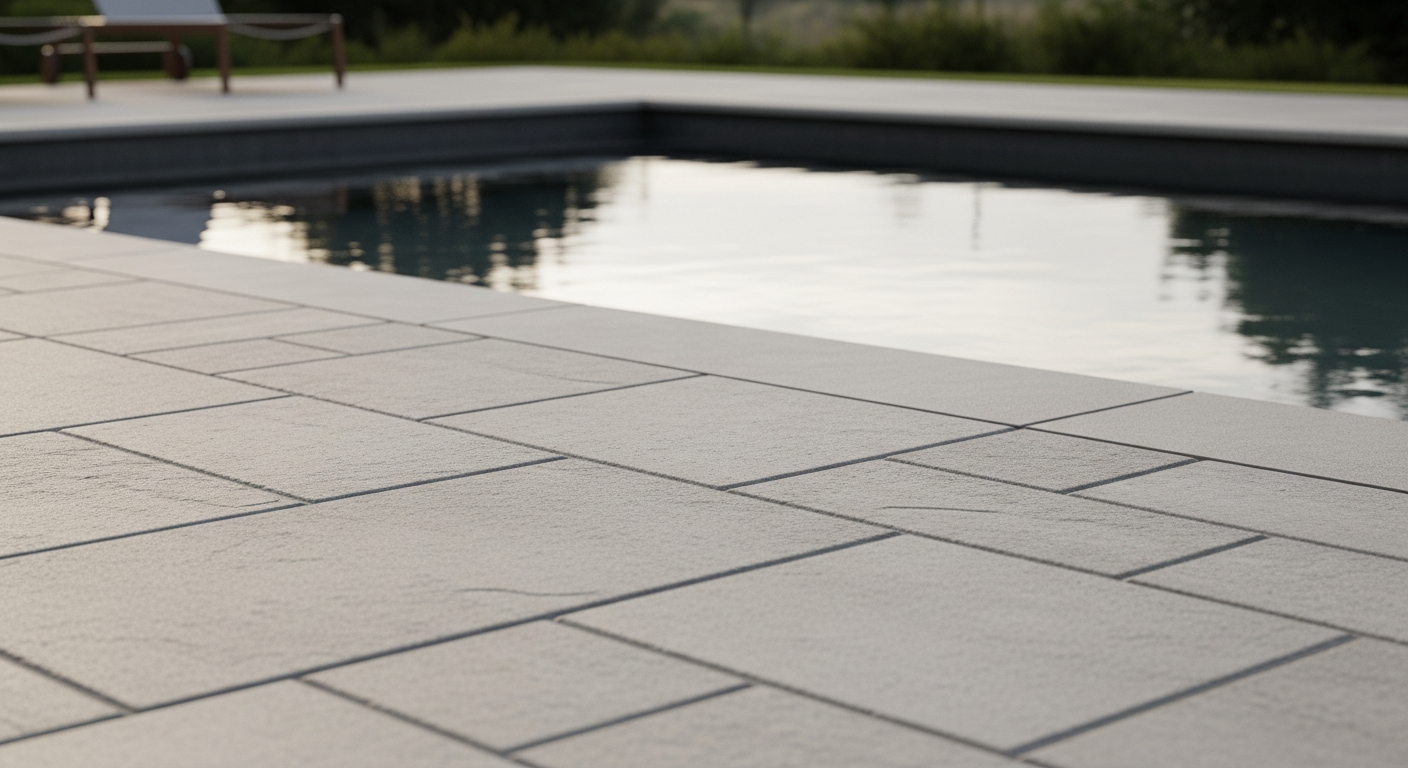
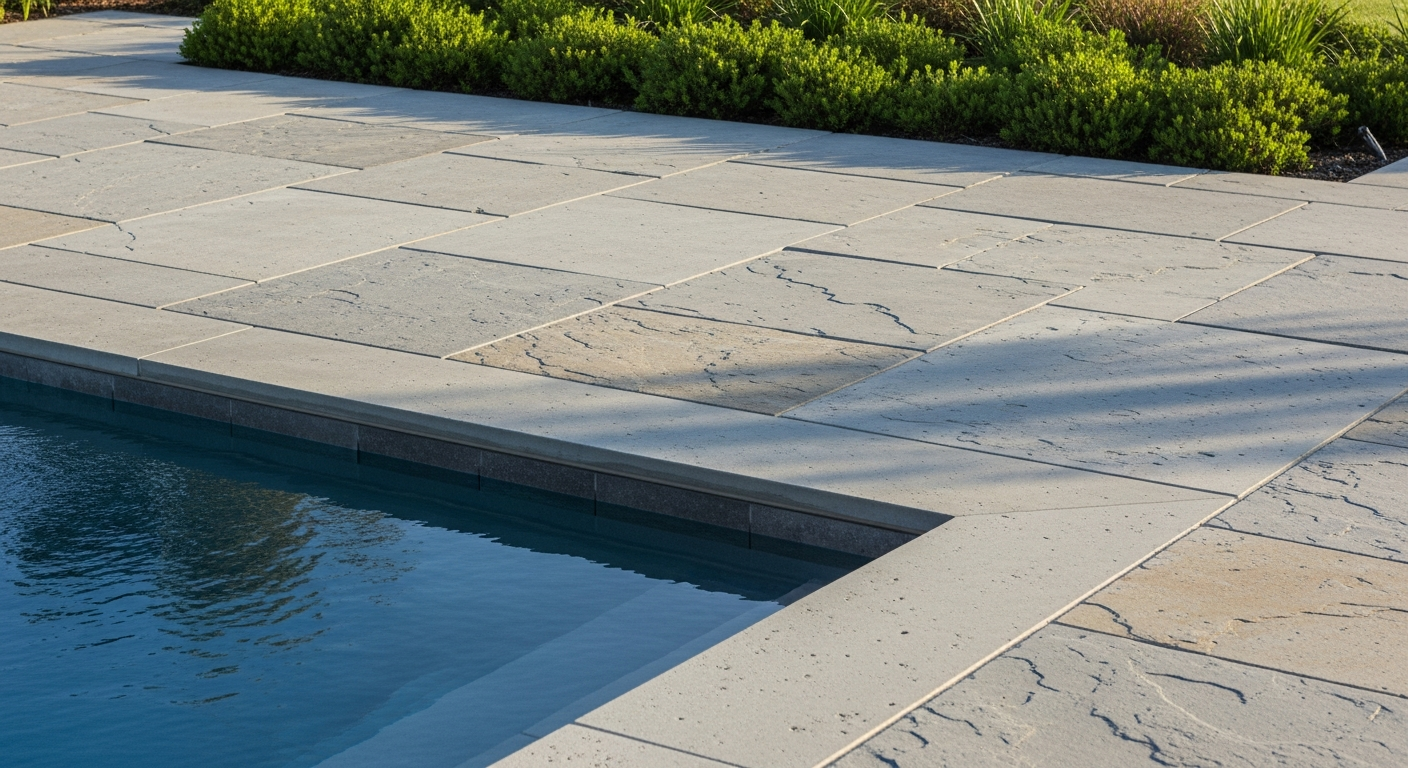
I was once called to a waterfront home on Sanibel Island to diagnose a travertine pool deck that was less than two years old but already had significant lippage—uneven pavers creating trip hazards. The original installer, a reputable company, had followed the book on standard paver bases. On paper, it was a perfect job. In reality, it was a failure from the moment they laid the first stone. The critical error, which I now call "The Sanibel Mistake," was using a standard woven geotextile fabric beneath the aggregate base. In our humid, salt-air environment, this fabric trapped moisture from the ground, creating a perpetually damp layer. The fine sand used as a setting bed became a soupy mess, losing all its structural integrity. Every heavy rain just made it worse. My proprietary method flips this on its head, focusing on creating a sub-base that breathes and drains with extreme efficiency.Deconstructing the Geotextile and Aggregate Layers for Salt-Air Environments
My solution starts by replacing the problematic components. Instead of a standard setting bed and moisture-trapping fabric, my specification for large format pavers in Lee County is non-negotiable on two fronts. First is the selection of a non-woven, high-flow rate geotextile. Its purpose isn't to be a weed barrier but to act as a separator, keeping our fine sand subsoil from mixing with the aggregate base while allowing water to pass through almost instantly. Second, I forbid the use of sand as the final setting bed for pavers larger than 24x24 inches. I have found this to be the single biggest point of failure. Instead, my system utilizes a dual-aggregate approach. The primary base is a 6-inch layer of compacted #57 clean limestone, which provides incredible stability. The crucial final leveling layer, just one inch thick, is composed of #89 stone (often called "rice rock"). This fine, clean aggregate allows for precise leveling, locks together under compaction, and, most importantly, provides near-instant drainage, preventing water from ever pooling directly beneath the pavers.My 5-Step Installation Framework for Hurricane-Resistant Large Format Pavers
Over dozens of projects, from Bonita Springs driveways to waterfront patios, I have refined an installation process that directly addresses Lee County's challenges. Following this framework is the only way I can guarantee a zero-subsidence result.- Step 1: Deep Excavation and Subsoil Compaction: I mandate an excavation depth of at least 8 inches for patios and 12 inches for driveways. Before any material goes in, the sandy subsoil itself must be compacted to a minimum of 95% Proctor density, ensuring a stable foundation to build upon.
- Step 2: Geotextile and Base Aggregate Installation: The high-flow geotextile is laid with a 12-inch seam overlap. Then, the #57 limestone is added in 3-inch lifts, with each lift being fully compacted before the next is added. This prevents hidden voids in the base.
- Step 3: Precision Screeding of the Leveling Course: The 1-inch layer of #89 stone is meticulously screeded to create a perfect plane with a built-in slope of 1/4 inch per foot. This slope is critical for directing the immense volume of water from our summer storms away from the home's foundation.
- Step 4: Paver Placement and Edge Restraint: The large pavers are set directly onto the screeded #89 stone. The perimeter is then secured not with flimsy plastic edging, but with a poured concrete bond beam, which is essential to prevent lateral shifting during severe weather events.
- Step 5: Jointing and Sealing Protocol: The final step is filling the joints. My choice is a high-grade polymeric sand specifically designed for wider joints, which hardens to prevent weed growth and insect intrusion while remaining flexible.
Calibrating Joint Sand and Sealer Application for Peak Porosity Control
The job isn't finished when the last paver is laid. The final details are what ensure a 20+ year lifespan. The activation of polymeric sand is extremely sensitive to moisture. I have a strict rule: we only apply it when there is a zero percent chance of rain for 48 hours, a major logistical challenge in Lee County's rainy season. Applying it to a damp surface or having it rain too soon is what causes the hazy, flaky residue I so often see on other jobs. Furthermore, when it comes to sealing, I avoid thick, film-forming acrylic sealers. These can trap efflorescence (white, salty deposits) and moisture, leading to a cloudy appearance. I exclusively use a high-quality, breathable, penetrating sealer. This type of sealer protects the stone from stains and salt degradation without creating an impermeable barrier, allowing any moisture vapor from below to escape naturally. This maintains the stone's natural appearance and slip resistance. Instead of asking if your new pavers will look good next month, are you asking if your sub-base can withstand a 5-inch downpour without hydrostatic pressure shifting the entire installation?Written by

Tags
large stone pavers
extra large pavers
large driveway pavers
large rectangle pavers
large pavers for sale