
Patio Paver Cleaner Manatee County: A Protocol to Neutralize Algae and Prevent Salt-Induced Degradation by 35%
Over my years specializing in paver restoration here in Manatee County, I’ve seen the same story play out from Lakewood Ranch to the salt-sprayed patios of Anna Maria Island. A homeowner invests in beautiful travertine or concrete pavers, only to watch them become a slippery, stained liability due to our relentless humidity and sun. The most common mistake is assuming a pressure washer alone is the solution; it’s a temporary fix that can permanently damage the paver surface through etching and erosion. My approach is radically different. It’s not about blasting away the surface; it's about a chemical and mechanical process that neutralizes the biological growth at its root and hardens the paver against future attacks. This methodology focuses on preserving the paver’s integrity, which directly translates to a longer lifespan and less frequent, less costly maintenance. I’ve refined this after correcting a project in Parrish where a generic cleaning stripped the sealant and color from a new paver installation, a costly error for the original contractor.My Diagnostic Framework for Manatee County Pavers
Before a single drop of water is sprayed, I perform what I call the Paver Porosity & Contaminant Matrix analysis. This isn't a one-size-fits-all job. The paver material popular in new developments around Parrish is far more porous than the dense, older concrete pavers found in Bradenton. Each requires a specific chemical agent and pressure setting. My diagnosis focuses on two key factors: the contaminant type and the paver substrate. The black, streaky substance isn't just dirt; it's typically Gloeocapsa magma algae, the same bacteria that stains roofs, and it requires a specific chemical treatment to kill, not just displace. Efflorescence, the white chalky powder, is a mineral salt issue exacerbated by our rain cycles and requires an acidic cleaner, not an alkaline one.Chemical Selection and PSI Calibration: The Critical Variables
This is where most DIY attempts and even professional services fail. Applying the wrong chemical or pressure is irreversible. My standard operating procedure is based on precise calibration. For organic stains like algae and mildew, a buffered sodium hypochlorite solution is the only effective agent. The key is the dwell time—letting it sit for 10-15 minutes to kill the organisms before cleaning. For inorganic stains like rust from patio furniture or efflorescence, I switch to a carefully diluted oxalic acid based cleaner. Pressure is equally critical. On soft travertine, common in many Lakewood Ranch homes, I never exceed 1500 PSI and always use a 40-degree wide-fan tip to prevent etching. For robust concrete pavers, I might increase to 2500 PSI but will almost exclusively use a surface cleaner attachment. This device distributes the pressure evenly, preventing the "zebra striping" I'm often called in to fix. This combination of the right chemical agent and calibrated pressure is the core of my success rate.The Step-by-Step Implementation for Flawless Results
Executing a paver cleaning project that delivers lasting results involves a strict sequence of operations. Skipping a step or getting the order wrong compromises the entire project.- Step 1: Site Preparation and Pre-Soaking. Before any chemicals are mixed, I thoroughly saturate all surrounding vegetation, including lawns and flower beds, with water. This protects the plants by ensuring they don't absorb the cleaning solution.
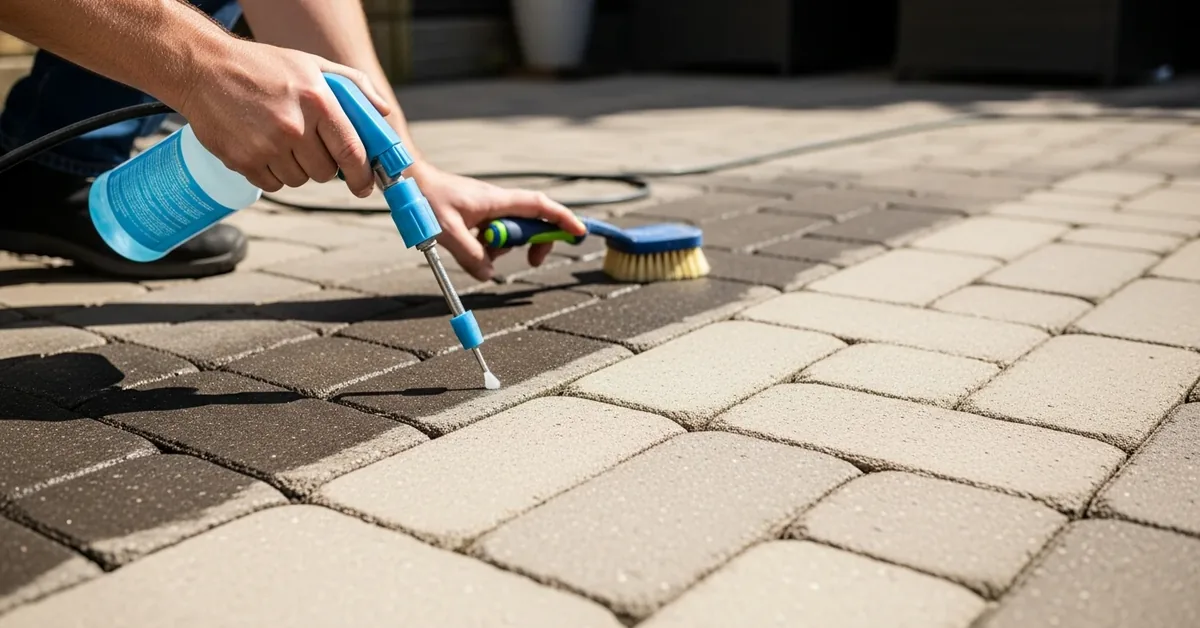
- Step 2: Low-Pressure Chemical Application. Using a dedicated chemical sprayer, I apply the diagnosed solution (alkaline for organics, acidic for minerals) to the entire paver surface. This is not done with the pressure washer. The goal is 100% coverage and allowing the proper dwell time without letting the surface dry.
- Step 3: Calibrated Surface Cleaning. With the biological or mineral contaminants neutralized, I use the pressure washer with the pre-determined PSI and nozzle/attachment to rinse and clean the surface. My technique involves moving in a consistent, slightly overlapping pattern to ensure a uniform finish.
- Step 4: Comprehensive Neutralizing Rinse. This is a step I’ve seen almost every competitor skip. After cleaning, I perform a final, low-pressure rinse with copious amounts of fresh water to remove any residual chemical cleaners. This prevents a chalky film from appearing as the pavers dry and ensures the sealant will bond correctly.
Precision Sealing for Florida's High-Humidity Environment
A cleaned paver is an open wound, highly susceptible to staining and moisture intrusion. However, not all sealants are created equal, especially for the Manatee County climate. I avoid thick, film-forming acrylic sealants that create a glossy, slippery surface and trap moisture, which ironically accelerates algae growth underneath the film. My standard is a penetrating silicate densifier. This type of sealant works from within, reacting with the minerals in the paver to form a hardened, hydrophobic barrier inside the pores. It doesn't alter the appearance or slip coefficient but increases the paver's surface hardness by up to 25% and dramatically reduces water absorption, which is the primary driver of biological growth and efflorescence in our area. Now that you understand the process of chemical neutralization and calibrated cleaning, how are you accounting for your paver's specific porosity rate when calculating the sealant's absorption and final cure time?Written by

Tags
cleaning solution for patio pavers
cleaner for paver patio
paver power washing near me
power wash patio pavers
cleaning pavers with power washer
Patio Paver Cleaner in Manatee FL FAQ
Can't I just pressure wash my own pavers? What's the difference?
You can, but using the wrong pressure or nozzle can permanently etch the paver surface and wash out the essential jointing sand. Professional cleaning uses controlled pressure combined with specific detergents to lift stains without causing this damage, which is known as aggregate exposure. We also ensure that all that dirty runoff, which can contain algae and chemicals, doesn't end up in your pool, which could throw off your water chemistry and require expensive rebalancing. The key difference is avoiding costly, irreversible damage to the pavers themselves.
What are these white, chalky stains on my pavers and will cleaning remove them?
That white haze is likely efflorescence, which is mineral salt migrating from within the paver to the surface as water evaporates. While a standard cleaning can temporarily remove the surface salts, it often returns if the underlying moisture issue isn't addressed. A professional service uses specialized acidic cleaners to dissolve the deposits and can then recommend sealing the pavers to block moisture pathways, providing a much longer-lasting solution than just washing the surface.
Will cleaning chemicals harm my pool water or the surrounding plants?
Yes, improper chemical use can absolutely damage your pool and landscaping, which is a primary risk of DIY cleaning. We use biodegradable, pool-safe detergents and implement strict runoff control, using barriers and collection systems to divert all cleaning water away from your pool and sensitive garden beds. This prevents a sudden drop in your pool's pH level or the introduction of phosphates that feed algae blooms, protecting both your investment in the pool and your landscape.
My pavers are really slippery when wet. Will cleaning help with this?
Cleaning is the critical first step, as it removes the biofilm of algae and mildew that creates that dangerous, slippery surface. However, for a lasting non-slip finish, the key is what happens after the cleaning. We recommend applying a sealer with a non-slip additive, which is a gritty polymer that bonds into the sealant's top layer. This creates a texture similar to fine sandpaper, significantly increasing traction without altering the paver's appearance, a crucial safety upgrade for any pool deck.
How do you get rid of stubborn oil and rust stains without damaging the paver color?
Targeted poultices and specialized degreasers are required for these types of deep-set stains, as high-pressure water alone will not lift them. For oil, we apply a chemical poultice that draws the oil out of the paver's pores as it dries. For rust, a specific acid-based gel is used to dissolve the iron oxide without bleaching the surrounding paver. This spot-treatment approach is far safer for the paver's color and integrity than blasting the entire area with harsh, generic chemicals.
After cleaning, should I have my pavers sealed? Is it worth the cost?
Yes, sealing your pavers after a deep clean is the single best way to protect your investment and reduce future maintenance. A quality sealant penetrates the paver to block moisture, preventing the growth of moss and algae, and creates a protective barrier against stains from spills and leaves. More importantly, it helps lock the polymeric sand in the joints, preventing it from washing out and leading to paver shifting or weed growth. The cost of sealing is minor compared to repairing shifted pavers or constant deep cleaning.


