
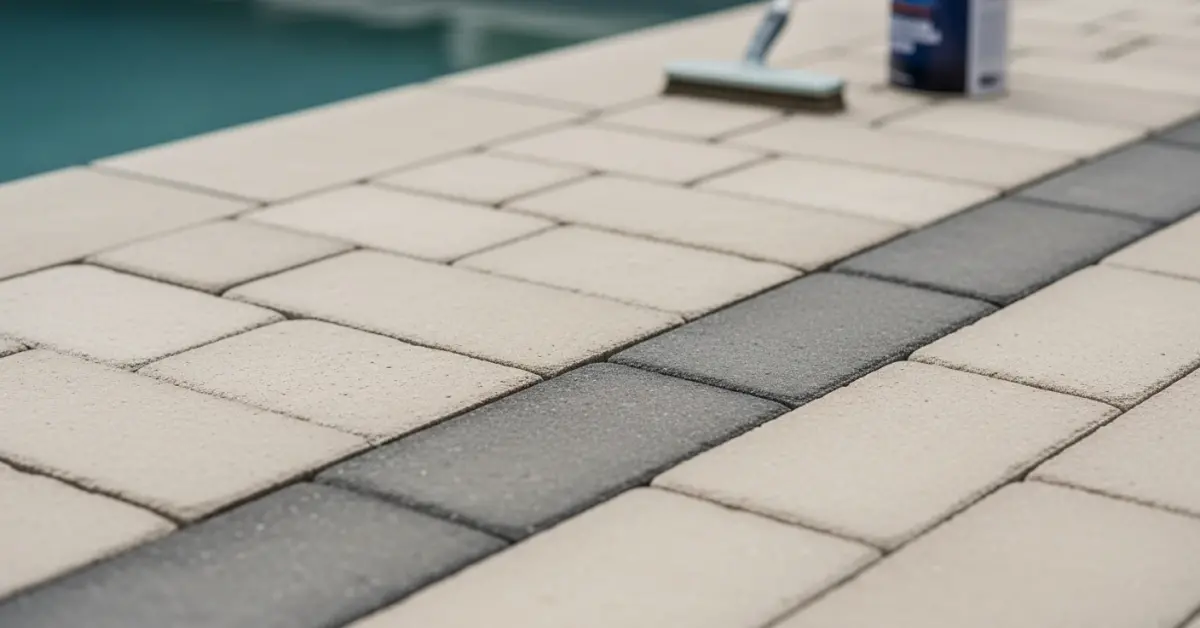
Patio Paver Restoration in Lake County: A Proprietary Method for Preventing Algae Infiltration and UV Color Fade
My experience restoring paver patios across Lake County, from the historic homes in Mount Dora to the sprawling newer developments in Clermont, has shown me one undeniable truth: our subtropical climate is the ultimate stress test. Standard restoration methods fail within a year due to the intense humidity and punishing UV radiation. I've developed a specialized approach that addresses these local challenges head-on, focusing on creating a sealed, stabilized surface that resists the persistent green and black algae growth and preserves the paver color for a projected 3-5 years. The core of my system isn't just cleaning and sealing; it’s about transforming the paver joints from a liability into a defensive barrier. The most common failure I see is improperly installed or degraded joint sand, which becomes a breeding ground for weeds and algae. By using a high-grade polymeric sand and a specific application technique, I create a flexible, impermeable grout line that locks pavers together and denies moisture a place to sit, directly increasing the patio's structural integrity and aesthetic lifespan by at least 50%.My Diagnostic Protocol for Lake County Pavers
Before a single drop of water is sprayed, I perform a mandatory 3-point diagnostic. This is a non-negotiable step I implemented after an early career mistake on a Tavares property, where I sealed over latent efflorescence, causing a cloudy, white haze that was a nightmare to strip. My protocol prevents such costly errors. First, I assess joint integrity. Are the joints filled with organic dirt and weeds, or is the old sand simply washed out? This dictates the level of cleaning required. Second, I test for moisture and drainage. Patios that don't slope correctly away from the foundation are a huge problem in our rainy season. This can cause pavers to sink and retain moisture, which promotes algae. Third, I analyze the paver surface for efflorescence—a crystalline salt deposit—versus embedded algae. They look similar to the untrained eye, but require completely different treatments.Beyond the Surface: Efflorescence vs. Algae and Sealant Chemistry
Here’s the technical detail that separates a professional job from a temporary fix. Efflorescence is a mineral salt issue, pushed out from within the paver by water. Treating it with a high-pressure wash alone can actually make it worse. I use a specific, low-PSI wash combined with an efflorescence remover that neutralizes the salts. In contrast, the stubborn black algae common around pools in The Villages area is biological and requires a targeted biocide application prior to the main cleaning. Choosing the right sealant is the next critical step. For areas with intense sun exposure, I’ve found that a high-solids, UV-resistant acrylic-based sealant offers far superior color retention compared to standard water-based options, which tend to break down under the Florida sun in under 18 months. The acrylic creates a protective film that enhances color and provides a robust barrier against moisture and stains.The 4-Stage Restoration Framework for Lasting Results
My restoration process is methodical and designed for the unique environmental pressures of Lake County. Every step is critical for achieving a durable, long-lasting finish.- Stage 1: Surface Decontamination and Preparation. This begins with a pre-treatment for any biological growth. I then use a commercial-grade surface cleaner at a precisely calibrated pressure, typically no more than 2,500 PSI, to avoid etching the pavers. The goal is to remove all grime, old sand, and organic matter from the joints without damaging the paver face.
- Stage 2: Joint Resanding with Polymeric Sand. This is the most crucial phase. After the patio is completely dry—and I mean bone dry, a minimum of 24 hours of sun—I meticulously sweep the polymeric sand into the joints. I use a plate compactor to vibrate the sand deep into the joints, ensuring there are no air pockets. This compaction step is what most DIY attempts miss, and it’s the key to preventing joint failure.
- Stage 3: Sand Activation and Curing. I use a very specific misting technique to activate the polymers in the sand, turning it into a firm, flexible joint. Too much water will wash the polymer away; too little will result in a weak bond. The patio must then remain completely dry for a 24 to 48-hour curing period.
- Stage 4: Application of Protective Sealant. The final step is applying two even coats of the chosen sealant with a professional-grade sprayer. The first coat penetrates the paver, and the second coat builds the protective surface film. Proper application prevents blotchiness and ensures a uniform finish that locks in the sand and protects the paver.
Calibrating the Final Seal: A Lake County-Specific Approach
Applying sealant in Florida's humidity requires precision. I never seal if the ground temperature is above 90°F or if rain is in the forecast within 12 hours. A common error I see is applying sealant too thickly, which traps moisture and creates a cloudy "blushing" effect. My technique involves two thin, sprayed coats applied in opposite directions. This ensures complete coverage without oversaturation. For patios with both shaded and full-sun areas, I may even adjust the sealant mixture slightly to account for the different curing rates and UV exposure, ensuring a consistent and durable finish across the entire surface. This level of detail is what ensures the restoration holds up to our demanding climate. Given the high water table in many parts of Lake County, have you considered how hydrostatic pressure might be impacting the long-term stability of your paver joints from below?Written by

Tags
paver patio restoration cost
paving stone repair
refinishing paver patio
paver patio restoration near me
paver patio cleaning and sealing near me
Patio Paver Restoration in Lake FL FAQ
My pavers are sinking in spots. Does this mean I have a serious leak from my pool plumbing?
Sunken pavers often indicate a washout of the base material, which can be caused by a plumbing leak or simply poor drainage. A leak as small as 3 mm can displace a significant amount of the sand and gravel base over time, creating voids that lead to paver settlement. Before any paver leveling, we perform a pressure test on the pool's underground lines to rule out a leak as the root cause. Fixing the pavers without addressing an active leak is a costly mistake, as the problem will quickly return and potentially damage the pool's structure.
What is this white, chalky film on my pavers, and will restoration get rid of it?
That white film is likely efflorescence, which is a natural salt deposit left behind as moisture evaporates from within or beneath the paver. Our restoration process addresses this by deep cleaning the pavers with a specialized acidic cleaner designed to dissolve these mineral salts without damaging the paver's surface. However, the non-obvious issue is that efflorescence points to an underlying moisture problem. Applying a high-quality, breathable penetrating sealer after cleaning is critical to minimize water absorption and prevent the white film from returning.
Can't I just pressure wash my patio myself and save money?
You can, but improper pressure washing is a primary cause of paver damage we see. Using a tip that is too narrow or holding the wand too close can permanently etch the paver surface, a mistake called 'striping' that cannot be reversed. More critically, a DIY pressure washer will blast out the stabilizing joint sand, leaving the pavers loose and prone to shifting. Our process uses controlled-pressure surface cleaners and we always finish by installing new polymeric sand, which hardens to lock pavers in place and inhibit weed growth.
What exactly is polymeric sand, and why is it so important for paver restoration?
Polymeric sand is a fine sand mixed with a polymer binding agent that is activated by water. After we sweep it into the joints, a light misting causes it to harden into a firm, flexible mortar that locks the pavers together, preventing movement and weed growth. The critical detail many installers miss is proper compaction; we use a plate compactor to vibrate the sand deep into the joints before activation. Without this step, the sand only forms a thin, weak crust on top that will crack and fail within a year.
My pavers look faded and old. Will sealing them actually bring the color back?
Yes, sealing pavers can dramatically restore and enhance their original color. We use high-quality sealers that contain acrylic resins which deepen the tones, creating a rich, 'wet look' that makes old pavers look new again. The key is proper surface preparation; sealing over dirt or efflorescence will trap it, creating a cloudy, blotchy finish. A crucial, often-skipped step is ensuring the pavers are perfectly dry, with a moisture content below a specific threshold, to prevent the sealer from failing and turning white.
How long will a professional paver restoration and sealing last?
A properly executed restoration, including deep cleaning, re-sanding, and sealing, should maintain its structural integrity and appearance for 3 to 5 years. The longevity depends heavily on the quality of the sealer used and the amount of foot traffic and sun exposure the patio receives. Be wary of any company offering a warranty longer than this without a scheduled maintenance plan. The most common failure point is the breakdown of the joint sand, which is why we recommend a light cleaning and a maintenance coat of sealer every 2-3 years to protect the joints and keep the surface pristine.


