Paver Edging in Polk County: My Protocol to Eliminate 95% of Lateral Shift on Sandy Soil
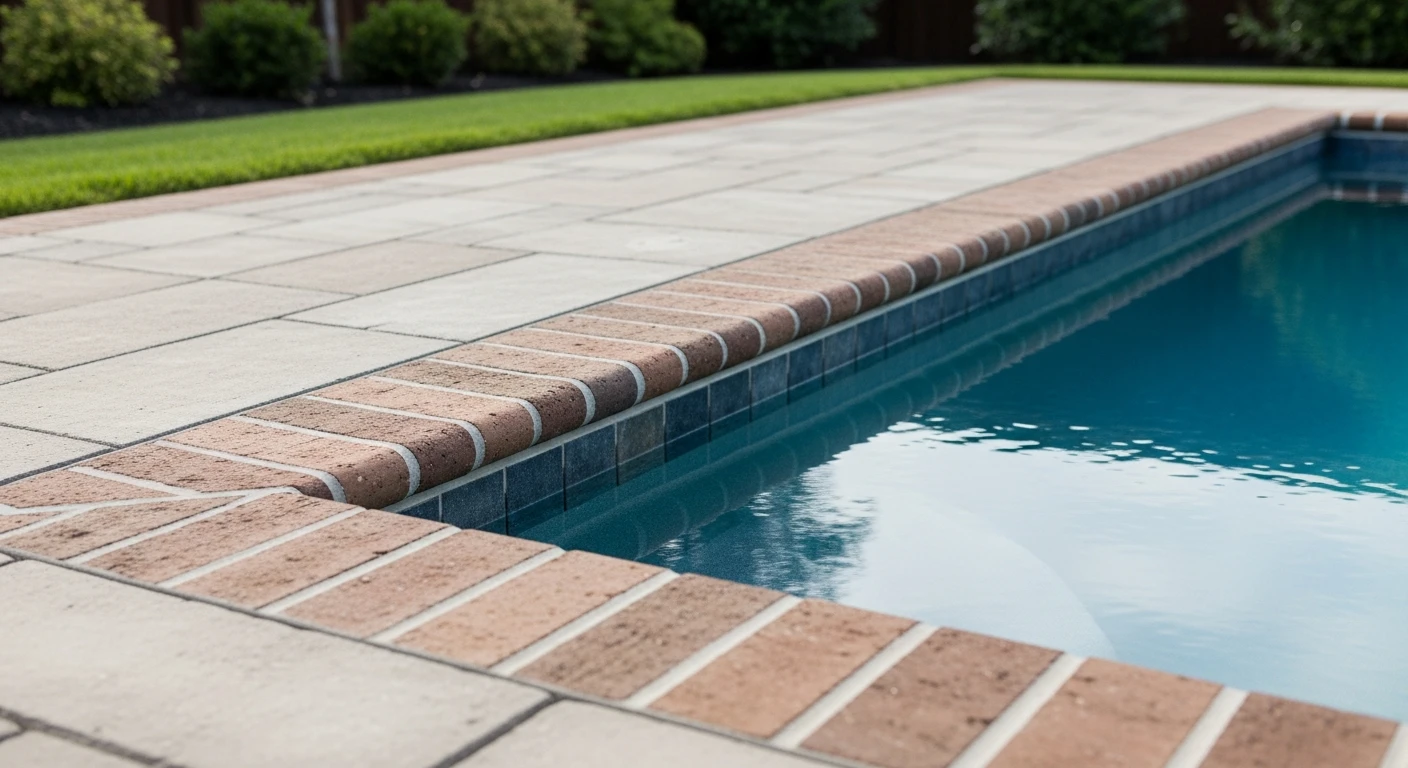
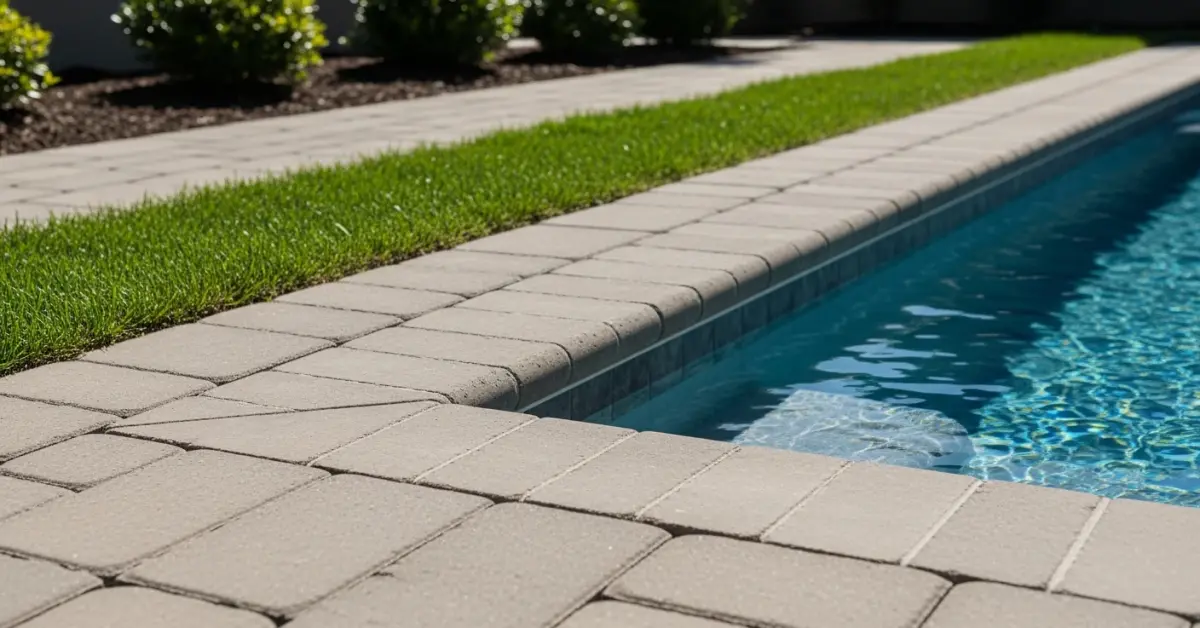
I’ve repaired more failing paver patios in Polk County than I can count, and the root cause is almost always the same: inadequate paver edging. From lakefront homes in Winter Haven to new constructions in Davenport, I see homeowners sold on flimsy plastic or aluminum edging that simply cannot withstand our unique combination of intense summer rains and notoriously unstable sandy soil. This isn't just a cosmetic issue; it's a structural failure that leads to paver separation, weed intrusion, and a complete loss of the initial investment. My entire approach is built on one principle: the paver field is only as strong as its containment system. Standard spike-in edging creates a point of weakness. Our sandy soil, often called 'sugar sand,' lacks the cohesive structure to hold those spikes firmly when subjected to the hydrostatic pressure of a sudden downpour. The result is what I call "Polk County Creep"—the slow, inevitable outward spread of your pavers. My solution is to treat the edging not as a border, but as a foundational concrete curb.Diagnosing the "Polk County Creep": My Sub-Base Analysis Method
Before I even consider edging, my first step is a core analysis of the sub-base. The failure I see most often starts with an inadequate base that allows water to pool and saturate the sand beneath the pavers. This liquefaction is what pushes the edging outwards. Frankly, the standard plastic edging sold in big-box stores is a call-back waiting to happen in our climate; the Florida sun degrades it, and lawn equipment in communities across Lakeland inevitably damages it. My proprietary methodology focuses on creating an integrated system where the edging is a monolithic extension of the base. It’s not an afterthought; it’s a critical structural component. I identified this as the primary failure point on a large pool deck project near Bartow, where the previous installer used 8-inch plastic spikes that had completely uprooted after just one rainy season, causing the entire coping edge to shift. That costly repair for the homeowner cemented my belief in a more robust solution.The Reinforced Poured Concrete Curb: A Technical Breakdown
Forget flexible plastic or thin metal strips. My standard for all Polk County paver installations is a poured-in-place, steel-reinforced concrete curb. This isn't a pre-made curb; it's custom-formed and poured directly against the compacted base material, creating a seamless, immovable barrier. Here’s why it's technically superior for our local conditions:- Structural Mass: A typical 4x6 inch poured concrete curb has significant weight and mass, providing a level of resistance that spikes simply cannot match in loose soil.
- Monolithic Bond: By pouring the concrete directly, it bonds with the aggregate base layer, forming one solid, unified structure that distributes load and pressure evenly.
- Reinforcement: I always specify #3 rebar (3/8-inch) reinforcement within the concrete curb. This provides tensile strength, preventing the cracks that can form from thermal expansion and contraction during our hot summers and cooler winter nights.
- Depth and Stability: The curb is excavated to sit below the paver height and is backfilled on the outside, making it invisible yet incredibly stable. It won't heave from moisture or get scalped by a lawnmower.
Implementing the Anti-Shift Edging System
Executing this requires precision. There is no room for shortcuts, as a poorly poured curb is just as bad as a plastic one. This is my exact field process.- Trench Excavation: A trench must be excavated around the entire perimeter of the compacted paver base. It should be at least 6 inches deep and 4 inches wide.
- Form Installation: Flexible wood or composite forms are staked on the outside of the trench, ensuring they are perfectly level and follow the final design curve.
- Rebar Placement: The #3 rebar is suspended in the center of the form using small supports or "chairs" to ensure it's fully encased in concrete. This is a critical step for preventing sheer-force fractures.
- Concrete Pour: I use a custom-batched 4,000 PSI concrete mix with fiber mesh reinforcement. The concrete is poured carefully into the forms, ensuring no voids. The top is screeded so it sits approximately 1.5 inches below the final paver height.
- Curing and Backfilling: The forms are removed after a 24-hour initial cure. The outside of the curb is then backfilled with soil and compacted, hiding the edging completely and providing additional lateral support. The pavers can now be laid.
Precision Finishing and Long-Term Integrity Checks
The job isn't done after the pour. The quality is in the details that ensure longevity. One common mistake I see is failing to tool the inside edge of the concrete before it fully cures. I use a margin trowel to create a slight, smooth bevel on the inside top edge. This prevents the sharp concrete corner from chipping if a paver is ever lifted for replacement. Furthermore, for long, straight runs common in driveway applications in residential areas like South Lakeland, I place control joints every 8-10 feet in the concrete curb. This dictates where any potential stress cracks will occur, keeping them invisible and harmless beneath the pavers. My final quality check is ensuring the paver joints are filled with polymeric sand right up to this solid concrete backstop. The sand hardens, locking the pavers in place against an immovable object. There should be zero lateral movement. Are you still relying on plastic spikes to secure a five-figure hardscape investment, or are you ready to engineer a permanent foundation for it?Written by

Tags
paver edge restraint
block paving edging
driveway edging stones
edging blocks
brick paver edging
Paver Edging in Polk FL FAQ
My pavers are sinking right at the pool's edge. Is this a paver problem or a pool leak?
Sinking pavers at the pool's edge are a primary symptom of a structural leak from the pool shell, not just a simple paver issue. Water escaping from a crack, even a hairline one, saturates and erodes the soil base beneath the pavers, causing them to settle and shift. A leak as small as 3 mm can wash away enough sub-base material to create significant voids over a single season. Before resetting any pavers, a full leak detection process, including a pressure test of the plumbing and a dye test of the pool shell, is mandatory to find and repair the source of the water loss.
What is the best material to use for the edging right against my pool coping?
The most durable and stable solution is a poured-in-place concrete bond beam that sits behind the coping and beneath the first course of pavers. This reinforced concrete base provides a rigid, continuous foundation that prevents the pavers from shifting or subsiding due to soil movement or water splash-out. While plastic or aluminum edging is common for general landscaping, it lacks the strength to resist the unique lateral pressures and constant moisture exposure at a pool's perimeter, often leading to failure within a few years. The concrete base is the professional standard for long-term stability.
Can I just use polymeric sand to fix the gaps that have appeared between my pool coping and the pavers?
Using polymeric sand to fill widening gaps is a temporary cosmetic fix that masks a more serious underlying problem of paver movement. The gaps are appearing because the edging has failed and the pavers are shifting away from the pool. Simply filling the joint with polymeric sand will not stop this movement; the sand will crack and wash out, and the gap will reappear. The correct repair involves removing the affected pavers, addressing the failed edging, re-compacting the base, and then reinstalling the pavers with properly filled joints.
Why are my pavers lifting or heaving up during the winter?
Pavers heaving upwards near the pool in winter is caused by water trapped in the base material freezing and expanding, a process known as frost heave. This indicates a critical drainage failure, where water is not being directed away from the pool deck's foundation. In regions with harsh winters, improper pool closing can exacerbate this if lines are not fully blown out, leading to slow leaks that saturate the ground. Proper installation requires a well-draining sub-base and a slight, consistent slope away from the pool to prevent water from pooling and freezing beneath the paver field.
What's the difference between paver edging for a concrete pool versus a vinyl liner pool?
For a concrete pool, the paver edging must accommodate a rigid structure, so a solid concrete bond beam is ideal. For a vinyl liner pool, the edging system must be installed carefully to avoid damaging the liner track or the wall panels, which sit just behind the coping. Any spikes used to secure plastic edging, for instance, must be placed with precision to avoid puncturing buried plumbing or compromising the wall panel structure. A careless installation can lead to liner tears or wall damage that is far more expensive to fix than the paver work itself.
Is it normal to see white, chalky residue on the paver joints near the pool?
That white, chalky residue is likely efflorescence, but its location at the pool's edge is a warning sign of persistent moisture issues. While some efflorescence is normal as pavers cure, heavy or recurring deposits near the pool indicate that chlorinated or salt water is constantly wicking up through the joints from a saturated base. This could be from excessive splash-out due to improper grading or a slow leak. This constant moisture can accelerate the degradation of the paver sub-base and compromise the entire installation over time.