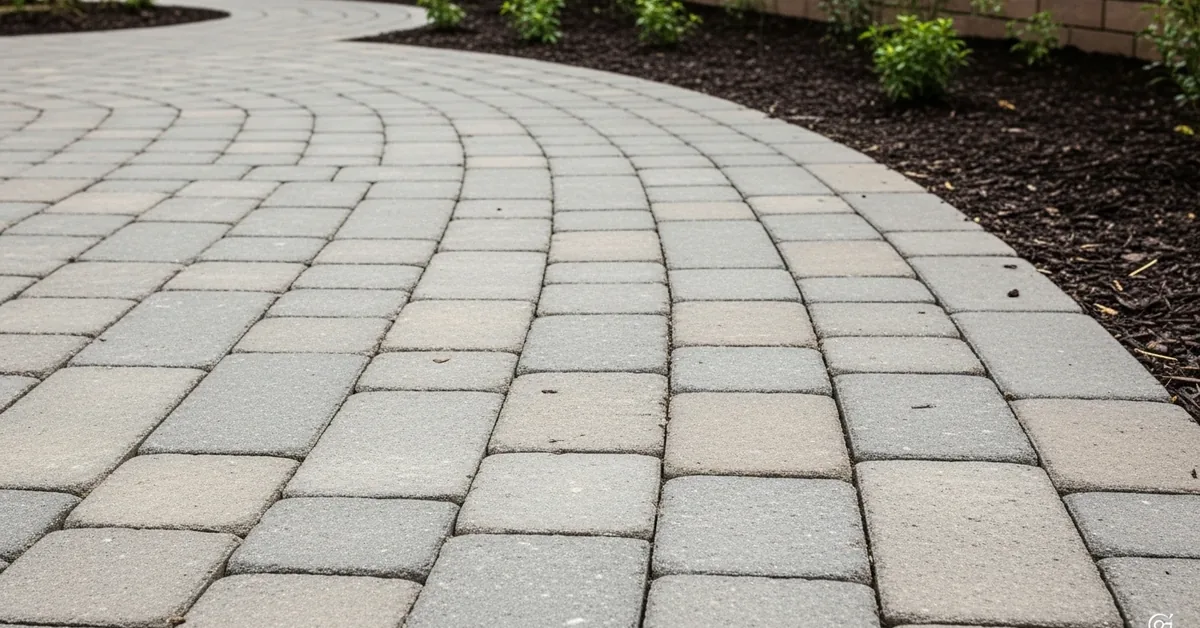
Paver Installation in Manatee County: My Sub-Base Protocol to Prevent 90% of Premature Failures
After years of installing and, more importantly, repairing paver patios and driveways across Manatee County, I’ve seen one catastrophic failure point repeat itself: sub-base collapse. A beautiful new lanai in Lakewood Ranch can look sunken and uneven in less than two years, not because of the pavers themselves, but because the foundation beneath them was never engineered for our unique high-humidity, sandy soil, and torrential downpours. Standard installation methods that work up north are a recipe for disaster here. My entire approach is built on preventing this single point of failure. I developed a methodology focused on achieving a specific soil density and water-shedding capability before a single paver is laid. This isn't about just digging and dumping gravel; it's a geotechnical process that adds, in my experience, a minimum of 50% to the lifespan of the installation, protecting the homeowner's investment against the harsh realities of the Florida climate.My Diagnostic Framework: The Hydro-Static Base Compaction Method
The fundamental error I see in most local projects, from Bradenton to Parrish, is treating the sub-base as a simple filler. Contractors will excavate, dump a few inches of standard #57 stone, run a plate compactor over it for a few minutes, and call it done. This creates a base that is porous and unstable. The first major summer storm hydrostatically forces water up through this poorly compacted base, liquefying the native sandy soil beneath and causing the pavers to sink. My Hydro-Static Base Compaction method directly counters this. It’s a multi-stage process designed to create a semi-impermeable, interlocking foundation that actively manages water. It starts with a soil assessment. I don’t use a one-size-fits-all depth. For a driveway in a low-lying area near the Braden River, the excavation and base depth will be significantly greater than for a simple walkway in a newer, well-drained subdivision. The goal is to reach a stable sub-grade and build up from there with materials specifically chosen to combat water intrusion.Technical Deep Dive: Aggregate Blends and Density Targets
The core of my method lies in the aggregate composition and the compaction targets. I abandoned generic crushed concrete or #57 stone years ago. My proprietary base consists of a precisely blended aggregate, typically a DOT-certified road base material with a specific ratio of crushed stone to "fines" (smaller particles). These fines are critical; when properly hydrated and compacted in "lifts" (layers), they lock the larger stones together, drastically reducing permeability.- Moisture Control: We don't compact dry material. I use a moisture meter to ensure the aggregate is at its optimal moisture content. This allows for maximum particle rearrangement and density. Compacting it too dry or too wet results in a weak base.
- Compaction Lifts: I never install more than a 4-inch lift of base material at a time. Each lift is compacted with a reversible plate compactor until it reaches a target of 98% Modified Proctor Density. This is a standard used in highway construction, and I've adapted it for residential applications. It’s non-negotiable and something I verify on-site.
- Geotextile Separator: A non-woven geotextile fabric is always placed between the native soil and my aggregate base. This is an inexpensive insurance policy that I’ve seen omitted on countless failed projects. It prevents the fine sand of Manatee County from migrating up into the base and compromising its integrity over time.
Implementation Protocol: A Step-by-Step Breakdown
Executing this requires precision. Here is the exact workflow I follow for every installation, whether it's a pool deck on Anna Maria Island or a driveway in Ellenton.- Excavation and Grading: I excavate to a minimum depth of 7 inches for patios and 10 inches for driveways. Crucially, I establish a precise grade for drainage away from any structures, setting a slope of at least 1/4 inch per foot.
- Sub-Grade Compaction & Fabric: The exposed native soil is compacted first. Then, the geotextile fabric is laid down, overlapping all seams by at least 12 inches.
- Base Installation: The custom aggregate is brought in and laid in controlled 4-inch lifts, each one hydrated and compacted to the 98% density target.
- Screeding the Bedding Sand: Once the base is complete and verified, I lay exactly 1 inch of clean, coarse ASTM C-33 sand. Using the wrong sand, like fine playground sand, is a common mistake that leads to paver shifting.
- Paver Setting & Jointing: Pavers are set, and a concrete bond beam edge restraint is installed. I avoid plastic edging, which warps and fails in the Florida sun. Finally, a high-quality polymeric sand is swept into the joints and activated correctly to create a firm yet flexible bond that resists weeds and insect intrusion.
Precision Adjustments and Sealing Standards
The final touches are what guarantee performance. For coastal properties near Longboat Key, I always recommend a penetrating silane-siloxane sealer. Unlike film-forming acrylic sealers that can get slippery, this type of sealer penetrates the paver to repel salt and water from within, preserving the material without altering its slip-resistant texture. Furthermore, I always perform a final check on drainage after the first rainfall post-installation, if possible, to ensure there's no unintended water pooling. It's this final level of quality control that prevents callbacks and ensures the system functions as designed. Before your next paver project, are you asking your contractor about their specific compaction density targets and aggregate composition, or are you just hoping their base holds up against the next Florida rainy season?Written by

Tags
patio pavers
paver installation near me
concrete pavers
driveway pavers
pavers near me
Paver in Manatee FL FAQ
Why are the pavers next to my pool sinking and becoming uneven?
Sinking pavers around a pool are almost always caused by water eroding the base material underneath, often from a hidden leak in your pool's plumbing or shell. While poor initial compaction can be a factor, persistent settling points to a water problem, as even a small 3 mm leak can wash away the sand and gravel foundation over time. Simply adding more sand to level the paver is a temporary fix that ignores the root cause. The real solution involves finding and repairing the leak, then rebuilding the sub-base before reinstalling the pavers to prevent the issue from recurring within months.
Can I use a pressure washer to clean stains off my pool deck pavers?
Using a high-pressure washer on pavers is risky as it can blast away the crucial polymeric sand from the joints, which locks them together and prevents weed growth. Once this sand is gone, the pavers can shift, wobble, and become unstable, leading to a much larger repair job. For most stains, a stiff brush and a dedicated paver cleaner are safer and more effective. If you must use a pressure washer, use a wide-angle tip, keep the nozzle at a distance, and be prepared to re-sand and seal the entire area afterward to restore its structural integrity.
Are certain types of pavers better for a saltwater pool?
Yes, dense, high-quality sealed concrete pavers or natural stone like travertine and bluestone are superior for saltwater pools due to their low porosity. Cheap, porous concrete pavers will absorb the salt water, which then evaporates and leaves behind salt crystals that expand and cause the paver surface to flake and crumble, a process called spalling. While more expensive upfront, investing in appropriate materials and ensuring they are properly sealed from day one prevents premature degradation and protects the aesthetic and structural life of your pool deck.
What are these white, chalky stains on my pavers and how do I remove them?
That white, chalky substance is called efflorescence, which is a deposit of natural salts left behind as moisture evaporates from within the paver. While it is not structurally harmful, it is an aesthetic issue that indicates moisture is traveling through the paver. You can clean it with specialized efflorescence removers, but it will likely return unless you address the underlying moisture source. A non-obvious cause can be lawn sprinklers consistently spraying the deck, which keeps the pavers saturated and perpetuates the cycle of salt deposits.
Do you need to drain my pool to repair the coping pavers right at the edge?
No, the pool does not typically need to be drained to reset or replace the coping pavers attached to the pool's edge. A skilled technician can carefully remove the old coping and mortar bed while protecting the pool from debris, often by creating a temporary barrier. The critical part of this repair is ensuring the new coping is perfectly level and securely bonded to the bond beam—the concrete structure at the top of the pool wall. An improper bond here can lead to water seeping behind the pool shell, causing far more significant damage over time.
One of my pavers has a crack. Is it urgent to replace it?
A single cracked paver is not an immediate structural emergency, but it should be replaced sooner rather than later to prevent a chain reaction of problems. The crack allows water to penetrate directly into the base material, bypassing the sealed joints and accelerating erosion underneath. This can cause adjacent pavers to shift and settle. More importantly, a cracked paver can create a significant trip hazard, posing a safety risk, especially in a high-traffic area like a pool deck. Replacing one paver is a small, inexpensive job compared to re-leveling an entire section later.