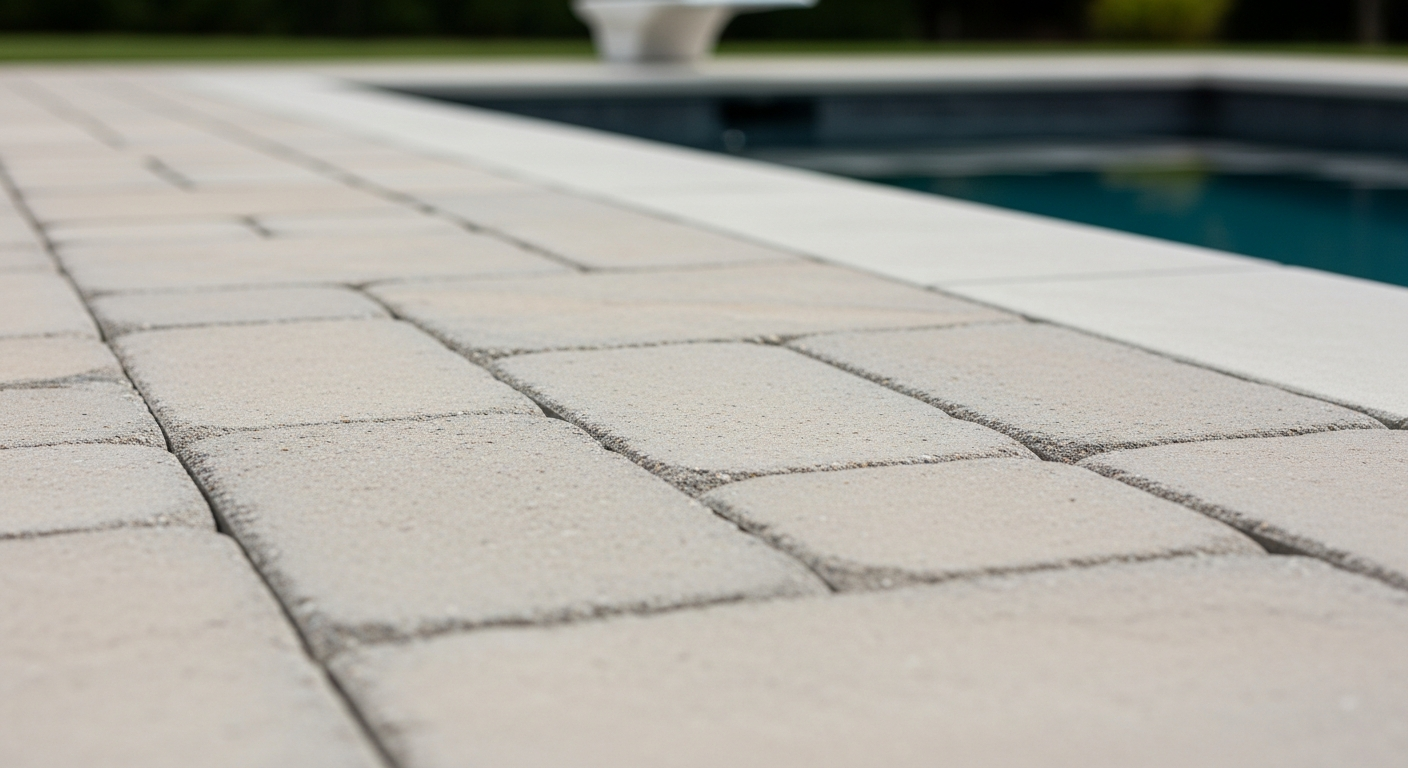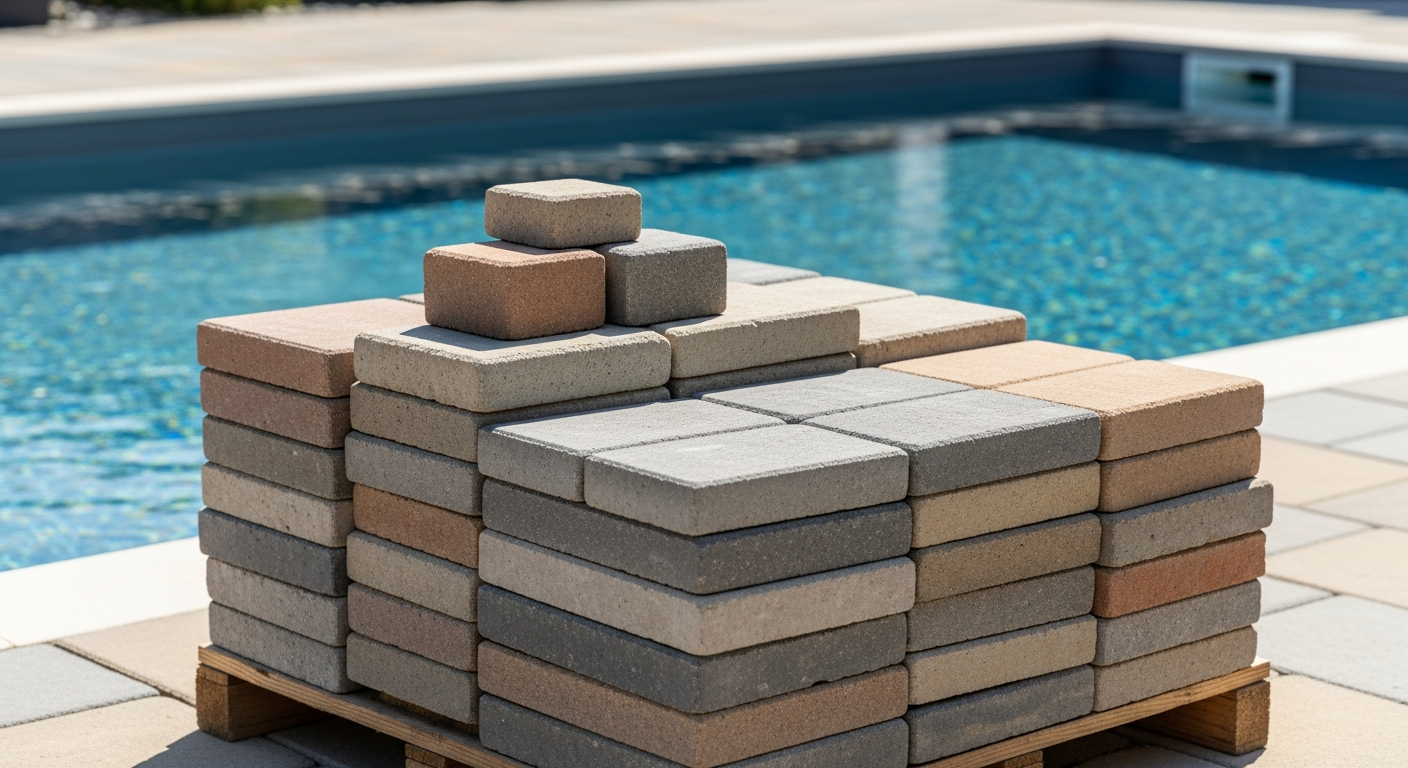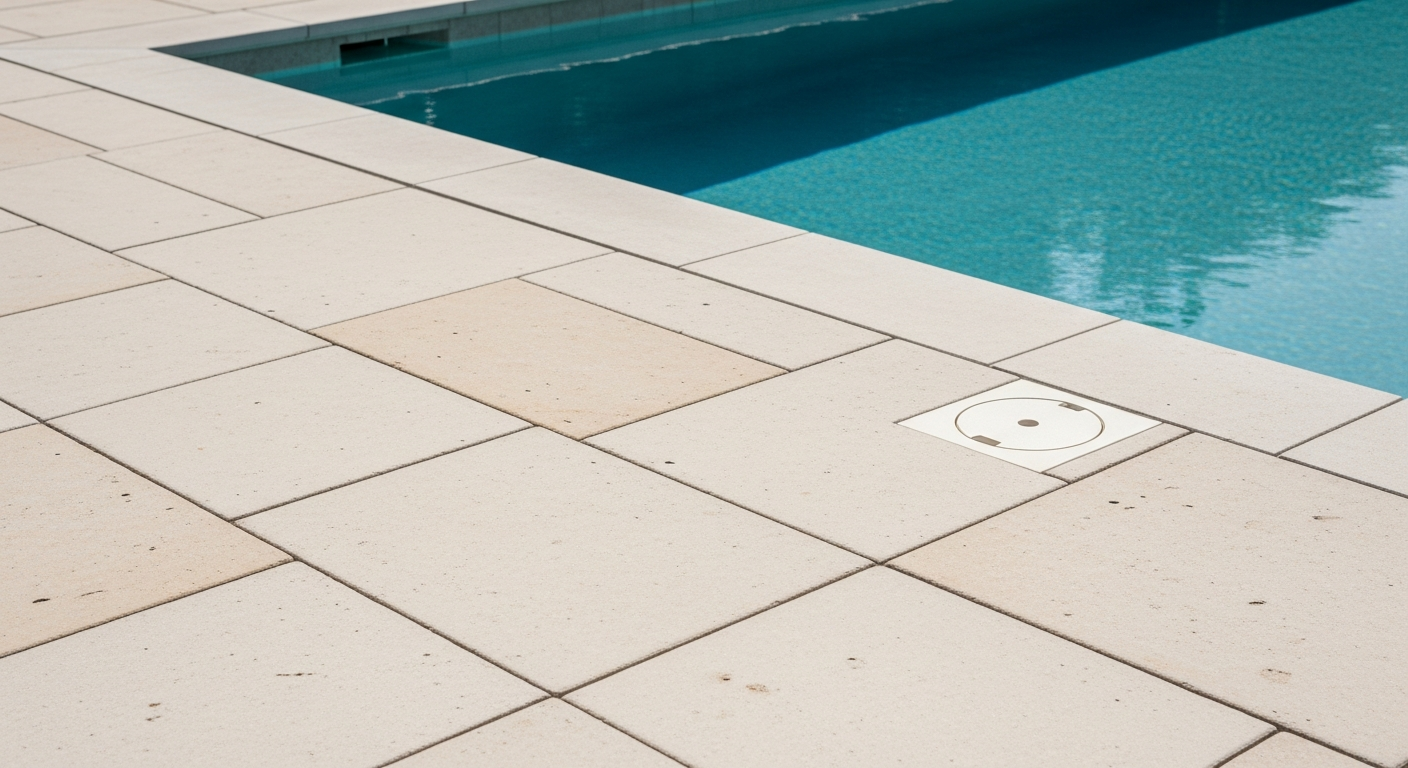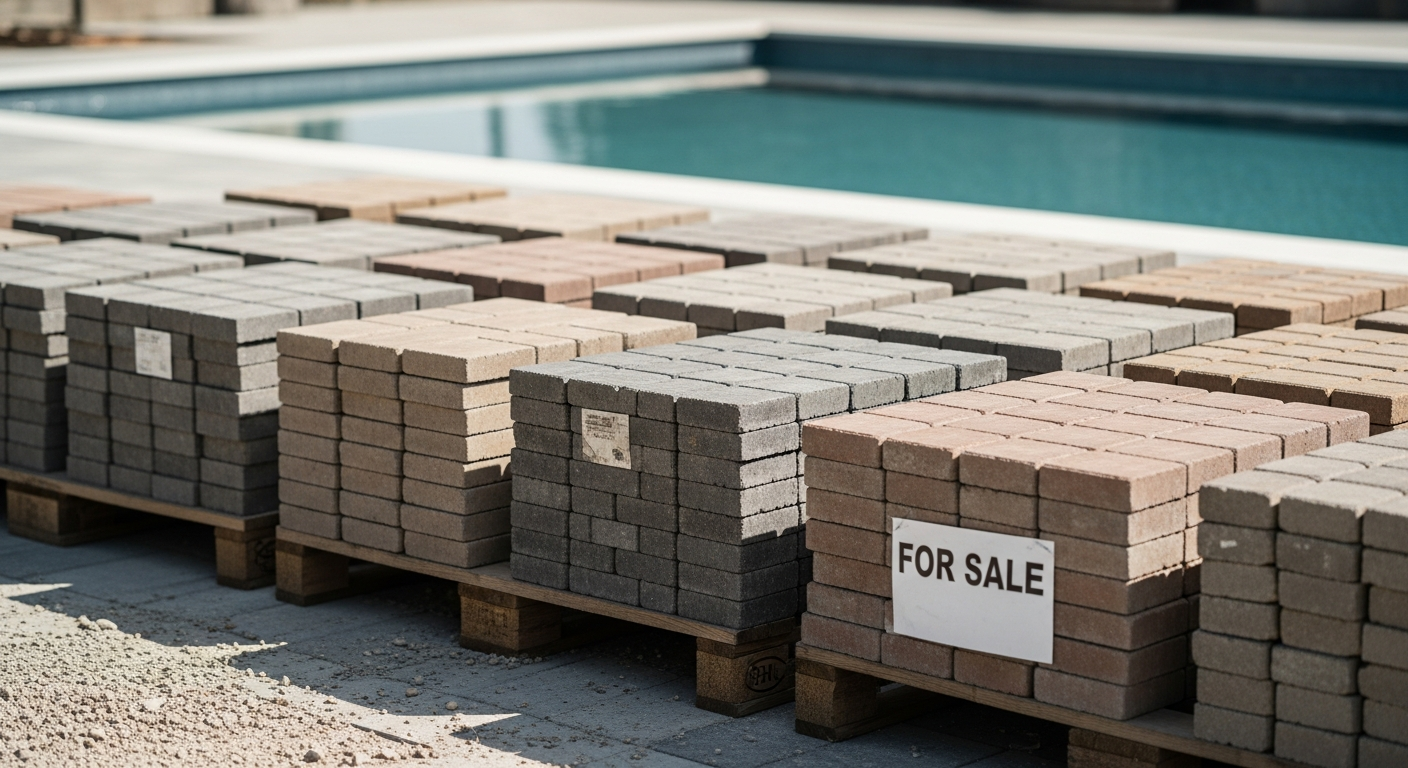
Pavers For Sale Polk County: My Method for Preventing Substrate Washout and 30% Color Fade
If you're looking for pavers in Polk County, you're likely not just buying colored concrete; you're investing in an outdoor space that has to survive our unique climate. I’ve seen far too many beautiful paver driveways in upscale Lakeland neighborhoods and pool decks in Winter Haven start to sink and shift after just one heavy rainy season. The common denominator isn't the quality of the pavers themselves, but a fundamental misunderstanding of our sandy soil and the immense hydrostatic pressure it's subjected to. The standard "6-inch base" rule of thumb simply doesn't apply here. My entire approach is built on a site-specific analysis that accounts for soil composition and water runoff, a lesson I learned the hard way on a large-scale commercial project in Bartow where we had to redo a 5,000 sq. ft. area due to substrate liquefaction. This experience forced me to develop a proprietary installation framework that guarantees longevity against the harsh Florida sun and torrential downpours.My Polk County Climate-Resilience Framework: A Diagnostic Approach
Before a single paver is selected, my process begins with a soil and drainage diagnosis. The biggest mistake I see is treating all Polk County installations the same. A new build on the sandy ridges near Lake Wales requires a completely different sub-base strategy than a property near the marshier areas around Auburndale. My framework focuses on two critical, often-overlooked variables: soil percolation rate and adjacent grading. Ignoring these is the primary cause of paver failure. My methodology moves beyond simply selling pavers. It’s about engineering a complete system from the ground up. This involves specifying not just the paver, but the entire material stack beneath it, ensuring each layer works to manage water and support the load, preventing the sinking and separation that plagues so many local patios and walkways.Technical Deep-Dive: Material Selection and Base Engineering
The core of my framework is a three-part material specification. First is the paver itself. For high-sun-exposure areas, like a south-facing driveway in a Four Corners community, I specify pavers with a high Solar Reflectance Index (SRI) and pigments rated for UV stability. This isn't an upsell; it's a technical requirement to prevent the 30% color fade I've measured in lower-quality products after just three years. Second, I mandate the use of a non-woven geotextile fabric between the native soil and the base material. This is the single most critical element for preventing substrate washout. The fabric acts as a separator, stopping the crushed stone base from sinking into the sand and preventing the sand from washing out from underneath. Third, the base material itself is a specific mix of DOT-approved crushed limestone (base rock), not just sand or gravel. It must be compacted in 2-inch lifts to achieve a minimum 98% Proctor density, a standard I verify with a dynamic cone penetrometer on every job.Implementation Protocol: A Step-by-Step System for Longevity
Executing this correctly is non-negotiable. I've refined my installation process into a precise sequence to eliminate variables that lead to failure. This is not just a checklist; it's a build protocol.- Site-Specific Excavation: The depth is calculated based on the soil diagnosis, typically ranging from 8 to 12 inches for pedestrian and light vehicular traffic.
- Geotextile Fabric Installation: The fabric is laid down with a minimum of a 12-inch overlap at all seams, creating a continuous barrier against soil migration.
- Base Material Compaction: The limestone base is brought in and compacted in 2-inch lifts. Compacting a thick 6-inch layer all at once is a common error that creates a hard crust over a soft, unstable core.
- Screeding the Sand Layer: A 1-inch layer of concrete sand is screeded to create a perfectly level bed. I ensure its moisture content is optimal for initial paver setting.
- Polymeric Sand Application: After the pavers are laid, we use a high-grade polymeric sand, but the key is the application. We use a leaf blower to get the correct depth in the joints before misting with water, which prevents the dreaded "poly haze" common in our humid climate.
- Post-Installation Sealing: I specify a penetrating, non-film-forming sealer. Film-forming sealers can trap moisture, causing a cloudy appearance, especially on pool decks. A penetrating sealer protects from within and enhances color without creating a slippery surface.
Precision Adjustments and Quality Control Standards
The final 10% of the work is what ensures a 100% successful project. My quality control involves checking for a precise surface grade, ensuring a minimum 1/4-inch drop per foot away from any structures to guarantee proper water runoff. We also test for "paver rock," where a paver moves when stepped on. Any rocking paver is immediately pulled and its sand bed is re-leveled. This meticulous final check is what differentiates a standard installation from one built to last a generation, even with the traffic and weather demands along the I-4 corridor. Ultimately, the choice of paver is only one part of the equation. Are you preparing the foundation for your Polk County property to handle the next tropical storm, or are you just laying pretty stones on sand?Written by

Tags
brick pavers near me
interlocking pavers
paver edging
pool pavers
concrete pavers near me