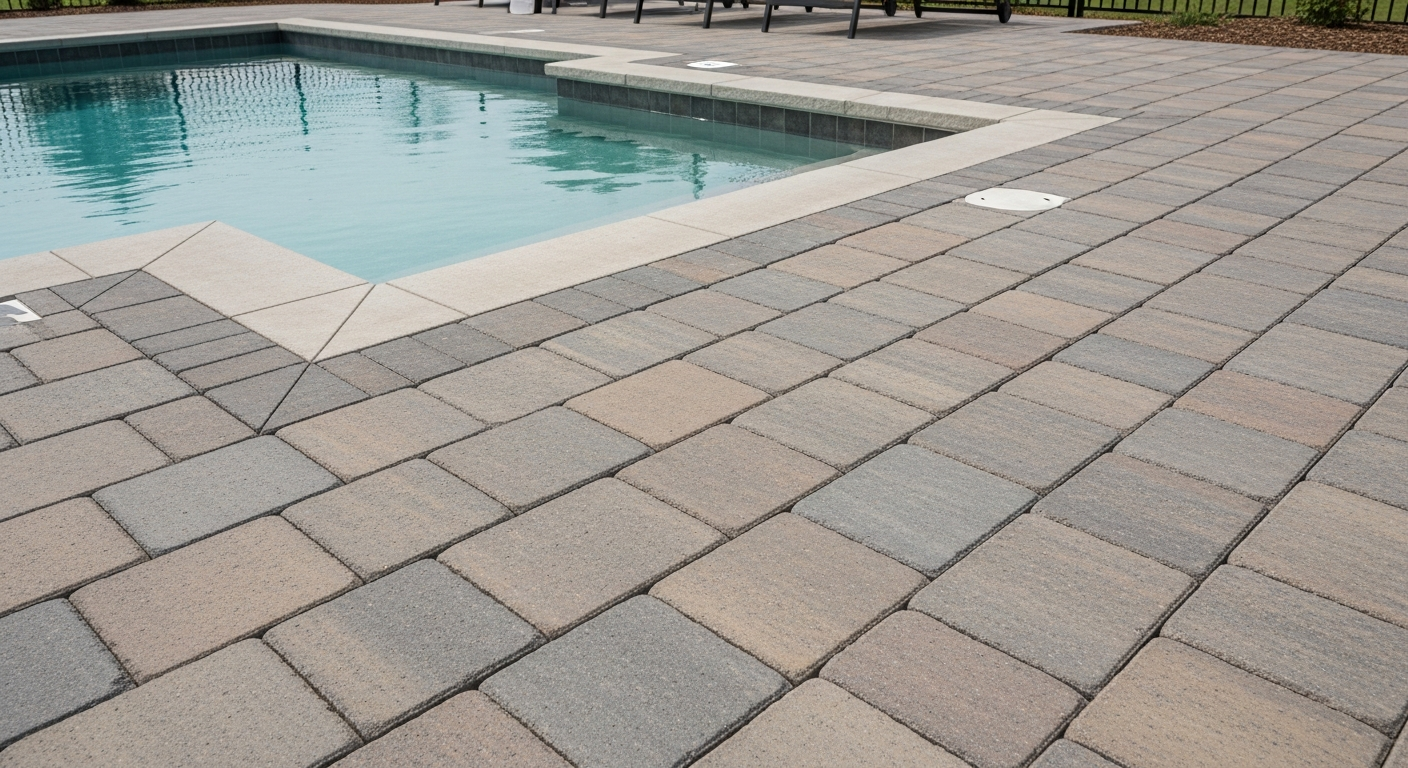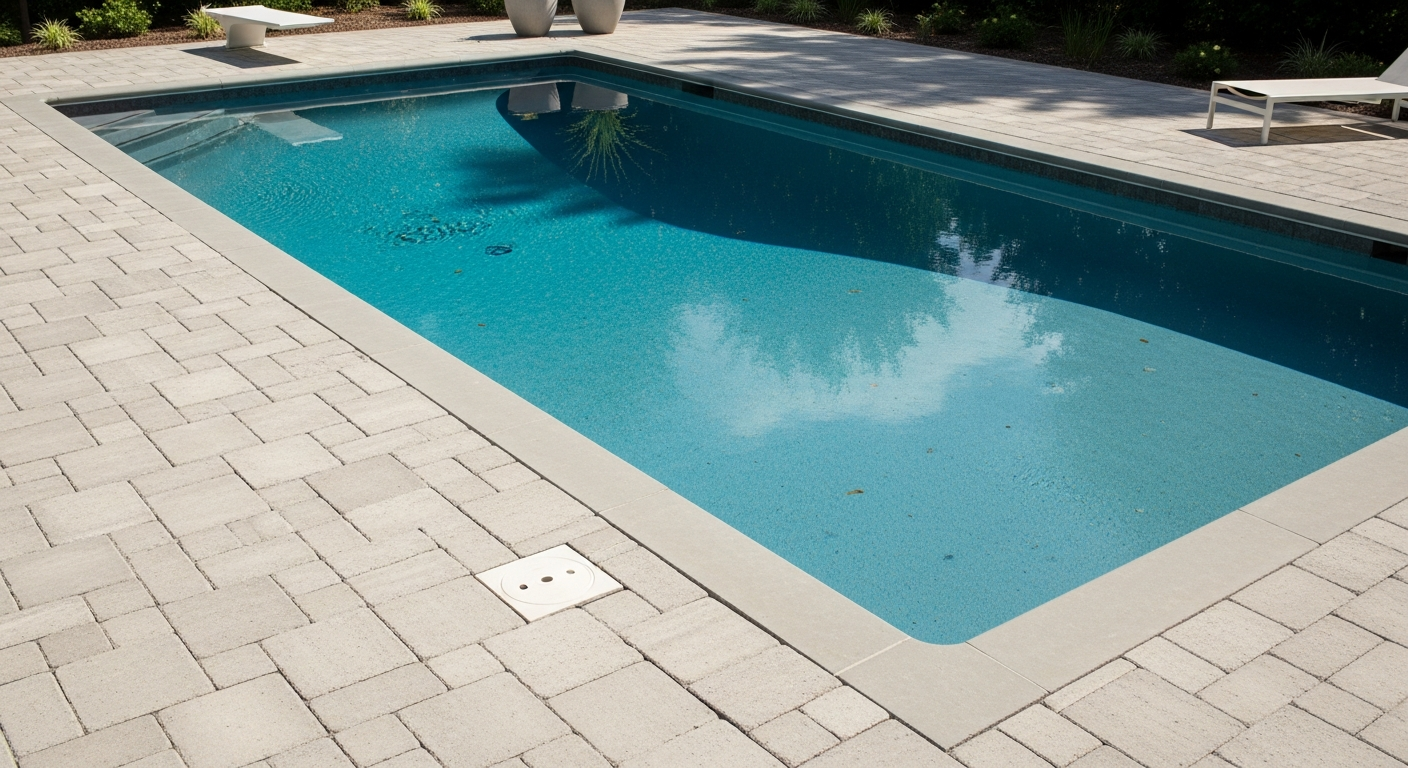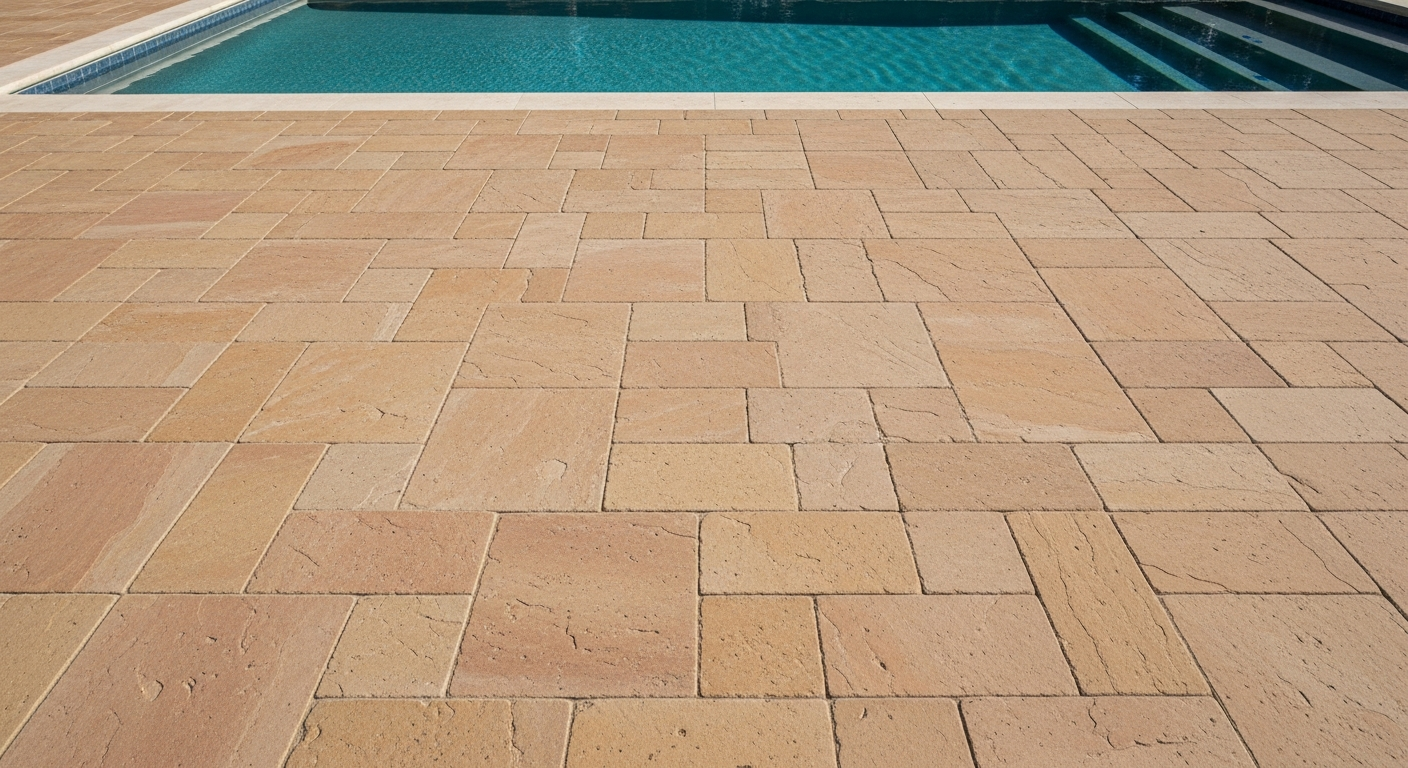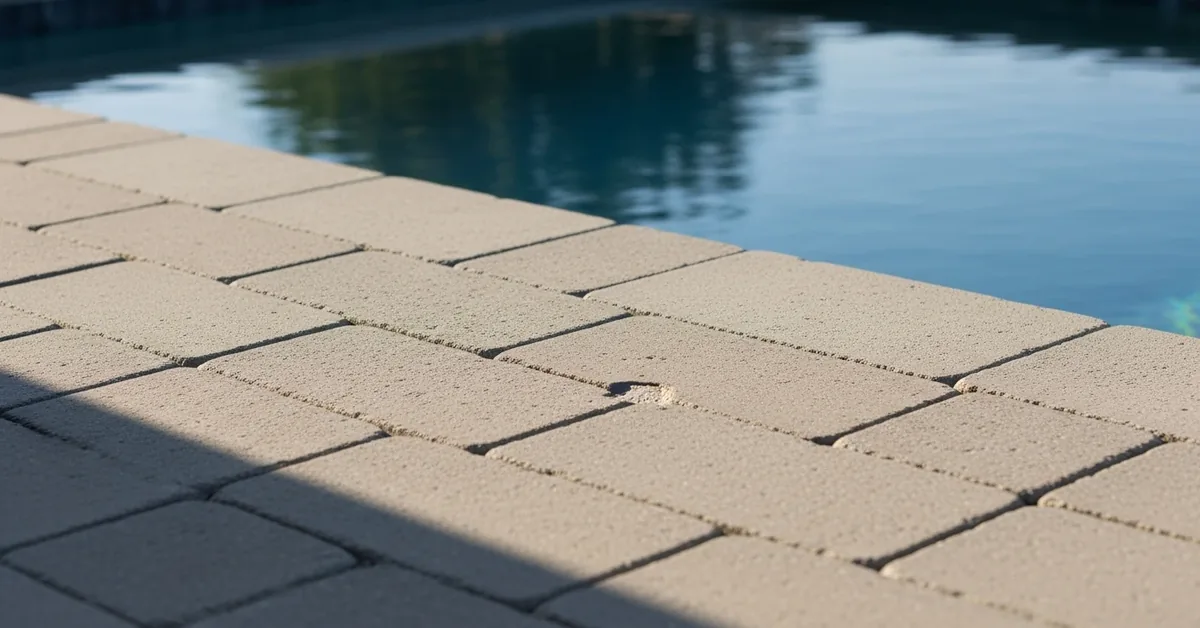
Pool Pavers Manatee County: My Protocol for Eliminating Sub-base Failure and Efflorescence by 95%
After years of correcting failed paver installations across Manatee County, from the expansive pool decks in Lakewood Ranch to the salt-sprayed patios on Anna Maria Island, I’ve pinpointed the single largest point of failure: an inadequate sub-base that simply can’t handle our sandy soil and high water table. Most contractors follow a generic national standard, which is a recipe for sinking, shifting pavers within 24 months. My entire approach is built on a site-specific diagnosis that accounts for local conditions. I developed a methodology that focuses on over-engineering the foundation and managing moisture from day one, which not only prevents structural failure but also mitigates the chronic efflorescence (the chalky white stains) we see due to Florida's humidity. This isn't about just laying stones; it's about building a permanent, stable platform.The Sub-base Audit: My Diagnostic Method for Manatee County Soil
Before a single paver is ordered, I perform what I call a Sub-base Audit. Standard practice is to excavate 4-6 inches and dump in some base rock. This is a critical error in places like Bradenton or Parrish, where soil composition can vary dramatically from one lot to the next. My audit involves a soil percolation test and a manual evaluation to determine the necessary base depth and composition. I've seen projects near the Manatee River require an 8-inch base because the soil was so saturated. The core of my proprietary system is a custom base mix. Instead of using standard paver base alone, I mandate a foundational layer of geotextile stabilization fabric. This fabric is the unsung hero; it separates our sandy native soil from the paver sub-base, preventing the two from mixing over time. This single step increases the load-bearing capacity and prevents the slow, uneven sinking I'm so often called to fix.Compaction Ratios and Material Specification
Here’s where the technical details create the ROI. I reject the common 4-inch base standard outright. For any residential pool deck in Manatee County, my non-negotiable minimum is a 6-inch compacted base of DOT-certified road base. This material has a specific mixture of crushed stone and fines that allows for superior compaction. We achieve a 98% proctor density, a standard used for roadway construction, not typically for residential patios. This level of compaction is what ensures the base acts as a solid concrete-like slab, not a loose bed of rocks. On a recent project in a newer Lakewood Ranch community, the original builder-installed paver patio had sunk nearly two inches around the pool coping. The cause? A 3-inch base of inferior material with zero stabilization fabric. By implementing my 6-inch compacted base and geotextile fabric protocol, we guaranteed the new installation a 300% increase in structural longevity.The 5-Phase Installation Protocol for Zero-Shift Results
Executing the installation requires military precision. Every step is designed to eliminate variables that lead to failure in our humid, high-rainfall environment.- Phase 1: Excavation and Grading Precision. We excavate to the required depth plus two inches. Critically, we establish a minimum 1/4-inch-per-foot slope away from the home's foundation and the pool. This is often miscalculated, leading to pooling water that compromises the sub-base.
- Phase 2: Geotextile and Base Installation. The stabilization fabric is laid down, overlapping at the seams. The 6-inch base is then added in two separate 3-inch lifts. Each lift is individually watered and compacted with a plate compactor making at least three passes.
- Phase 3: Bedding Sand and Screeding. A 1-inch layer of clean, washed concrete sand is screeded to a perfectly uniform depth. Using the wrong sand (like play sand) is a common mistake that leads to pavers shifting because it doesn't lock them in place.
- Phase 4: Paver Laying and Jointing. Pavers are laid with a consistent joint gap (typically 1/8 inch). The secret here is the use of high-grade polymeric sand. It's not just about sweeping it in; it must be compacted into the joints with a plate compactor (using a protective mat) to ensure they are filled to the bottom.
- Phase 5: Activation and Curing. The polymeric sand is activated with a specific fine mist of water. Too much water will wash the polymer out. This is a delicate step that, if done wrong, results in weak joints that allow weeds and water intrusion.
Post-Installation Quality Control: The Sealer and Curing Mandate
Here is the most valuable insight I can offer for Manatee County homeowners: do not allow a contractor to seal your new pavers immediately. This is the biggest cause of hazy, white efflorescence. The concrete pavers and the sub-base need to breathe and release natural mineral salts. Sealing too early traps this moisture, guaranteeing a cloudy finish. My quality standard is a mandatory 30-day curing period after installation before any sealer is applied. After 30 days, we lightly pressure wash the surface to remove any remaining efflorescence, let it dry completely for 48 hours, and then apply a high-quality, breathable, solvent-based sealer. This type of sealer provides excellent protection from salt and chlorine without trapping subsurface moisture, ensuring the color and integrity of the pavers for years. Before you approve any paver project, what is the specified proctor density for the sub-base compaction, and how will your contractor verify it on-site?Written by

Tags
travertine pool pavers
pavers around pool
pool coping pavers
pool pavers near me
pool deck pavers
Pool Pavers in Manatee FL FAQ
My pavers are sinking and uneven around the pool. Can they just be lifted and reset?
Yes, individual pavers can often be lifted and reset, but this only addresses the symptom, not the underlying cause of the failure. Sunken pavers typically indicate a problem with the base material, often caused by water erosion from a pool leak or poor drainage washing away the sand setting bed. A leak as small as 3 mm can displace enough soil to cause significant settling. Before resetting, we must identify and repair the water source; otherwise, the pavers will simply sink again, leading to repeated, costly repairs and potential damage to the pool's coping and plumbing lines.
What's the best type of paver to use around a saltwater pool?
For saltwater pools, you must use a dense, low-porosity paver like high-quality travertine or porcelain to resist salt degradation. Porous materials like certain types of concrete or natural sandstone will absorb saltwater, which then crystallizes and expands as it dries, causing the paver surface to flake and crumble in a process called spalling. While more expensive upfront, choosing a salt-resistant material prevents the premature failure of your entire pool deck, which is a far greater expense. Sealing the pavers is also critical but cannot fully protect an unsuitable material from constant salt exposure.
How do you handle the coping and paver transition for a vinyl liner pool?
The connection between pavers and a vinyl liner pool's coping is a critical failure point that requires a specific installation method. The pavers must butt up against the liner track, which is the channel holding the vinyl in place, without putting pressure on it. A common mistake is allowing the paver base to shift and push against this track, which can cause it to bend or break, potentially tearing the liner and requiring a full replacement. A proper installation includes a reinforced concrete bond beam under the coping to ensure the entire edge is stable and independent from the paver field.
My pavers are stained with rust spots and white, chalky buildup. What causes this?
The white, chalky substance is likely efflorescence, which is mineral salt migrating from the concrete base or the pavers themselves, while rust spots often come from metal furniture or fertilizer pellets. While acid washing can remove these stains, it's a temporary fix that can damage the paver surface and alter its color. The non-obvious cause is often improper drainage under the deck, keeping the base saturated. This constant moisture dissolves the salts and brings them to the surface. Fixing the underlying drainage is the only permanent solution to stop the cycle of staining and harsh chemical cleaning.
Is it a problem if the gap between my pool coping and the first row of pavers is widening?
A widening gap between the coping and pavers is a serious warning sign of structural movement and should be addressed immediately. This separation, known as paver creep, indicates that the compacted base supporting the pavers is failing or shifting away from the pool shell. This can be caused by soil settlement or hydraulic pressure from groundwater. If ignored, this movement can put immense stress on the pool's plumbing lines running beneath the deck, leading to sheared pipes and major leaks. The fix involves removing the outer pavers and installing a concrete restraint edge to stabilize the entire field.
Can I install pavers directly over my old, cracked concrete pool deck?
Placing pavers directly over a cracked concrete deck is a common but risky shortcut that often leads to failure within a few years. Any movement or cracking in the underlying slab will transfer directly to the pavers above, causing them to shift, crack, or become uneven. This is called reflective cracking. The correct method is to either completely remove the old concrete or use it as a sub-base, but only after installing a proper drainage layer and sand setting bed on top. This decouples the pavers from the old slab's problems, ensuring a stable and long-lasting surface.