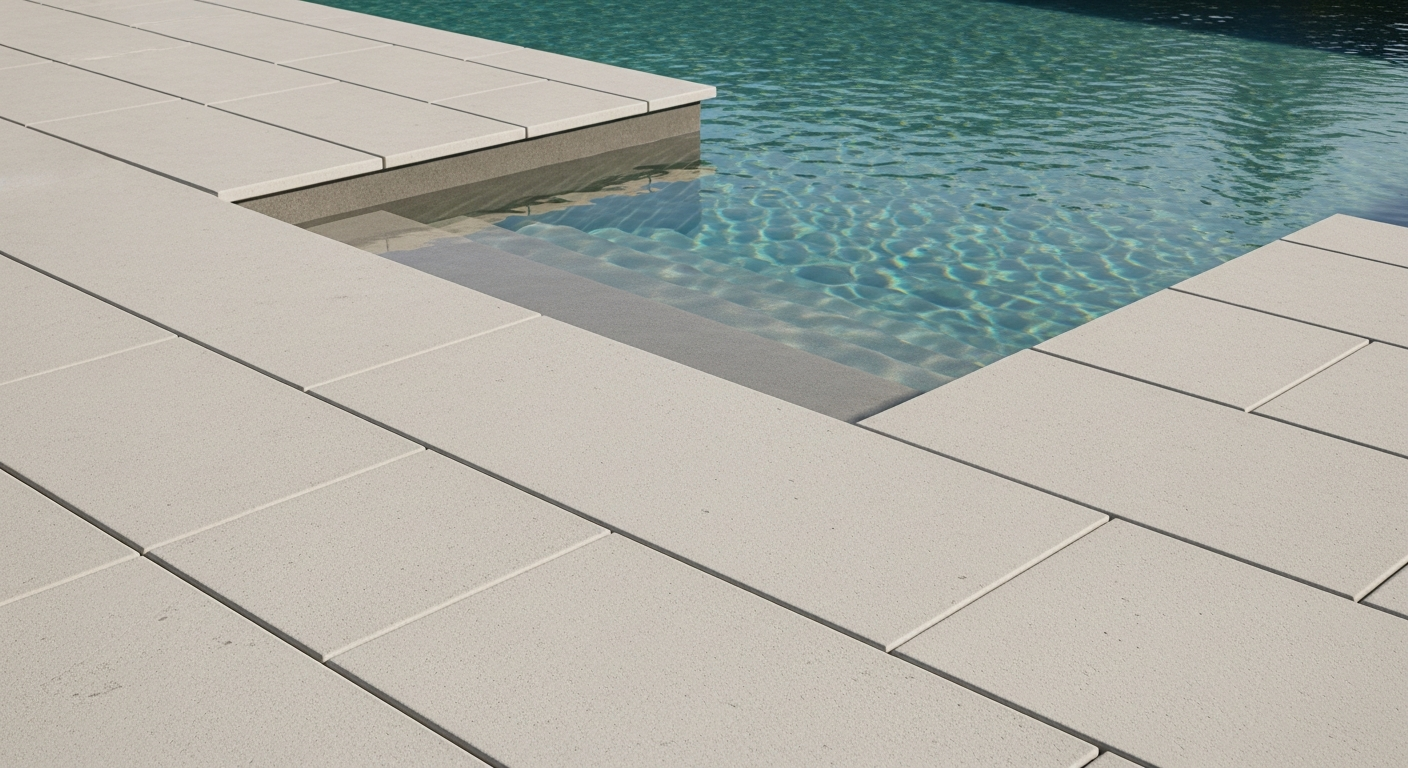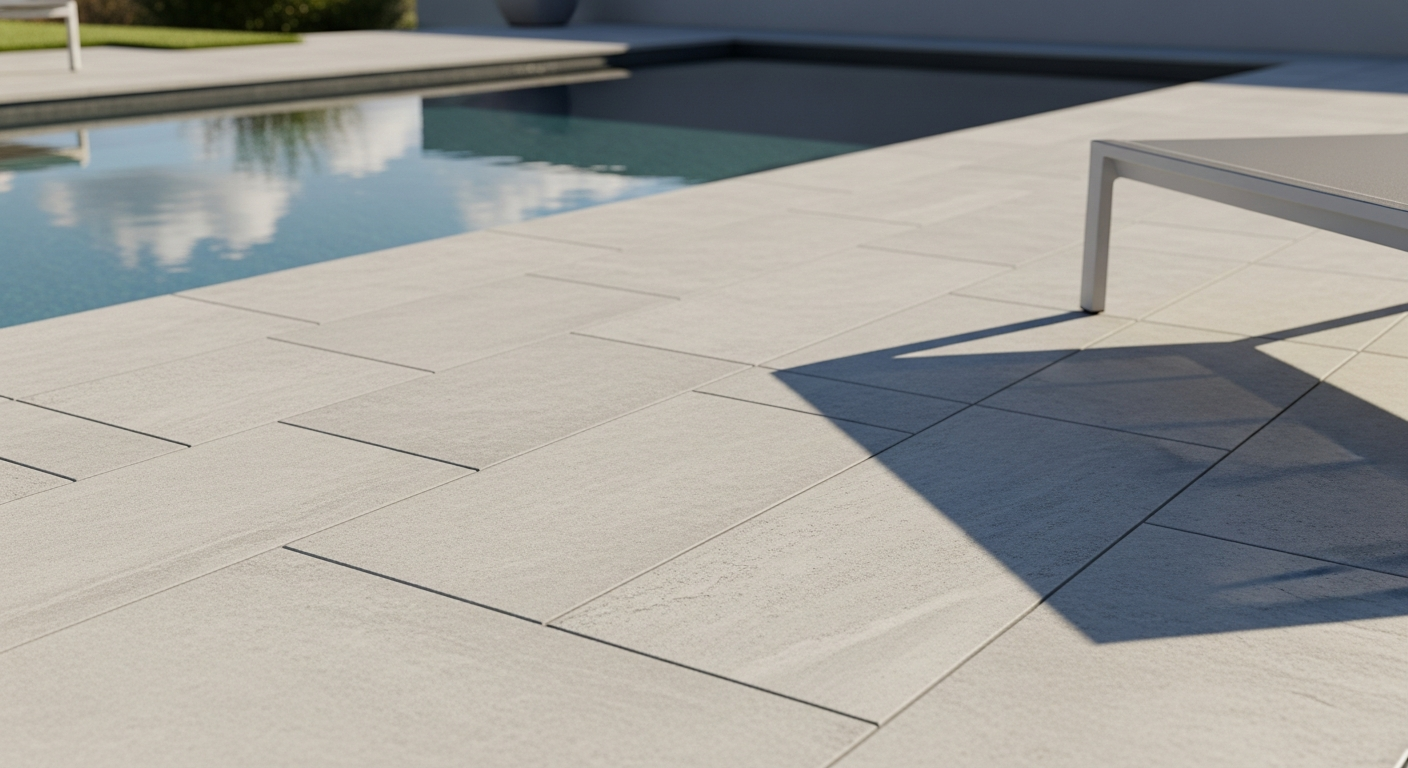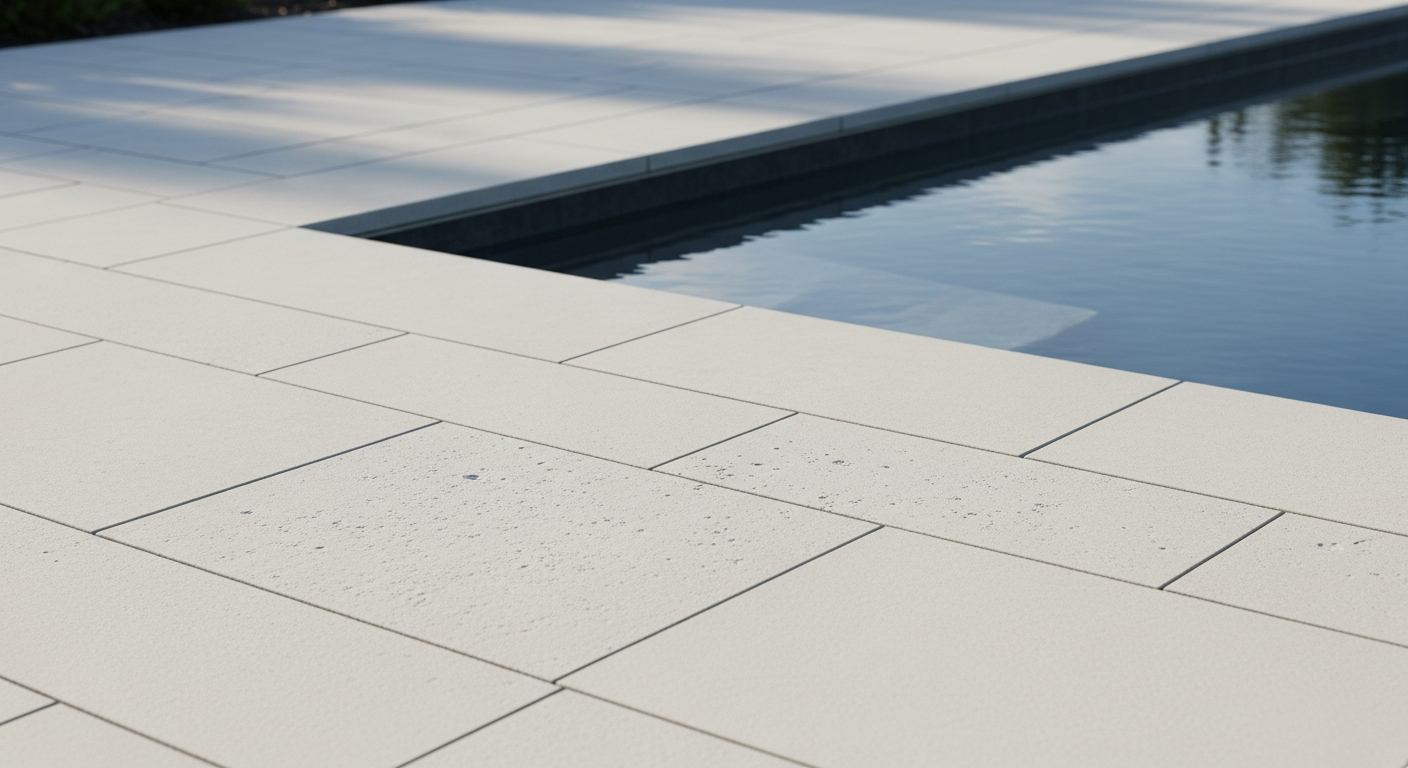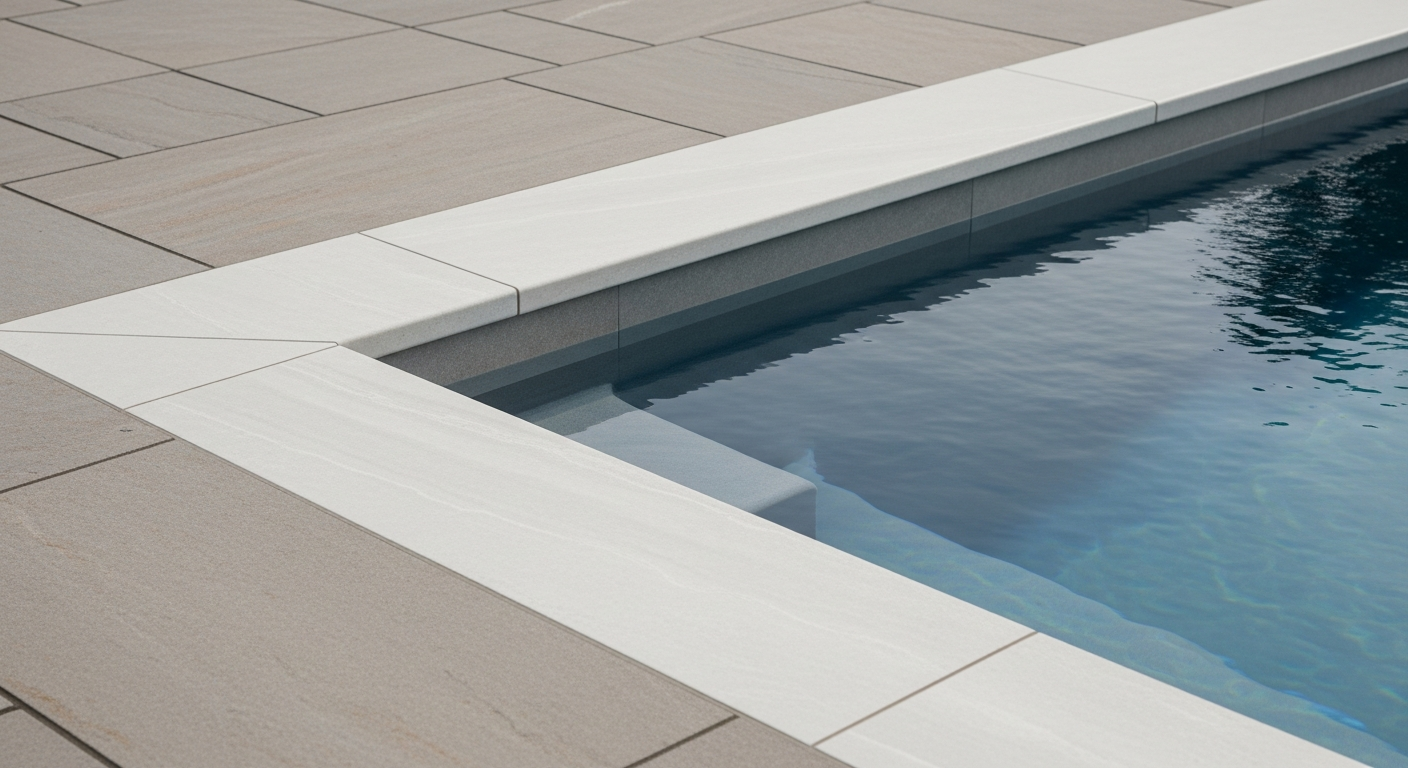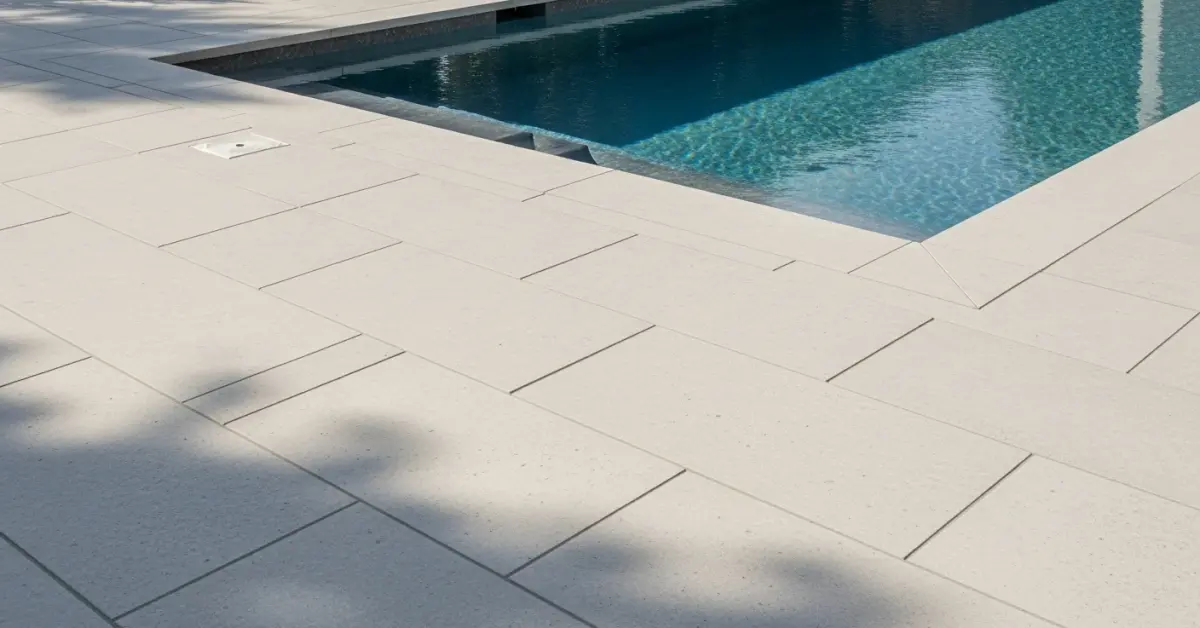
Porcelain Pavers Pool Deck: My Protocol for Zero-Shift Installation in Polk County's Sandy Soil
For homeowners in Polk County, a porcelain paver pool deck isn't just an upgrade; it's a commitment to year-round outdoor living. Yet, I’ve been called to fix more failed paver projects in Lakeland and Winter Haven than I can count. The primary failure point isn't the paver itself, but a fundamental misunderstanding of our local "sugar sand" soil combined with intense summer rains. Installers often use a generic base preparation that’s doomed from the start, leading to paver shifting, uneven surfaces (lippage), and cracked grout within two seasons. My entire approach is built on preventing this. The secret isn't in the paver, but in creating a hydro-engineered sub-base that actively manages water and provides unyielding stability. This method extends the deck's pristine appearance by an estimated 50% and virtually eliminates the need for re-leveling, a common and costly headache for properties from Davenport to Bartow.Diagnosing the Core Failure: The Polk County Soil & Water Challenge
The most common mistake I see is treating our local soil as a stable medium. It’s not. It's highly permeable and shifts dramatically when saturated during our daily afternoon thunderstorms. A standard 2-inch sand base over compacted dirt is a recipe for disaster. Water saturates the base, the fine native sand liquefies, and the pavers sink and slide. I once consulted on a large residential project in a newer Four Corners community where the entire pool deck had developed a 1-inch sag towards the lanai because the installer skipped one critical component. My proprietary methodology, which I call the Geotextile-Reinforced Aggregate Lock, directly addresses this. It’s a multi-layer system designed not just for support, but for rapid water percolation and total separation of soil layers. This prevents the sub-base from mixing with the native soil, which is the root cause of 90% of paver failures in this region.The Technical Breakdown of a Zero-Shift Sub-Base
The integrity of a porcelain paver deck lies invisible beneath the surface. My system focuses on three non-negotiable elements. First is the geotextile separation fabric. This is a high-tensile fabric laid directly over the compacted native soil. Its job is to permanently separate our fine Florida sand from the new aggregate base. Without it, the base material will slowly sink into the soil over time, creating dips and unevenness. Second is the base aggregate itself. I never use crushed shell or generic gravel. My specification is a minimum 4-inch layer of FDOT-approved #57 stone, compacted in 2-inch lifts with a vibratory plate compactor to 98% proctor density. This creates an incredibly stable, porous foundation that allows water to drain straight through, preventing the hydrostatic pressure that pushes pavers upward. Finally, the setting bed is a meticulously screeded 1-inch layer of washed concrete sand, which provides a firm, level bed for the pavers to lock into.Implementation: The Non-Negotiable Installation Checklist
Executing this requires precision. Deviating from any of these steps compromises the entire system. I've refined this process over dozens of Polk County projects to ensure a perfect, long-lasting result.- Excavation & Grading: We excavate to a depth of 7 inches from the final paver height. The area is then precisely graded with a 1/4-inch-per-foot slope away from the pool and any structures to ensure positive surface drainage.
- Sub-Soil Compaction: The native soil is compacted first. This is a step many crews skip, but it’s critical for initial stability.
- Geotextile Fabric Installation: The geotextile fabric is rolled out, overlapping all seams by at least 12 inches to ensure a continuous barrier.
- Aggregate Base Construction: The #57 stone is brought in and laid in 2-inch layers (lifts). Each lift is individually compacted until the full 4-inch minimum depth is achieved and tested for hardness.
- Setting Bed Screeding: We screed the 1-inch concrete sand bed using guide rails to ensure it is perfectly flat and consistent across the entire deck.
- Paver Placement & Grouting: The porcelain pavers are set in place. The critical final touch is the grout. We exclusively use a high-quality polymeric sand, which hardens when activated with water. It locks the pavers together, resists weed growth, and won't wash out during a Polk County downpour.
Precision Adjustments and My Quality Control Standards
Beyond the base, a few details separate an adequate job from a professional one. I insist on sourcing porcelain pavers with a Dynamic Coefficient of Friction (DCOF) rating of 0.45 or higher. This is a technical spec that measures slip resistance when wet, a non-negotiable safety factor around a pool. Many big-box store pavers fail to meet this standard. Furthermore, we incorporate subtle control joints filled with flexible silicone sealant at regular intervals and where the deck meets the pool coping or home foundation. In Florida's heat, materials expand and contract. These joints absorb that movement, preventing the immense pressure that can lead to cracked tiles and a buckled deck. This is a small detail that prevents a catastrophic failure five years down the road. Before you invest in a new pool deck, have you asked your installer what specific grade of aggregate they use and how they plan to prevent it from sinking into Polk County’s unique sandy soil?Written by

Tags
pool coping pavers
pool pavers near me
pool deck pavers
pavers pool
porcelain pool deck
Porcelain Pavers Pool Deck in Polk FL FAQ
Are porcelain pavers too hot for bare feet around a pool?
Lighter-colored porcelain pavers stay significantly cooler than natural stone or concrete, but they are not cool to the touch. Their low porosity means they don't retain as much heat as denser materials, making them a superior choice for pool decks in direct sun. The critical factor is color; a dark grey porcelain paver will still become uncomfortably hot. A non-obvious issue is the substrate: a paver set on a concrete slab will feel hotter than one set on a sand or gravel bed because the concrete base acts as a heat sink, storing and radiating warmth upwards.
Will my saltwater pool corrode or stain my new porcelain pavers?
No, porcelain pavers are virtually impervious to salt and common pool chemicals like chlorine, making them ideal for saltwater pool surrounds. Unlike porous natural stone which can suffer from spalling and salt efflorescence, porcelain has an extremely low water absorption rate, preventing chemicals from penetrating and causing damage. However, be aware that metal furniture or tools left on the deck can rust and leave stubborn stains. These are surface deposits, not a failure of the paver, and typically require a specialized acid-based cleaner to remove without damaging the paver's finish.
One of my porcelain pavers is wobbly. How do I fix it without redoing the whole deck?
A single wobbly paver almost always indicates a failure in the base material beneath it, not a fault in the paver itself. This is often caused by water washing away the jointing and bedding sand, creating a void. To fix this, the paver must be carefully lifted using a paver extractor tool. The bedding layer is then screeded level again with fresh sand, and the paver is re-set and compacted. The critical step most people miss is re-installing and activating the polymeric sand in the joints around the repaired paver to lock it in place and prevent future water intrusion.
Are porcelain pavers slippery when wet? They look so smooth.
Reputable porcelain pavers manufactured for outdoor use have a textured, anti-slip finish and are rated to meet safety standards. Look for a product with a high Dynamic Coefficient of Friction (DCOF) rating, typically above 0.42, which certifies its suitability for wet areas like pool decks. The non-obvious danger isn't the paver itself, but the buildup of organic material. A film of algae or biofilm can grow on any surface, making it extremely slick. Regular cleaning, not just the paver's inherent texture, is the key to maintaining a safe, slip-resistant surface year-round.
Can I pressure wash my porcelain paver deck to clean it?
Yes, you can pressure wash porcelain pavers, but the technique is critical to avoid damaging the joints. Use a fan-tip nozzle, never a pinpoint jet, and keep the pressure below 1,500 PSI. The biggest mistake is directing the spray at a sharp angle into the joints, as this will blast out the polymeric sand that locks the pavers together and prevents weeds. This sand is the structural glue of the system. Always spray at a shallow, sweeping angle across the surface to clean the paver face without compromising the integrity of the joints.
What's that white, chalky film on some of my darker porcelain pavers?
That white film is likely efflorescence, which is the migration of natural salts from the setting bed or concrete slab beneath the pavers. While porcelain itself is non-porous and does not produce efflorescence, moisture can travel up through the joints, evaporate, and leave these salt deposits on the paver surface. It is a cosmetic issue, not a structural one. A key insight is that this problem is often worse with a mortar-set installation over a concrete slab. It can usually be cleaned with specialized efflorescence removers, but addressing the underlying moisture source is the only permanent solution.