Polk County Pool Deck Pavers: My Framework for Preventing Sub-base Failure and Heat Retention by 30%
I've seen too many pool decks in Polk County fail not because of the pavers themselves, but because of what lies beneath. From projects in the sprawling new developments of Davenport to established homes in South Lakeland, the common enemy is sub-base degradation caused by our intense rainy season and high humidity. A standard installation simply can't handle the hydrostatic pressure and soil saturation. My entire approach is built on preventing this failure from the ground up, focusing on a proprietary base composition and paver selection that specifically counteracts the local climate. The goal isn't just a beautiful pool deck; it's a stable, cool, and low-maintenance surface that withstands the Florida elements for decades. The critical mistake I see contractors make is using standard builder-grade sand and a minimal aggregate base. This is a recipe for sinking pavers and persistent efflorescence (that white, chalky buildup) within two years. My methodology directly addresses this by creating a semi-permeable, incredibly stable foundation that actively manages water and heat.The Polk County Sub-base Catastrophe: My Diagnostic Approach
Before I even consider paver colors or patterns, my first step on any property, whether it's near the Chain of Lakes in Winter Haven or in a Haines City neighborhood, is a soil and drainage analysis. The sandy loam common in our area has poor load-bearing capacity when saturated. This observation led me to develop what I call the Aqua-Drain Base Protocol. It’s not just a layer of gravel; it's a multi-layered system designed for maximum water percolation and structural integrity. I identified that the primary failure point is the bedding sand layer, which liquefies under pressure when the sub-base is waterlogged, causing pavers to shift and sink. My protocol rejects the one-size-fits-all approach. I’ve refined this over years of correcting failed installations where the previous contractor simply compacted a few inches of fill dirt and called it a day. The Aqua-Drain Base Protocol ensures that water that gets through the paver joints has a clear path to dissipate away from the pool shell, preventing both paver movement and potential pressure against the pool’s structure.Deconstructing the Aqua-Drain Base Protocol
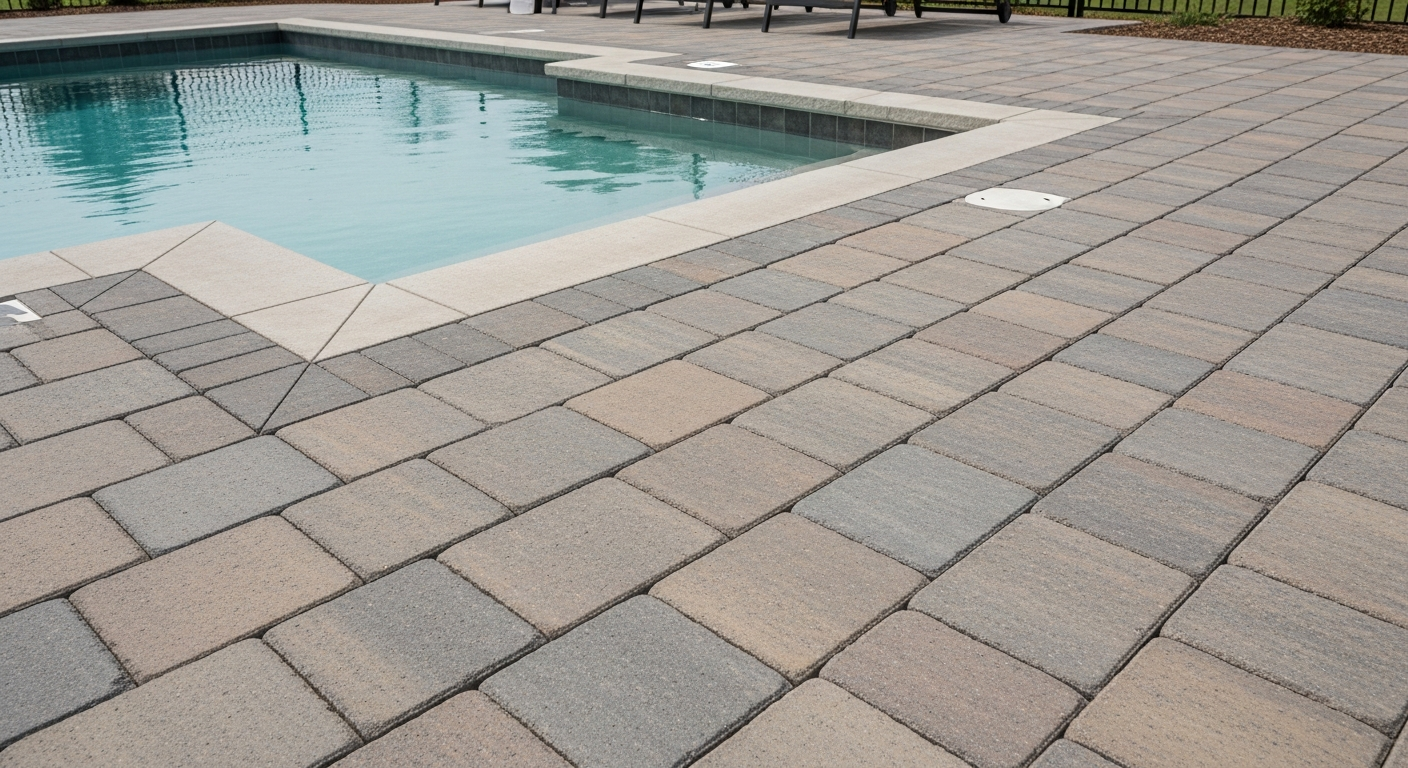
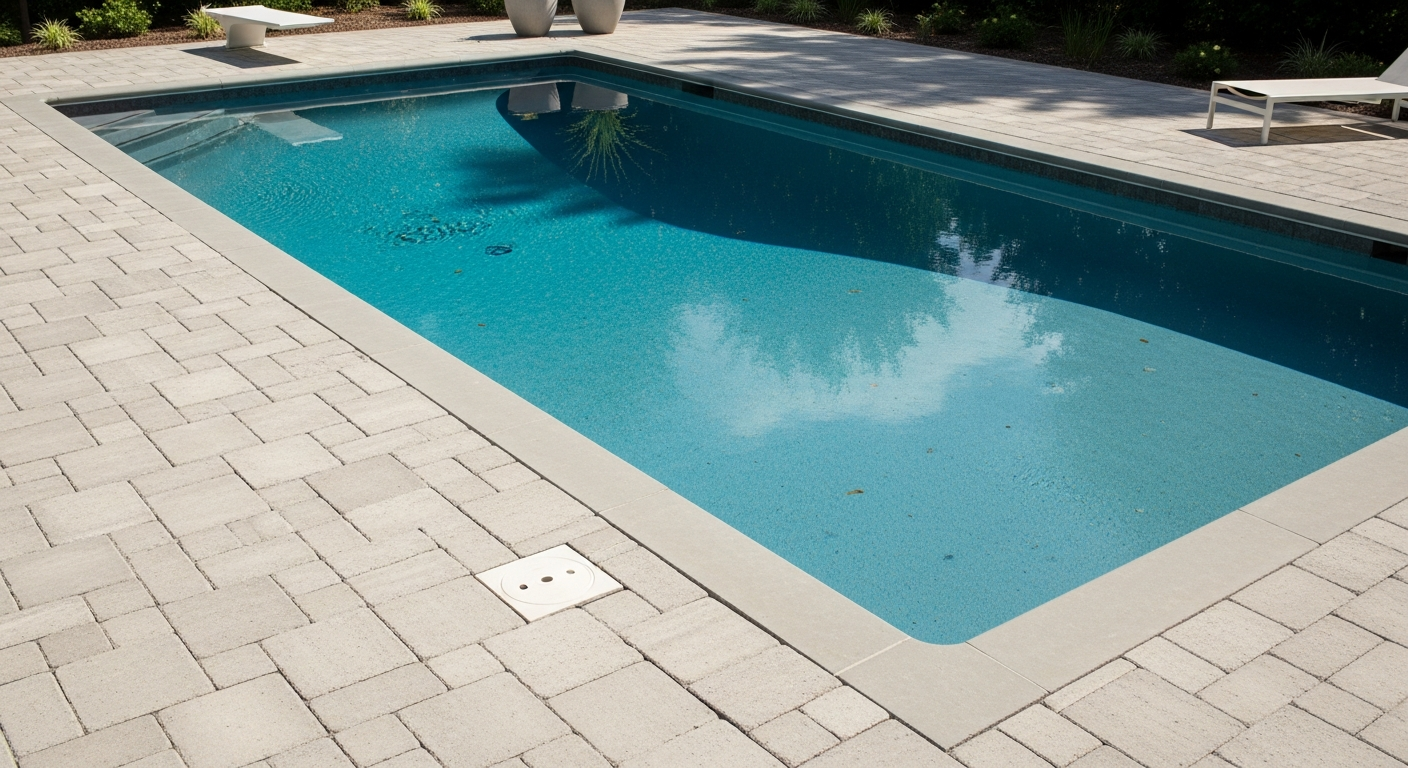
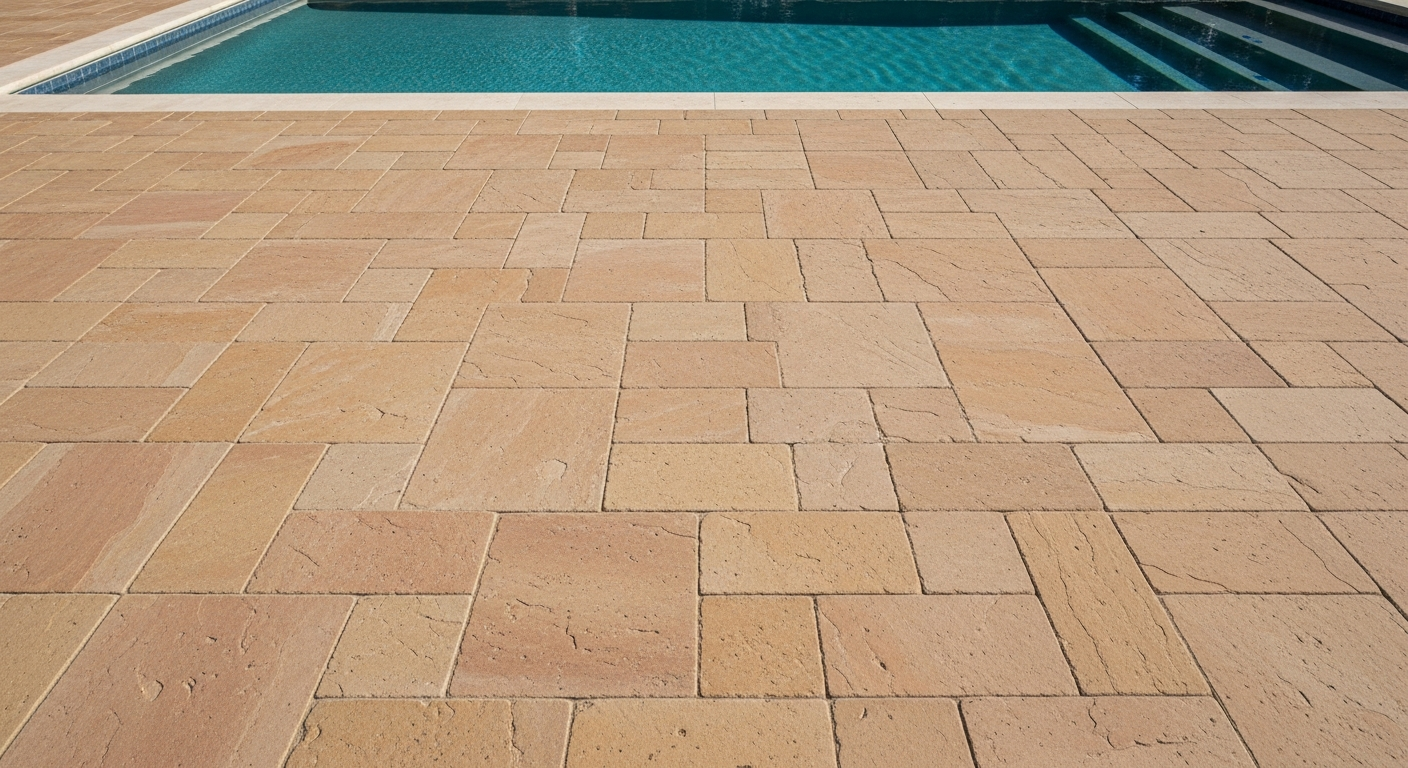
This isn't just about digging deeper; it's about using the right materials in the right sequence. The protocol has three core components. First is paver material selection. For Polk County's relentless sun, I almost exclusively recommend high-density travertine over concrete pavers. Its porous nature allows it to breathe and stay significantly cooler, often reducing surface temperature by up to 25% compared to dense concrete. This is a massive quality-of-life improvement. Second, the base composition is critical. I mandate a minimum 6-inch base of FDOT-certified crushed concrete aggregate, compacted in two separate 3-inch lifts. Each lift must be compacted to 98% Standard Proctor Density. This creates an unyielding foundation. Third, the bedding layer is where the real secret lies. Instead of standard sand, I use a specific 1-inch screeded layer of ASTM C33 washed sand. It's a coarse, angular sand that resists liquefaction and provides superior interlock for the pavers.Executing the Paver Installation: A Zero-Failure Checklist
A perfect base is useless if the installation is sloppy. I follow a strict, sequential checklist to ensure every project meets my standards for longevity and performance.- Excavation and Geotextile Barrier: I always begin with an excavation that accounts for the full 6-inch base, the 1-inch sand bed, and the paver height. Before any aggregate is laid, I install a non-woven geotextile fabric. This is a non-negotiable step in Florida. It separates our native sandy soil from the aggregate base, preventing the base from sinking into the ground over time.
- Aggregate Compaction: The 6-inch aggregate base is laid in two 3-inch layers. Each layer is individually watered and compacted with a plate compactor until the target density is met. This meticulous process prevents future settling.
- Screeding the Bedding Sand: Using 1-inch screed rails, the ASTM C33 sand is leveled to create a perfectly flat and uniform bed for the pavers to rest on. Precision here is critical for avoiding lippage (uneven paver height).
- Paver Laying and Jointing: Pavers are laid in the desired pattern, with consistent joint spacing of 1/8 to 1/4 inch. Once laid, the surface is filled with a high-grade polymeric sand. This type of sand contains a special polymer that hardens and locks the pavers together, preventing weed growth and insect intrusion while remaining flexible.
Post-Installation Sealing and Joint Stabilization
The final step is what guarantees the deck’s resilience against our humid climate and intense UV exposure. Many contractors use a cheap acrylic sealer that creates a plastic-like film, which traps moisture and eventually flakes off. I exclusively use a silane-siloxane penetrating sealer. This type of sealer soaks into the paver itself rather than sitting on top. It provides incredible water repellency without sealing off the paver’s natural ability to breathe. This single choice prevents the growth of mold and algae, a constant battle in Polk County. After sealing, a final pass with a vibratory plate compactor with a urethane pad is performed. The urethane pad prevents scuffing the pavers while the vibration fully settles the polymeric sand into the joints, creating a monolithic, yet flexible, surface. This final compaction is the key to achieving a 100% interlock factor across the entire deck. Now that your pavers are sealed and interlocked, have you accounted for the coefficient of friction required for slip resistance when wet, especially in the splash zones closest to the pool steps and edges?Written by

Tags
pool pavers and coping
concrete pool pavers
best pavers for pool deck
porcelain pavers pool deck
porcelain pool pavers