Ozone Pool Systems in Lee County: My Protocol for a 70% Reduction in Chlorine Demand
For years, I've serviced pools from the canal-front properties in Cape Coral to the larger lots in Fort Myers, and the story is always the same: a constant, expensive battle against the Florida sun and relentless algae. The common approach is to just keep dumping more chlorine, but that's a losing game here. I realized the core problem isn't just sanitization; it's the overwhelming oxidizer demand caused by our high temperatures, intense UV radiation, and heavy bather loads. My entire approach shifted when I stopped treating ozone as a simple "add-on" and started designing systems around it as the primary oxidizer. This reframing is critical. An ozone system isn't there to replace chlorine; it's there to handle the heavy lifting of oxidation, allowing a tiny, stable residual of chlorine (around 0.5-1.0 ppm) to exist solely for in-pool sanitization. This is how I consistently achieve a 60-80% reduction in chemical costs for my Lee County clients, while delivering water quality that is simply unattainable with chlorine alone. Forget the generic kits sold online; a successful system in our climate requires a specific, localized methodology.My Diagnostic Framework for Lee County Pools: Beyond Simple Water Testing
Before I even consider an ozone generator, I perform what I call a "Pool Oxidative Load Assessment." Standard water tests for pH and alkalinity are just the starting point. My analysis focuses on factors unique to our area that dictate the true demand on the system. I've seen countless undersized systems fail within a year because the installer ignored these local variables. My proprietary checklist includes a deep dive into the specific environment of the property. For example, a pool in a screened-in lanai in Lehigh Acres has a different profile than an open-air pool on Sanibel Island. The lanai traps humidity and heat, which can be detrimental to certain types of ozone generators, while the open-air pool is subjected to far more organic debris and direct UV degradation of any residual sanitizer. I assess the bather load, proximity to foliage (especially our notorious live oaks), and even the pool's circulation hydraulics. This detailed diagnosis is the absolute foundation for sizing and implementing a system that won't just work, but will excel.Corona Discharge vs. UV: The Humidity Factor and My Non-Negotiable Standard
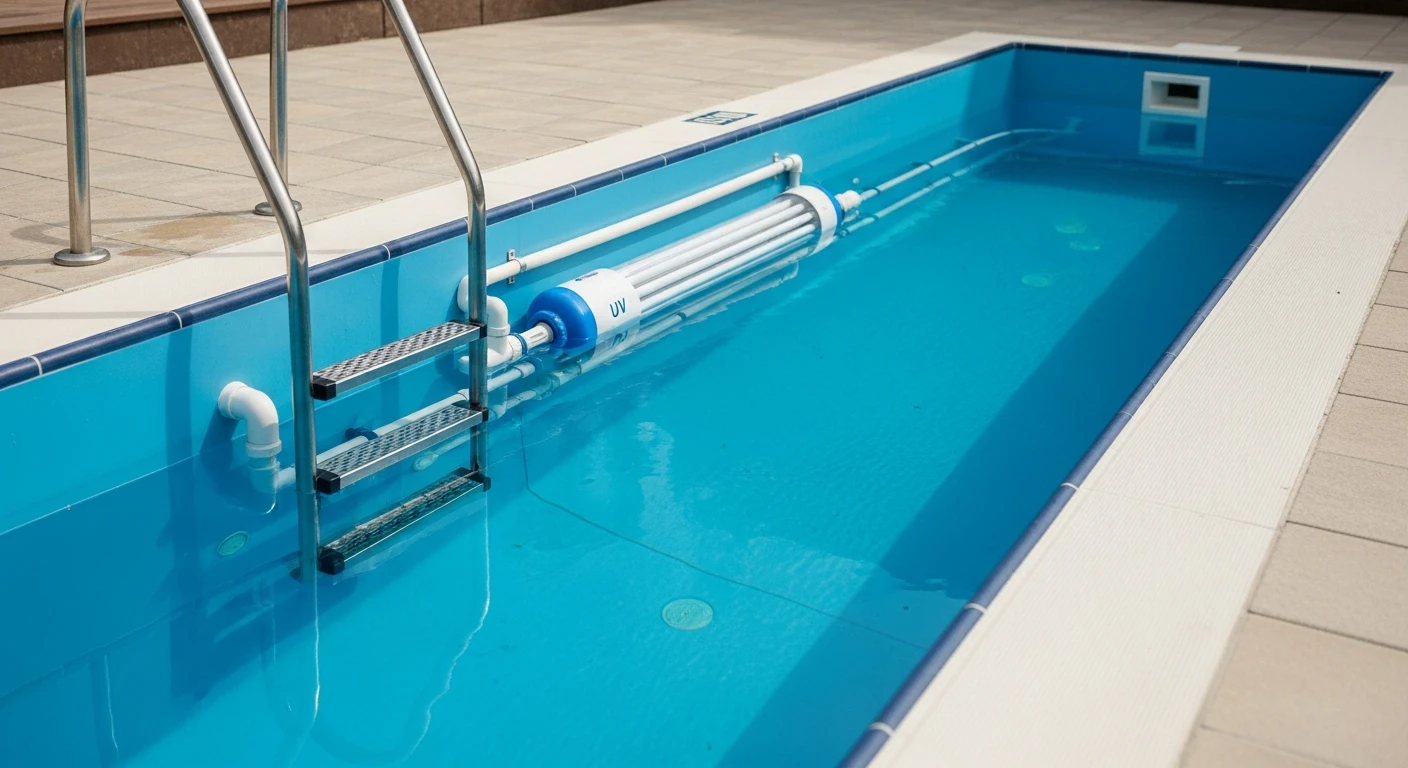
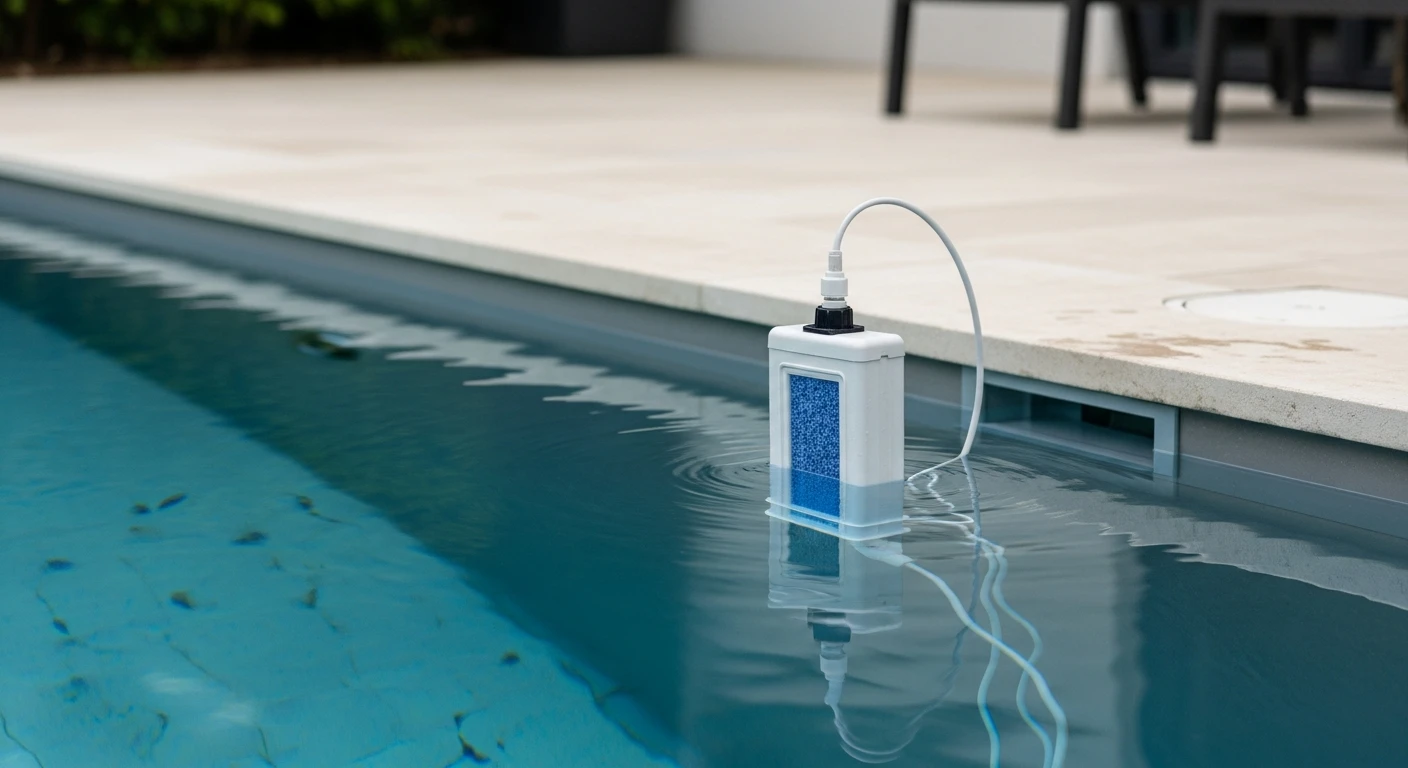
There are two main types of ozone generation: Ultraviolet (UV) and Corona Discharge (CD). For the power needed in Lee County's demanding environment, I almost exclusively specify CD systems. They produce a much higher concentration of ozone, which is essential for effective oxidation. However, there's a critical flaw in how they're typically installed here: our relentless humidity. Ingesting moist air will rapidly destroy a CD unit's internal components. I’ve had to replace expensive, year-old units because of this oversight. My non-negotiable installation standard is to ensure the equipment pad has adequate ventilation and the air intake for the ozonator is shielded from rain and sprinkler systems. The second critical component is the delivery system. The ozone must be injected into the water via a Venturi injector. The placement is paramount: it must be installed on the return line *after* all other equipment (filter, heater) but *before* the water returns to the pool. Placing it before the heater, a common mistake, can lead to ozone degrading the heater's internal components, a costly repair I've unfortunately seen firsthand.The Ozone Retrofit Blueprint: From Sizing to First Swim
Implementing an ozone system is a precise process. Guesswork leads to failure. Here is my streamlined, field-tested process for retrofitting an existing Lee County pool pump system for maximum efficiency.- Calculate True Oxidative Demand: I don't just use pool volume. I use a formula factoring in volume, sun exposure hours, and typical bather load to determine the required grams-per-hour (g/hr) ozone output. My rule of thumb for our area is to select a CD unit with an output rating at least 30% higher than the base calculation to handle summer heatwaves and post-storm debris.
- Verify Hydraulic Compatibility: I test the system's flow rate (GPM). The chosen Venturi injector has a specific operational range. If the pump's flow rate is too low, it won't create enough suction to draw in the ozone. This is a common failure point on older or variable-speed pumps not set correctly.
- Perform the Physical Installation:
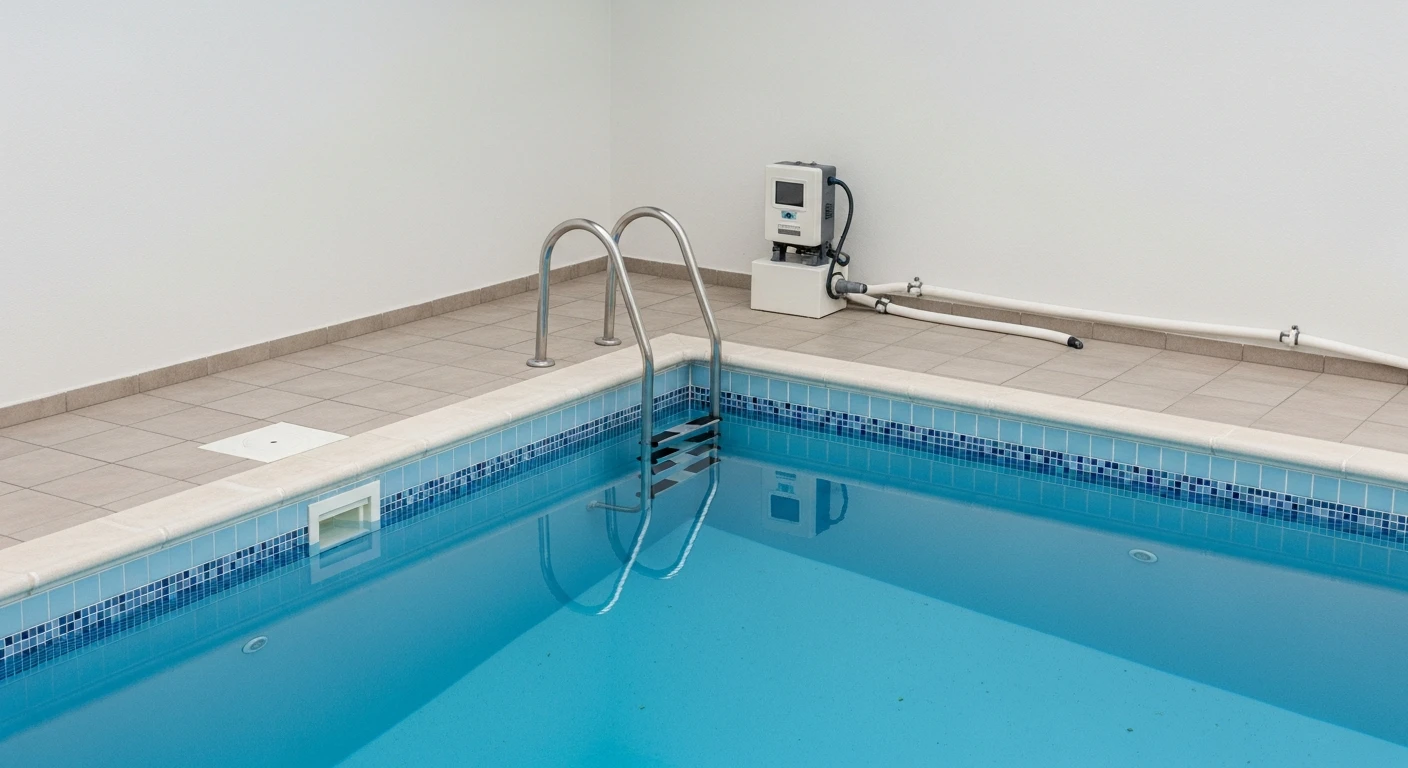
- Mount the ozone generator securely, ensuring it's protected from direct sun and moisture.
- Cut the return PVC line post-heater and install the Venturi injector assembly, ensuring all seals are perfect. No leaks.
- Run the ozone-resistant tubing from the generator to the injector's suction port. Use Kynar or Teflon tubing only; standard vinyl will quickly degrade.
- Integrate with the Pump Timer: The ozone generator must only run when the main circulation pump is running. I wire it directly to the load side of the pump's timer or relay. Running it on a deadhead line is a fire hazard and will destroy the unit.
Post-Installation: Calibrating for Peak Oxidation-Reduction Potential (ORP)
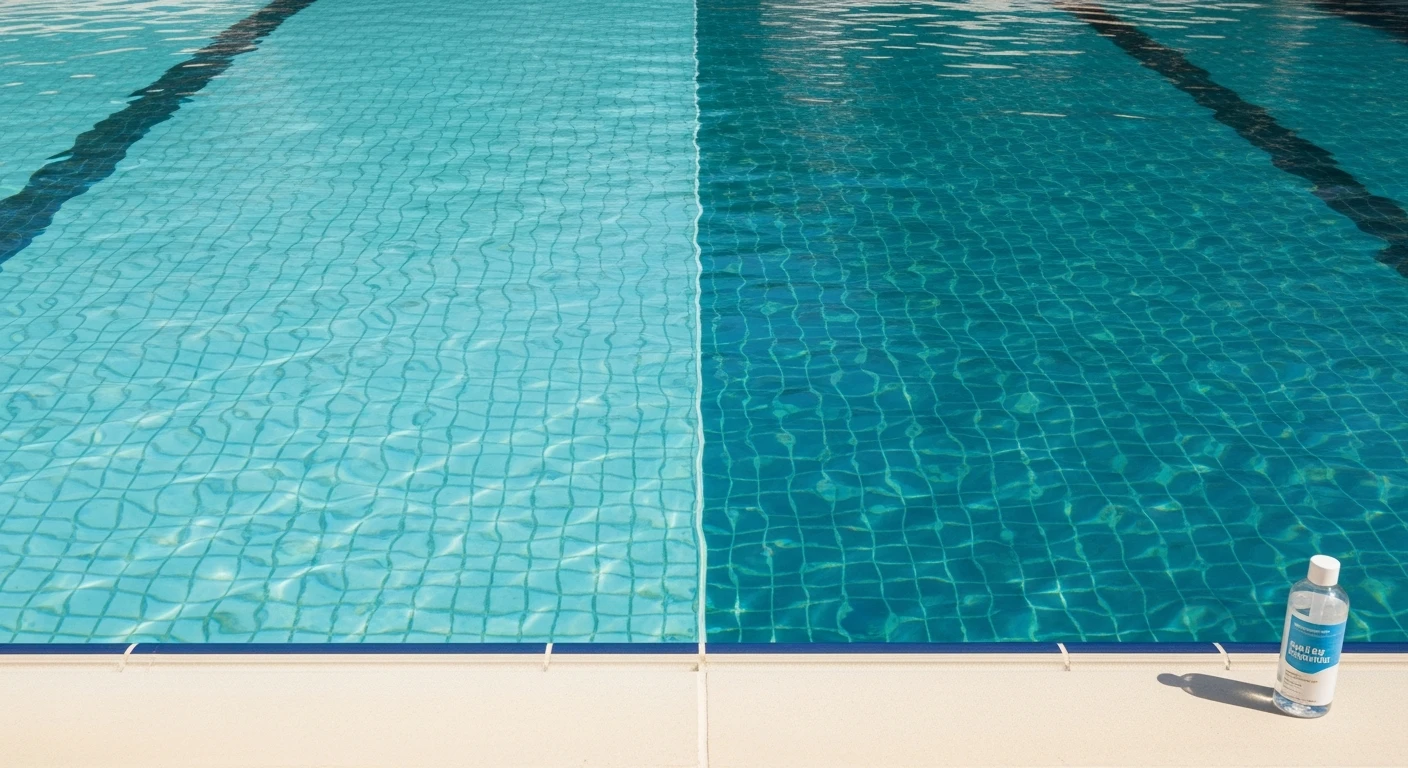
The job isn't done after the installation. The final, and most crucial, phase is calibration. I move beyond simple chlorine test strips and use a digital meter to measure the Oxidation-Reduction Potential (ORP). ORP, measured in millivolts (mV), is the true indicator of water purity and its ability to destroy contaminants. A typical chlorine pool in Florida might struggle to maintain 400-500mV. My quality standard for a newly ozonated pool is to achieve a stable ORP reading between 650mV and 750mV while maintaining a minimal free chlorine level of just 0.5 ppm. This high ORP level indicates the water is actively and aggressively oxidizing bacteria, oils, and other organics, which is why the water feels "silky" and looks crystal clear. It's this process of dialing in the ozone run time against the ORP reading that truly optimizes the system and locks in the long-term chemical savings. Instead of just asking how much chlorine your pool needs, shouldn't you be asking what its baseline ORP is and how effectively it's actually oxidizing contaminants?Written by

Tags
ozone for pools
uv ozone pool system
ozone and uv pool systems
ozone generator for swimming pool
Ozone Pool Systems in Lee FL FAQ
What is an ozone pool system?
An ozone pool system is a type of water treatment system that uses ozone gas to sanitize and disinfect pool water. Ozone is a natural and powerful oxidizing agent that effectively breaks down contaminants and bacteria, providing a safe and healthy swimming environment.
How does an ozone pool system work?
An ozone pool system works by generating ozone gas, which is then injected into the pool water. The ozone gas reacts with the water to break down contaminants, bacteria, and other impurities, leaving the water clean and clear.
What are the benefits of using an ozone pool system?
The benefits of using an ozone pool system include reduced chemical usage, improved water quality, and a safer swimming environment. Ozone systems also reduce chlorine usage, which can be harsh on skin and hair, and produce fewer byproducts that can affect the pool environment.
Is an ozone pool system more expensive than traditional chlorine systems?
While the initial cost of an ozone pool system may be higher than a traditional chlorine system, the long-term savings and benefits can be significant. Ozone systems require less maintenance and fewer chemicals, which can reduce operating costs over time.
Can I install an ozone pool system myself?
While it is possible to install an ozone pool system yourself, it is recommended to hire a professional pool technician to ensure proper installation and configuration. Improper installation can lead to reduced effectiveness and potential damage to the system or pool equipment.
How often should I maintain my ozone pool system?
Regular maintenance is essential to ensure the effectiveness and longevity of an ozone pool system. This includes regular inspections, cleaning, and replacement of components as needed. Refer to your system's user manual for specific maintenance recommendations.
What kind of support does your company offer for ozone pool systems?
Our company offers comprehensive support for ozone pool systems, including technical assistance, repair services, and spare parts. We also provide regular maintenance and maintenance planning to help ensure the optimal performance of your system.
Is ozone pool water safe for human consumption?
While ozone pool water is safe for human consumption, it is not recommended for drinking. Ozone systems are designed for pool sanitation and disinfection, and the water may not meet drinking water standards. Always drink bottled or filtered water for human consumption.
Can ozone pool systems be used in saltwater pools?
Yes, ozone pool systems can be used in saltwater pools. However, it is recommended to consult with a professional pool technician to ensure proper configuration and installation of the system. Saltwater pools have unique requirements and may require special considerations.
How do I know if an ozone pool system is right for my pool?
To determine if an ozone pool system is right for your pool, consider the size and type of your pool, the amount of use it gets, and your desired level of water quality. A professional pool technician can also assess your pool's specific needs and recommend the best system for your situation.