UV Pool Systems for Lee County Pools: My Protocol for a 90% Reduction in Chloramines & Algae Spores
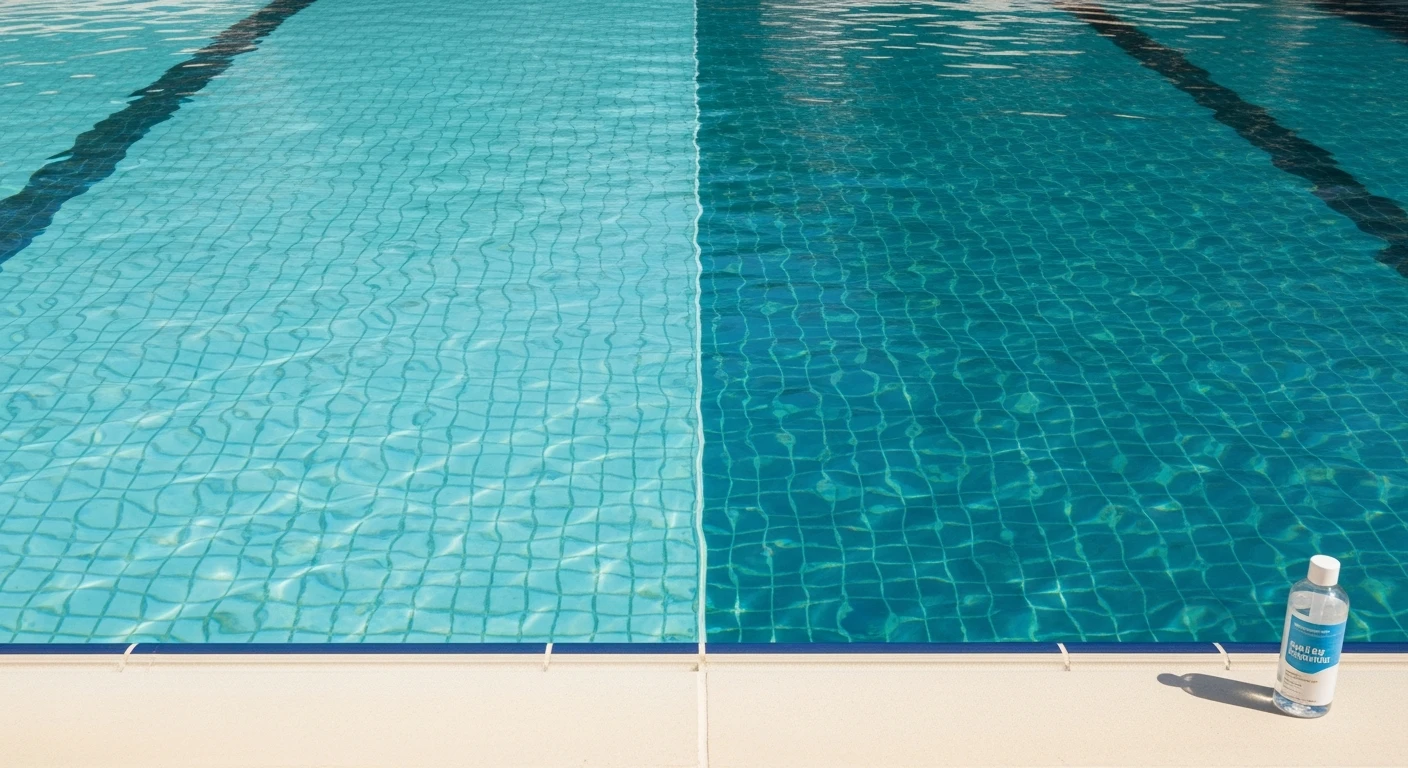
After servicing hundreds of pools from the canal-front homes in Cape Coral to the waterfront estates on Sanibel Island, I've pinpointed the primary failure point in local pool maintenance: an over-reliance on chlorine to combat the intense Florida sun. This leads directly to high levels of chloramines—the compounds that cause that "chlorine smell" and skin irritation—and recurring algae blooms, especially during our humid rainy season. A correctly sized and installed UV-C sanitation system is not a luxury here; it's the most effective strategy to break this chemical dependency cycle, directly neutralizing 99.9% of chlorine-resistant microorganisms before they ever have a chance to multiply. My approach sidesteps the common "gallonage" metric for a far more precise calculation based on your system's actual flow rate. For the typical lanai-enclosed pool in Fort Myers, this often means we can reduce physical chlorine consumption by up to 80%. The goal is to use the UV system as the primary sanitizer and chlorine as a residual oxidizer, creating water that is clearer, safer, and significantly less harsh on swimmers and equipment. This is how you achieve a truly pristine pool in the demanding Lee County climate.My Chloramine Saturation Point (CSP) Diagnostic for Florida Pools
The first mistake I see is treating all pool problems with more chlorine. In Lee County, the intense sun degrades free chlorine at an accelerated rate. Homeowners compensate by "shocking" the pool, often raising the combined chlorine (chloramines) to irritating levels without solving the root cause. My proprietary diagnostic, the Chloramine Saturation Point (CSP) analysis, is how I prevent this. It involves more than a simple water test strip. I measure the Free Chlorine (FC), Total Chlorine (TC), and calculate the Combined Chlorine (CC = TC - FC). When the CC level exceeds 0.5 ppm, it's a clear indicator that the pool is fighting a losing battle, and the water's oxidizing potential is compromised. This is the point where a UV system becomes critical.Sizing the UV-C Emitter: Why Flow Rate Trumps Gallonage
The industry standard of sizing a UV unit based on pool volume (gallons) is fundamentally flawed for our region. The critical metric for a UV-C system's effectiveness is dwell time—the duration the water is exposed to the UV-C light inside the reactor chamber. This is entirely dependent on the Gallons Per Minute (GPM) your pump is actually moving. I've seen massive pools in Bonita Springs with low-flow variable-speed pumps that require a smaller UV unit than a compact spa with a high-power, single-speed pump. Sizing based on GPM ensures you achieve the required mJ/cm² (millijoules per square centimeter) dosage to eradicate pathogens like Cryptosporidium and algae spores, something chlorine alone struggles with. A unit undersized for the flow rate is just an expensive glowing tube.The Post-Pump, Pre-Heater Installation Sequence
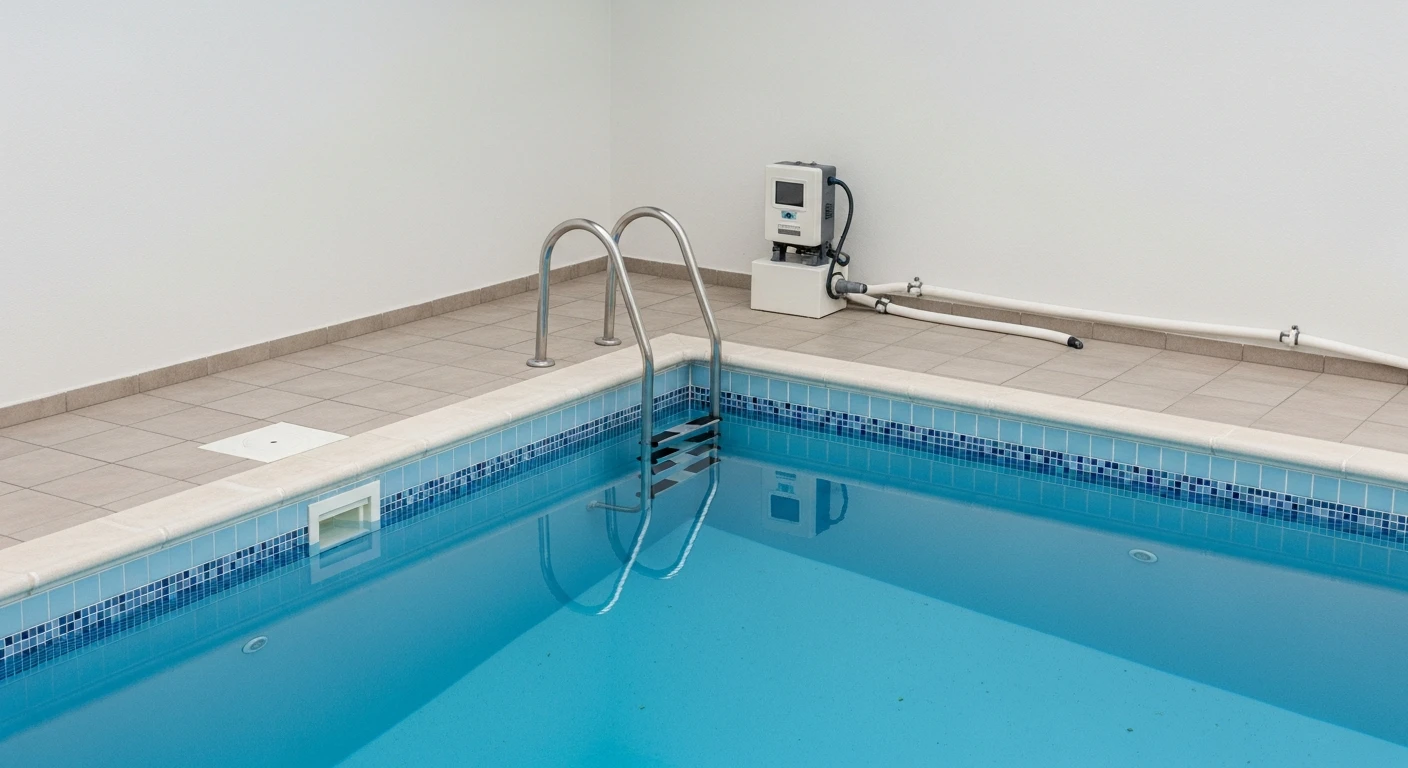
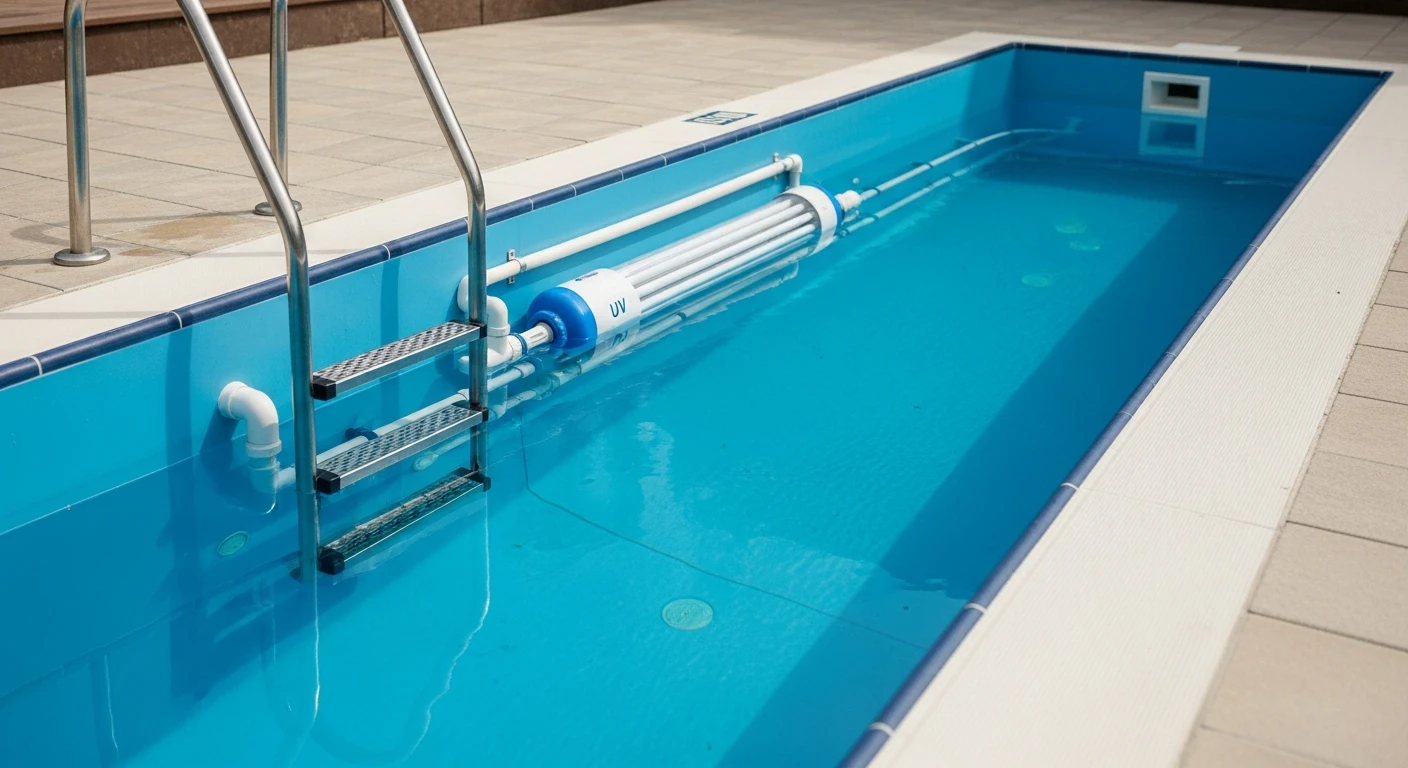
Proper placement of the UV unit within the plumbing is non-negotiable for performance and equipment longevity. I have a strict, field-tested installation protocol that I've used on countless projects across Lee County. Placing the unit in the wrong sequence can lead to premature lamp failure or, worse, damage to other expensive equipment like your heater.- System Flow Rate Audit: Before any installation, I attach a flow meter to the plumbing to get a true GPM reading. I never trust the manufacturer's label on the pump, as pipe length, bends, and a dirty filter all impact the actual flow.
- Post-Filter Placement: The UV unit must always be installed after the filter. This ensures that the water entering the UV chamber is free of debris, which could shield microorganisms from the UV-C light and coat the quartz sleeve, reducing its effectiveness.
- Vertical Installation Priority: Whenever possible, I mount the UV unit vertically with the inlet at the bottom. This simple step, often overlooked, prevents air from getting trapped in the chamber, which can create hot spots on the quartz sleeve and cause it to fail.
- Pre-Chlorinator/Heater Splicing: The unit must be plumbed in before any chemical feeder or heater. The intense UV-C light can degrade chlorine and damage plastic components and heat exchanger cores over time. This sequence protects your other investments.
- Pump Relay Integration: The UV system's power supply must be wired directly to the pump's power relay. This ensures the UV lamp is only powered on when water is flowing. Running the lamp dry will cause it to overheat and burn out in minutes, a costly mistake I've seen others make.
Calibrating for the Rainy Season: My Cyanuric Acid & UV-C Synergy Method
Our summer downpours in Lee County wreak havoc on pool chemistry, primarily by diluting Cyanuric Acid (CYA), the stabilizer that protects chlorine from the sun. With a UV system installed, I intentionally run a lower CYA level—typically between 30-50 ppm instead of the 80-100 ppm many local pool stores recommend. The UV system handles the primary germicidal work, so we no longer need a massive reserve of stabilized chlorine. This synergy prevents the high CYA levels that can lead to "chlorine lock," where chlorine becomes slow and ineffective. It's a precision adjustment that saves on chemical costs and results in a more responsive and healthier swimming environment, even during the most challenging months. Now that you understand the process, have you audited your pump’s actual GPM against your filter's back pressure to determine the precise UV dosage your Lee County pool truly requires?Written by

Tags
uv pool sanitizer
uv pool filter
uv pool
uv ozone pool system
UV Pool Systems in Lee FL FAQ
What is a UV pool system?
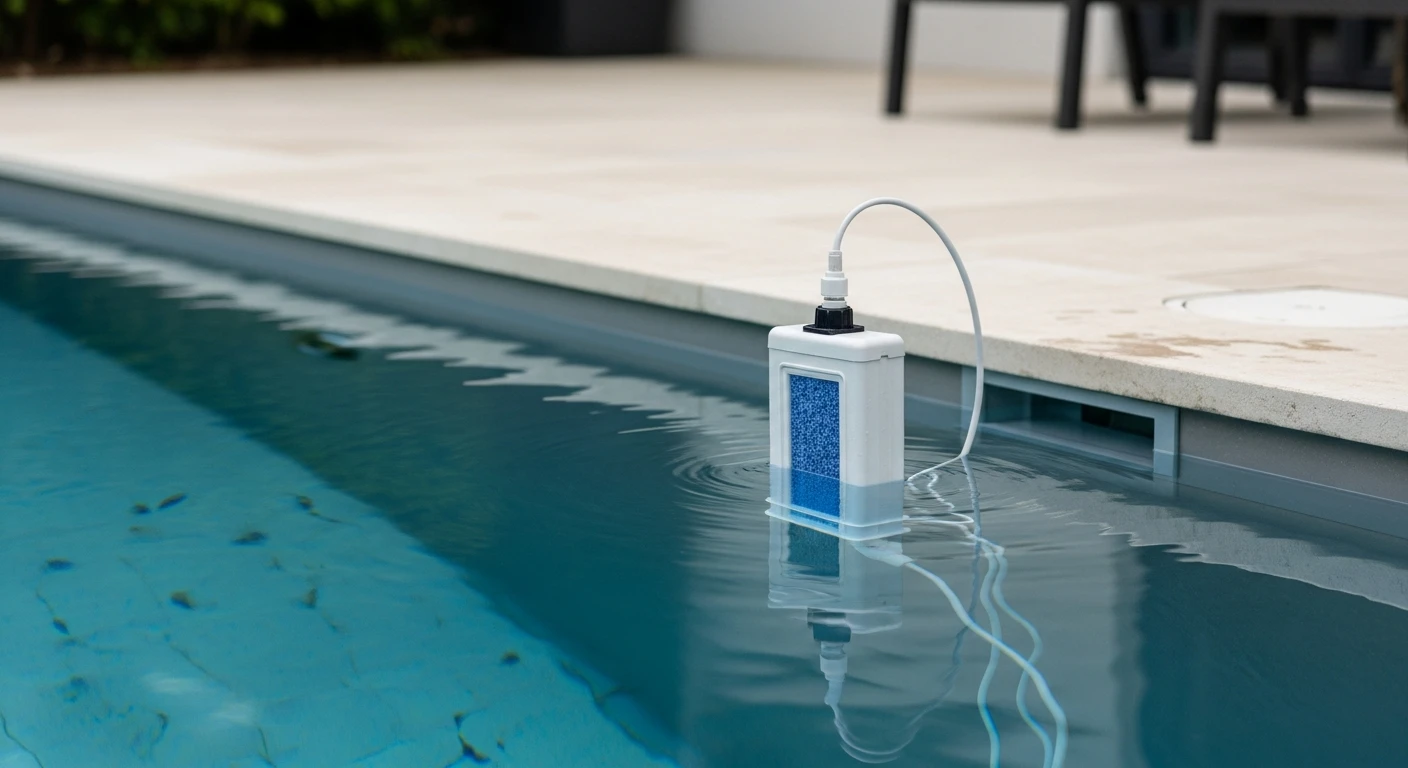
A UV pool system is a type of water treatment system that uses ultraviolet (UV) light to kill bacteria, viruses, and other microorganisms in pool water. UV systems work by emitting a specific wavelength of UV light that damages the DNA of these microorganisms, rendering them harmless.
How does a UV pool system work?
A UV pool system works by circulating pool water through a UV reactor chamber, where it is exposed to the UV light. The UV light inactivates bacteria, viruses, and other microorganisms, killing them and ensuring the water is safe for swimming.
What are the benefits of using a UV pool system?
The benefits of using a UV pool system include improved water quality, reduced chlorine usage, and increased swimmer comfort. UV systems also eliminate the need for shock treatments and reduce the risk of algae growth.
Can UV pool systems replace traditional chlorine disinfection?
While UV pool systems are effective in killing bacteria and viruses, they cannot completely replace traditional chlorine disinfection. UV systems are best used in conjunction with chlorine or other disinfectants to provide comprehensive water treatment.
How often should I replace my UV lamp?
The frequency of replacing your UV lamp depends on the manufacturer's recommendations and usage patterns. Typically, UV lamps should be replaced every 6-12 months or when the lamp's intensity decreases by 20-30%.
Can I install a UV pool system myself?
While it is possible to install a UV pool system yourself, it is recommended to hire a professional installer to ensure proper installation and maintenance. Improper installation can lead to reduced effectiveness and potentially damage your pool equipment.
How do I maintain my UV pool system?
To maintain your UV pool system, regular cleaning and replacement of the UV lamp, as well as monitoring and adjusting the system's settings, are recommended. It is also essential to follow the manufacturer's maintenance instructions for your specific system.
Can UV pool systems be used with saltwater pools?
Yes, UV pool systems can be used with saltwater pools. However, it is essential to ensure the system is designed and installed specifically for saltwater pools to avoid corrosion and other issues.
Are UV pool systems energy-efficient?
Yes, UV pool systems are energy-efficient compared to traditional chlorine disinfection methods. They use significantly less energy to operate and can help reduce your overall pool energy costs.