Ozone Pool Systems in Pinellas County: My Method for a Stable 700+ ORP and 60% Less Chlorine
As a pool system specialist working exclusively in Pinellas County, I’ve seen firsthand how our relentless sun and high humidity wage war on traditional chlorine pools. From the waterfront homes in Snell Isle to the family neighborhoods in Dunedin, the common complaint is the same: a constant battle with algae, high chemical costs, and that overpowering chlorine smell. The standard solution of shocking the pool or adding more cyanuric acid-based tabs is a short-term fix that, over time, creates a bigger problem by locking up free chlorine and damaging surfaces. My approach isn't about adding more chemicals; it's about fundamentally changing the water's chemistry. I've developed a methodology centered on ozone sanitation that consistently achieves a crystal-clear pool with a drastic reduction in chlorine demand. This isn't just about replacing one sanitizer with another. It's about installing an oxidation system that works *with* a minimal chlorine residual, creating water that is safer, healthier, and far easier to maintain, even during the peak of a St. Petersburg summer.The ORP-Centric Diagnostic Protocol for Pinellas Pools
Before I even discuss equipment, my first step is a full water chemistry audit focused on a single, critical KPI: Oxidation-Reduction Potential (ORP). Most pool services in the Clearwater area focus solely on Free Chlorine (FC) levels. This is a critical error I’ve corrected on countless projects. FC tells you how much sanitizer is present, but ORP tells you how effectively that sanitizer is working. In our high-heat environment, a pool can have a "perfect" 3.0 ppm FC reading but an ORP below 600mV, meaning it has virtually no power to kill bacteria or algae. My proprietary diagnostic process establishes a baseline ORP and identifies the exact chemical load fighting against sanitation. This involves testing for phosphates (a major algae food source washed in by our frequent rains), nitrates, and the level of Total Dissolved Solids (TDS). An ozone system’s effectiveness is directly tied to this initial state. A pool with a high chemical load will require a more robust ozone generator and a more aggressive initial water treatment before installation. Ignoring this step is the number one reason I see underperforming ozone installations in the area.Corona Discharge vs. UV: The Pinellas Climate Decider
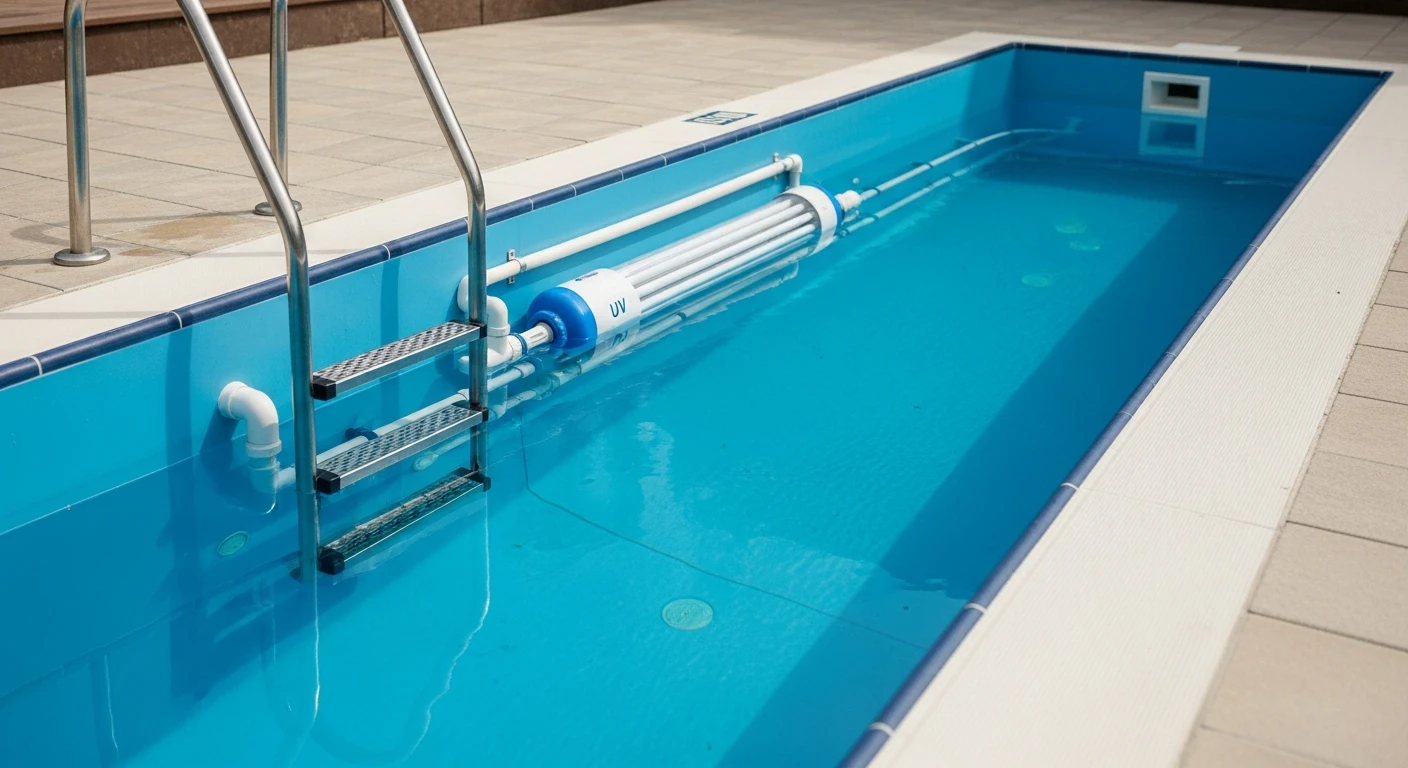
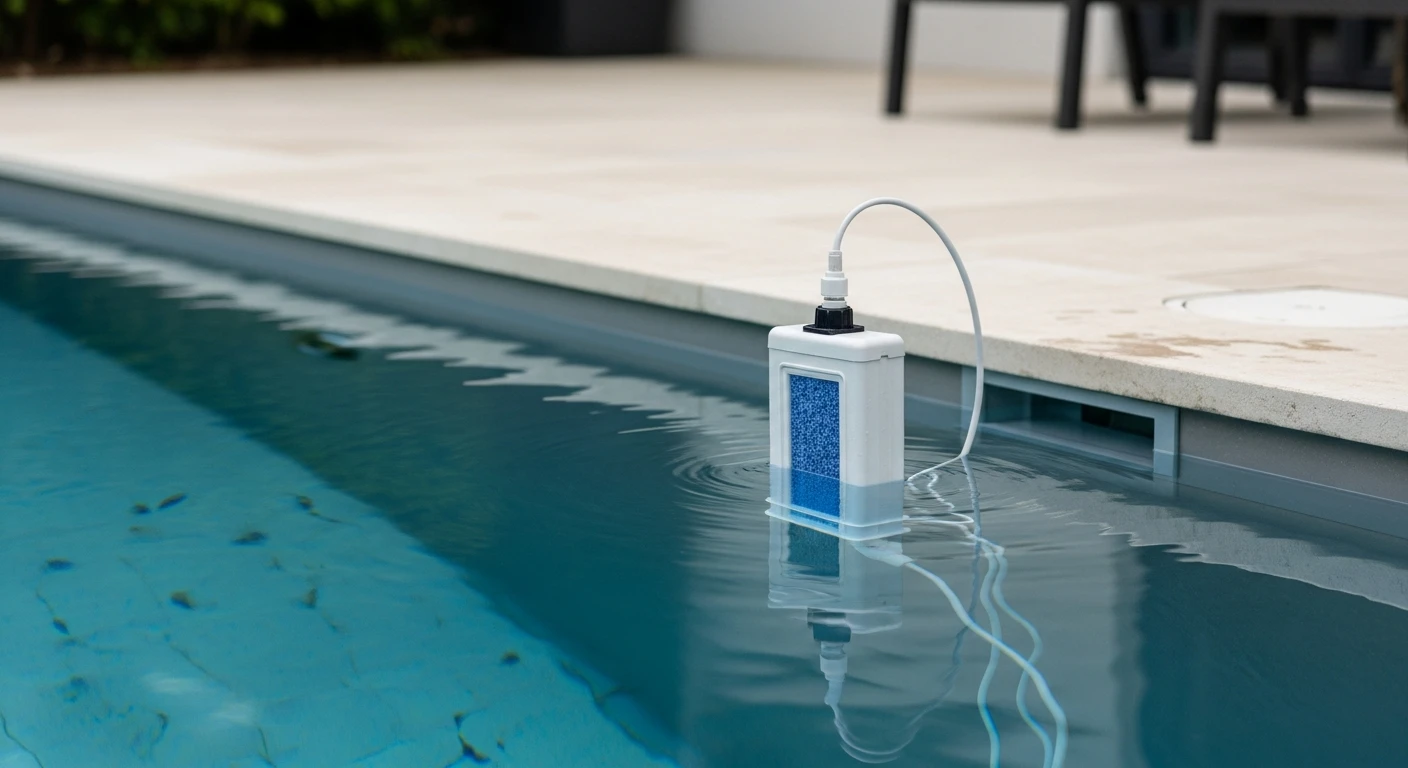
When selecting an ozone generator, there are two primary technologies: Corona Discharge (CD) and Ultraviolet (UV). For the Pinellas County climate, this isn't a matter of preference; it's a technical necessity. I exclusively install Corona Discharge systems equipped with an integrated air dryer. Here's why: UV ozone generators use a UV lamp to convert oxygen into ozone. Their output is severely diminished by humidity. In our Tarpon Springs-level humidity, a UV system can lose up to 50% of its rated ozone output. A CD generator, on the other hand, uses high-voltage electricity to split oxygen molecules. While also affected by humidity, pairing it with an air dryer pre-treats the air, removing moisture and ensuring a consistent, high-concentration ozone output. I’ve seen projects where a competitor installed a less expensive UV system, only for it to fail at keeping up during our rainy season in July and August. The air dryer is not an optional add-on here; it's a mission-critical component for year-round performance in our specific climate.My 5-Step Ozone Integration for Florida Pools
Proper installation is more than just plumbing. It's about maximizing ozone's contact time with the water and ensuring it works in synergy with the rest of your equipment. My process is standardized to deliver predictable results.- Step 1: System Sizing Based on Environmental Load: I calculate the required ozone output not just on pool gallons, but on factors specific to our area: full sun exposure, bather load, and proximity to foliage (like the oak trees common in Old Northeast). A 30,000-gallon screened-in pool in Palm Harbor has a completely different oxidation demand than an unscreened one of the same size in Tierra Verde.
- Step 2: Venturi Injector Placement: The ozone must be injected into the water under pressure. I install a Venturi injector in the plumbing line immediately after the pump and before the filter. Placing it after the filter is a common mistake that reduces mixing and efficiency. The Venturi uses water flow to create a powerful vacuum that pulls the ozone gas into the water stream, ensuring microscopic bubbles and maximum saturation.
- Step 3: Degassing & Contact Tank Installation: For maximum safety and effectiveness, I often install a contact/degassing tank. This allows the highly-concentrated ozonated water to have a longer contact time to neutralize contaminants before it re-enters the pool. Any excess ozone gas is safely vented. This is particularly critical for pools with attached spas or water features.
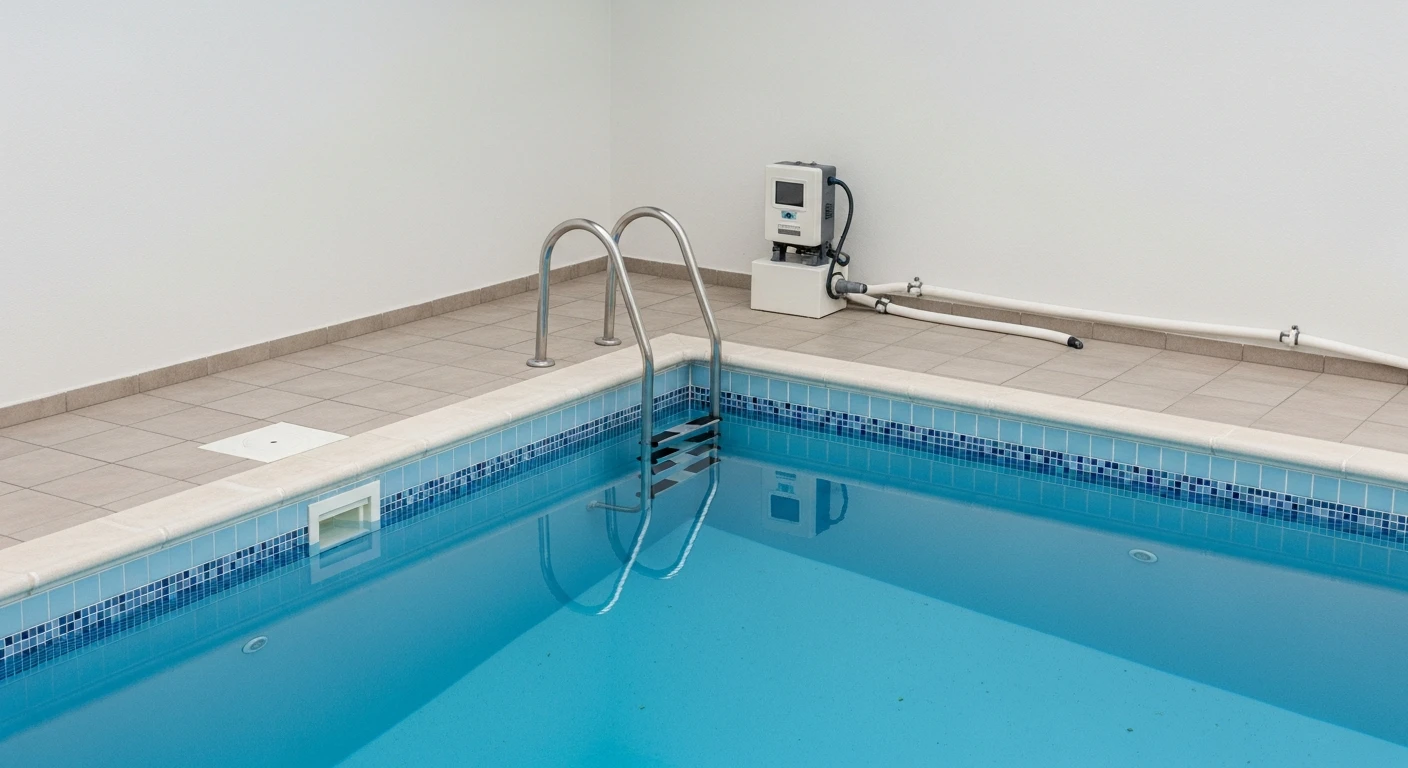
- Step 4: ORP Controller Integration: This is the brain of the system. An automated ORP controller constantly measures the water's sanitation level and can modulate a secondary sanitizer, like a liquid chlorine feeder. My target is to program the system to maintain a stable ORP between 650mV and 750mV. This automates water management and prevents over-chlorination.
- Step 5: Residual Sanitizer Calibration: Once the ozone system is running, I dial back the primary chlorine source significantly. The goal is to maintain a very low, stable free chlorine residual of just 0.5 to 1.0 ppm. This small amount is all that's needed to handle any contaminants introduced directly into the pool, as the ozone has already done the heavy lifting of oxidation at the equipment pad.
Fine-Tuning for Peak Performance & Water Clarity
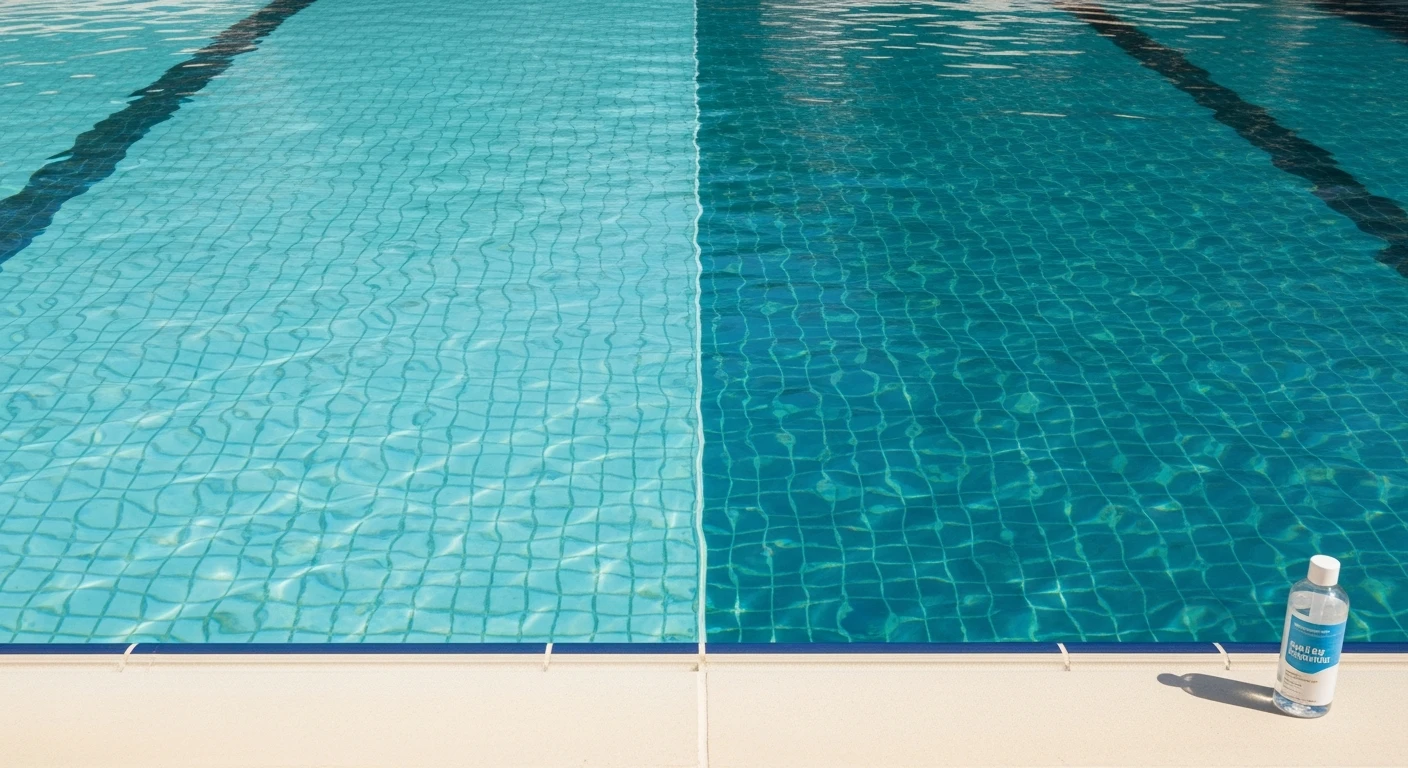
After installation, the job is not complete. My quality standard is simple: the water must achieve a level of clarity and feel that is noticeably superior to that of a traditional chlorine pool. This involves fine-tuning the system over the first few weeks. I will adjust the Venturi injector's flow rate and the ORP controller's set points to match the pool's specific usage patterns. A properly calibrated system will leave the water feeling silky, with absolutely no chemical odor—just the faint, clean smell of "fresh rain" near the return jets, which is the signature of effective ozonation. This final calibration ensures a reduction in overall chemical consumption by at least 60% and extends the life of pool surfaces and equipment by reducing the harsh chemical load. Are you still managing your pool based on fluctuating chlorine levels, or are you ready to control its actual oxidation potential?Written by

Tags
ozone for pools
uv ozone pool system
ozone and uv pool systems
ozone generator for swimming pool
Ozone Pool Systems in Pinellas FL FAQ
What is an ozone pool system?
An ozone pool system is a type of water treatment system that uses ozone gas to sanitize and disinfect pool water. Ozone is a natural and powerful oxidizing agent that effectively breaks down contaminants and bacteria, providing a safe and healthy swimming environment.
How does an ozone pool system work?
An ozone pool system works by generating ozone gas, which is then injected into the pool water. The ozone gas reacts with the water to break down contaminants, bacteria, and other impurities, leaving the water clean and clear.
What are the benefits of using an ozone pool system?
The benefits of using an ozone pool system include reduced chemical usage, improved water quality, and a safer swimming environment. Ozone systems also reduce chlorine usage, which can be harsh on skin and hair, and produce fewer byproducts that can affect the pool environment.
Is an ozone pool system more expensive than traditional chlorine systems?
While the initial cost of an ozone pool system may be higher than a traditional chlorine system, the long-term savings and benefits can be significant. Ozone systems require less maintenance and fewer chemicals, which can reduce operating costs over time.
Can I install an ozone pool system myself?
While it is possible to install an ozone pool system yourself, it is recommended to hire a professional pool technician to ensure proper installation and configuration. Improper installation can lead to reduced effectiveness and potential damage to the system or pool equipment.
How often should I maintain my ozone pool system?
Regular maintenance is essential to ensure the effectiveness and longevity of an ozone pool system. This includes regular inspections, cleaning, and replacement of components as needed. Refer to your system's user manual for specific maintenance recommendations.
What kind of support does your company offer for ozone pool systems?
Our company offers comprehensive support for ozone pool systems, including technical assistance, repair services, and spare parts. We also provide regular maintenance and maintenance planning to help ensure the optimal performance of your system.
Is ozone pool water safe for human consumption?
While ozone pool water is safe for human consumption, it is not recommended for drinking. Ozone systems are designed for pool sanitation and disinfection, and the water may not meet drinking water standards. Always drink bottled or filtered water for human consumption.
Can ozone pool systems be used in saltwater pools?
Yes, ozone pool systems can be used in saltwater pools. However, it is recommended to consult with a professional pool technician to ensure proper configuration and installation of the system. Saltwater pools have unique requirements and may require special considerations.
How do I know if an ozone pool system is right for my pool?
To determine if an ozone pool system is right for your pool, consider the size and type of your pool, the amount of use it gets, and your desired level of water quality. A professional pool technician can also assess your pool's specific needs and recommend the best system for your situation.