UV Pool Systems in Pinellas County: A 70% Reduction in Chlorine Demand Protocol
I've spent years calibrating pool systems across Pinellas County, and the most persistent issue I encounter is the constant, losing battle against chlorine demand. Homeowners in St. Pete Beach and Clearwater, with their pools baking under the intense Florida sun, are dumping shocking amounts of chlorine just to maintain minimum sanitation levels. A UV system isn't just a "nice-to-have" here; it's a strategic tool to fundamentally change your pool's chemistry, but only if it's implemented with a precise methodology that accounts for our unique local conditions. My approach isn't about simply installing a UV light; it's about re-engineering the sanitation cycle for our specific high-heat, high-humidity environment. I’ve seen countless mismatched systems where a powerful pump on a small Treasure Island pool creates a flow rate so high that the water has insufficient dwell time in the UV chamber, rendering the unit almost useless. This is a costly mistake born from a lack of on-the-ground, local experience. My protocol focuses on achieving a verifiable **70-80% reduction in chlorine consumption** by correctly sizing the UV unit to the pool’s actual, not theoretical, circulation dynamics.My Diagnostic Framework for Pinellas Pool Environments
Before I even consider a specific UV model, I perform a diagnostic assessment that most installers skip. The goal is to create a profile of the pool's specific "sanitation burden." Here in Pinellas, that burden is immense. It's not just about swimmer load; it's about the relentless environmental assault from afternoon thunderstorms that dump organic debris and the pervasive pollen from the oaks in Dunedin and Palm Harbor, all of which consume free chlorine. My diagnostic is built on identifying the core variables that dictate UV system sizing and integration. I once worked on a large, screened-in lanai pool in a Belleair estate where the owner was constantly fighting algae blooms despite a high-end salt cell. The problem wasn't the chlorine production; it was the sheer volume of microscopic organic matter blowing through the screen and the high water temperature creating a perfect breeding ground for chlorine-resistant pathogens like **Cryptosporidium**. A standard-issue UV system would have been a waste of money. We needed to calculate the true turnover rate and select a high-output unit capable of handling the flow, a step that had been completely overlooked.Dissecting UV-C Wavelengths vs. Local Contaminants
This is where the real science comes in. A UV pool system works by exposing water to a specific wavelength of ultraviolet light—254 nanometers, to be exact. This light doesn't "kill" microorganisms in the traditional sense; it penetrates their cell walls and scrambles their DNA and RNA, making it impossible for them to reproduce. This is critically effective against the kind of yellow-green algae that plagues pools in Oldsmar after a heavy rain. What’s crucial to understand is the concept of **UV dosage**, measured in millijoules per square centimeter (mJ/cm²). The dosage delivered is a function of the lamp's intensity and the water's exposure time. My proprietary calculation factors in:- The peak GPM (gallons per minute) of your pump. I always use a flow meter for an accurate reading, not the manufacturer's spec sheet.
- The pool's volume and desired turnover rate (I aim for two turnovers a day in our hot climate).
- The local water chemistry, specifically high levels of **Total Dissolved Solids (TDS)** common in saltwater pools, which can slightly impair UV light penetration.
Flow Rate Synchronization: The Non-Negotiable Installation Steps
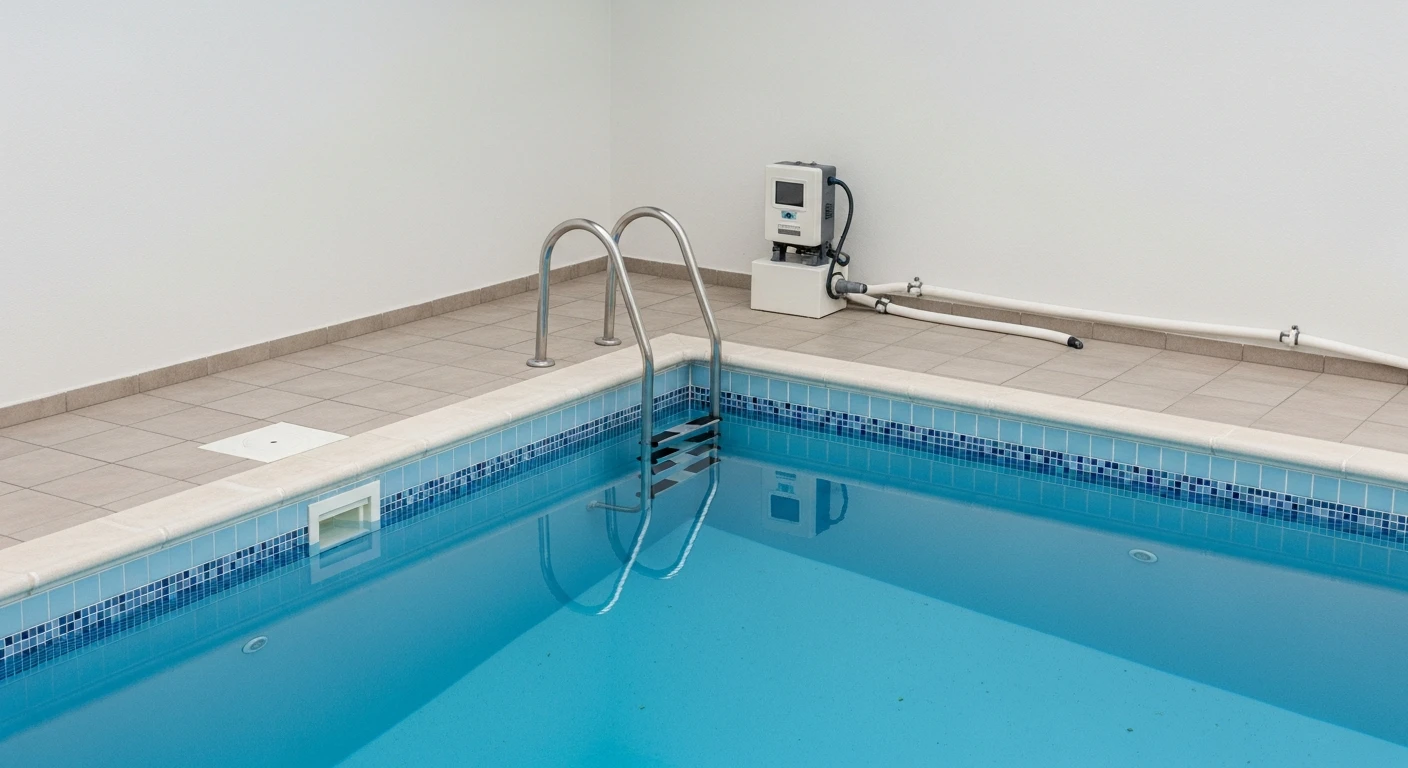
A perfect UV system on paper can fail entirely due to improper installation. My process is rigid and prioritizes the system's hydraulic integration to maximize water dwell time within the UV chamber. This is my exact, field-tested sequence.- System Placement Audit: The UV unit must be the final piece of equipment in the water's return journey to the pool. The correct order is always: Pump -> Filter -> Heater (if present) -> UV Sanitizer -> Chlorinator/Salt Cell. Placing it before the filter is a catastrophic error I've had to fix; the unfiltered debris coats the quartz sleeve and blocks the UV light.
- Verify Electrical Integrity: Especially with our frequent lightning, I insist on a dedicated, properly grounded circuit with robust GFCI protection. This is a non-negotiable safety standard, particularly for the waterfront properties in Tierra Verde where electrical grounding can be a challenge.
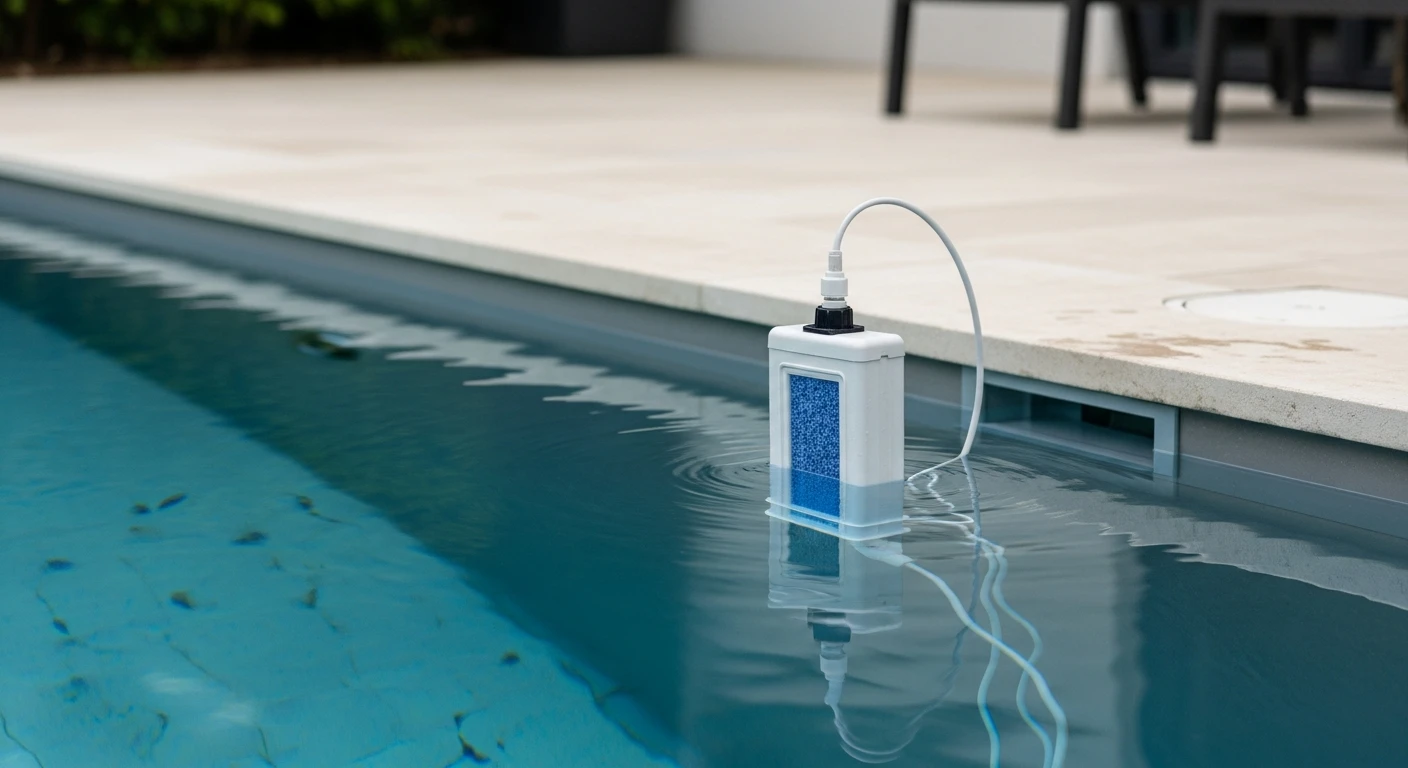
- Quartz Sleeve Installation: I handle the internal quartz sleeve—the clear tube that protects the UV lamp from water—with extreme care. A single fingerprint can create a hot spot and lead to premature failure. I ensure it is perfectly seated and sealed.
- Flow Rate Confirmation: After installation, I run the system and use my portable flow meter again to confirm the GPM passing through the unit. If the flow is too high, we may need to install a bypass valve to divert a portion of the water, ensuring optimal exposure time for the water that does pass through the UV chamber.
Post-Installation Calibration for Peak Sanitization
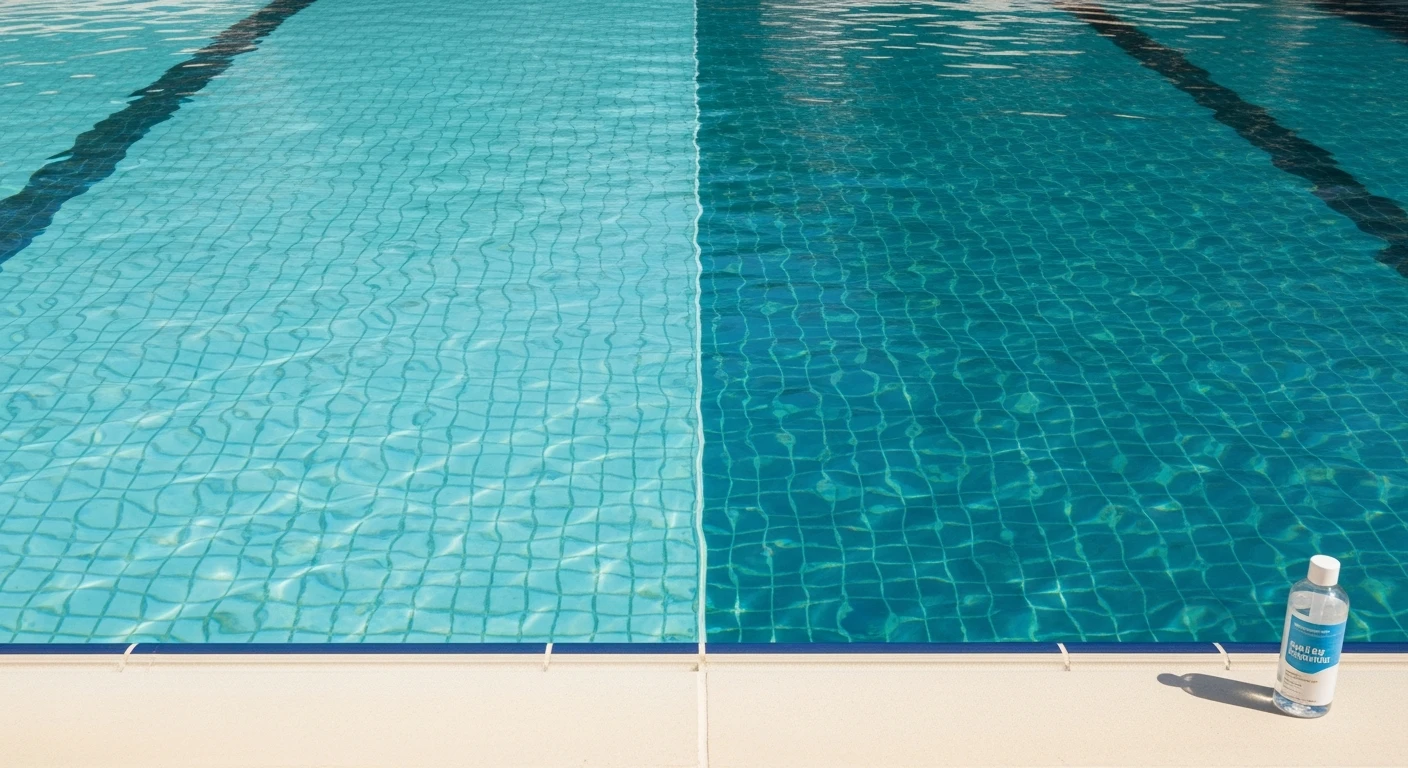
With the UV system running, the job isn't done. The next 72 hours are about recalibrating the pool's chemical balance to its new, lower-demand state. I don’t aim for zero chlorine; that’s a dangerous misconception. The UV system sanitizes water as it passes through the equipment, but you still need a low residual level of chlorine in the pool itself to handle contaminants as they are introduced. My target is to safely lower the Free Chlorine (FC) level from the typical 2.0-4.0 ppm down to a much more comfortable 0.5-1.0 ppm. This is the sweet spot that provides a safe residual sanitizer without the harsh effects of high chlorine levels. We achieve this by systematically reducing the output of the salt cell or the amount of liquid/tablet chlorine being used. I also re-evaluate the **Cyanuric Acid (CYA)** levels. Since less chlorine is being used, less stabilizer is needed, which helps avoid the dreaded "chlorine lock" common in Pinellas County pools by late summer. Are you still basing your pool’s health on daily chlorine shock treatments, or are you ready to measure and control the precise UV dosage required for your specific water volume and flow rate?Written by

Tags
uv pool sanitizer
uv pool filter
uv pool
uv ozone pool system
UV Pool Systems in Pinellas FL FAQ
What is a UV pool system?
A UV pool system is a type of water treatment system that uses ultraviolet (UV) light to kill bacteria, viruses, and other microorganisms in pool water. UV systems work by emitting a specific wavelength of UV light that damages the DNA of these microorganisms, rendering them harmless.
How does a UV pool system work?
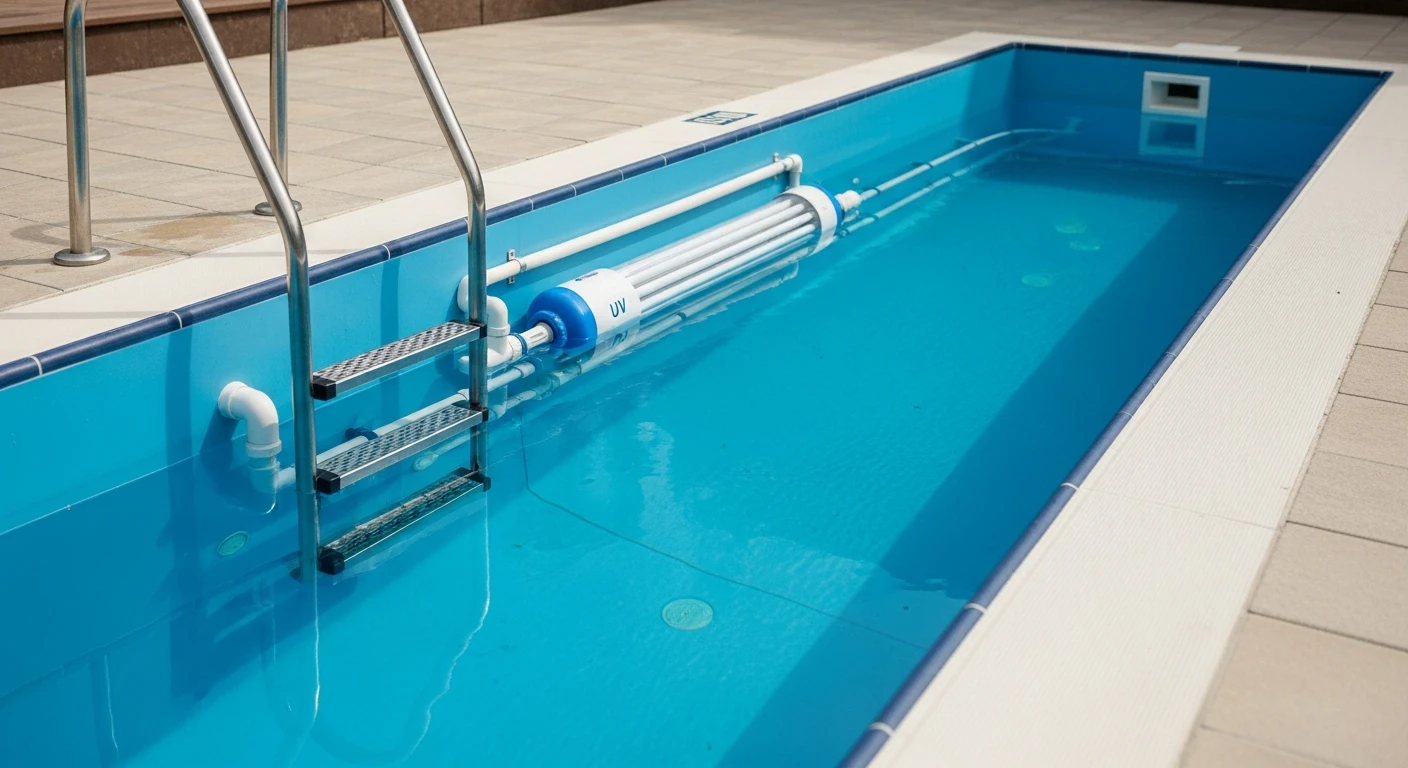
A UV pool system works by circulating pool water through a UV reactor chamber, where it is exposed to the UV light. The UV light inactivates bacteria, viruses, and other microorganisms, killing them and ensuring the water is safe for swimming.
What are the benefits of using a UV pool system?
The benefits of using a UV pool system include improved water quality, reduced chlorine usage, and increased swimmer comfort. UV systems also eliminate the need for shock treatments and reduce the risk of algae growth.
Can UV pool systems replace traditional chlorine disinfection?
While UV pool systems are effective in killing bacteria and viruses, they cannot completely replace traditional chlorine disinfection. UV systems are best used in conjunction with chlorine or other disinfectants to provide comprehensive water treatment.
How often should I replace my UV lamp?
The frequency of replacing your UV lamp depends on the manufacturer's recommendations and usage patterns. Typically, UV lamps should be replaced every 6-12 months or when the lamp's intensity decreases by 20-30%.
Can I install a UV pool system myself?
While it is possible to install a UV pool system yourself, it is recommended to hire a professional installer to ensure proper installation and maintenance. Improper installation can lead to reduced effectiveness and potentially damage your pool equipment.
How do I maintain my UV pool system?
To maintain your UV pool system, regular cleaning and replacement of the UV lamp, as well as monitoring and adjusting the system's settings, are recommended. It is also essential to follow the manufacturer's maintenance instructions for your specific system.
Can UV pool systems be used with saltwater pools?
Yes, UV pool systems can be used with saltwater pools. However, it is essential to ensure the system is designed and installed specifically for saltwater pools to avoid corrosion and other issues.
Are UV pool systems energy-efficient?
Yes, UV pool systems are energy-efficient compared to traditional chlorine disinfection methods. They use significantly less energy to operate and can help reduce your overall pool energy costs.