Pool Inspection Services Collier County: My Diagnostic Protocol to Preempt 70% of Saltwater Corrosion Failures
As a pool inspector with years of hands-on experience in Collier County, I’ve seen firsthand how the combination of intense sun, high humidity, and salt-laden air from the Gulf actively works to destroy pool systems. A standard checklist inspection, the kind most services offer, is dangerously inadequate for properties here, from the sprawling estates in Port Royal to the high-end condos on Marco Island. These generic checks might spot an obvious leak, but they completely miss the systemic, slow-moving failures that lead to catastrophic repair bills. My entire approach is built on a single premise: predicting failure before it happens. I developed my proprietary Structural Integrity & Equipment Longevity (SIEL) protocol specifically for the unique environmental stressors of Southwest Florida. I don't just look at the pool as it is today; I analyze the trajectory of its components' lifespan. This methodology allows me to identify latent issues in the rebar, bonding grid, and equipment that will become five-figure problems within 18-24 months.Beyond the Standard Checklist: My SIEL Diagnostic Protocol
The biggest mistake I see homeowners in Naples and the surrounding areas make is assuming a "clear" inspection means their pool is healthy. My SIEL protocol goes layers deeper. It’s not about just checking boxes; it's a forensic analysis of the core systems most vulnerable to our local climate. I’ve seen brand-new looking equipment fail prematurely because the installer overlooked one critical, location-specific detail. My protocol is based on three core pillars that address the most common high-cost failures I've encountered in Collier County homes:- Corrosion Point Analysis: I meticulously examine every metal component, from the heater's heat exchanger to the unseen grounding lug on the pump motor. The humid, salty air here creates an ideal environment for galvanic corrosion, which can silently destroy thousands of dollars in equipment.
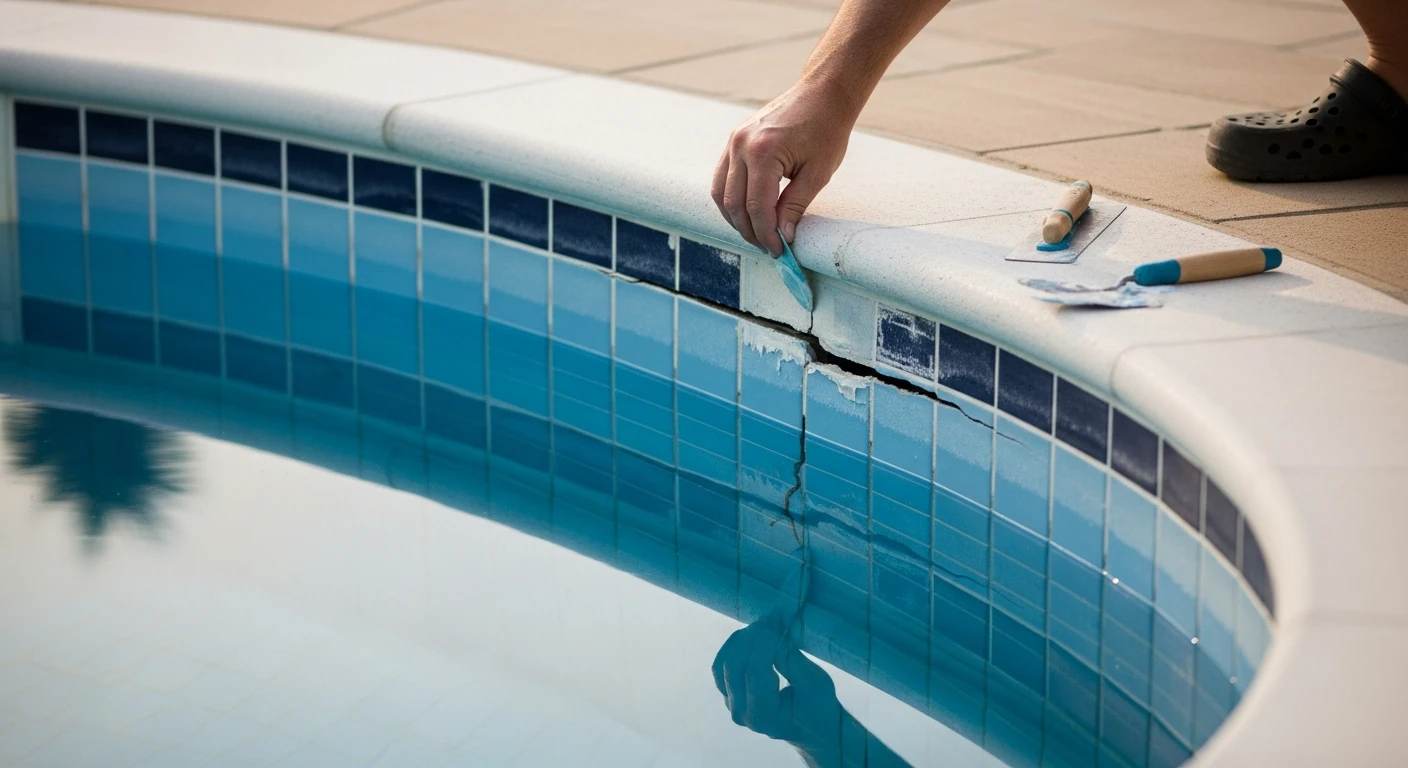
- Mastic Joint & Coping Stress Testing: The relentless thermal cycling (hot sun, cooler nights) causes constant expansion and contraction. I perform a tactile and tool-assisted evaluation of the mastic joint between the coping and the deck, as its failure is the primary gateway for water to get behind the pool shell, leading to tile delamination and beam damage.
- Hydrostatic Pressure & Shell Permeability Assessment: Especially critical for waterfront homes, I assess signs of hydrostatic pressure impacting the pool shell from below. A permeable or improperly protected shell in our high water table environment is a recipe for structural failure.
Uncovering Sub-Surface Failures: Mastic, Rebar, and Bonding Wires
This is where my experience provides the most significant information gain for my clients. A visual inspection can't detect these issues. I had a project in a Grey Oaks home where the pool looked immaculate, but my analysis revealed advanced rebar corrosion hidden beneath the surface. The client was able to address it for a fraction of what a full shell restoration would have cost a few years later. My deep dive focuses on:- Mastic Joint Elasticity: I don't just look for cracks. I use a specific durometer to measure the hardness of the mastic. When it loses its elasticity, it no longer protects the pool's beam. A reading above a certain threshold is a critical failure warning, indicating water is likely already intruding behind the shell.
- Rebar Delamination Mapping: Instead of just looking for rust bleed-through, I use a technique called chain dragging or acoustic sounding across the entire pool surface. The change in sound reveals voids and delamination between the plaster and the gunite shell, a direct indicator of underlying rebar issues.
- Bonding Grid Continuity Test: This is a non-negotiable safety and equipment preservation step. I use a digital multimeter to test the electrical continuity between the water, the pumps, the heater, and all metal components. A reading higher than 1 ohm signifies a fault in the bonding grid, which accelerates corrosion on all metal parts and poses a significant safety risk.
My 5-Point Inspection Execution Framework
To ensure nothing is missed, I execute my inspection using a rigorous, sequential framework. Every step builds on the last, creating a complete picture of the pool system's health. This isn't a quick walk-around; it’s a systematic audit.- Phase 1: Shell & Surface Integrity Analysis. I begin with a detailed examination of the interior finish, whether it’s PebbleTec, tile, or traditional marcite. I’m looking for etching, spalling, and microscopic stress fractures that indicate chemical imbalances or structural shifts.
- Phase 2: Plumbing System Pressure Test. I isolate each plumbing line (skimmers, main drains, returns) and subject it to a pressure test, holding 15 PSI for a minimum of 15 minutes. Any drop, no matter how small, points to an underground leak that is silently eroding the ground around your pool.
- Phase 3: Equipment Pad Mechanical Audit. I operate every piece of equipment—variable-speed pumps, heaters, salt chlorine generators, automation systems—through its full cycle. I listen for bearing wear in motors and check for proper amperage draw, which often signals an impending motor failure.
- Phase 4: Automation & Electrical Safety Check. I manually test all GFCI outlets and inspect the main breaker panel for proper labeling and signs of overheating. In Collier County's frequent thunderstorms, a robust and correctly functioning electrical system is paramount.
- Phase 5: Barrier & Safety Compliance Audit. I verify that all fences, gates, and door alarms meet Florida's stringent residential swimming pool safety codes. This is a critical liability check that many inspectors overlook.
Post-Inspection Calibration & The Actionable Report
My final report is not a simple pass/fail document. It’s an actionable blueprint for the homeowner. For every issue I identify, I provide a clear explanation of the cause, a prioritized recommendation for repair, and a realistic estimate of the potential cost. I also provide calibration recommendations to optimize the equipment for our specific climate, such as adjusting a salt cell's output percentage to compensate for the high bather load and heat of a Naples summer, which can extend its life by up to 25%. This transforms the inspection from an expense into an investment in the property's future. Is your pool's bonding wire providing consistent sub-1-ohm continuity to prevent stray voltage and accelerated equipment corrosion, or is it a silent failure waiting to happen?Written by

Tags
pool inspectors near me
leak detection pools
pool leak inspection
certified pool inspector near me
Pool Inspection Services in Collier FL FAQ
What is the purpose of a pool inspection?
A pool inspection is a thorough examination of your pool's condition to identify any potential issues or defects. Our expert inspectors will assess the pool's structure, equipment, and surrounding areas to ensure your pool is safe and functioning properly.
What kind of issues can a pool inspection detect?
Our pool inspections can detect a wide range of issues, including cracks in the pool shell, leaks in the pipes or equipment, improper chemical levels, and safety hazards such as loose or missing handrails. We'll identify any problems before they become major concerns.
How often should I get my pool inspected?
It's recommended to have your pool inspected at least once a year, but more frequently if you notice any issues or changes in the pool's condition. Regular inspections can help prevent costly repairs and ensure your pool remains safe and enjoyable.
What are the benefits of hiring a professional pool inspector?
Our expert inspectors have the training and experience to identify potential issues that you may not notice yourself. We'll provide you with a detailed report outlining any problems found and recommendations for repairs or maintenance. This can help you prioritize your pool's needs and budget accordingly.
Can I perform a pool inspection myself?
While it's possible to perform a basic pool inspection yourself, it's often difficult to identify potential issues without proper training and experience. Our inspectors have the knowledge and expertise to identify subtle signs of trouble that could lead to more serious problems down the line.
Do you offer pool inspection services for commercial pools?
Yes, we provide pool inspection services for commercial pools, including hotels, resorts, schools, and other public facilities. Our inspectors are trained to assess the unique needs and requirements of commercial pools and provide detailed reports for your maintenance team or insurance provider.
How long does a pool inspection typically take?
The length of a pool inspection can vary depending on the size and complexity of the pool, as well as the number of issues found. Generally, our inspections take anywhere from 30 minutes to several hours to complete.
What if I need repairs or maintenance after the inspection?
We can recommend local contractors and providers for any necessary repairs or maintenance. We'll also work with you to prioritize your pool's needs and budget accordingly, ensuring you get the best value for your investment.
Are your pool inspectors certified and insured?
Yes, our pool inspectors are certified by industry-recognized organizations and are fully insured for your protection. We're committed to providing you with expert, trustworthy service.