Collier County Pool Leak Detection: My Pressure-Decay Protocol for Pinpointing Structural vs. Plumbing Leaks
Losing water in your Collier County pool isn't just an annoyance; it's a direct hit to your utility bill, especially during our long, dry seasons. I’ve seen homeowners in Naples and Marco Island lose over an inch of water a day, assuming it was just the intense Florida sun. My first step on any job is to definitively rule out evaporation with a calibrated bucket test. But the real expertise lies in what comes next: my proprietary methodology that differentiates between a plumbing leak buried in our sandy soil and a structural failure in the pool shell itself. This distinction is critical because it dictates a completely different, and often far less invasive, repair strategy.
The common mistake is to start with random dye testing. This is a low-probability tactic. My approach is built on isolating variables to get a definitive answer, fast. A leak in the plumbing system behaves very differently under pressure than a crack in the gunite. I developed my protocol after a project in a Port Royal estate where a previous company recommended a complete re-plumbing, when my pressure test revealed the leak was actually a small, repairable crack behind the skimmer housing—a fix that saved the client nearly 80% of the quoted cost.
My Hydrostatic Isolation Method for Accurate Leak Sourcing
The core of my diagnostic work is what I call the Hydrostatic Isolation Method. This isn't just about finding a leak; it's about understanding its origin and behavior. In Collier County, the ground shifts. The combination of our intense summer rains and subsequent dry periods puts unique stress on both PVC plumbing and pool shells, particularly in older properties in areas like Pelican Bay. A simple visual inspection will miss a pressure-side leak that only manifests when the pump is running, or a suction-side leak that draws air into the system.
My method forgoes guesswork by systematically pressurizing each line of the pool's plumbing—the main drain, the skimmers, and the returns—independently. By using a sensitive digital manometer, I can detect a pressure drop as small as 1 PSI over 15 minutes. This tells me with certainty not only *if* there's a plumbing leak, but exactly which line is compromised before a single shovel of dirt is moved. This precision is essential for preserving the meticulous landscaping common in our communities.
Technical Breakdown: Pressure Testing vs. Acoustic Sonar Triangulation
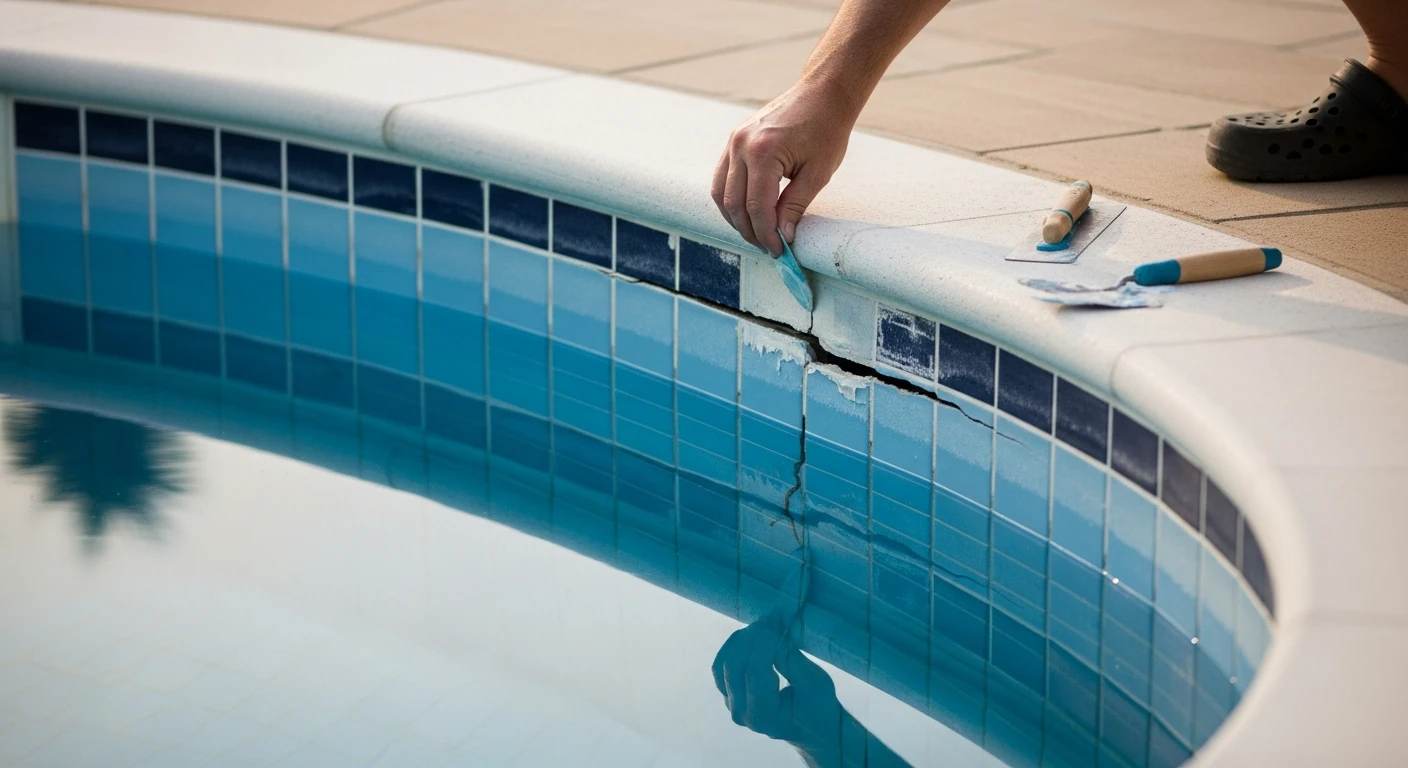
Once a pressure drop is confirmed in a specific line, I move to the next phase: pinpointing the exact location. This is where I combine two advanced techniques. First, I use a process of pressure-decay analysis. By introducing a controlled amount of air into the isolated, water-filled line, the escaping air creates a distinct sound. I then employ an acoustic sonar detector with ground probes. By triangulating the sound's origin, I can locate the leak with an accuracy of within six inches. This is how I avoid needlessly excavating a pristine travertine deck or destroying established tropical gardens. For leaks within the pool shell itself—often hairline fractures in tile lines or around fittings—a pressure test will hold steady. In this case, I use an electronic leak detector that sends a small electrical charge into the water, which then finds a ground through the crack, allowing me to map its exact location.
Implementing The Leak Detection Protocol: A Step-by-Step Field Checklist
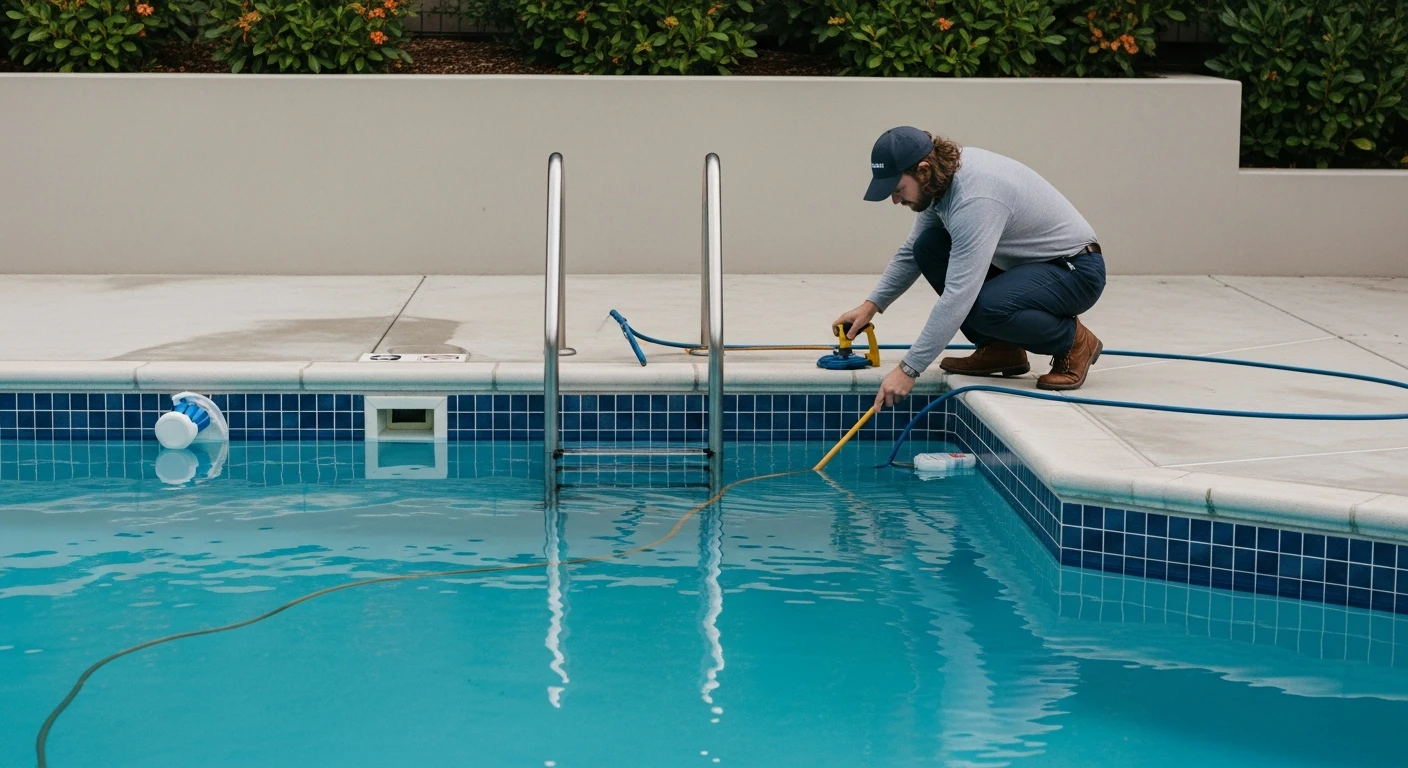
When I arrive on-site, I follow a strict, methodical process. This ensures no variable is overlooked and provides the client with a clear, evidence-based diagnosis. My field implementation checklist is a refined version of what I’ve used on hundreds of pools across Collier County.
- Step 1: System Baseline Assessment. I document the current water level and mark it. I inspect all visible equipment for obvious signs of failure, paying close attention to the pump lid O-ring and multiport valve gasket, which are common culprits for air leaks (suction-side issues).
- Step 2: Isolate Plumbing from Structure. Using specialized expansion plugs, I seal off all the return and skimmer lines directly at the pool wall. This effectively separates the plumbing system from the pool's shell.
- Step 3: Pressurize and Monitor Each Line. I connect my pressure testing rig to each line, one by one. I bring the line up to a steady 15 PSI and monitor it for a minimum of 15 minutes. Any discernible drop indicates a leak in that specific pipe.
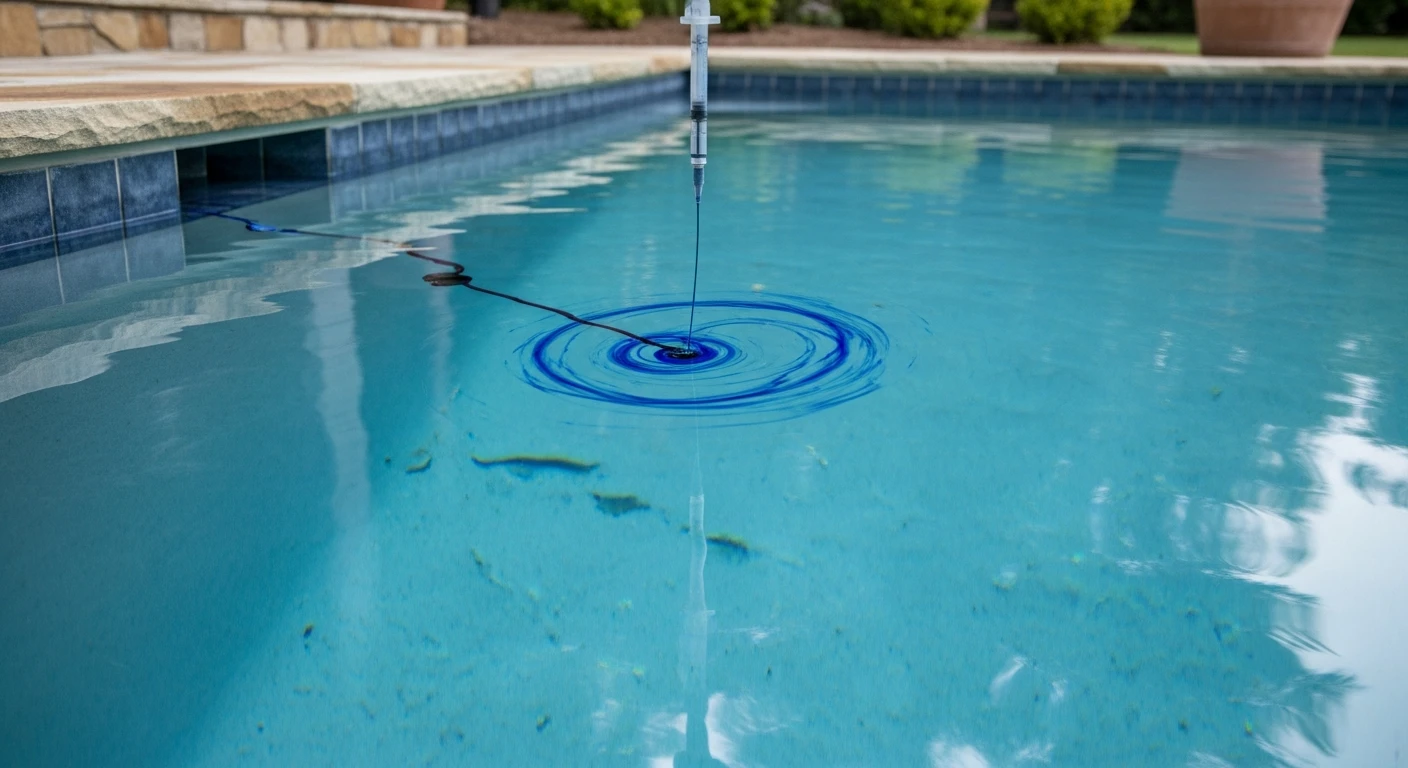
- Step 4: Confirm with Targeted Dye Testing. Only after isolating a potential structural issue (if the plumbing holds pressure but the pool still loses water), I use a high-contrast dye with the pump off to confirm the precise point of water egress, often around steps, lights, or tile lines.
- Step 5: Provide a Data-Backed Repair Plan. The final report I deliver isn't a guess. It's a conclusion based on pressure readings and acoustic data, showing the client exactly where the problem is and outlining the most efficient, least disruptive repair path.
Precision Adjustments for Collier County's Unique Pool Environments
My quality standards go beyond just finding the leak. The intense sun and high concentration of saltwater systems in many coastal Naples homes accelerate the degradation of seals and fittings. Therefore, my inspection includes a tactile check of all accessible PVC fittings for brittleness. A leak today in a pipe could be a symptom of system-wide material fatigue. My quality benchmark is a post-repair pressure test that holds a solid 20 PSI for 30 minutes, guaranteeing the integrity of the fix. This ensures the repair will withstand the demands of our climate and provide a long-term solution, not just a temporary patch.
Before you authorize a costly, invasive repair based on a simple dye test, have you definitively confirmed whether your water loss is from a cracked PVC fitting underground or a delamination crack hidden behind your waterline tile?