Collier County Pool Maintenance: A Protocol for Mitigating 30% Chemical Loss from UV & Rain
My name is not what's important; what matters is the twenty years I've spent reviving and maintaining pools across Collier County, from the sun-drenched lanais in Naples to the sprawling community pools in Golden Gate. The biggest mistake I see is a reactive approach—dumping chlorine after the water turns cloudy. This is a losing battle against our intense Florida sun and torrential summer rains. My entire service model is built on a proactive principle I call the Coastal Stability Method, which focuses on creating chemically resilient water that actively resists algae and minimizes the constant need for expensive shock treatments. This isn't about just keeping a pool blue; it's about mastering the water's chemistry to protect your plaster, tile, and equipment from the unique environmental pressures of Southwest Florida. The high Total Dissolved Solids (TDS) from our local water supply, combined with the acidic nature of our rainfall, creates a perfect storm for premature equipment failure and surface staining. My method directly counters these local aggressors, extending the life of your pool's most expensive components.My Diagnostic Framework for Collier County's Unique Pool Chemistry
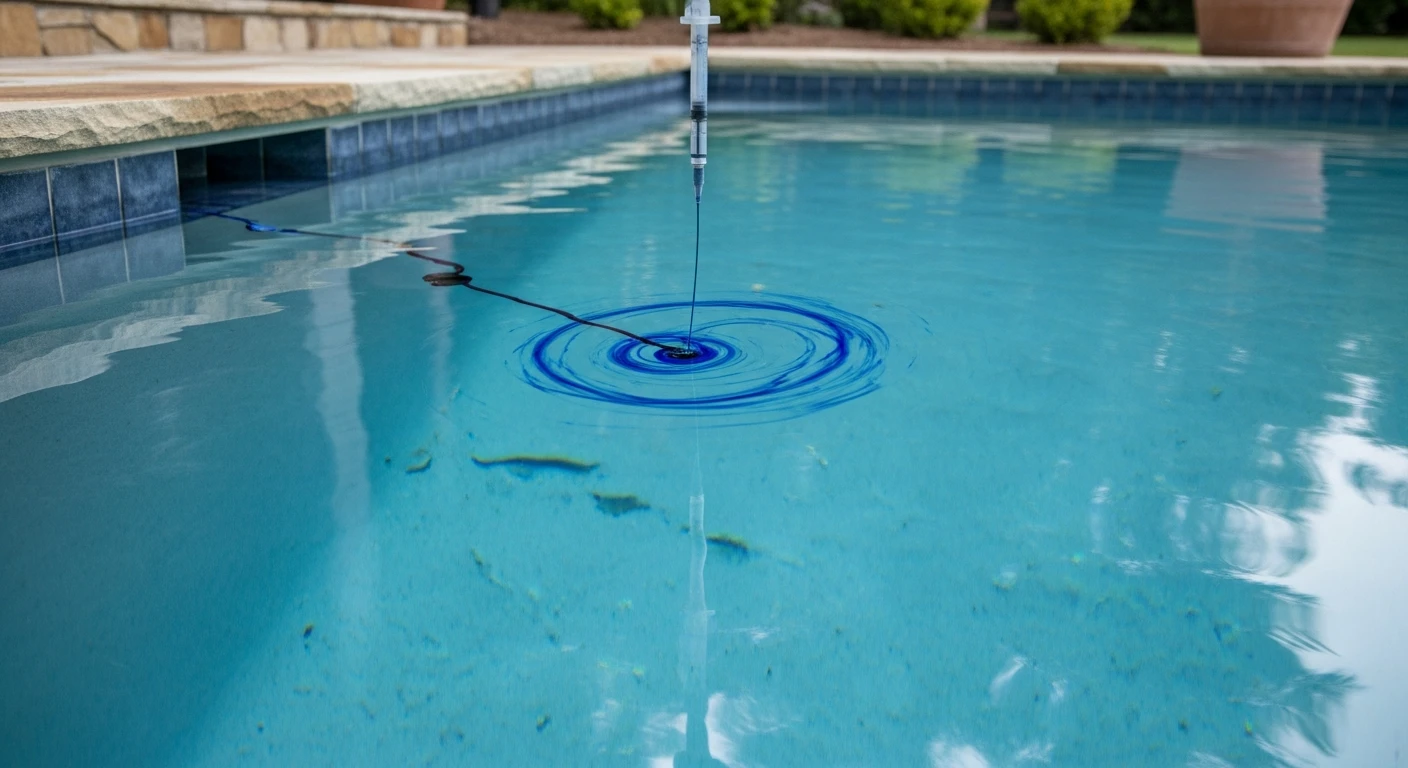
Before I even touch a chemical, my first step at any property, whether it's a high-end home on Marco Island or a family pool in Immokalee, is a full diagnostic. I don't just test chlorine and pH. I analyze the relationship between Total Alkalinity (TA), Calcium Hardness (CH), and Cyanuric Acid (CYA). I once took over a pool in a large Naples community where the previous company had the CYA levels over 150 ppm. The water was clear, but the chlorine was completely ineffective—a classic case of chlorine lock. They were spending a fortune on chemicals that weren't doing anything. My diagnostic identified this in ten minutes, saving the client an estimated 25% on their annual chemical costs. My proprietary methodology is based on achieving a stable Langelier Saturation Index (LSI). This is a measurement of the water's tendency to be corrosive or scale-forming. In Collier County, with our hard water, most pools trend towards scale-forming, which can choke heaters and salt cells. By precisely balancing the LSI, I ensure the water is in a state of equilibrium, protecting your investment.The Three Pillars of Coastal Pool Stabilization
My entire system hinges on three core chemical pillars that I've refined over years of hands-on work. Getting these right is the difference between a pool that fights you every week and one that remains stable and clear. The first pillar is Proactive Cyanuric Acid (CYA) Management. Our relentless sun degrades unstabilized chlorine in a matter of hours. I maintain a precise CYA level between 40-60 ppm. Below that, you're just throwing away chlorine; above 80 ppm, and you start to drastically reduce chlorine's effectiveness. This is a fine line that most automated systems and budget services completely miss. The second is Total Alkalinity as a pH Buffer. The pH of our summer rain can be as low as 4.5. A single afternoon downpour can crash a pool's pH, turning the water acidic and corrosive. I use TA as a shield, keeping it between 80-120 ppm. This gives the pH a stable foundation, preventing wild swings. I learned this the hard way on a project in Golden Gate Estates, where a week of rain and low TA etched a brand-new plaster finish. It was a costly mistake I never made again. The third and most critical pillar is Calcium Hardness and LSI Balancing. I aim for a specific LSI reading between -0.3 and +0.3. This requires a careful balance of Calcium Hardness (ideally 200-400 ppm for plaster pools), TA, and pH, adjusted for water temperature. This technical step is non-negotiable for protecting expensive pebble and aggregate finishes from scaling or etching.Executing the Weekly Service Protocol for Maximum Water Clarity
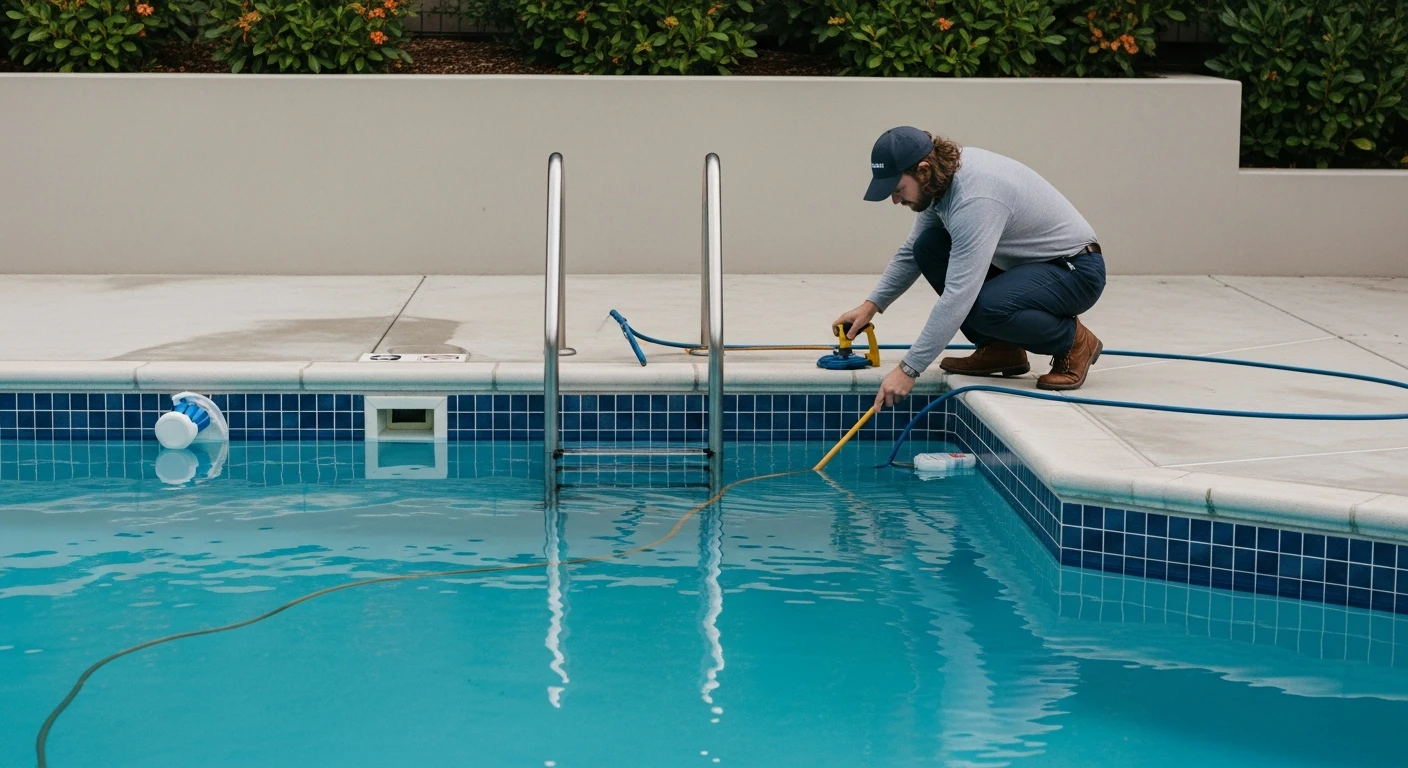
A stable pool is maintained with a disciplined, consistent weekly protocol. My process is a system of checks and balances designed to catch deviations before they become problems. This isn't just about scooping leaves; it's a methodical health check for the entire aquatic system. My weekly on-site implementation includes:- Testing Free Chlorine (FC) and Combined Chlorine (CC). A CC reading over 0.5 ppm indicates a need for oxidation, not just more chlorine.
- Validating pH and Total Alkalinity levels with a high-precision digital reader, not just color-coded strips.
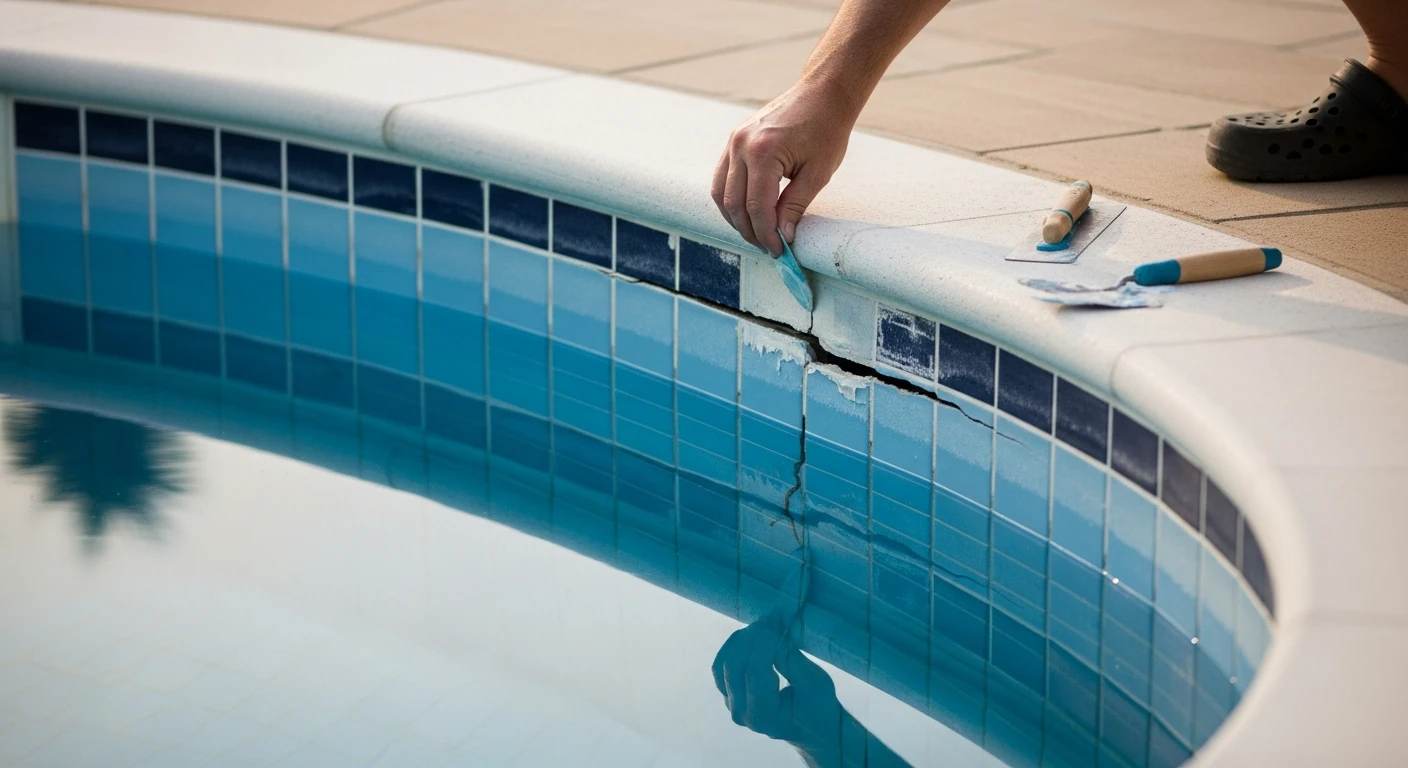
- Brushing the entire waterline tile line to prevent the buildup of oils and scum, which is accelerated by our high humidity.
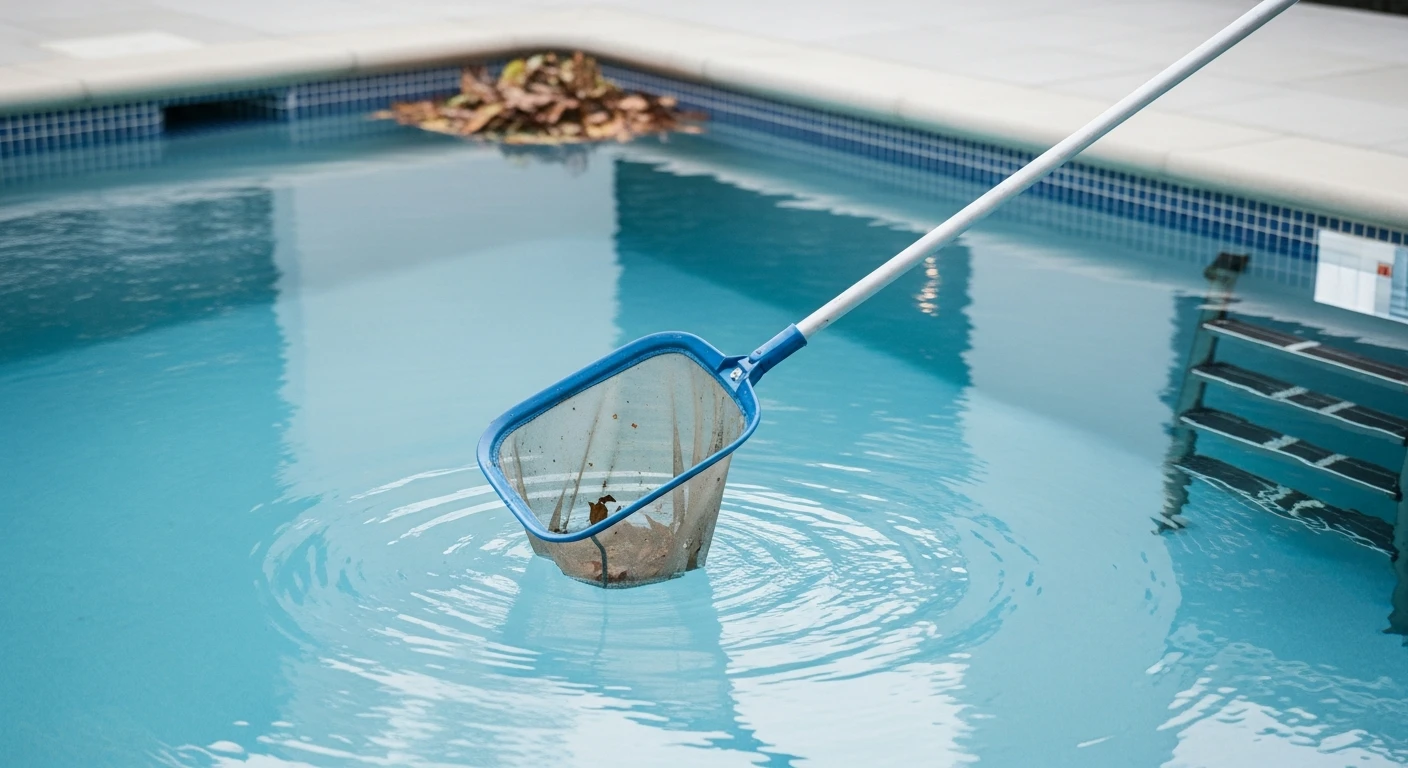
- Skimming the surface and vacuuming as needed, paying close attention to corners where debris and algae spores collect.
- Inspecting skimmer and pump baskets, as a clogged basket can starve the pump for water and cause it to overheat.
- Checking the filter's pressure gauge. I only perform a backwash or cartridge cleaning when the pressure reads 8-10 PSI above its clean, baseline reading to conserve water and prevent unnecessary wear.
- A final visual inspection of all equipment for leaks, unusual noises, or performance issues.
Advanced Adjustments for Seasonal & Environmental Shifts
The biggest variable in Collier County is the weather. My protocol isn't static; it adapts to the seasons. During the spring pollen season, especially in heavily landscaped communities, I'll add a dose of enzyme-based treatment to help break down the organic load that overwhelms filters and consumes chlorine. After a major summer storm, I immediately check for phosphates—a primary food source for algae washed in from runoff—and treat accordingly. This level of precision adjustment is what keeps my clients' pools sparkling year-round, not just during the dry season. Is your current pool service actively managing your Langelier Saturation Index to prevent unseen equipment corrosion, or are they just keeping the water blue?Written by

Tags
pool cleaning
swimming pool maintenance
swimming pool care
leak pool repair
Pool Maintenance Services in Collier FL FAQ
What is the importance of regular pool maintenance?
Regular pool maintenance is crucial to ensure the health and longevity of your pool. It helps to prevent the growth of algae, removes dirt and contaminants, and maintains the proper chemical balance, which is essential for a safe and enjoyable swimming experience.
What are the benefits of hiring a professional pool maintenance service?
Hiring a professional pool maintenance service offers several benefits, including peace of mind, reduced risk of accidents, and improved pool performance. Our experienced technicians will ensure that your pool is properly maintained, ensuring that it remains safe, clean, and enjoyable for years to come.
What services do you offer for pool maintenance?
Our pool maintenance services include regular pool cleaning, water testing and balancing, equipment maintenance and repair, and customized maintenance plans tailored to your specific pool needs. We also offer additional services such as pool opening and closing, winterization, and equipment upgrades.
How often should I have my pool serviced?
The frequency of pool servicing depends on various factors, including the size and type of your pool, usage, and weather conditions. As a general rule, we recommend that most pools are serviced every 1-2 weeks during peak season and every 4-6 weeks during off-peak season.
Can I perform pool maintenance myself?
While it is possible to perform basic pool maintenance tasks yourself, such as skimming the surface and cleaning the filter, it is recommended to hire a professional pool maintenance service to ensure that your pool is properly maintained. Our technicians have the necessary knowledge, experience, and equipment to perform complex tasks and ensure the health and safety of your pool.
What are the consequences of neglecting pool maintenance?
Neglecting pool maintenance can have serious consequences, including the growth of algae, formation of scale and stains, and damage to pool equipment. In extreme cases, neglecting pool maintenance can even lead to health risks, such as the spread of bacteria and other contaminants.
Do you offer emergency pool maintenance services?
Yes, we offer emergency pool maintenance services for unexpected problems, such as a sudden algae bloom or equipment failure. Our technicians are available 24/7 to respond to your emergency and get your pool back to its optimal condition quickly and efficiently.
How do I know if my pool needs professional maintenance?
If you notice any of the following signs, it may be time to consider hiring a professional pool maintenance service: cloudy or green water, unusual odors, algae growth, or equipment failure. Our technicians can assess your pool's condition and recommend the necessary maintenance to get your pool back to its optimal state.