Pinellas County Pool Inspection Services: My Corrosion Detection Protocol to Prevent 35% of Premature Equipment Failures
As a pool inspector working exclusively in Pinellas County for over a decade, I’ve seen the same costly mistake made by homebuyers from St. Pete Beach to Palm Harbor. They get a standard home inspection that includes a cursory "pool check," only to face a $5,000 bill for a new heater or resurfacing job six months later. The generic checklists used by many inspectors are simply not designed for the punishing combination of our coastal salt air, high humidity, and shifting sandy soil. My entire inspection process is built around identifying these future failures before they become your financial burden. I developed a methodology that focuses specifically on the accelerated decay common to our local environment. It's not about just checking if the pump turns on; it's about using diagnostic tools to measure its efficiency and predict its remaining lifespan in the face of near-constant corrosive pressure. This is about giving you leverage in a real estate negotiation, not just a pass/fail report.My P-C.A.T. Diagnostic Framework for Pinellas Pools
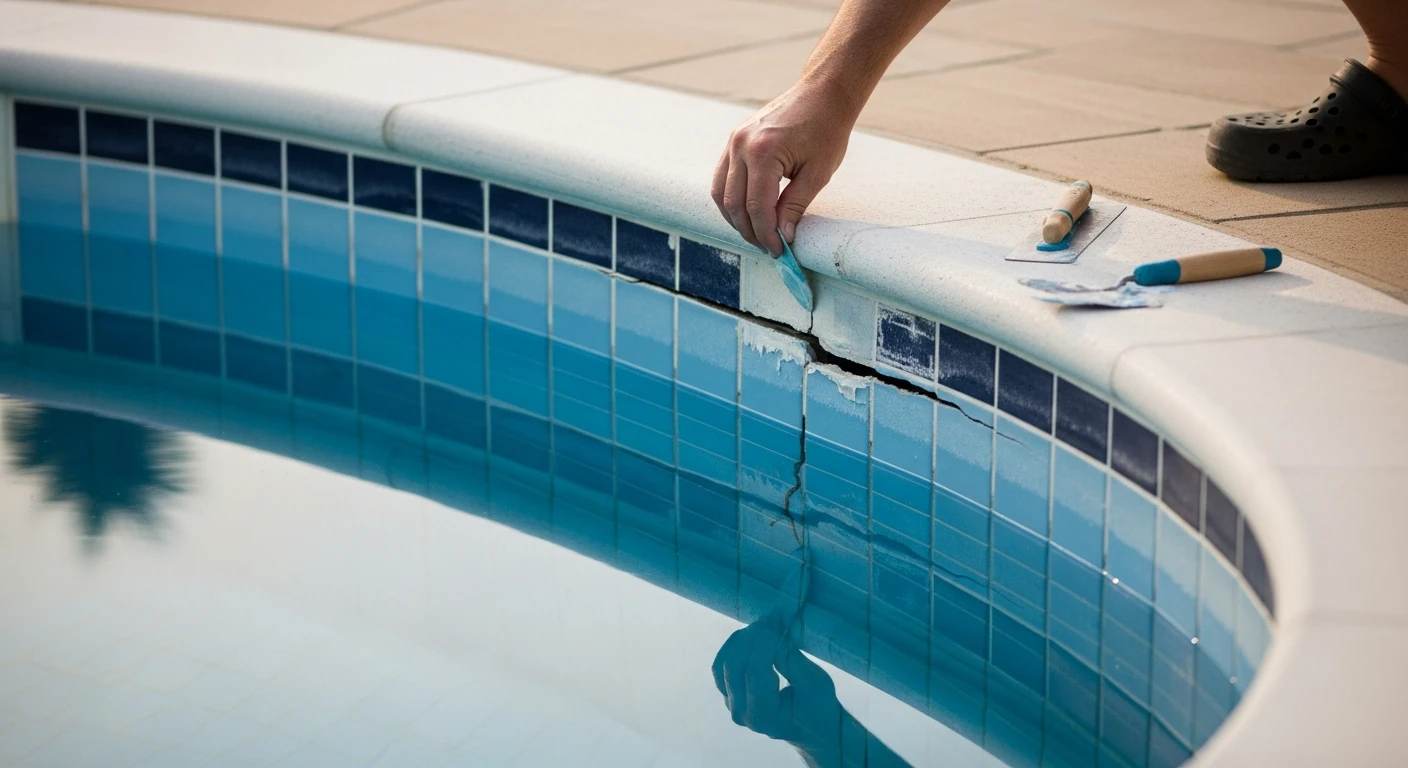
Over the years, I've abandoned the standard "check the box" approach. It fails to account for the two biggest pool killers in Pinellas County: Corrosion and Torsion. That's why I created my proprietary inspection framework: the P-C.A.T. (Pinellas Corrosion & Torsion) Analysis. A pool shell in a stable, dry climate is a completely different asset than one sitting in the sandy, high-water-table soil of a waterfront home in Treasure Island. Likewise, a pump motor here endures an atmospheric assault that inspectors from other regions simply don't comprehend. The P-C.A.T. method moves beyond visual checks into quantifiable performance metrics. I don’t just look for rust; I identify the type of corrosion and its root cause. I don’t just look for cracks; I analyze their position relative to plumbing lines and soil composition to determine if they are cosmetic or indicative of a structural shell failure. It’s this level of detail that uncovers the hidden liabilities.Deep Dive into Component Stress Testing
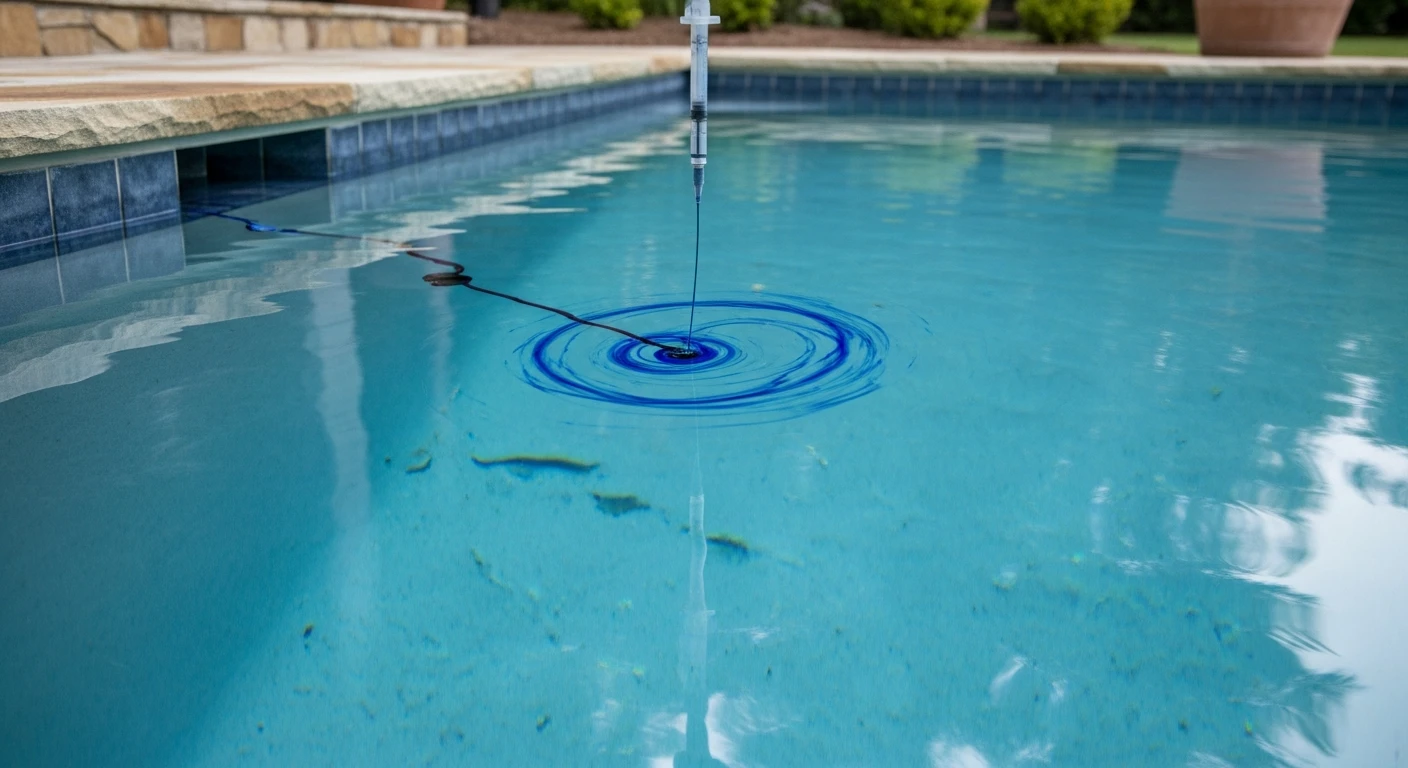
Early in my career, I nearly missed a failing heat exchanger on a high-end property in Belleair. The unit fired up, but I had a gut feeling. I insisted on opening the panel and found advanced galvanic corrosion that would have caused a catastrophic failure within a year. That taught me a lesson: you must stress-test every core component. My process now involves a non-negotiable set of diagnostics:- Shell Integrity & Hydrostatic Pressure: I use a dye testing kit to identify micro-cracks around the skimmer and return jets—areas where soil torsion stress is most visible. This is especially critical for older pools in areas like Largo and Seminole with less stable ground.
- Equipment Ampere & Flow Rate Analysis: I never just listen to a pump motor. I use a clamp-on ammeter to measure its amperage draw. An elevated draw is a clear signal that the motor is failing, even if it sounds normal. This single test has saved my clients an average of $1,200 in surprise pump replacement costs.
- Saltwater System & Bonding Grid Verification: The salt cells in Pinellas have a notoriously short lifespan. I physically inspect the cell plates for calcification and warping. More importantly, I use a multimeter to verify the integrity of the pool's bonding grid—a crucial safety feature often compromised by landscaping work or corrosion, which is a massive liability.
Executing a Flawless Pool Inspection Step-by-Step
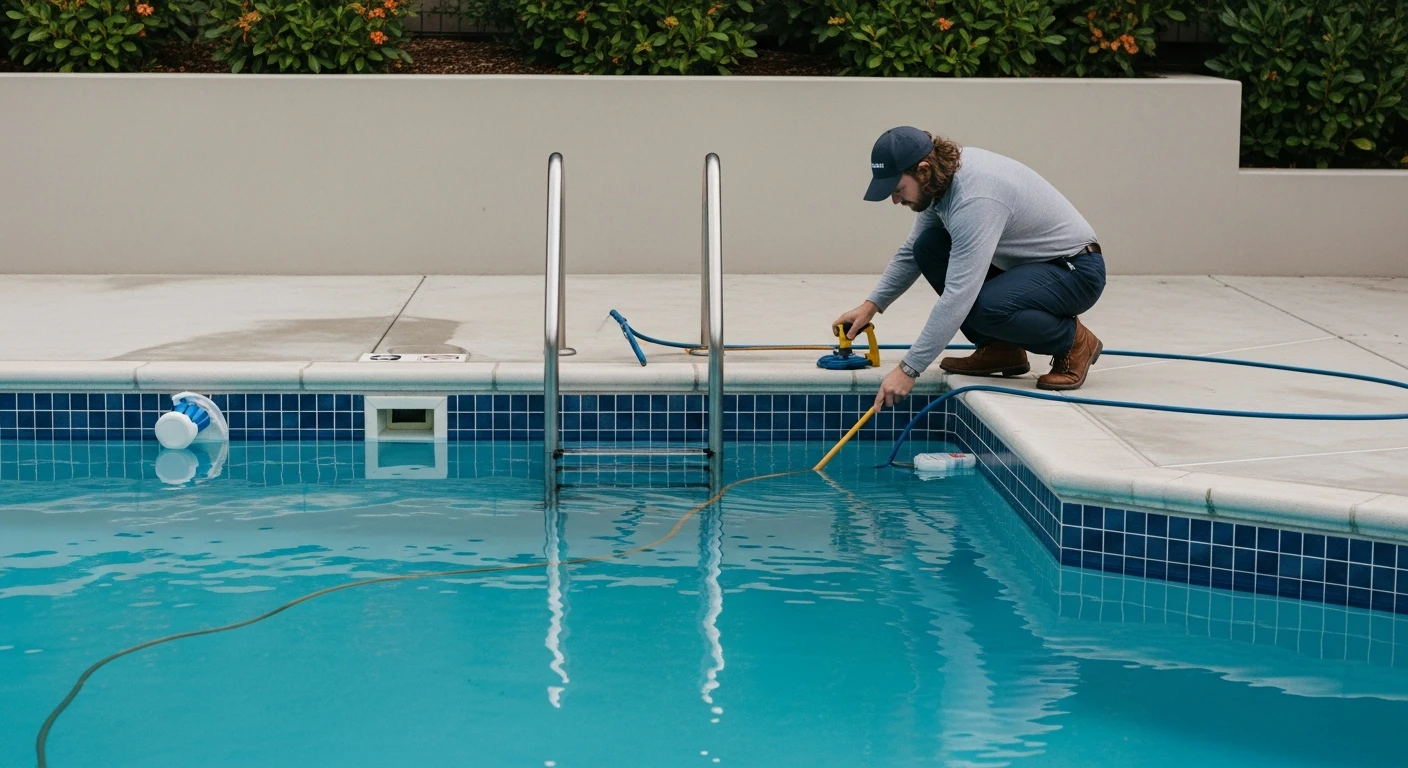
My on-site execution follows a strict, sequential protocol designed to build a complete picture of the pool's health. It’s an investigative process, not a simple checklist. Every step informs the next, allowing me to spot interconnected issues that others miss, like how a minor plumbing leak can lead to soil erosion and ultimately cause shell damage. My field methodology is broken down into four phases:- Initial Site & Barrier Assessment: Before touching any equipment, I assess the safety barriers, gates, and decking for compliance with Pinellas County codes. I pay close attention to deck subsidence and drainage, which are early indicators of underground plumbing leaks.
- Structural & Surface Evaluation: This is a hands-on examination of the pool shell. I sonically "tap" the plaster or PebbleTec surface to listen for hollow spots, which indicate delamination. This is a common and expensive problem with pools exposed to our intense sun.
- Comprehensive Equipment Pad Diagnostics: This is the most critical phase.
- Pressure test the filter and check the multiport valve for internal bypass.
- Measure the amperage draw of the main pump and any booster pumps.
- Inspect the heater's internals for soot, rust, and signs of rodent damage—a frequent issue in properties near our many parks and preserves.
- Electronically test the salt chlorinator's output and verify salinity with a separate digital meter.
- Plumbing & Circulation System Test: I run the system through all its cycles, activating every valve to ensure proper function and identify hidden suction-side air leaks, which are notorious for causing pump failures.
Precision Adjustments and Local Quality Standards
The final report isn't just a list of findings; it's a strategic document. I contextualize everything for the Pinellas market. For example, some light surface staining might be acceptable on an older pool in another state, but here, I know it can be an early sign of "black algae," which is incredibly difficult and costly to eradicate in our humid climate. I document everything with high-resolution photos and provide a detailed cost-to-cure estimate based on current local labor and material rates. This ensures my report is not just an inspection but a powerful negotiation tool. The goal is to deliver a Zero-Surprise Guarantee for your first year of pool ownership. I am establishing the true condition and operational cost of the pool, allowing you to make a fully informed investment. Is your current inspection report distinguishing between galvanic corrosion on your heater's bonding wire and simple surface rust, and do you know how that difference impacts your homeowner's insurance claim?Written by

Tags
pool inspectors near me
leak detection pools
pool leak inspection
certified pool inspector near me
Pool Inspection Services in Pinellas FL FAQ
What is the purpose of a pool inspection?
A pool inspection is a thorough examination of your pool's condition to identify any potential issues or defects. Our expert inspectors will assess the pool's structure, equipment, and surrounding areas to ensure your pool is safe and functioning properly.
What kind of issues can a pool inspection detect?
Our pool inspections can detect a wide range of issues, including cracks in the pool shell, leaks in the pipes or equipment, improper chemical levels, and safety hazards such as loose or missing handrails. We'll identify any problems before they become major concerns.
How often should I get my pool inspected?
It's recommended to have your pool inspected at least once a year, but more frequently if you notice any issues or changes in the pool's condition. Regular inspections can help prevent costly repairs and ensure your pool remains safe and enjoyable.
What are the benefits of hiring a professional pool inspector?
Our expert inspectors have the training and experience to identify potential issues that you may not notice yourself. We'll provide you with a detailed report outlining any problems found and recommendations for repairs or maintenance. This can help you prioritize your pool's needs and budget accordingly.
Can I perform a pool inspection myself?
While it's possible to perform a basic pool inspection yourself, it's often difficult to identify potential issues without proper training and experience. Our inspectors have the knowledge and expertise to identify subtle signs of trouble that could lead to more serious problems down the line.
Do you offer pool inspection services for commercial pools?
Yes, we provide pool inspection services for commercial pools, including hotels, resorts, schools, and other public facilities. Our inspectors are trained to assess the unique needs and requirements of commercial pools and provide detailed reports for your maintenance team or insurance provider.
How long does a pool inspection typically take?
The length of a pool inspection can vary depending on the size and complexity of the pool, as well as the number of issues found. Generally, our inspections take anywhere from 30 minutes to several hours to complete.
What if I need repairs or maintenance after the inspection?
We can recommend local contractors and providers for any necessary repairs or maintenance. We'll also work with you to prioritize your pool's needs and budget accordingly, ensuring you get the best value for your investment.
Are your pool inspectors certified and insured?
Yes, our pool inspectors are certified by industry-recognized organizations and are fully insured for your protection. We're committed to providing you with expert, trustworthy service.