Pool Maintenance in Pinellas County: My Protocol for Preventing Algae Blooms and Extending Surface Life by 30%
I've been servicing pools across Pinellas County for over a decade, from the salt-sprayed waterfront properties in St. Pete Beach to the older, established homes in Largo. The number one mistake I see isn't a lack of chlorine; it's a fundamental misunderstanding of water chemistry dynamics, especially with our punishing sun, high humidity, and torrential summer downpours. Companies often apply a "shock and skim" model, which is a reactive approach that slowly degrades your pool's surface and leads to costly, premature resurfacing. My entire service philosophy is built on proactive water management, specifically targeting the Langelier Saturation Index (LSI). This single metric tells me if your water is corrosive (etching plaster) or scaling (causing rough calcium buildup). By keeping the LSI in a precise range between 0.0 and +0.3, I can effectively prevent 90% of common pool problems before they even start, extending the life of a marcite or pebble finish significantly. This isn't just about clear water; it's about protecting a five-figure investment.My LSI-First Diagnostic for Pinellas County Pools
Before I even touch a net or a brush, my first action at any new client's property, whether it's a screened-in pool in Palm Harbor or an open-air one in Clearwater, is a comprehensive water audit. I don't just use simple test strips. I use a professional-grade digital photometer to get exact readings. My proprietary method focuses on the precursors to problems, not the symptoms. While others chase pH levels up and down all week, I stabilize the water's foundation. This focus on a balanced LSI is what stops the frustrating cycle of algae blooms that many Pinellas homeowners think is just "part of living in Florida."Deconstructing Water Balance Beyond Chlorine Levels
Achieving a stable LSI requires mastering the interplay of several key factors, which are often overlooked by less experienced technicians.- Total Alkalinity (TA): I call this the water's "pH anchor." Our afternoon rainstorms are highly acidic and can cause a pool's pH to crash. Without a proper TA level (I aim for 80-120 ppm), the pH will swing wildly, making chlorine ineffective and creating an environment where algae thrives. I identified this as the root cause of recurring "mustard algae" in a large residential pool in the East Lake area.
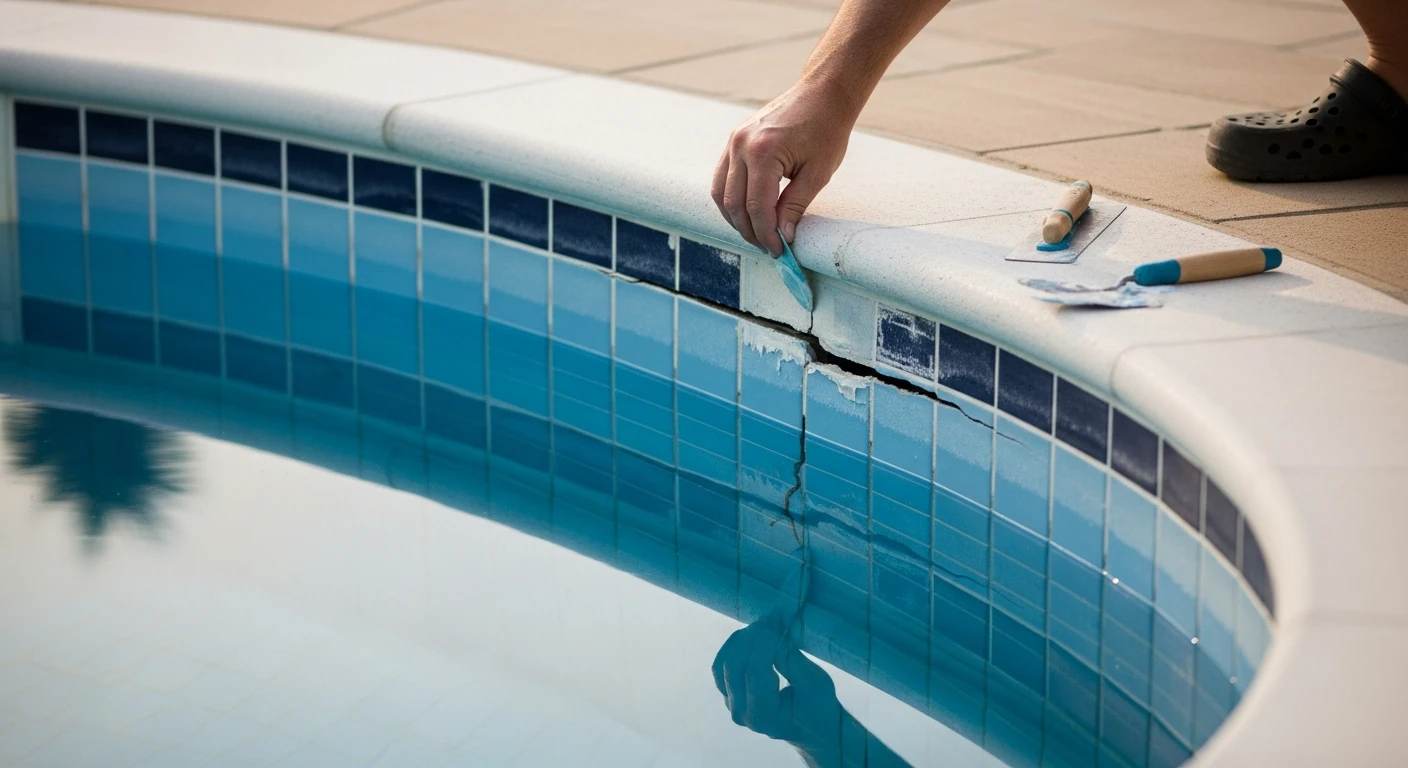
- Calcium Hardness (CH): Pinellas County's municipal water is notoriously hard. If CH levels are too high (above 400 ppm), especially when water temperature rises, you get scaling. This is that rough, sandpaper-like feeling on your pool's surface. On the other hand, if the water is too soft, it becomes aggressive and will literally pull calcium from your plaster finish, causing etching and pitting.
- Cyanuric Acid (CYA): This is the chlorine's sunscreen. Without an adequate CYA level (30-50 ppm), the intense Florida sun can burn off your free chlorine in a matter of hours. The critical mistake I often have to correct is letting CYA get too high from overuse of stabilized chlorine pucks. This leads to a state known as "chlorine lock," where you have plenty of chlorine in the water, but it's completely ineffective.
The Proactive Maintenance Execution Plan
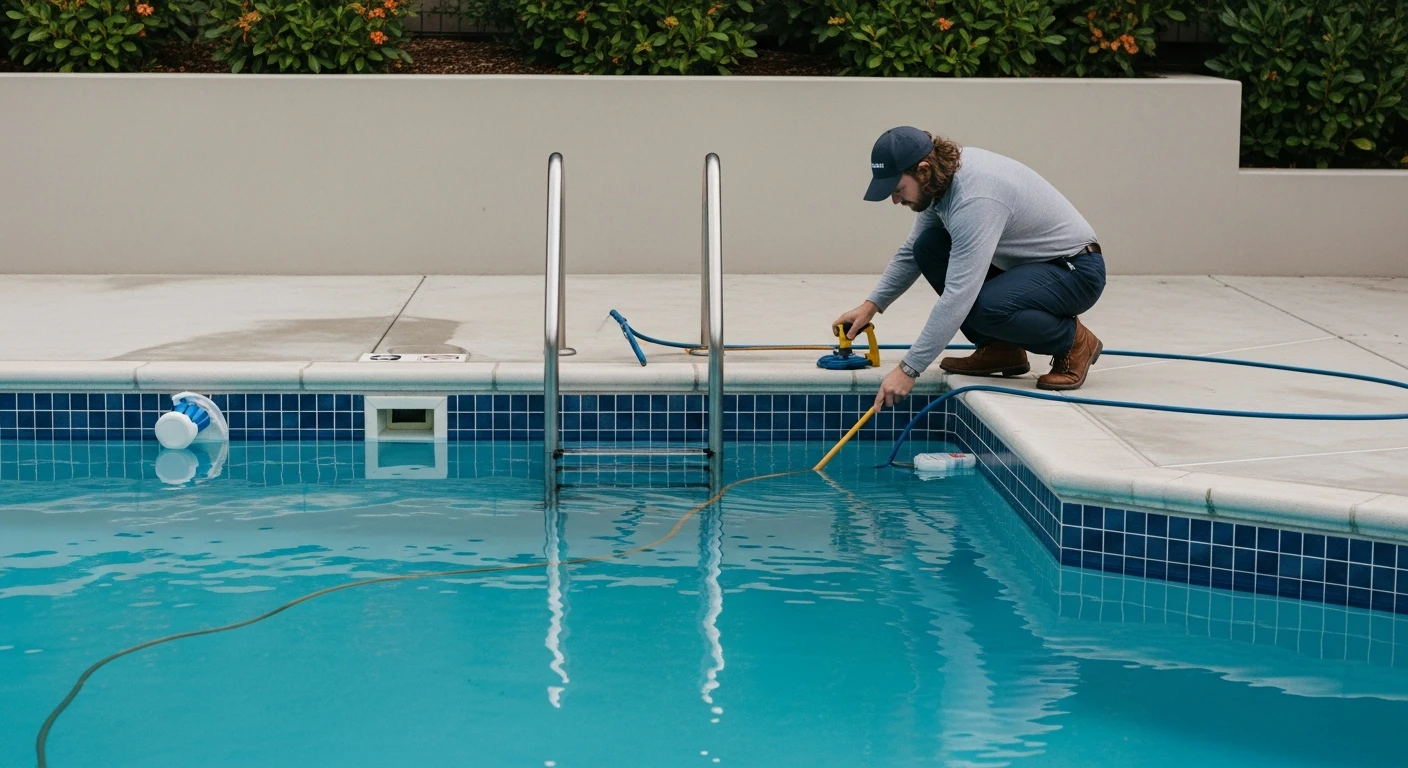
Once the initial LSI-based diagnosis is complete, my weekly service is a systematic execution of a proactive plan, not a reactive checklist. This is how I ensure consistency and prevent chemical drift.- Digital Water Analysis: Test for Free Chlorine, Total Chlorine, pH, Total Alkalinity, Calcium Hardness, and CYA. Log all results to track trends over time.
- LSI Calculation: Input all data points into my LSI calculator to determine if the water is balanced, corrosive, or scaling.
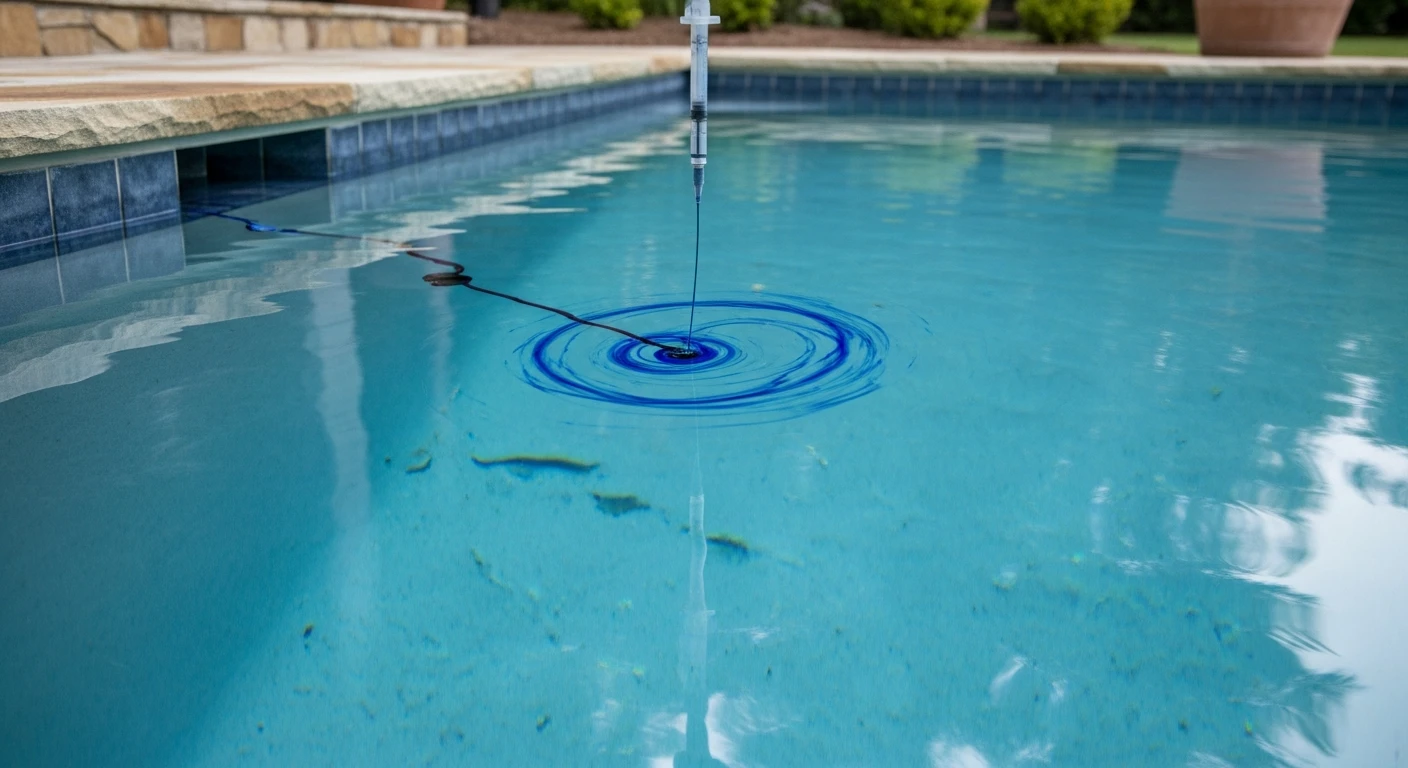
- Precision Chemical Dosing: Based on the LSI, I make micro-adjustments. Instead of dumping a whole bag of shock, I might add 8 ounces of sodium bicarbonate to raise TA by 5 ppm, which in turn will stabilize the pH for the entire week. This is a critical action.
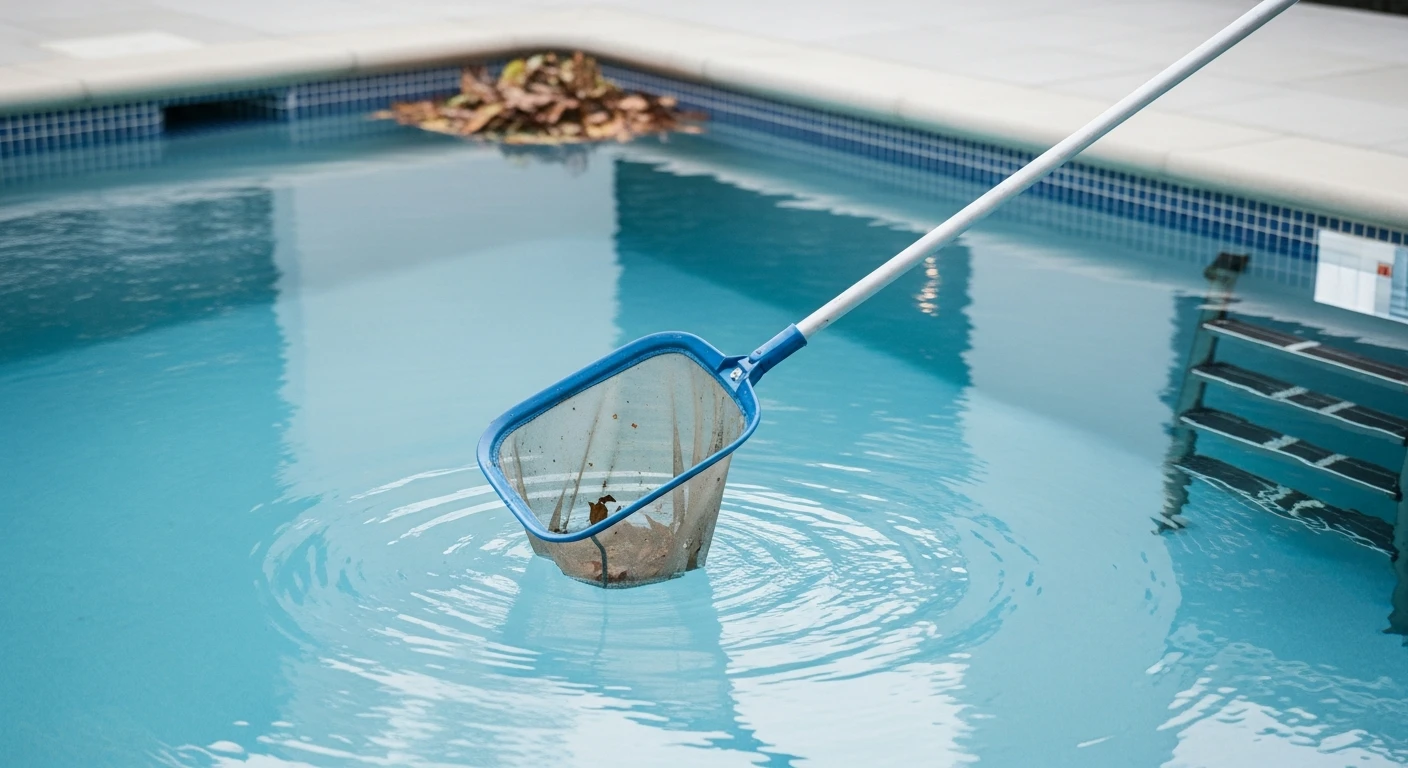
- Skimmer and Pump Basket Cleaning: This is especially vital during lovebug season or after a storm. A clogged basket restricts flow, reducing filtration efficiency by up to 50% and straining the pump motor.
- Systematic Brushing: Brush the walls, steps, and benches towards the main drain. This prevents biofilm from forming, which is the precursor to visible algae.
- Filter Backwashing/Cleaning: I monitor the filter pressure differential. I only backwash or clean the cartridge when the pressure rises 8-10 PSI above the clean starting pressure. Doing it too often is a waste of water and ineffective.
Precision Brushing and Filtration System Audits
Not all brushing is equal. For a classic marcite or plaster pool, I use a high-quality nylon bristle brush. Using a steel brush on these surfaces is a catastrophic error I've seen cause permanent scarring. For tougher pebble or quartz aggregate finishes, a hybrid nylon-steel brush is necessary to dislodge stubborn algae spores from the textured surface. Furthermore, I perform a monthly visual inspection of the filter internals, o-rings, and pump lid seal. A small air leak in the suction side can introduce bubbles into the system, drastically reducing filter performance and leading to cloudy water that baffles homeowners. This is an "invisible" problem that simple chemical testing will never uncover. Are you monitoring your pool's Langelier Saturation Index weekly, or just reacting to pH swings after it's too late to prevent long-term surface damage?Written by

Tags
pool cleaning
swimming pool maintenance
swimming pool care
leak pool repair
Pool Maintenance Services in Pinellas FL FAQ
What is the importance of regular pool maintenance?
Regular pool maintenance is crucial to ensure the health and longevity of your pool. It helps to prevent the growth of algae, removes dirt and contaminants, and maintains the proper chemical balance, which is essential for a safe and enjoyable swimming experience.
What are the benefits of hiring a professional pool maintenance service?
Hiring a professional pool maintenance service offers several benefits, including peace of mind, reduced risk of accidents, and improved pool performance. Our experienced technicians will ensure that your pool is properly maintained, ensuring that it remains safe, clean, and enjoyable for years to come.
What services do you offer for pool maintenance?
Our pool maintenance services include regular pool cleaning, water testing and balancing, equipment maintenance and repair, and customized maintenance plans tailored to your specific pool needs. We also offer additional services such as pool opening and closing, winterization, and equipment upgrades.
How often should I have my pool serviced?
The frequency of pool servicing depends on various factors, including the size and type of your pool, usage, and weather conditions. As a general rule, we recommend that most pools are serviced every 1-2 weeks during peak season and every 4-6 weeks during off-peak season.
Can I perform pool maintenance myself?
While it is possible to perform basic pool maintenance tasks yourself, such as skimming the surface and cleaning the filter, it is recommended to hire a professional pool maintenance service to ensure that your pool is properly maintained. Our technicians have the necessary knowledge, experience, and equipment to perform complex tasks and ensure the health and safety of your pool.
What are the consequences of neglecting pool maintenance?
Neglecting pool maintenance can have serious consequences, including the growth of algae, formation of scale and stains, and damage to pool equipment. In extreme cases, neglecting pool maintenance can even lead to health risks, such as the spread of bacteria and other contaminants.
Do you offer emergency pool maintenance services?
Yes, we offer emergency pool maintenance services for unexpected problems, such as a sudden algae bloom or equipment failure. Our technicians are available 24/7 to respond to your emergency and get your pool back to its optimal condition quickly and efficiently.
How do I know if my pool needs professional maintenance?
If you notice any of the following signs, it may be time to consider hiring a professional pool maintenance service: cloudy or green water, unusual odors, algae growth, or equipment failure. Our technicians can assess your pool's condition and recommend the necessary maintenance to get your pool back to its optimal state.