Energy-Efficient Pool Equipment in Pinellas County: My Protocol for a 75% Reduction in Pump Operating Costs
As a pool systems specialist here in Pinellas County for over 15 years, the single most costly mistake I see homeowners make is running an outdated, single-speed pump. I've audited systems from the waterfront homes in Tierra Verde to the older, established neighborhoods in Dunedin, and the story is always the same: a massive, noisy pump running eight hours a day, driving up their Duke Energy bill unnecessarily. The common "fix" of simply swapping it for a new variable-speed pump (VSP) often fails to deliver the promised savings because the installer misses the most critical step. My entire approach is built around a principle I call the Total System Flow Audit. It's not about the pump's horsepower; it's about calculating the precise flow rate (in gallons per minute) your specific pool needs for proper sanitation and then programming the VSP to meet that demand with the lowest possible energy draw. This methodology consistently reduces pump-related energy consumption by an average of 75%, and sometimes as high as 90%, for my clients across Pinellas.The Core Diagnostic: Why Generic VSP Installations Fail
I developed my Pinellas Flow Dynamics Audit after a particularly challenging project on a large pool in a Belleair Bluffs home. The owner had already paid for a new, top-of-the-line VSP but saw almost no change in his energy bill. The problem was clear: the installer had set the new pump to run at a high, fixed RPM, essentially making it a very expensive single-speed pump. They never considered the system's actual resistance. Most pool plumbing in Pinellas, especially in homes built before the 2000s, wasn't designed for the high flow rates of modern equipment. You often find undersized 1.5-inch pipes, multiple 90-degree elbows, and aging cartridge filters. This all adds up to high resistance, or what we in the industry call Total Dynamic Head (TDH). Ignoring TDH is the number one cause of energy waste. A pump fighting high resistance works harder and consumes exponentially more power.The Physics of Savings: Total Dynamic Head & The Pump Affinity Law
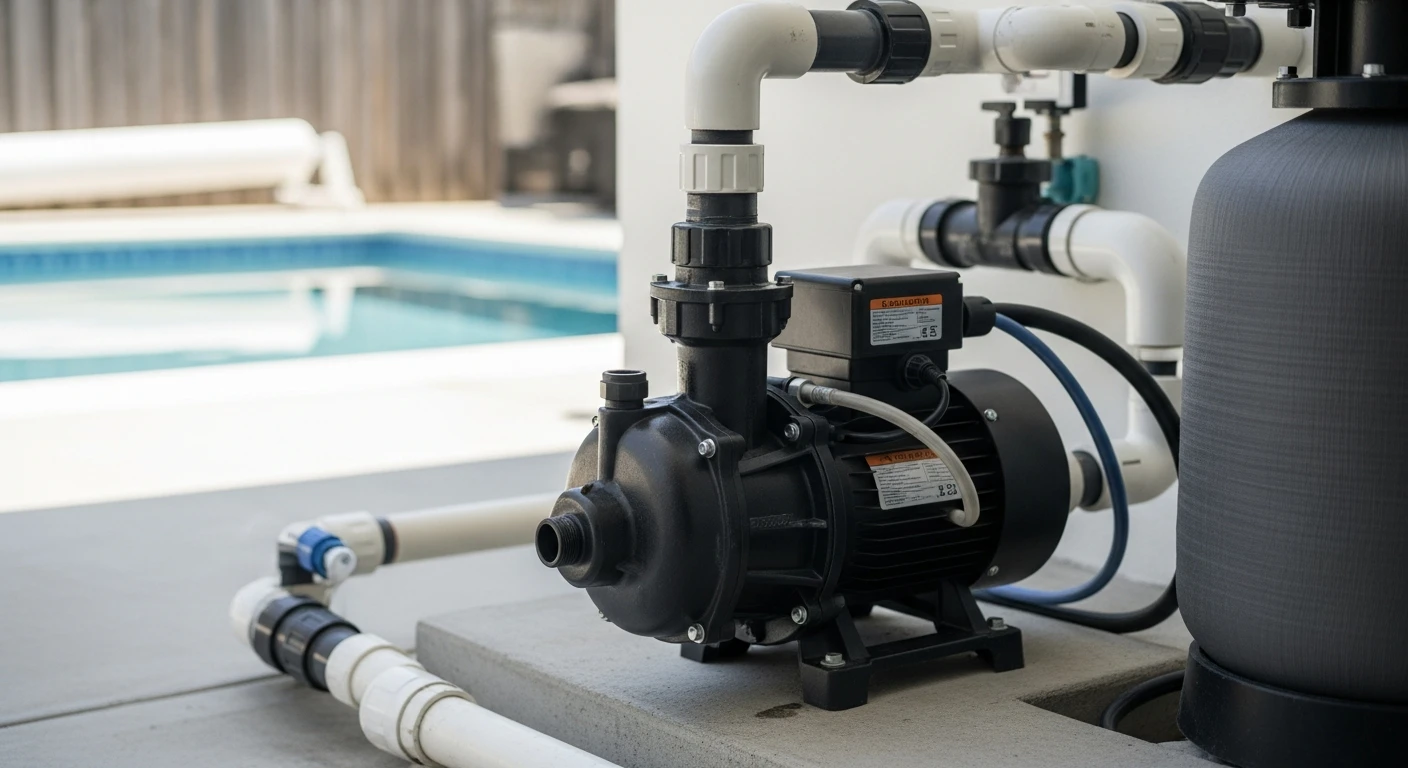
This is where the real technical gain comes in. The secret isn't just turning down the speed; it's understanding the Pump Affinity Law. This engineering principle states that if you reduce the pump's motor speed (RPM) by half, you reduce the flow by half, but the energy consumption drops by a factor of eight. This is the "magic" behind VSP savings. My audit focuses on finding the lowest possible RPM that still achieves the target turnover rate for your specific pool—the rate at which all the water passes through the filter. For a typical 15,000-gallon pool in a Seminole backyard, achieving one full turnover might only require the VSP to run at 1,500 RPM for 8 hours, consuming a fraction of the energy of a single-speed pump running at a fixed 3,450 RPM for the same duration. The generic installer never does this calculation; they just set it and forget it.My VSP Implementation & Calibration Protocol
Installing an energy-efficient system is a calibration process, not just a parts swap. I follow a strict, multi-point protocol to guarantee maximum ROI for every client, whether it's a small community pool in a Palm Harbor condo complex or a large residential pool.- System Mapping & TDH Calculation: I begin by physically measuring the length and diameter of all suction and return lines. I count every valve and fitting to accurately calculate the system's Total Dynamic Head. This is a non-negotiable first step.
- Strategic Pump Sizing: Based on the TDH and the pool's volume, I select a VSP that is correctly sized. Oversizing the pump is a common and costly error that I frequently have to correct. A bigger pump forced to run at low speeds is inefficient.
- Electrical System Verification: I always verify that the electrical supply, bonding, and grounding meet current codes. This is a critical safety step, especially given the age of some electrical panels in older St. Pete homes.
- Multi-Schedule Flow Programming: This is the most critical phase. I program multiple schedules directly into the VSP's controller based on usage.
- Primary Filtration Cycle: A long, low-RPM cycle (e.g., 10 hours at 1,400 RPM) for daily filtering.
- Skimming/Cleaning Cycle: A shorter, medium-RPM cycle (e.g., 2 hours at 2,200 RPM) to create enough suction for the skimmers or a pressure-side cleaner to work effectively.
- High-Speed Features Cycle: A very short, high-RPM cycle (e.g., 30 minutes at 3,000 RPM) activated only when features like spa spillovers or waterfalls are desired.
Precision Tuning for the Pinellas Climate
The job isn't done after the initial programming. Our long, hot, and humid summers create the perfect breeding ground for algae. Therefore, a system here needs seasonal adjustments. For my clients, I build in a "summer mode" and a "winter mode." The summer mode might increase the primary filtration cycle's runtime or RPM slightly to increase the daily turnover rate and chemical distribution, preventing algae blooms before they start. The winter mode, when water temperatures drop, can significantly scale back runtimes, saving even more energy. This level of precision tuning ensures the pool stays clear year-round without wasting a single kilowatt. Is your current pool system running on a schedule custom-calibrated for your plumbing's unique Total Dynamic Head, or is it just running on a factory default setting?Written by

Tags
high efficiency pool pump
energy star pool pump
most efficient pool pump
energy efficient swimming pool pumps
Energy-efficient Pool Equipment in Pinellas FL FAQ
What is energy-efficient pool equipment?
Energy-efficient pool equipment refers to devices and systems designed to reduce energy consumption and minimize the environmental impact of pool operation. These equipment are designed to minimize energy waste, reduce carbon footprint, and provide cost-effective solutions for pool owners.
Why is energy-efficient pool equipment important?
Energy-efficient pool equipment is important because it helps to reduce energy consumption, which can lead to significant cost savings and a reduction in carbon emissions. It also helps to extend the life of your pool equipment, reducing the need for frequent replacements and maintenance.
What are some examples of energy-efficient pool equipment?
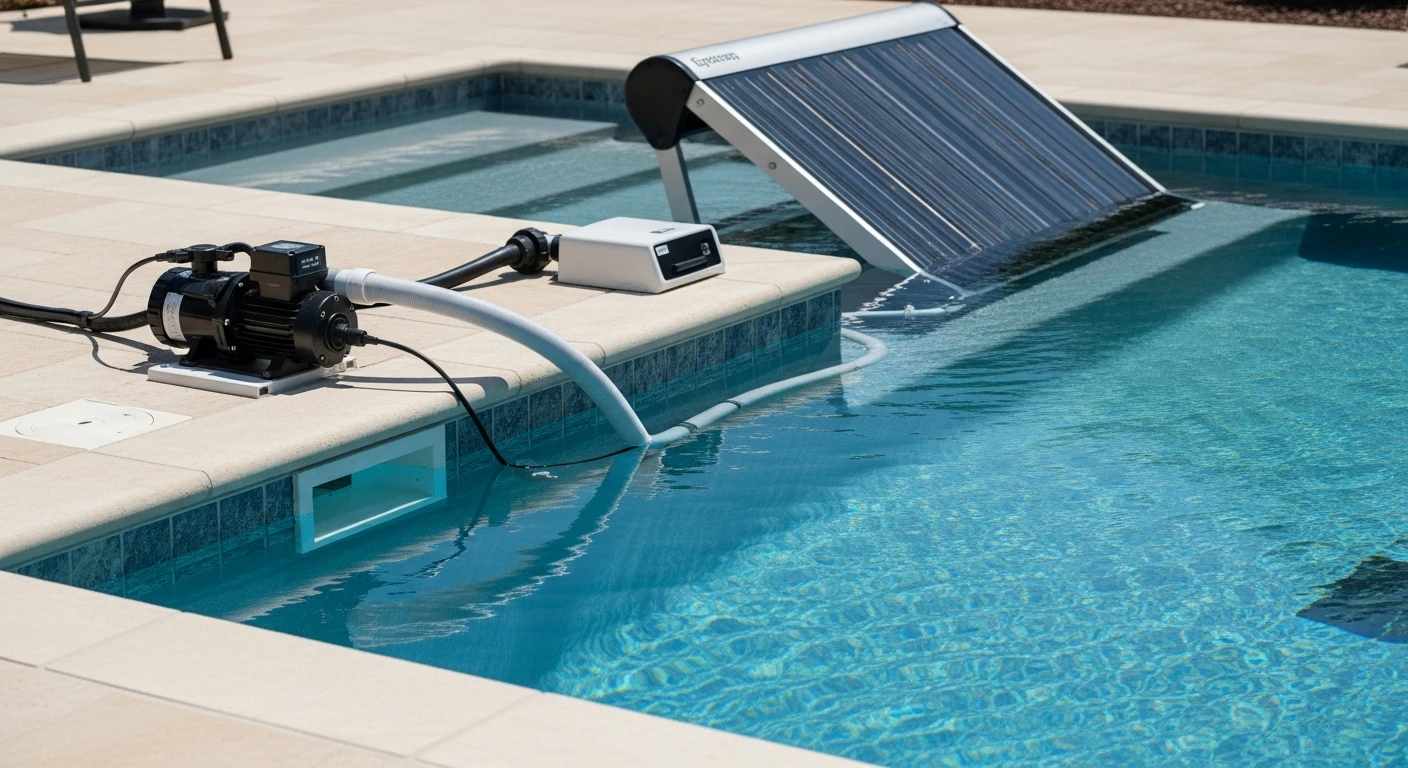
Some examples of energy-efficient pool equipment include variable speed pumps, high-efficiency filters, LED pool lights, and solar-powered pool heaters. These equipment are designed to provide optimal performance while minimizing energy consumption.
How can I choose the right energy-efficient pool equipment for my pool?
To choose the right energy-efficient pool equipment for your pool, consider the following factors: pool size, pool usage, and local energy costs. Consult with a professional or conduct research to find the most suitable equipment for your specific needs and budget.
What are the benefits of upgrading to energy-efficient pool equipment?
The benefits of upgrading to energy-efficient pool equipment include reduced energy costs, extended equipment life, reduced carbon emissions, and improved pool performance. Additionally, energy-efficient pool equipment can increase your property value and appeal to environmentally conscious buyers.
How can I maintain my energy-efficient pool equipment?
To maintain your energy-efficient pool equipment, follow the manufacturer's instructions, perform regular cleaning and maintenance, and conduct routine inspections to identify any potential issues before they become major problems.
Can I still enjoy my pool during the winter months with energy-efficient pool equipment?
Yes, energy-efficient pool equipment allows you to enjoy your pool during the winter months while minimizing energy consumption. Many energy-efficient pool equipment options, such as solar-powered pool heaters, can operate during the winter months to keep your pool warm and enjoyable.
Are energy-efficient pool equipment options available for all pool types?
Yes, energy-efficient pool equipment options are available for various pool types, including in-ground, above-ground, and saltwater pools. Consult with a professional or conduct research to find the most suitable energy-efficient pool equipment for your specific pool type and needs.
Can I install energy-efficient pool equipment myself?
While some energy-efficient pool equipment options can be installed by a DIY enthusiast, it is recommended to hire a professional for installation and maintenance. Incorrect installation can lead to reduced performance, increased energy consumption, and potential equipment damage.