Manatee County Pool Water Features: My Protocol for Corrosion-Proofing and Extending Lifespan by 50%
As a pool systems specialist in Manatee County, I’ve seen countless beautiful water features degrade in just a few years. The common mistake isn't the feature itself, but a fundamental misunderstanding of our unique coastal environment. Standard installations simply fail against the triad of high humidity, intense UV radiation, and, for properties from Anna Maria Island to the Bradenton waterfront, persistent salt spray. My entire approach is built on preempting these environmental stressors, not reacting to them. This isn't about just choosing a "weather-resistant" product; it's a holistic methodology focusing on material science and hydraulic precision. I developed this protocol after a particularly frustrating project in a Lakewood Ranch community where three expensive sheer descent features failed from internal corrosion within 24 months. The builder blamed the manufacturer, but I identified the root cause: an incompatibility between the brass fittings and the pool's saltwater chlorinator, a phenomenon called galvanic corrosion. My system ensures such costly oversights never happen.The Coastal Durability Audit: A Pre-Installation Diagnostic
Before a single pipe is cut, I perform what I call the Coastal Durability Audit. This isn't a simple site survey; it's a deep analysis of the micro-environment your pool exists in. Homeowners in Ellenton face different challenges than those in Parrish. The audit is my proprietary method for mapping environmental threats to material and system choices, guaranteeing a water feature that thrives, not just survives.Technical Deep-Dive: Material Science and Hydraulic Calibration
The audit focuses on two core technical pillars. First is material integrity. I've seen builders use 304-grade stainless steel scuppers that develop rust spots within a year. For any Manatee County project, I mandate marine-grade 316L stainless steel for its superior molybdenum content, which offers exceptional resistance to chloride corrosion. For plumbing fittings, I avoid brass in saltwater systems entirely and specify Schedule 80 PVC or specialized composite materials that are completely inert. The second pillar is flow rate calibration. This is the most overlooked aspect of water feature performance and longevity. A flow rate that's too high for a sheer descent causes excessive splashing and noise, while a rate that's too low in a bubbler or grotto becomes a breeding ground for algae due to poor circulation. I calculate the required Gallons Per Hour (GPH) based on the feature's specific weir length or orifice size, ensuring the water flow is visually stunning and hydraulically sound, which can reduce chemical consumption by up to 15%.Implementation Framework: The Pre-Plumbing Checklist
Executing this correctly involves a strict, sequential process. I treat the water feature as its own critical subsystem, not an afterthought. My non-negotiable checklist is a key part of my first-hand experience and ensures predictable, high-quality results.- Dedicated Plumbing Loop: I always specify a dedicated plumbing line for the water feature, running directly from the equipment pad. Tapping into the main return line is a common shortcut that creates hydraulic imbalances and compromises both the feature and the pool's filtration efficiency.
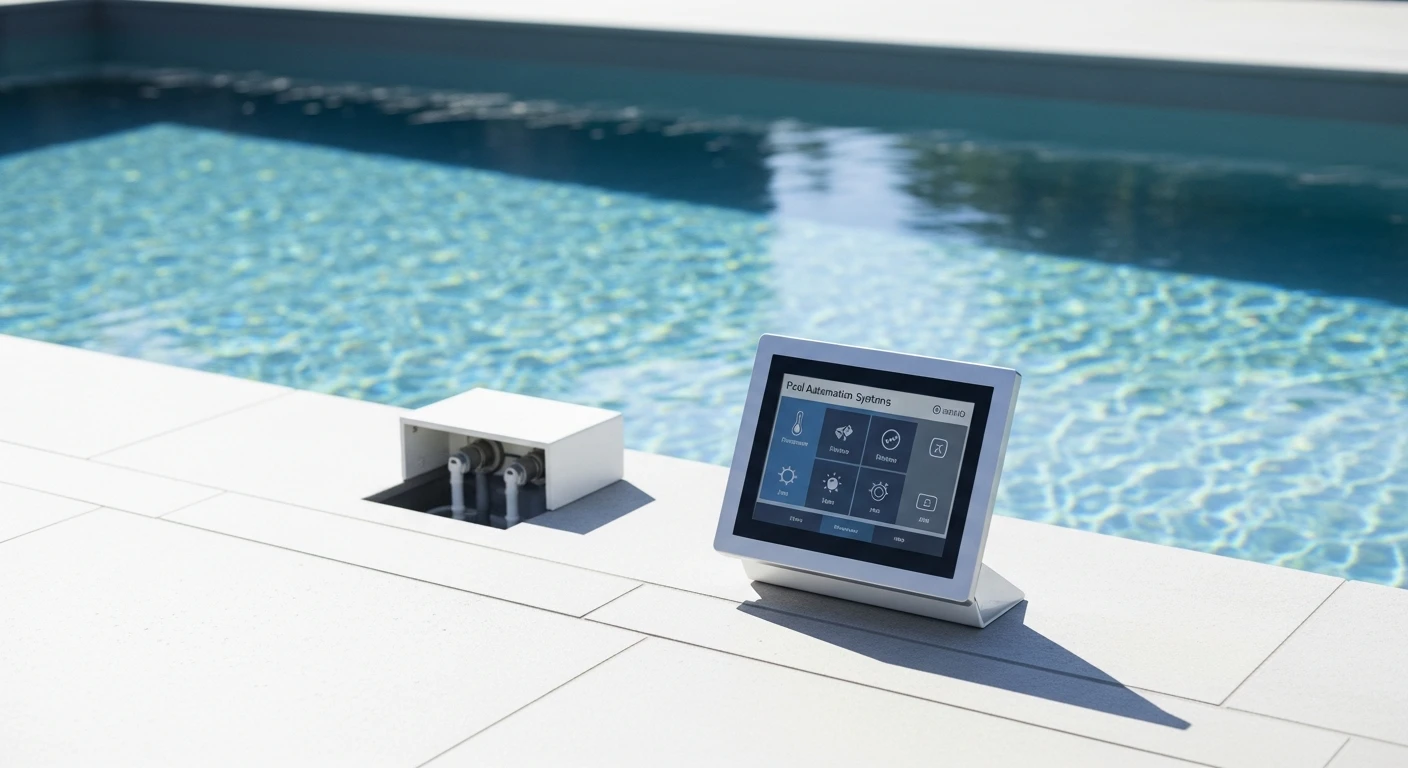
- Variable Speed Pump Integration: The feature must be programmed into the variable speed pump (VSP) controller. I set a specific RPM to achieve the exact GPH calculated during the audit. This is critical for both performance and energy efficiency.
- Material Verification on Site: Before installation, I physically verify the material specifications of every component. I once stopped an installation in a Palma Sola home where a supplier had sent standard brass fittings instead of the specified composite, saving the client thousands in future repairs.
- Electrical Bonding and GFCI Protection: Any feature with an integrated light or an adjacent metallic component must be properly bonded to the pool's grounding grid. The power source is always connected to a GFCI-protected circuit. This is a life-safety issue I never compromise on.
Fine-Tuning for Peak Performance: Post-Installation Standards
Once the system is operational, my work shifts to precision adjustments. This is what separates a functional installation from an exceptional one. I have a 72-hour commissioning period where I refine the system. This involves acoustic tuning, where I adjust the flow rate by small increments to achieve the desired sound—from a tranquil murmur to a dramatic cascade. I also address splash-out, meticulously adjusting the feature's lip or angle to ensure all water returns to the pool, protecting the deck, landscaping, and preventing water chemistry dilution from fill-ups. This final step is my quality guarantee. Have you ever considered how the Total Dynamic Head of your water feature's plumbing loop is affecting your pump's energy consumption and long-term health?Written by

Tags
natural pond swimming pools
pool fountain
swimming pool water features
rock waterfall pool
Pool Water Features in Manatee FL FAQ
What are pool water features?
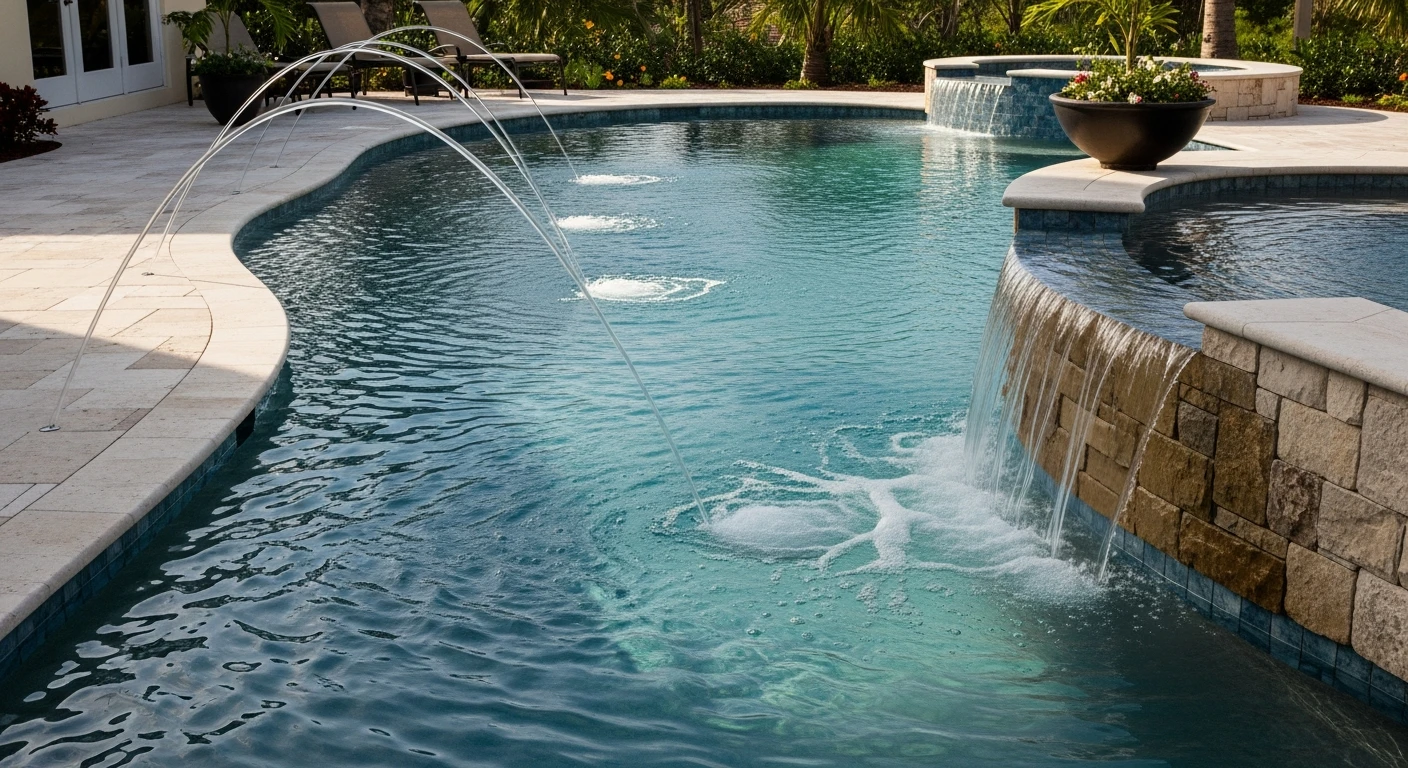
Pool water features refer to the various elements that can be added to a swimming pool to enhance its aesthetic appeal, functionality, and overall experience. These features can include waterfalls, fountains, jets, lights, and other decorative elements that create a unique and enjoyable environment.
What are the benefits of installing pool water features?
Installing pool water features can enhance the value of your property, increase the enjoyment of your pool, and create a relaxing and inviting atmosphere. Water features can also help to improve water circulation and filtration, reducing the need for chemicals and maintenance.
What types of pool water features are available?
There are many types of pool water features available, including waterfalls, fountains, jets, lights, and decorative elements such as sculptures and statues. Pool owners can choose from a wide range of materials, styles, and designs to suit their pool and personal preferences.
How do I choose the right pool water feature for my pool?
When choosing a pool water feature, consider the size and shape of your pool, the style and decor of your backyard, and your personal preferences. Consider factors such as noise levels, maintenance requirements, and energy efficiency. Consult with a professional to determine the best option for your pool.
Can I install pool water features myself?
While it's possible to install some pool water features yourself, it's generally recommended to hire a professional to ensure a safe and proper installation. Pool water features require specialized knowledge and expertise to ensure proper function and safety.
How do I maintain my pool water features?
Regular maintenance is essential to keep your pool water features clean and functioning properly. This includes cleaning filters, checking and replacing parts, and ensuring proper water chemistry. Consult with a professional for specific maintenance requirements and recommendations.
Are pool water features energy-efficient?
Many pool water features are designed to be energy-efficient, using solar power, pumps, and other energy-saving technologies. However, it's essential to check the energy requirements and efficiency of the specific feature you're interested in to ensure it meets your energy goals.
Can I customize my pool water features?
Yes, many pool water features can be customized to suit your personal preferences and pool design. Work with a professional to design and install a unique and personalized pool water feature that reflects your style and taste.
What are the costs associated with installing pool water features?
The costs associated with installing pool water features vary depending on the type and size of the feature, as well as the materials and labor required. Consult with a professional to determine the costs and budget requirements for your specific project.
Are pool water features safe for children and pets?
Pool water features can be safe for children and pets if installed and maintained properly. However, it's essential to take steps to ensure the safety and security of your pool and water features, including installing fencing, gates, and other safety measures.