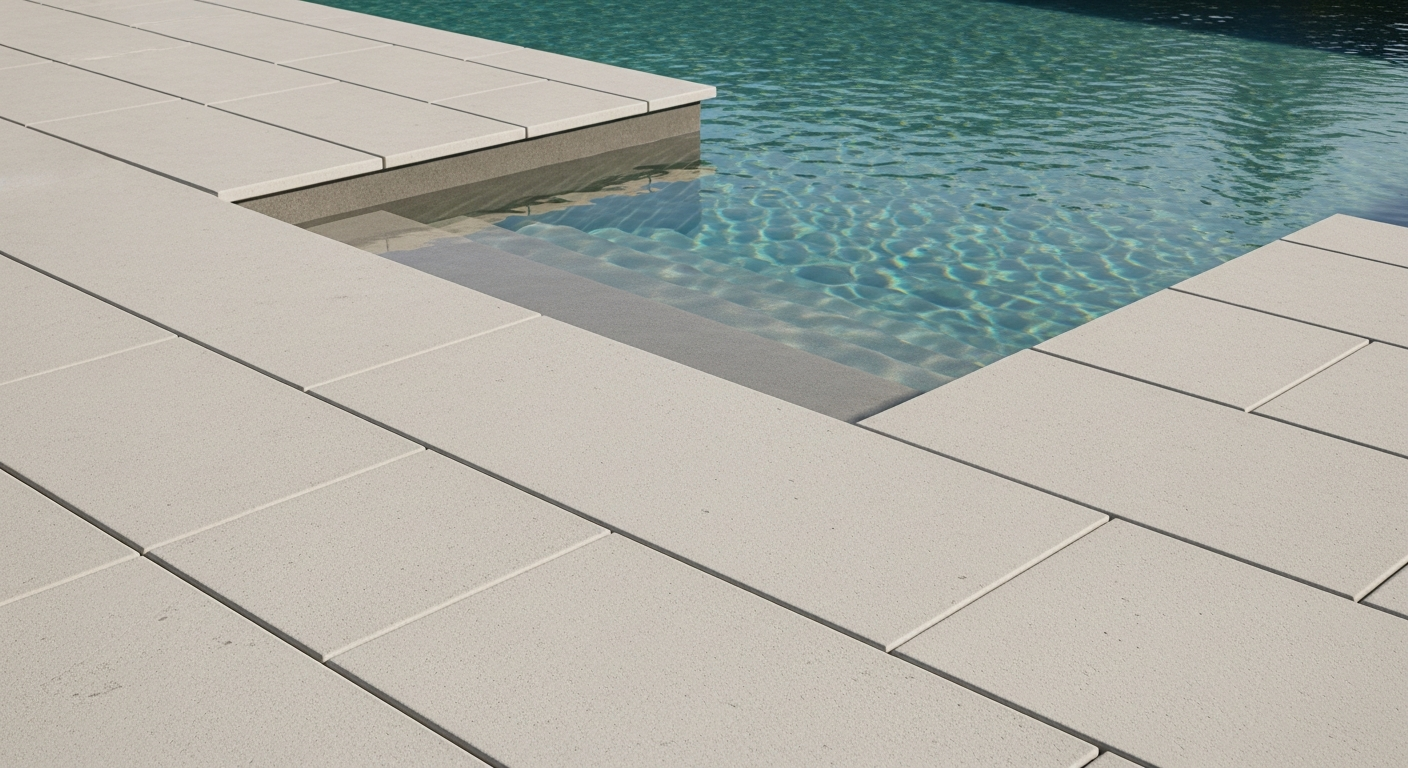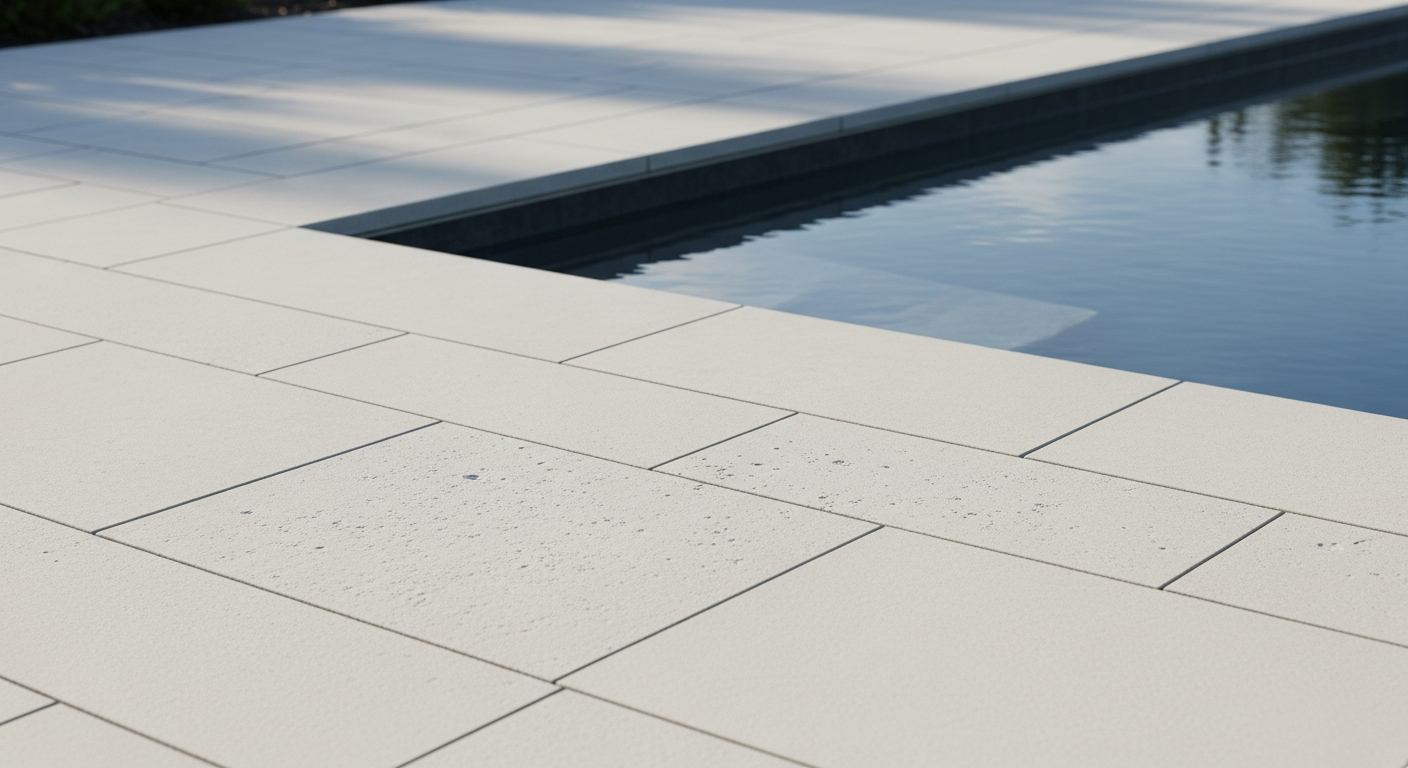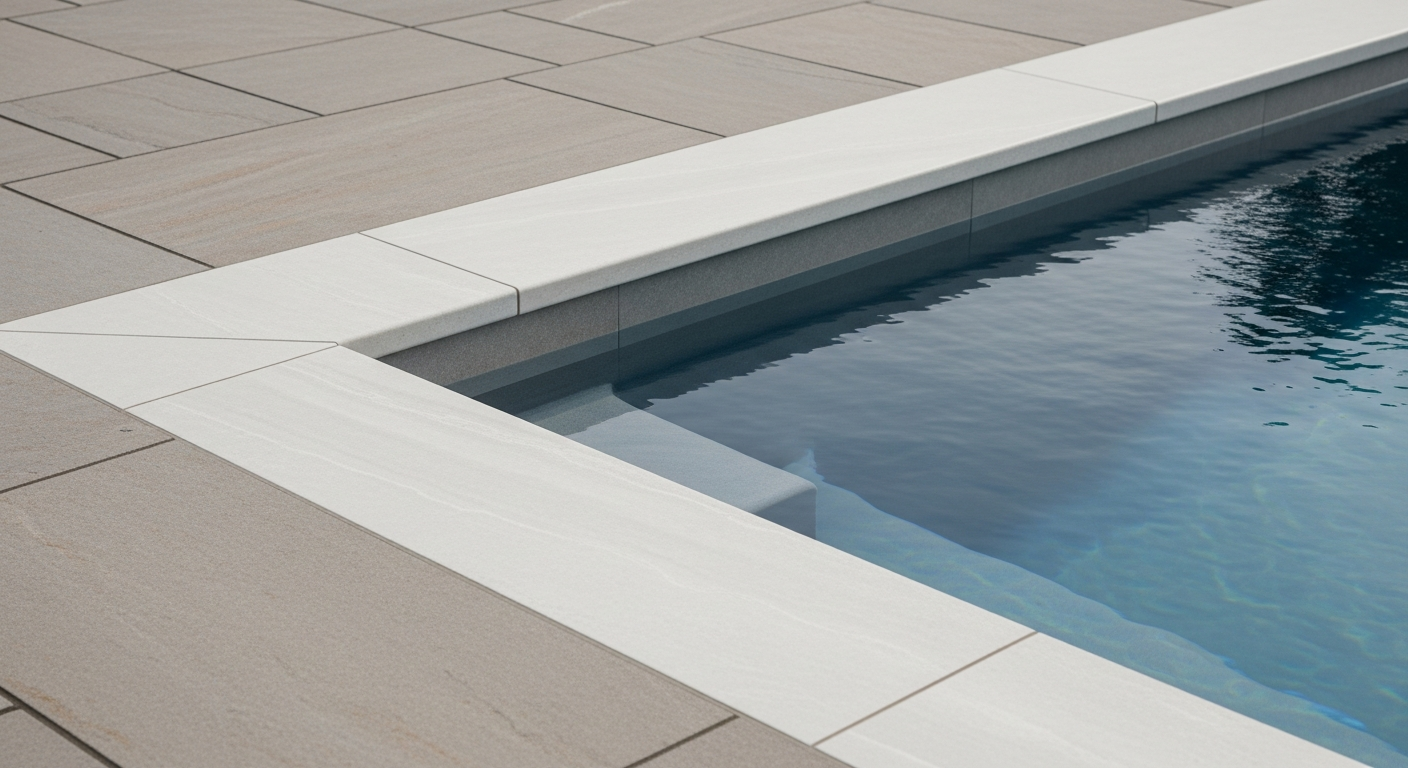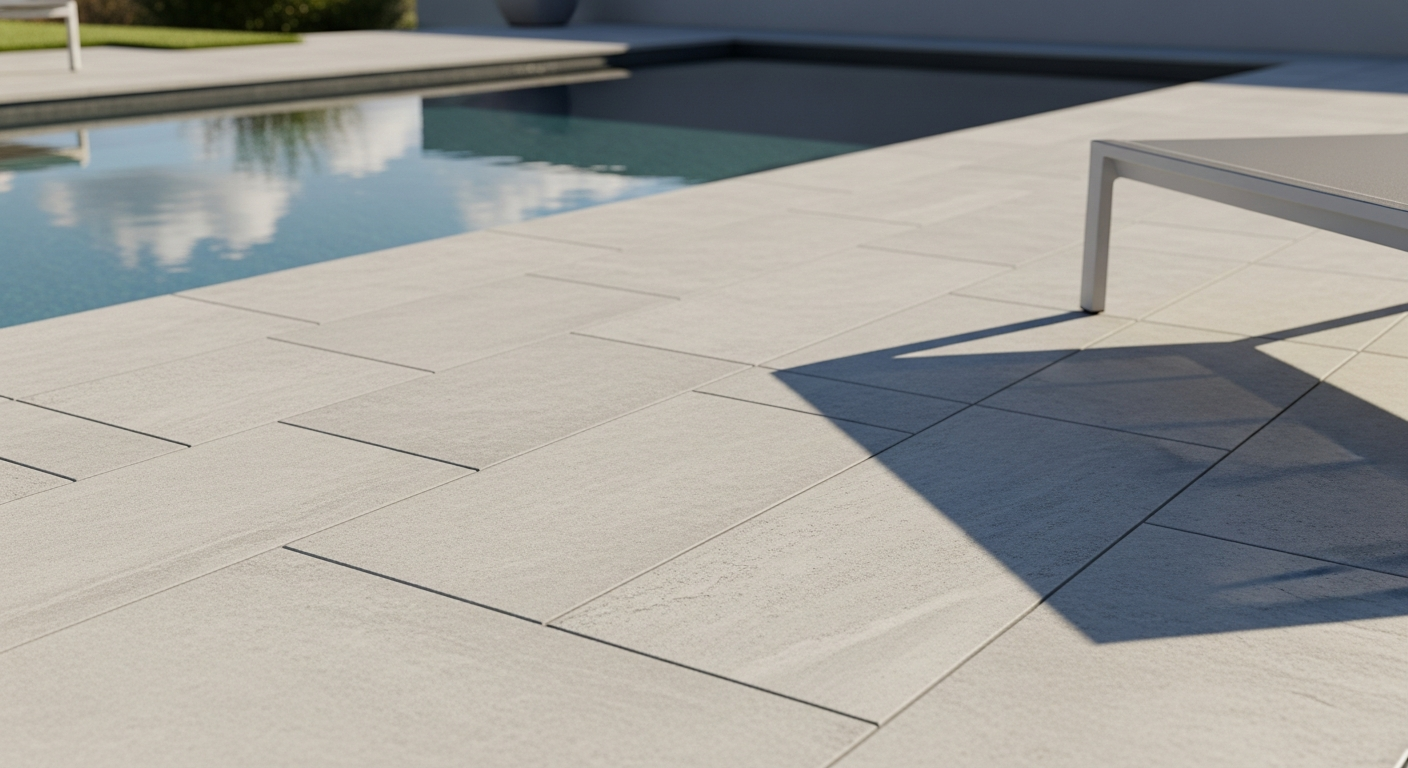
Porcelain Paving Near Me: The Vetting Framework That Prevents 95% of Installation Failures
When you search for "porcelain paving near me," you're not just looking for tiles; you're looking for a result that lasts decades. After 15 years in this industry, I've seen countless beautiful patios fail within two years, not because of the material, but due to catastrophic installation errors hidden beneath the surface. The single biggest mistake homeowners make is evaluating contractors based on their finished photos instead of their sub-base preparation methodology.
I developed my proprietary vetting framework to solve this exact problem. It forces a conversation about the foundational elements that guarantee a 25+ year lifespan for your investment. This isn't about finding the cheapest quote; it's about identifying the one contractor in ten who understands the physics of a proper porcelain installation and can prevent the frost heave and slab movement that will cost you thousands in repairs down the line.
Diagnosing the Root Cause: My C.A.S.T. Assessment Framework
The vast majority of paving failures I'm called in to fix stem from a complete disregard for the groundworks. A pretty surface can hide a ticking time bomb. To counter this, I don’t start by looking at tile samples. I start with my **C.A.S.T. Assessment**—a non-negotiable checklist that interrogates a contractor's process on the four pillars of a successful installation: Compaction, Adhesion, Spacing, and Tolerance. This methodology shifts the focus from the aesthetic to the structural, which is where true quality and longevity are born. I've seen projects with £100 per square meter tiles fail because the contractor saved £5 on the correct bonding agent. My framework prevents that.
A Technical Deep-Dive into the C.A.S.T. Pillars
Understanding these technical points is your greatest defense. When you discuss these with a potential installer, their reaction will tell you everything you need to know about their expertise.
- Compaction: The foundation must be a non-negotiable minimum of 150mm of compacted **MOT Type 1 sub-base** for pedestrian patios. The key here is the compaction itself. I demand proof of using a mechanical wacker plate to achieve a **95% compaction rate**. Anything less, and you'll see subsidence and slab movement within the first three winters.
- Adhesion: This is the most common failure point I encounter. Porcelain is non-porous. It requires a **full mortar bed** (never "dot and dab") for support. Critically, the back of every single slab must be coated with a **slurry primer** (an SBR bonding agent) immediately before being laid. This creates a chemical bond between the non-porous tile and the mortar. Skipping this step guarantees delamination.
- Spacing: Joints are not just for aesthetics; they allow for thermal expansion. I specify a consistent 3-5mm joint, filled with a flexible, **porcelain-specific brush-in grout**. Using standard cement-based grout will lead to cracking and water ingress, which in turn leads to frost damage.
- Tolerance: I work with high-quality, **rectified porcelain tiles**, which have perfectly straight edges. Even with these, there's a standard for flatness. An acceptable level of lippage (the height difference between two adjacent tiles) is less than 1mm. A good installer uses a leveling system to achieve this.
- Ask directly: "What is your standard depth for the **MOT Type 1 sub-base**, and what machinery do you use for compaction?"
- Follow up with: "Do you lay on a **full mortar bed**, and can you confirm you apply a **slurry primer** to the back of every tile?" If they hesitate or say it's not needed, end the conversation.
- Inquire about materials: "What specific brand and type of **brush-in grout** do you use for porcelain, and what joint width do you recommend?"
- Discuss finishing standards: "What is your process for ensuring minimal **lippage** between tiles, and do you use a tile leveling system?"
- Finally, ask about water management: "What **fall gradient** do you build into the patio to ensure proper water runoff?"
Tags
coping pavers
pool deck pavers over concrete
swimming pool pavers
pool pavers and coping
best pavers for pool deck