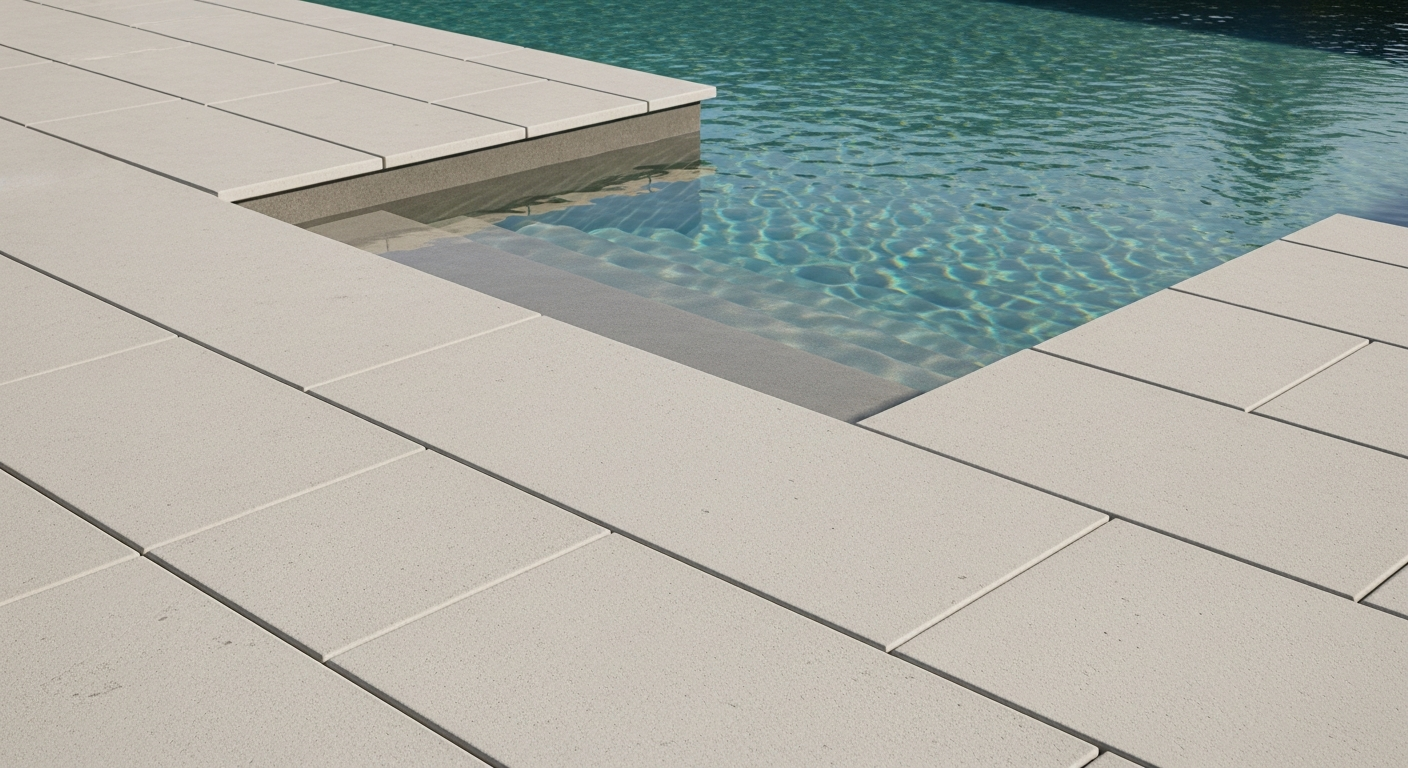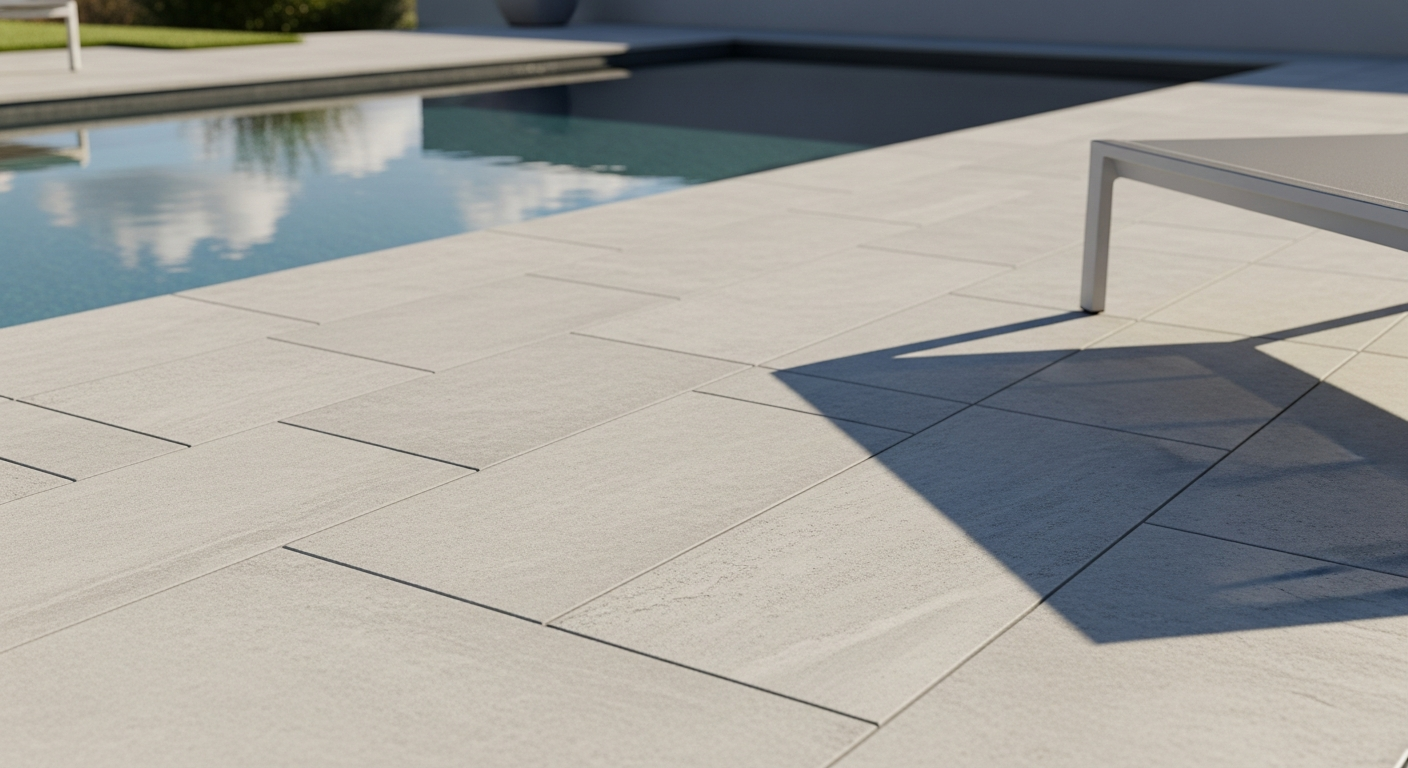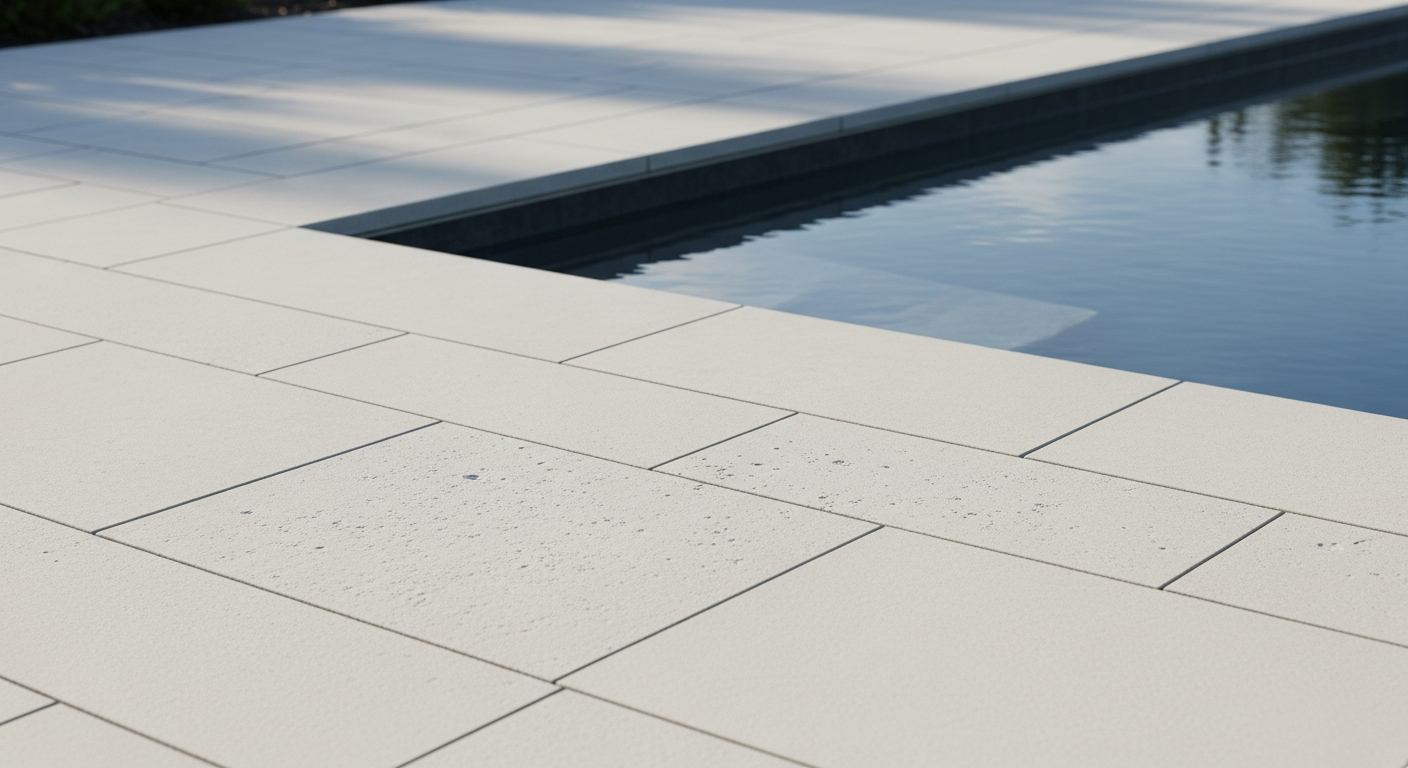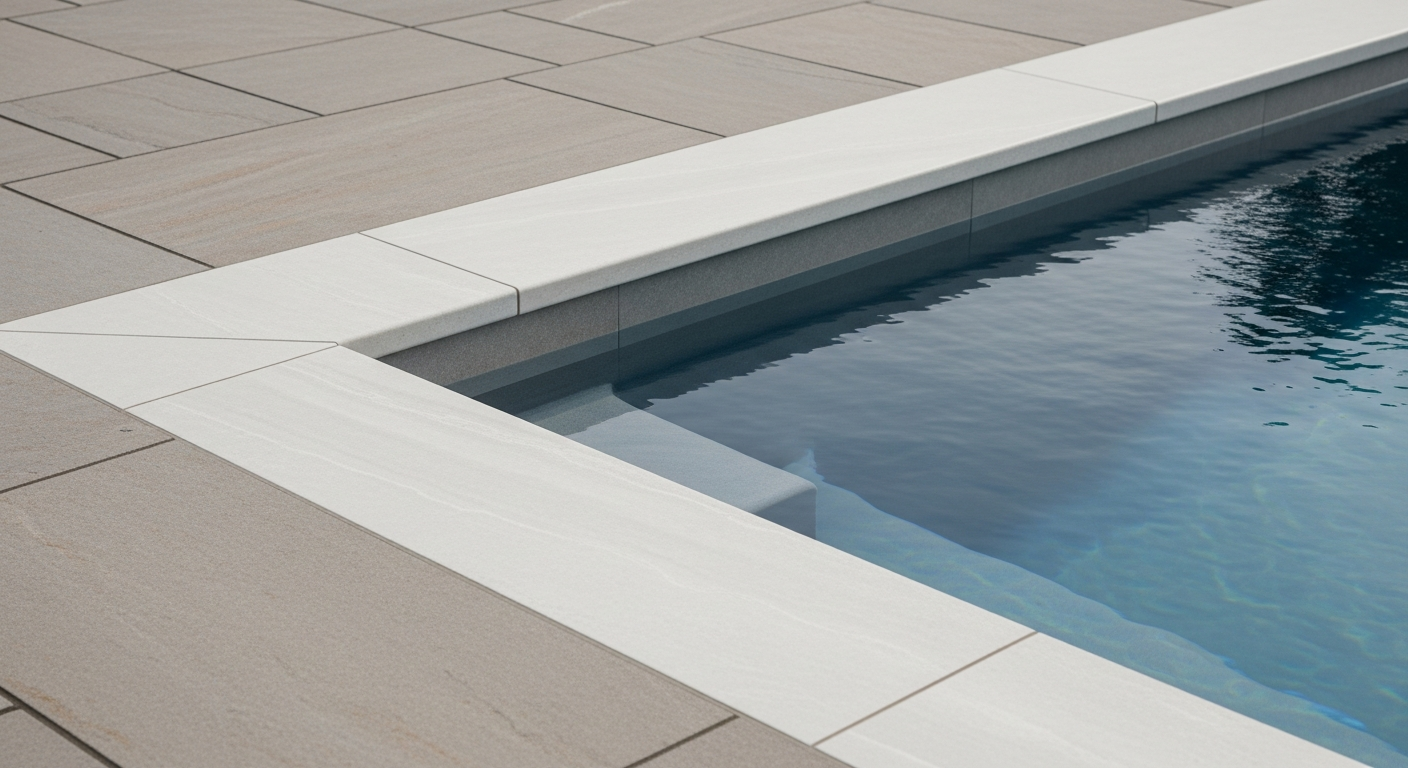
Porcelain Pool Coping Seminole County: My Framework for Zero Spalling and 30% Increased Longevity
For years, I've seen the same pattern across Seminole County pool decks, from the sprawling estates in Heathrow to the family homes in Longwood: porcelain coping that looks pristine for a year, then begins to show micro-cracks and grout failure. The core issue is almost never the porcelain itself; it’s the installer’s failure to account for Florida’s brutal combination of intense UV radiation and high humidity, which creates a uniquely hostile environment for the entire installation system. My approach doesn't just focus on laying tile; it's a complete system designed to counteract these specific local stressors. I developed what I call the Humid-Climate Bonding Protocol after a particularly challenging project in Lake Mary where a brand new, expensive porcelain installation failed in under 18 months. The homeowner blamed the material, but my analysis showed the failure was at the bond line. The installer had used a standard, unmodified thin-set mortar that simply couldn't handle the thermal expansion and contraction cycles. The porcelain’s extremely low porosity (less than 0.5%) means it offers almost no mechanical grip, so the chemical bond has to be perfect. My protocol ensures this bond is resilient enough to last for decades, not just a few seasons.My Diagnostic Framework for Seminole County Pool Decks
My process begins not with selecting the porcelain, but with a rigorous analysis of the pool's concrete beam and existing substrate. I've seen installers apply new coping directly over old, compromised surfaces, which is a guarantee for delamination. The primary failure point I consistently identify is an improperly prepared substrate combined with the wrong bonding agent and grout, a fatal combination under the Sanford sun.Porcelain's Low Porosity: A Double-Edged Sword in Florida's Humidity
The beauty of porcelain is its non-porous nature; it resists staining and algae growth, a huge plus in our humid climate. But this same quality makes it incredibly difficult to bond securely. Water from the mortar has nowhere to absorb into the tile, making the chemical curing process absolutely critical. A standard mortar will simply not create a sufficient bond. For any Seminole County project, my non-negotiable baseline is a polymer-modified thin-set mortar that meets or exceeds ANSI A118.15 specifications. Furthermore, the immense temperature swings cause the coping and the concrete shell to expand and contract at different rates. Standard cementitious grout will crack and crumble under this stress. I mandate the use of a high-performance, flexible grout, often an epoxy or a high-end urethane, which provides the necessary elasticity to handle this movement without failing.Executing the Installation: A Non-Negotiable Step-by-Step Protocol
A flawless installation is a sequence of precise, non-negotiable steps. Deviating from this process is how failures happen. I’ve refined this list after years of seeing what works and what absolutely does not in our local environment.- Substrate Profiling: The concrete beam must be mechanically abraded, typically via grinding, to achieve a Concrete Surface Profile (CSP) of 3. This creates the necessary texture for the mortar to grip. Simply pressure washing is not enough.
- Waterproofing Membrane: Before any coping is laid, I apply a liquid crack-isolation and waterproofing membrane over the entire concrete beam. This prevents water intrusion from behind the tile, which is a primary cause of bond failure.
- 100% Mortar Coverage: Every single piece of porcelain coping must be "back-buttered" with mortar. Then, I use a directional troweling technique on the beam to ensure there are absolutely zero air voids beneath the coping. I've used thermal cameras on failed jobs to show homeowners the hollow spots left by lazy installations.
- Strategic Joint Sizing: I specify a minimum 3/16-inch grout joint. This isn't just for aesthetics; it's a critical expansion joint that allows for thermal movement. Hairline grout joints are a recipe for disaster.
- Climate-Aware Curing: The grout must be protected from direct, intense sun and premature drying for at least 72 hours. I often use damp burlap covers to ensure a slow, proper cure, preventing shrinkage cracks.
Post-Installation Audits: My Quality Control Checklist
Once the job is complete, my quality control audit begins. I am meticulous because small errors become large problems quickly. I methodically tap every piece of coping with a phenolic resin hammer to "sound" for any hollow spots, which indicate a void and a future point of failure. I also perform a lippage check, ensuring no edge of a tile is higher than its neighbor by more than 1/32 of an inch. Finally, even with high-performance grout, I recommend a penetrating hydrophobic grout sealer after 30 days of curing. This provides an extra layer of defense against the inevitable mildew and algae that thrive in our year-round humidity. Given the thermal expansion coefficient of porcelain, have you calculated the necessary perimeter expansion joint width for your specific deck size to prevent shear stress failure at the bond line?Written by

Tags
sealing pavers around pool
porcelain pool coping
pool paver installers near me
porcelain pool pavers
porcelain pavers pool deck