Saltwater Pool Maintenance: My Pinellas County Protocol for Preventing SWG Burnout and Algae Blooms
Maintaining a saltwater pool in Pinellas County isn't about following the manufacturer's generic manual. Here, your Salt Water Chlorine Generator (SWG) is in a constant battle with intense UV exposure, torrential summer rain, and oppressive humidity. For years, I watched clients in areas from Palm Harbor to St. Pete Beach struggle with fluctuating chlorine levels and cloudy water, often making the costly mistake of simply adding more salt or cranking up the SWG output. This reactive approach is what leads to premature cell failure and persistent algae. My entire methodology is built on a proactive principle: you must calibrate your system to the unique Pinellas microclimate, not just to the water in the pool. This means anticipating the impact of a summer downpour in Largo on your salinity and adjusting your SWG's runtime *before* the algae has a chance to bloom. This shift in strategy can increase the lifespan of a typical T-15 salt cell by up to 30%.My Diagnostic Framework for Pinellas County's Climate
The number one error I see in residential pools, especially in the waterfront communities of Tierra Verde and Clearwater Beach, is treating the SWG as a "set it and forget it" device. The intense Florida sun burns off free chlorine at an accelerated rate, while our rainy season (from June to September) constantly dilutes the water, lowering salinity and pH. This creates a state of chlorine demand volatility that a static SWG setting cannot handle. My diagnostic process ignores the simple "low salt" indicator light. Instead, it focuses on the correlation between Total Dissolved Solids (TDS), cyanuric acid levels, and seasonal weather patterns. I identified this pattern after servicing a large portfolio of pools in Dunedin, where lanais (screen enclosures) offered some UV protection but didn't stop the diluting effect of rain. The key isn't just measuring salt; it's understanding the overall conductivity of the water and how efficiently your cell can produce chlorine under these specific, high-stress conditions.Calibrating SWG Output Against TDS and Rainfall Metrics
Your SWG doesn't measure salt directly; it measures conductivity. Total Dissolved Solids, which includes salt but also calcium, alkalinity adjusters, and other dissolved particles, affect this reading. After a heavy rainstorm, which is a daily occurrence in Oldsmar during the summer, the salinity can drop by 200-400 ppm. An unsuspecting SWG, still set to a high output percentage, will work harder in this less conductive water, causing excessive heat and stress on the cell's precious metal coatings. This is the primary cause of premature failure I've documented. My proprietary adjustment involves establishing a baseline TDS reading during the dry season (around March). The ideal range for most SWGs is 3000-3500 ppm. As we enter the rainy season, I don't just add salt reactively. I slightly increase the SWG output percentage (e.g., from 50% to 65%) to compensate for the lower efficiency but continuously monitor TDS to ensure it doesn't fall below the critical 2800 ppm threshold. This prevents the cell from overworking itself to death.The Salt Cell Preservation Checklist: A Step-by-Step Implementation
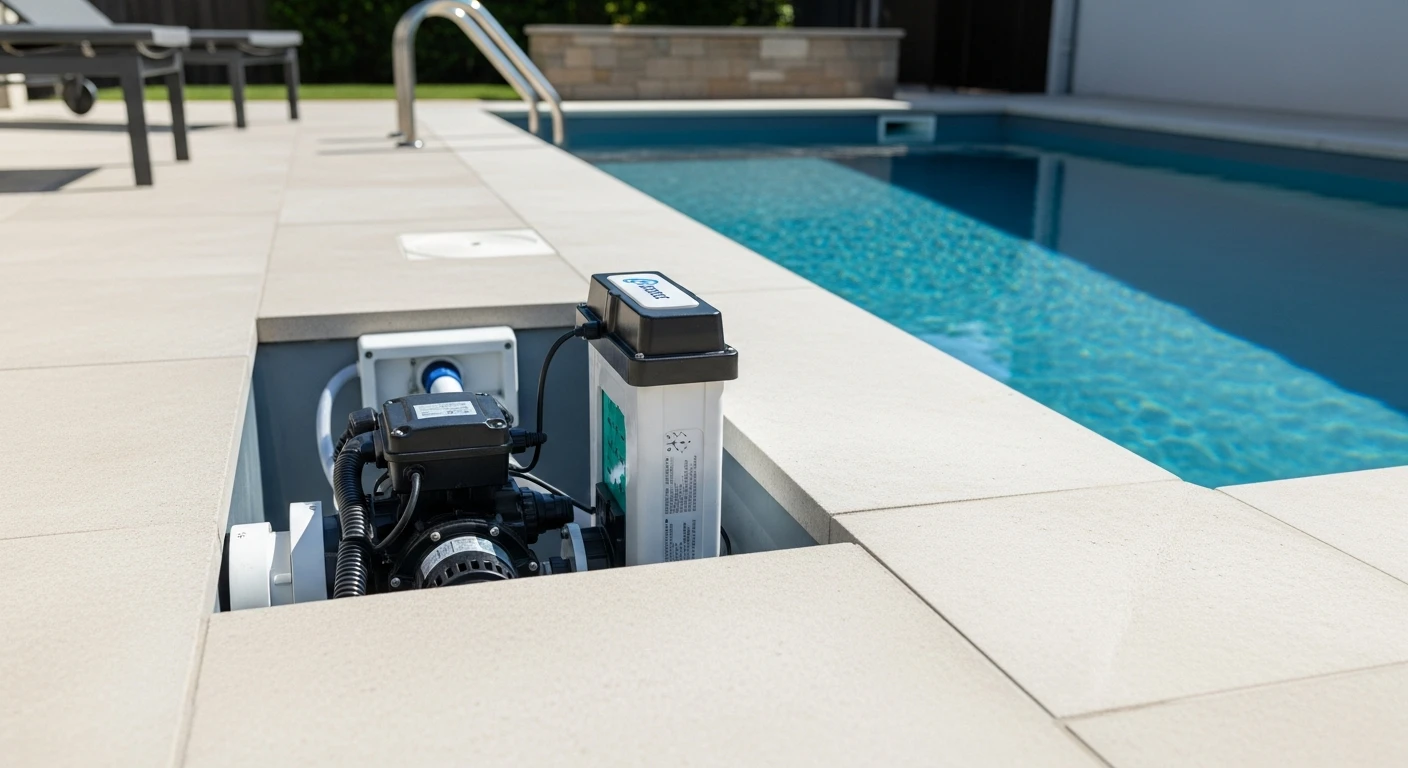
I developed this checklist after a project on a high-end property in Belleair where two expensive salt cells failed in under three years. Implementing this protocol immediately stabilized the pool and the third cell is now entering its fifth year of service.- Quarterly Cell Inspection: Physically remove the salt cell from the plumbing. Look for white, flaky deposits, which is calcium scaling. Do not wait for the "inspect cell" light.
- Strategic Acid Wash: If scaling is present, perform a mild acid wash. My standard is a 1:5 ratio of muriatic acid to water. Submerge the cell for no more than 10-15 minutes. Over-soaking damages the cell plates.
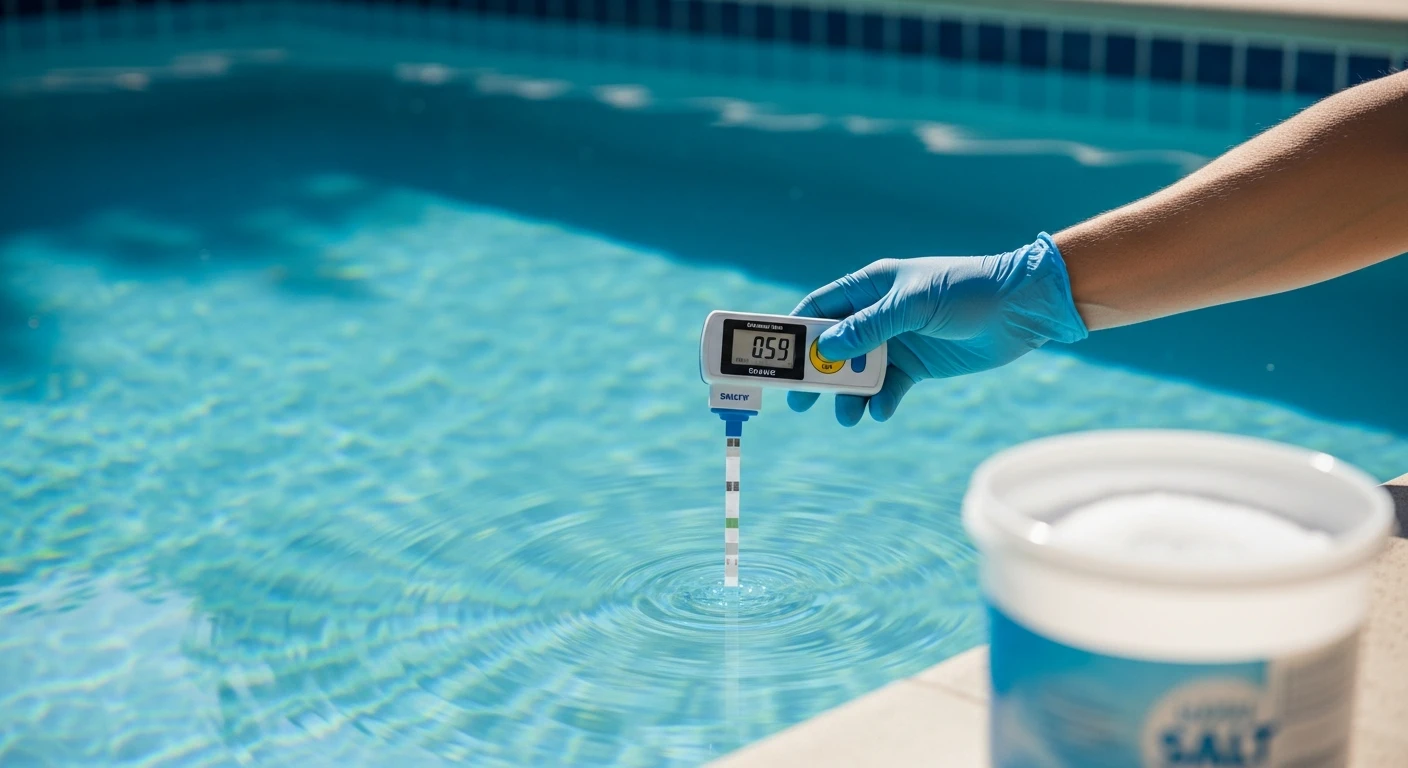
- Verify Salinity Independently: Never trust the SWG's reading alone. Use a reliable digital salt tester or test strips weekly during the summer. This is your ground truth.
- Seasonal SWG Output Adjustment: Set your SWG output lower in the winter/spring (e.g., 20-40%) and higher during the summer heat and rain (e.g., 60-80%). This dynamic adjustment is the core of the strategy.
- Manage Phosphates: Phosphates are algae's primary food source and are introduced from lawn fertilizers and decaying organic matter, a common issue in neighborhoods like Seminole. Keep phosphate levels below 125 ppb using a phosphate remover. This reduces the overall chlorine demand on your system.
Precision Tuning for Zero Algae and Maximum Cell Lifespan
The final layer of this system is managing your Cyanuric Acid (CYA), or stabilizer. In the relentless Pinellas sun, unstabilized chlorine can be destroyed in a matter of hours. For a saltwater pool here, I maintain a CYA level between 60-80 ppm. Below that, you're just wasting your salt cell's effort. Above 100 ppm, you risk "chlorine lock," where the chlorine is present but ineffective at sanitizing. I found that by holding CYA steady at 70 ppm, I could often reduce the SWG's required daily runtime by 2-3 hours, directly translating to less wear and tear on the cell. This precision tuning is what separates a pool that merely looks clear from one that is genuinely stable and cost-efficient to operate year-round. It's the difference between constantly fighting your pool and having a system that works in harmony with our challenging local environment. Instead of just asking if your salt level is correct, are you actively correlating your SWG's daily runtime with Pinellas County's dew point and your pool's specific CYA reading?Written by

Tags
maintaining a saltwater pool
maintaining a salt pool
salt cell pool cleaning
saltwater pools maintenance
Saltwater Pool Maintenance in Pinellas FL FAQ
What is the difference between a saltwater pool and a traditional pool?
A saltwater pool uses a saltwater chlorine generator to sanitize the water, whereas a traditional pool uses chlorine tablets or liquid chlorine. Saltwater pools are considered more gentle on the skin and hair, and produce a softer, more natural swimming experience.
How do I maintain my saltwater pool?
Regular maintenance of your saltwater pool includes testing and adjusting the pH and chlorine levels, cleaning the filter and skimmer, and performing routine saltwater cell cleaning and replacement. Our team can provide customized maintenance plans to keep your pool in top condition.
Why do I need to replace my saltwater cell?
Your saltwater cell should be replaced every 6-12 months, depending on usage and pool conditions. Replacing the cell ensures optimal sanitizing performance and prevents damage to your pool equipment.
Can I use a saltwater pool without a saltwater chlorine generator?
No, a saltwater chlorine generator is necessary to convert salt into chlorine to sanitize your pool. Without one, you'll need to use traditional chlorine tablets or liquid chlorine, which can be harsh on the skin and hair.
Why is it important to monitor my pool's pH level?
Proper pH levels are crucial for maintaining a healthy pool. If the pH level is too high or too low, it can cause scaling, corrosion, or eye and skin irritation. Our team can help you maintain optimal pH levels for a safe and enjoyable swimming experience.
How often should I clean my pool filter?
We recommend cleaning your pool filter every 1-2 weeks, or as needed. Cleaning the filter ensures optimal water circulation and prevents clogging, which can lead to reduced sanitizing performance and increased maintenance costs.
What if I notice algae growth in my pool?
Algae growth can occur if your pool's sanitizer levels are too low or if the pool is not properly maintained. Our team can help you identify the cause and provide a customized solution to eliminate algae growth and prevent future occurrences.
Can I swim in my pool immediately after cleaning or maintenance?
It's recommended to wait at least 30 minutes to an hour after cleaning or maintenance before swimming. This allows the sanitizer to re-establish and ensures a safe and healthy swimming environment.
Do I need to test my pool water regularly?
Yes, regular water testing is crucial for maintaining a healthy pool. We recommend testing your pool water at least once a week, or as needed, to ensure optimal sanitizer levels, pH, and alkalinity.