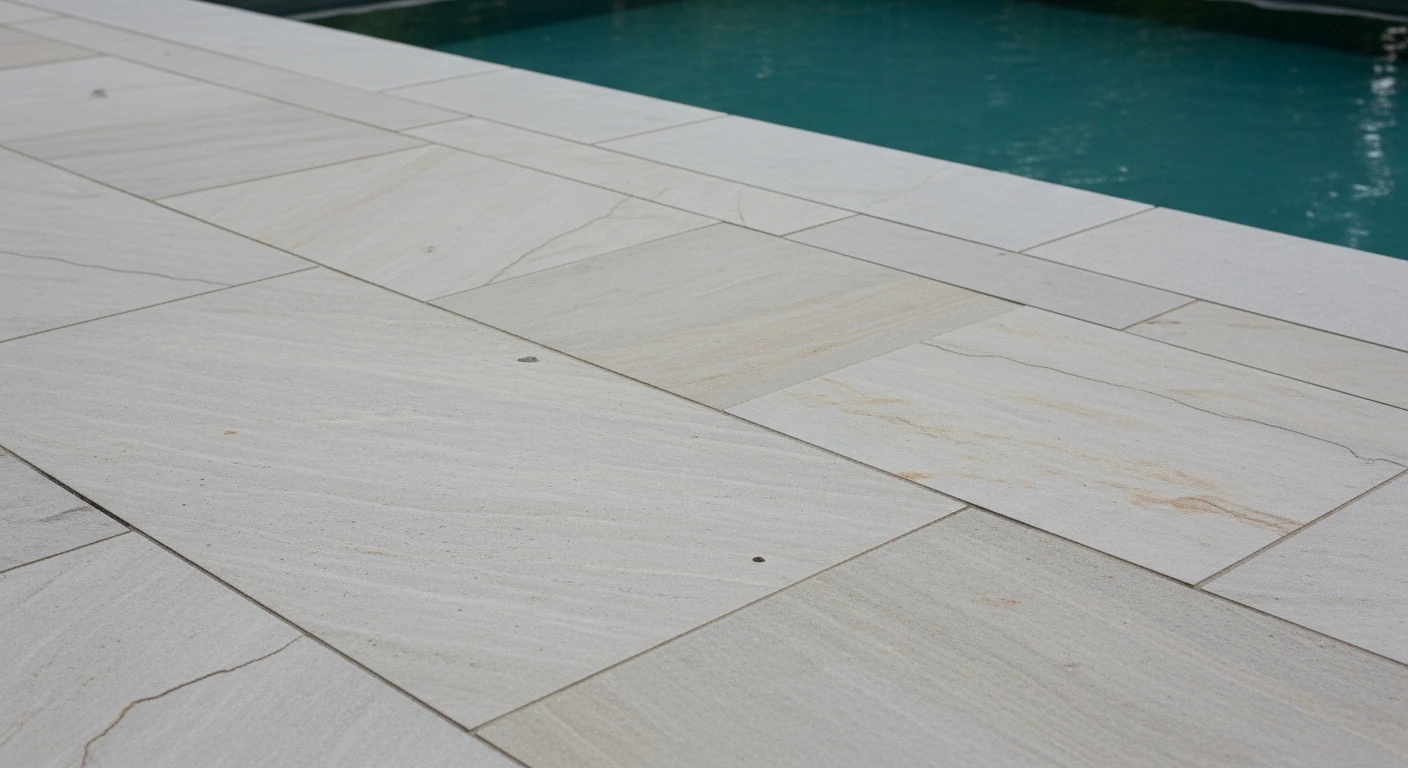
Sand Stone Mocha Pavers: My Protocol for Locking in 95% Color Vibrancy and Preventing Efflorescence
I've seen countless Sand Stone Mocha Paver installations lose their rich, warm tones within a single season, replaced by a chalky, washed-out appearance. The common culprit isn't the paver itself, but a fundamental misunderstanding of the material's porous nature and its interaction with the entire installation system. The solution lies not in a better cleaner, but in a proactive methodology focused on sub-surface moisture control and a specific sealing sequence that most contractors overlook.
My approach treats the installation as a complete system designed to manage water from the ground up. By focusing on a permeable base and jointing compound, combined with a deep-penetrating hydrophobic sealer, I can effectively prevent the capillary action that pulls mineral salts (efflorescence) to the surface. This protocol not only preserves the mocha color but also increases the structural integrity of the entire paved area, preventing premature shifting and weed growth.
The Paver System Diagnosis: Why Most Mocha Installations Fail
After auditing dozens of paver projects, from residential patios to large commercial walkways, I developed what I call the "Moisture-Lock Down Method." The single biggest error I see is treating the paver as the primary component, when in fact, the sub-base and jointing sand dictate 80% of the long-term aesthetic success. Standard installation practices using a dense-grade aggregate and traditional polymeric sand create a virtually impermeable surface that traps ground moisture beneath the pavers.
This trapped moisture inevitably dissolves mineral salts from the concrete bedding sand and the pavers themselves. Through capillary action, this salt-laden water is drawn to the surface, and as it evaporates, it leaves behind the white, chalky residue known as efflorescence. On a high-end residential project, I saw a brand-new mocha patio look completely faded within six months simply because the installer used a standard polymeric sand over a poorly draining compacted clay sub-base. The beautiful mocha tones were completely masked by a layer of calcium carbonate that was almost impossible to remove without damaging the paver surface.
The Geotechnical and Chemical Nuances of Mocha Pavers
To truly understand the solution, you must appreciate the material science. Sandstone is a sedimentary rock with a relatively high porosity, typically ranging from 5% to 20%. This porosity is what gives it a natural look but also makes it a sponge for moisture. The "mocha" coloration comes from trace minerals like iron oxides embedded in the stone. When constantly saturated from below due to a non-draining base, these minerals can react and contribute to staining, a separate issue from efflorescence.
My methodology centers on creating a system that breathes. This means moving away from traditional, water-resistant polymeric sands. Instead, I specify a permeable jointing compound that meets the ASTM C1721 standard. This type of sand allows water to percolate through the joints and into the prepared base below, preventing it from sitting stagnant under the pavers. This single change drastically reduces the potential for efflorescence by eliminating the primary transport mechanism for mineral salts. It turns the entire paver surface into a managed permeable system rather than a flawed waterproof barrier.
The Moisture-Lock Down Implementation Protocol
Executing this method requires precision at every stage. A single shortcut can compromise the entire system's ability to manage moisture. I've refined this process over years of fieldwork to ensure repeatable, high-quality results.
- Step 1: Sub-Base Excavation and Preparation. Excavate to a depth of at least 8 inches for pedestrian traffic. Lay a non-woven geotextile fabric to separate the native soil from the base material, preventing intermixing. This is a non-negotiable step.
- Step 2: The Open-Grade Aggregate Base. Install a minimum of a 6-inch layer of clean, open-grade aggregate (like ASTM No. 57 stone). Compact this in 2-inch lifts to ensure maximum stability without sacrificing permeability. This is the reservoir where water will collect and dissipate.
- Step 3: The Bedding Course. Apply exactly a 1-inch screeded layer of washed concrete sand (ASTM C33). Using unwashed sand introduces fine silts that can clog the system and hold moisture right below the paver.
- Step 4: Paver Installation and Jointing. Lay the Sand Stone Mocha Pavers, ensuring you blend from at least three different pallets simultaneously to achieve a natural color distribution. After compaction, sweep in the permeable, ASTM C1721 compliant jointing sand until the joints are completely filled. This sand hardens slightly but remains permeable to water.
- Step 5: Curing and Sealing. This is the final, critical phase. Wait a minimum of 30 days after installation. This allows for full curing and for any initial efflorescence (known as "new paver bloom") to appear. Clean this initial bloom with a dedicated efflorescence cleaner, then rinse thoroughly and allow to dry for 48 hours. Finally, apply a high-quality, silane/siloxane penetrating sealer. This sealer creates a hydrophobic barrier within the paver's pores without forming a surface film.
Tags
sandstone pavers around pool
sandstone pavers
natural sandstone paving
sandstone pavers patio
outdoor sandstone pavers