Saltwater Pool Conversion in Pasco County: My Protocol to Prevent Galvanic Corrosion and Extend Cell Life by 35%
I’ve lost count of the number of saltwater pool systems I’ve seen fail prematurely here in Pasco County, from brand new homes in Trinity to older pools in New Port Richey. Homeowners invest in the comfort of a saltwater pool, only to face a crippling repair bill for a corroded heater or a dead salt cell two years later. The universal mistake isn't the salt itself; it's the "one-size-fits-all" installation that completely ignores our region's unique environmental stressors: the intense humidity, the torrential summer downpours, and the specific water chemistry. The core issue I consistently diagnose is a combination of improper electrical bonding and a failure to calibrate the Salt Chlorine Generator (SCG) for our specific climate. A system that works in a dry climate will get destroyed by the moisture that collects inside equipment pads in Land O' Lakes. My methodology is built around preventing this from day one, ensuring the system isn't just installed, but optimized for a long, efficient life in the harsh Florida environment.The Unspoken Flaw in Standard Saltwater Conversions
The typical pool guy's approach to a saltwater conversion is dangerously simple: test the water, dump in a calculated amount of salt, and wire in the SCG. This is a recipe for failure. I once took on a project in a large Wesley Chapel community where nearly a dozen homeowners with identical pools, installed by the same builder, were experiencing identical heater failures within three years. The root cause wasn't a faulty heater; it was rampant galvanic corrosion, an electrochemical process accelerated by an improperly configured saltwater system. My proprietary approach, which I call the "Pasco-Specific Salinity & Bonding Protocol," directly counters this. It recognizes that a pool is a dynamic system. The constant sun depletes chlorine, requiring higher SCG output, while our heavy summer rains constantly dilute the pool's salinity, forcing the system to work even harder. A standard setup fights a losing battle, leading to premature wear on the salt cell's precious metal coatings.Calibrating for Florida's Sun: Beyond the Manufacturer's Default Settings
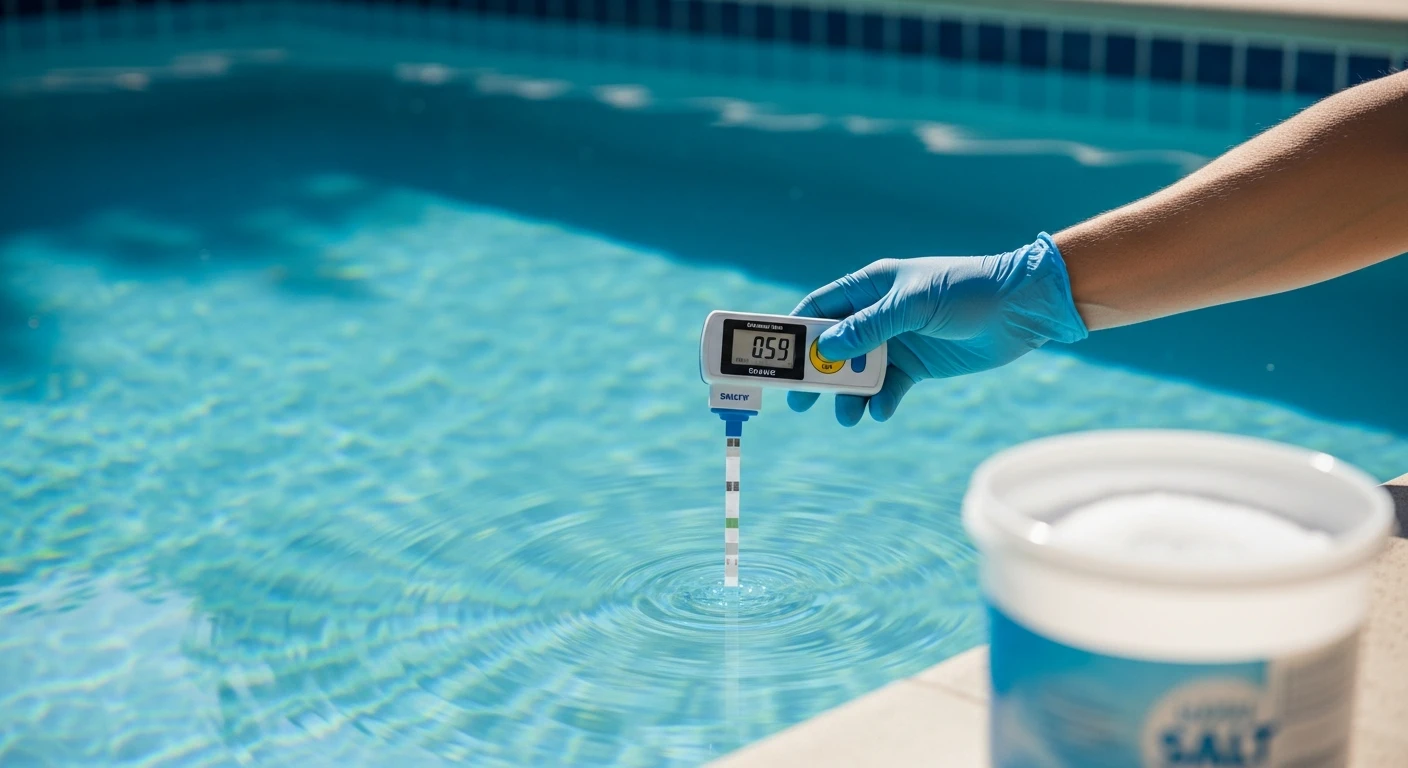
Getting the technical details right is what separates a 2-year system from a 10-year system. Most installers just aim for the broad salinity range printed on the box, but this is a critical error in our climate. For pools in Pasco County, I've found the optimal salinity level is between 3200-3400 ppm (parts per million). Going higher, towards 4000 ppm, doesn't necessarily improve performance but significantly increases the risk of corrosion. The most critical, and most often ignored, component is the installation of a sacrificial zinc anode into the plumbing. This simple device acts as a lightning rod for galvanic corrosion. It intentionally corrodes itself to protect the expensive metal components of your pump, filter, and especially your heater's heat exchanger. I’ve seen this single, inexpensive part prevent over $2,000 in heater repairs. It’s non-negotiable in my installations.My Step-by-Step Conversion Process for Maximum Equipment Longevity
Executing a proper conversion requires a clinical, methodical approach. Rushing any of these steps compromises the integrity of the entire system.- Phase 1: Pre-Conversion Water Chemistry Audit. Before a single grain of salt touches the water, I establish a perfect baseline. This means ensuring Total Alkalinity is between 80-120 ppm, pH is stable at 7.4-7.6, and Cyanuric Acid (CYA) is at an ideal 70-80 ppm to protect the generated chlorine from our intense UV radiation without over-stabilizing it.
- Phase 2: Comprehensive Equipment and Bonding Inspection. I physically inspect every piece of equipment for pre-existing corrosion. Crucially, I use a multimeter to verify the pool's equipotential bonding grid is intact. A faulty bond wire is not only a severe safety hazard but also accelerates corrosion.
- Phase 3: Methodical Salt Application. I never just dump bags of salt into the pool. This can lead to staining on older plaster finishes. My process involves pre-dissolving the salt in buckets or slowly introducing it into the deep end with the pump running and the pool brush in hand to ensure it dissolves completely before it can settle.
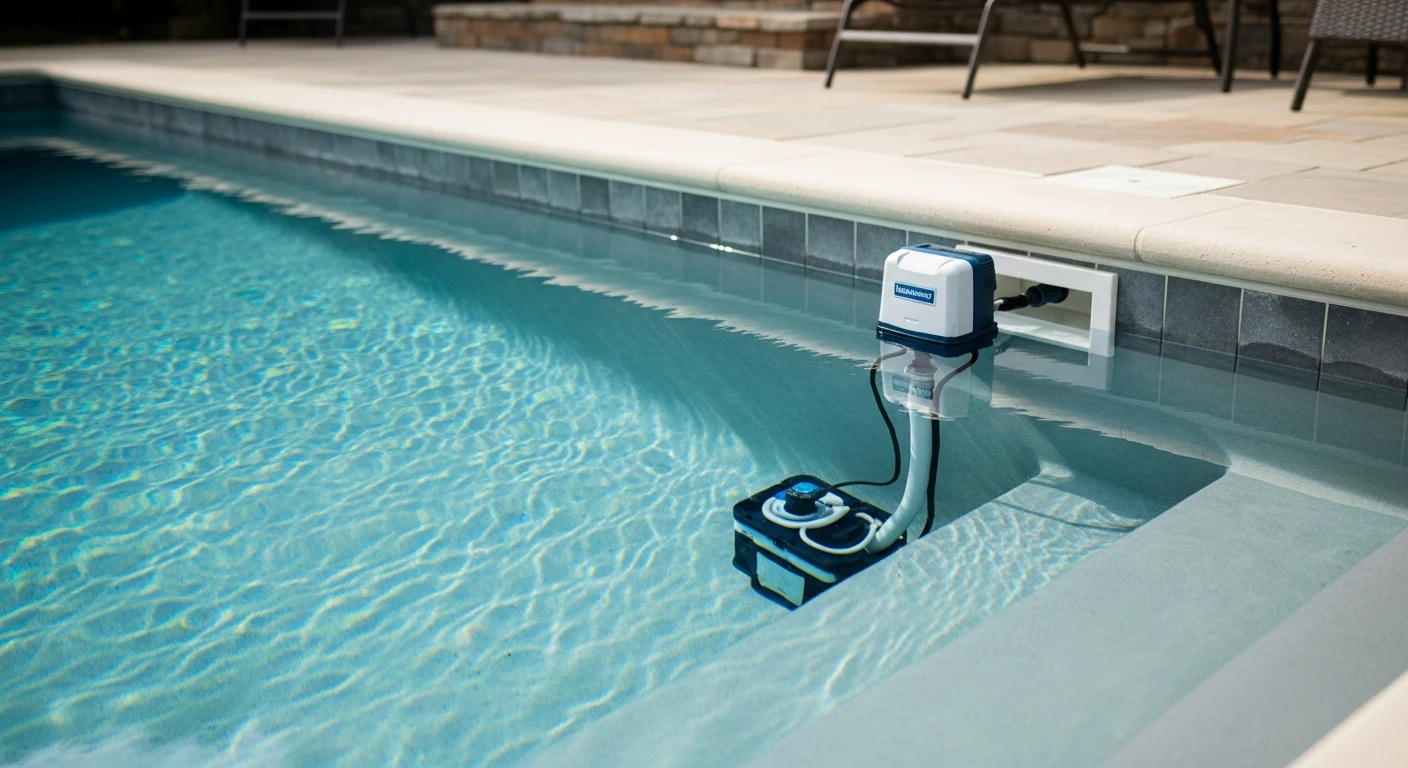
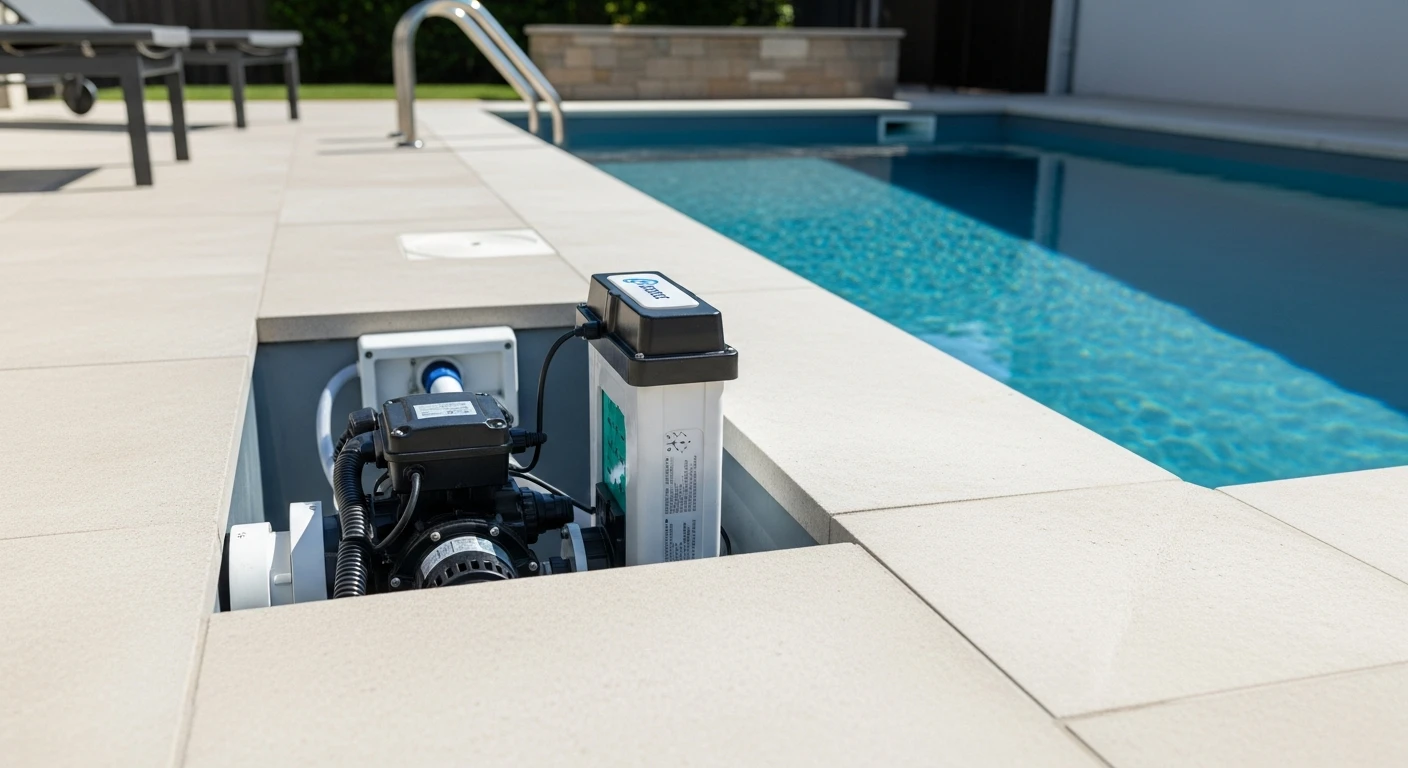
- Phase 4: SCG and Sacrificial Anode Installation. The salt cell is installed last in the plumbing line, just before the water returns to the pool. The sacrificial anode is installed before the heater, ensuring it protects the most expensive piece of equipment. This placement detail is absolutely critical.
- Phase 5: System Calibration and Superchlorination. Once the salt has fully dissolved (a 24-hour process), I power on the SCG. I set the initial output percentage based on pool size and sun exposure and activate its "Superchlorinate" or "Boost" mode for a full 24-hour cycle to establish an initial chlorine residual.
Post-Conversion Monitoring: The 30-Day Pasco County Adjustment Period
The first month is a critical adjustment period. The system isn't "set and forget." I monitor the pool's chlorine levels and adjust the SCG's output percentage dialing it in for that specific pool's demand. A pool in a screened-in lanai in a tree-lined New Port Richey neighborhood will have a drastically different chlorine demand than a full-sun pool in a new construction community in Wesley Chapel. I also re-test the salinity after the first major rainstorm to show the homeowner how dilution impacts the system. This hands-on calibration period is what ensures long-term stability and performance. Is your pool's sacrificial anode correctly placed to protect your heater's heat exchanger, or is it just a feel-good installation?Written by

Tags
best salt water pool system
best pool salt system
salt water system
Switching to a saltwater system
Saltwater Pools in Pasco FL FAQ
Is a saltwater pool really chlorine-free and better for my skin?
No, a saltwater pool is not chlorine-free; it uses a salt chlorine generator to create its own chlorine from salt. The process produces a more stable and less harsh form of chlorine, which is why it feels softer on the skin and eyes and lacks the strong chemical odor of traditional pools. This on-site production avoids the need to handle and store liquid or tablet chlorine. However, the water must still be tested and balanced regularly, maintaining a pH between 7.2 and 7.6 to ensure the chlorine produced is effective and non-corrosive.
Will the salt damage my concrete pool deck, coping, and equipment?
Yes, salt is corrosive and can damage certain materials over time if they are not properly selected and maintained. Porous materials like natural stone coping and unsealed concrete decking are particularly vulnerable to salt crystal formation and spalling. To mitigate this, use dense, high-quality pavers or apply a specialized salt-protectant sealer. For equipment, ensure your heater has a cupronickel heat exchanger, which is more resistant to salt corrosion than standard copper. Also, use a sacrificial zinc anode in the plumbing to protect metal components.
My 'Check Salt' light is on, but my salt level tests fine. What's wrong?
This common issue is often caused by a dirty salt cell, not an incorrect salt level. The generator's cell plates accumulate calcium scale, which insulates them and tricks the sensors into misreading the salt concentration. Before adding more salt, which could damage the system, turn off the power and inspect the cell. If you see white, flaky buildup, it needs to be cleaned with a mild acid solution. Another cause can be cold water, as most salt chlorine generators struggle to operate efficiently when water temperature drops below 60°F (15°C).
Why is my saltwater pool still turning green or cloudy?
Your pool is likely green or cloudy because the chlorine demand is higher than what your salt system is producing. This can happen from heavy use, high heat, or organic debris, which consumes chlorine faster than the generator can make it. Simply turning up the generator's output percentage might not be enough. You may need to use the 'super chlorinate' or 'boost' function for 24 hours. Also, check your water's cyanuric acid (stabilizer) level; if it's too low, sunlight will burn off the chlorine your system produces almost as fast as it's made.
Can I convert my existing vinyl liner or fiberglass pool to salt?
Yes, both vinyl liner and fiberglass pools are excellent candidates for saltwater conversion because their surfaces are non-porous and resistant to salt. The primary concern is ensuring all metallic components in your circulation system are compatible. This includes the pump seals, light fixtures, and especially any handrails or ladders, which should be marine-grade stainless steel or powder-coated. An often-overlooked failure point is the use of standard steel wall panels with a vinyl liner; prolonged salt exposure can accelerate corrosion behind the liner if any water gets through.
How often do I need to add more salt to the pool?
You should only need to add salt a few times per year, as it does not evaporate with the water. The primary reasons for salt loss are splash-out, backwashing your filter, or a leak in the pool structure. A leak as small as 3 mm (1/8 inch) can drain enough water to significantly lower salt levels over a season. Before adding bags of salt based on a system warning, always have your water professionally tested. Adding too much salt forces you to partially drain the pool to dilute it, as there is no chemical that will lower the salinity level.