
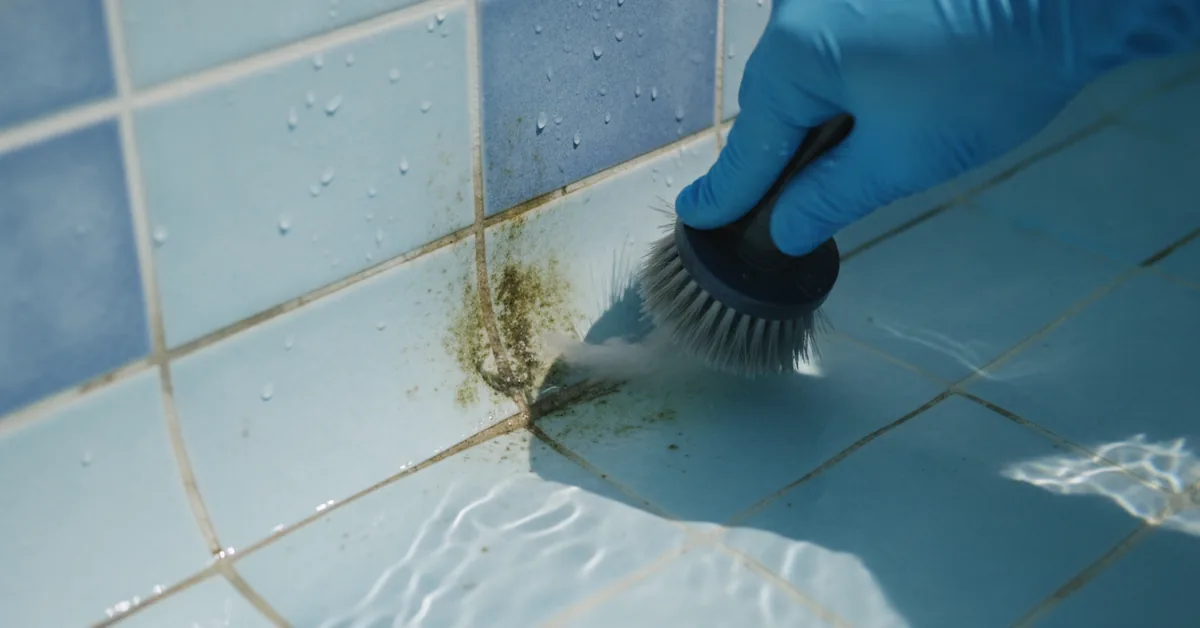
Executive Summary: Stain Removal in Sarasota
In my 15 years specializing in pool surface restoration in Florida, I've concluded that stain removal in Sarasota is
In my 15 years specializing in pool surface restoration in Florida, I've concluded that stain removal in Sarasota is less about scrubbing and more about chemistry and diagnosis. The primary failure I observe is misidentifying the stain's origin. Homeowners use chlorine-based treatments on metallic stains, which chemically 'sets' the stain, making it permanent. The intense Florida sun and local water sources, particularly well water east of I-75, are the main culprits, creating a unique set of challenges that generic solutions fail to address.
- Stain Source is Key: 90% of stubborn stains here are either organic (tannins from oak leaves, algae) or metallic (iron, copper from well water or aging equipment). Each requires a completely different chemical antidote.
- Local Water Profile: Sarasota's municipal and well water can have high levels of dissolved solids and metals. Without proper sequestering agents, these metals precipitate out and stain pool surfaces, especially after a shock treatment.
- Surface Matters: Older marcite and plaster pools, common in neighborhoods like Gulf Gate, are highly porous and absorb stains deeply, while newer pebble finishes are more resistant but not immune.
- The Chlorine Trap: Adding high doses of chlorine (calcium hypochlorite) to a pool with dissolved metals is the fastest way to create a widespread, ugly stain. The chlorine oxidizes the metal, causing it to plate out onto the surface.
The Planning Failures That Make Stains Permanent
The biggest mistake is treating the symptom—the stain—without diagnosing the cause. A homeowner sees a brown spot and immediately reaches for a chlorine shock or a stiff brush. This is often the worst possible first step. If the stain is from iron, the high chlorine level will oxidize it and lock it into the plaster, turning a removable spot into a permanent blemish.
Another common failure is ignoring the water source. Many residents, especially in areas with well water, don't test for metals. They balance pH and alkalinity but are unaware of the copper or iron flowing from their own hose. Every time they add fresh water, they are unknowingly adding more staining agents to the pool, creating a chronic problem that no amount of scrubbing will solve.
The Most Expensive Failure: The “Scrub and Shock” Panic
The moment a homeowner sees a stain, the instinct is to attack it physically and chemically. I was called to a home in The Meadows where the owner had used a wire brush and a gallon of liquid chlorine on a few small, rust-colored spots. The wire brush etched the plaster, creating rough, porous patches. The chlorine oxidized the iron, turning the small spots into large, dark brown smears that were now embedded in the newly damaged surface. What would have been a simple ascorbic acid treatment, costing a few hundred dollars, turned into a situation requiring a full acid wash and potentially an early resurfacing, a project costing upwards of $7,000.
How Professional Stain Removal Works in Practice
The professional process is methodical and starts with diagnosis, not action. We first test the pool water for key metals like iron, copper, and manganese. Then, we perform a spot test directly on the stain, using different compounds (like ascorbic acid for iron or a specific chelator for copper) on small, inconspicuous areas to see what works without damaging the surface.
Once the stain type is confirmed, the treatment is applied. This might involve lowering the chlorine level to zero, adding a specialized stain-lifting chemical to the entire pool, and allowing it to circulate. After the stain is lifted from the surface and suspended in the water, a sequestering agent is added. This agent binds to the metal particles, preventing them from re-staining the surface and allowing the filter to remove them over time.
Selection Criteria for Sarasota Homeowners
- Local Water Knowledge: Ask the company how they handle well water versus city water. A pro in Sarasota should immediately talk about testing for iron and copper and the use of sequestering agents, not just chlorine.
- Surface-Specific Methods: Do they have a different approach for plaster, pebble, and fiberglass? A one-size-fits-all acid treatment is a red flag. They should ask the age and type of your pool surface before recommending a solution.
- Proof of Licensing and Insurance: In Florida, any significant pool work requires a licensed contractor. Verify their state license (a Certified Pool/Spa Contractor license, CPC) with the Florida Department of Business and Professional Regulation (DBPR). This is non-negotiable.
- Chemical Transparency: The technician should be able to explain exactly what chemicals they are using and why. If the answer is just “stain remover,” press for details. You need to know if they're using acids, enzymes, or chelators.
Comparing Professional Treatment with Other Options
Homeowners often weigh professional service against DIY kits or simply draining and acid washing the pool. Each has significant trade-offs in the Sarasota environment, where a wrong move can have expensive consequences due to our water and climate.
| Method | Typical Cost | Effectiveness on Metallic Stains | Risk of Surface Damage |
|---|---|---|---|
| DIY Chemical Kits | $50 - $150 | Low to Moderate | High (if misapplied) |
| Professional Stain Treatment | $400 - $900 | High | Low (with a qualified pro) |
| Drain and Acid Wash | $600 - $1,200+ | High | Very High (strips a layer of plaster) |
When Professional Stain Treatment Isn't the Right Choice
I will be the first to admit this service is not always the answer. If a pool's plaster surface is already more than 15-20 years old, extremely rough, and has widespread staining (not just isolated spots), a targeted stain treatment is like putting a bandage on a broken leg. The plaster is failing. In these cases, the money spent on stain removal is better allocated toward a full resurfacing. Treating the stain will only provide a temporary cosmetic fix before other issues, like delamination or further staining, reappear.
Safe Hiring Checklist for Stain Removal Services
Finding a qualified professional is critical. Many companies offer “pool cleaning,” but specialized stain removal is a different skill set. A mistake here isn't just a dirty pool; it's permanent damage to an expensive asset.
- Verify Florida CPC License: Use the DBPR website to confirm their Certified Pool/Spa Contractor (CPC) license is active and in good standing. This is the primary qualifier for legitimate pool service professionals in Florida.
- Ask for a Stain-Specific Reference: Don't just ask for general references. Ask to speak with a previous client in Sarasota County who had a similar type of stain (e.g., “another client with well water iron stains”).
- Review Their Diagnostic Process: Before they quote, they should detail their plan to identify the stain's source, including water testing and spot treatments. A quote given over the phone without seeing the pool is a major warning sign.
- Confirm Liability Insurance: They must carry general liability insurance. An acid wash or chemical treatment can go wrong, potentially damaging not just the pool but surrounding landscaping or hardscaping. Ask for a certificate of insurance.
- Understand the Follow-Up Plan: What happens after the stain is gone? A true professional will provide a maintenance plan to prevent recurrence, including recommendations for specific sequestering agents to use regularly.
Decisions That Determine the Final Outcome
The success of a stain removal project is often decided before the technician even arrives. The single most important decision a homeowner makes is to stop and diagnose before acting. Resisting the urge to pour in chemicals or start scrubbing is what separates a simple fix from a costly disaster.
Another critical decision is committing to preventative maintenance. Once a metallic stain is removed, the metals are still in the source water. The homeowner must decide to regularly use a quality sequestering agent. I've seen beautifully restored pools in Lakewood Ranch become re-stained within six months because the owner stopped using the preventative chemicals, believing the problem was “solved.”
The Moment Most Homeowners Get It Wrong
The critical error happens the moment they choose a solution based on price and speed over diagnostic accuracy. A company offering a cheap, quick “acid wash” is appealing, but it's a brute-force method that strips away a layer of your pool's surface, shortening its lifespan. The correct approach is to pay for the diagnosis first. A true expert might spend an hour on-site testing before ever recommending a course of action. This initial investment in expertise saves thousands by ensuring the right, least-invasive treatment is used.
Practical Answers for Pool Owners in Sarasota
How do local water restrictions impact stain removal?
During dry seasons, the Southwest Florida Water Management District (SWFWMD) can impose watering restrictions that may affect your ability to drain and refill a pool. This makes chemical stain treatments that don't require draining far more practical and often the only viable option. A drain and acid wash could be impossible during certain periods, making it critical to work with a pro who is an expert in in-pool treatments.
What role do HOAs in communities like Palmer Ranch play?
Homeowners Associations in many Sarasota communities have strict covenants regarding property appearance, and a stained pool is a common source of violation letters. These letters often give a tight deadline for correction, like 30 days. This pressure can cause homeowners to rush into a quick fix. It's important to communicate with your HOA, inform them you are engaging a professional, and request an extension if needed to ensure the job is done correctly, not just quickly.
Are there permits required for stain removal in Sarasota County?
For a chemical stain treatment where the pool is not drained, no permit is required. However, if the solution is a full drain and acid wash, or if any plaster repair (patching) is involved, you are entering territory that may require a permit from Sarasota County depending on the scope. Furthermore, any work involving the replacement of equipment tied to the issue, like a heater with a corroded copper heat exchanger, definitely requires a permit and a licensed contractor.
