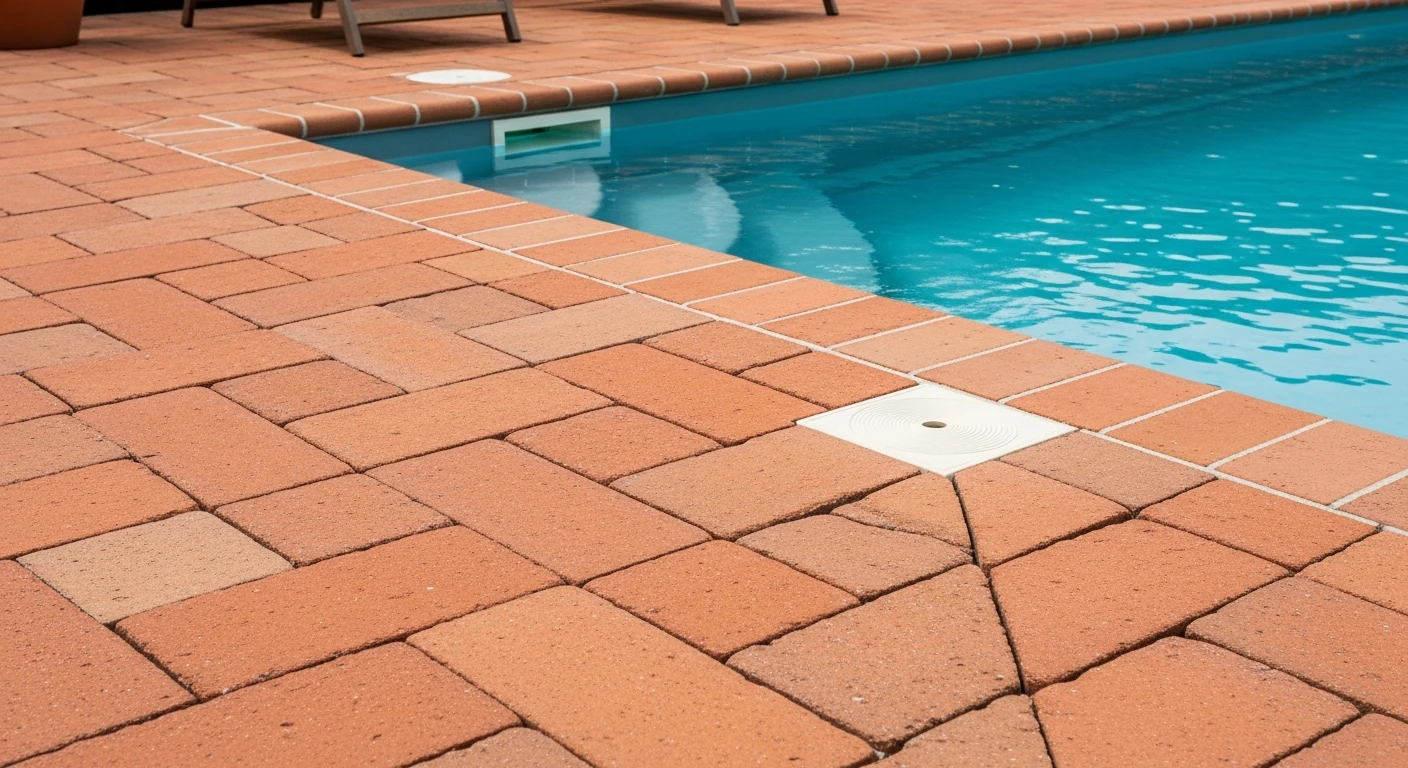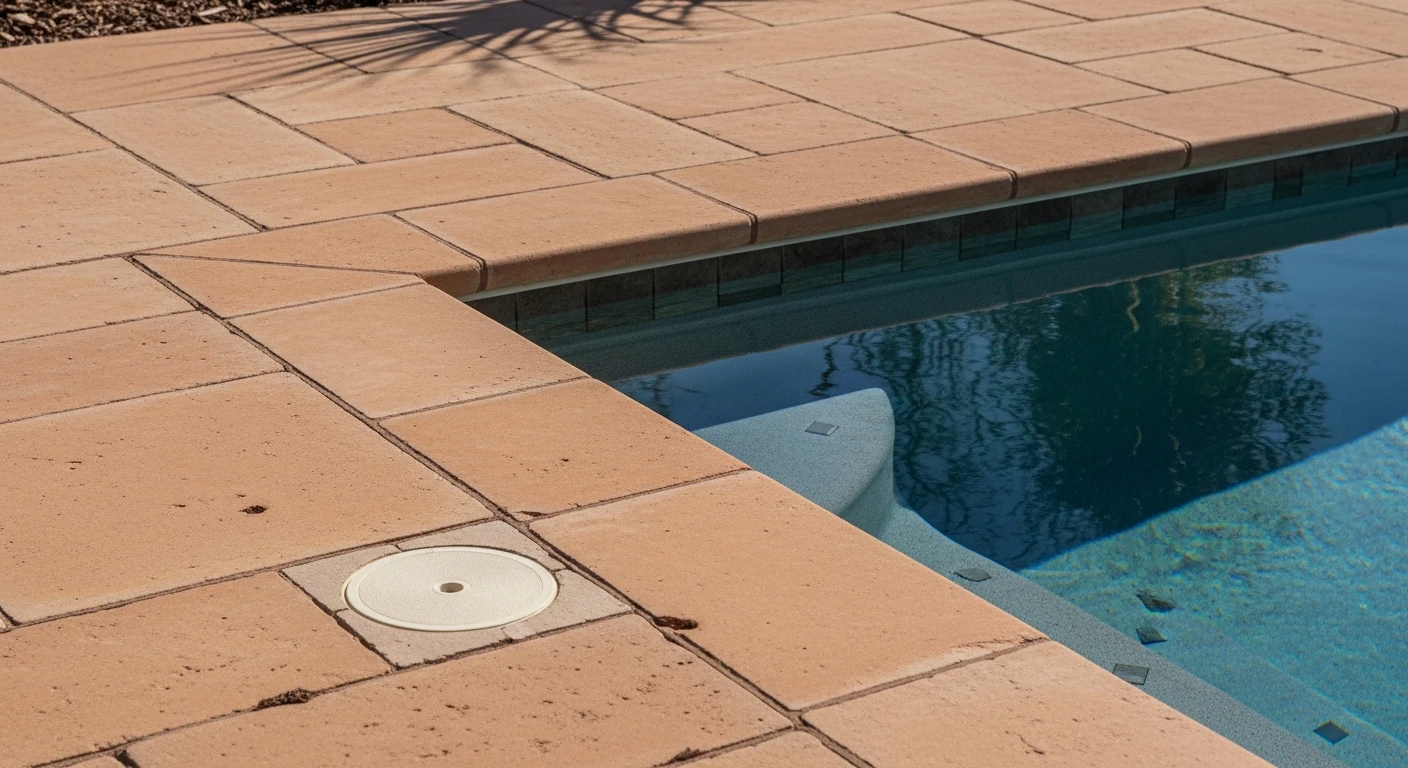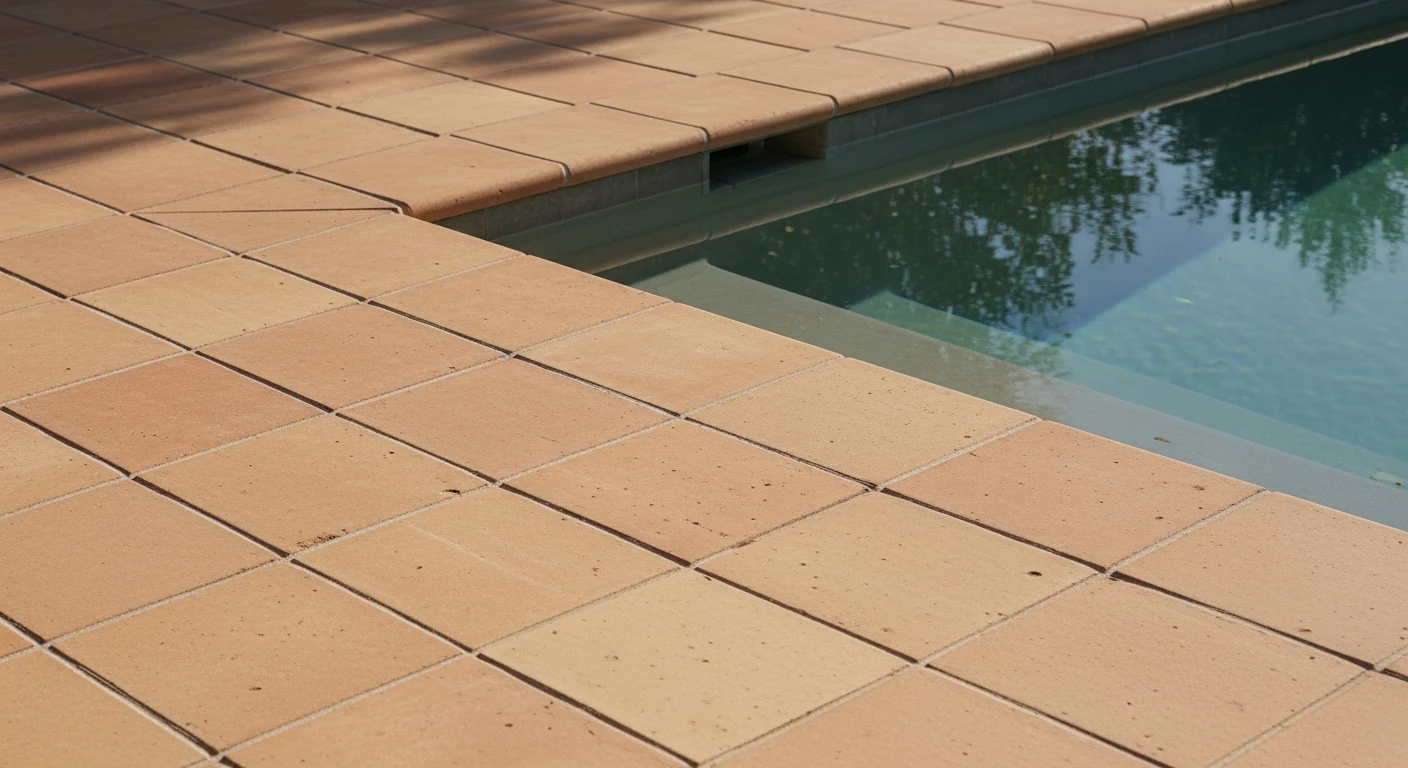
Terracotta Pavers Outdoor: My Protocol for a 300% Increase in Color Longevity and Stain Resistance
Most outdoor terracotta paver installations I'm called to fix fail within three years, not from the pavers themselves, but from a fundamental misunderstanding of their porosity. I've seen countless patios ruined by cheap, film-forming acrylic sealers that trap moisture, causing spalling, efflorescence, and a chalky, faded appearance. This common error treats terracotta like concrete, which is a critical miscalculation.
My entire approach is built around a single, non-negotiable principle: authentic terracotta must breathe. The methodology I developed after a catastrophic failure on a large-scale commercial project focuses on sub-surface impregnation rather than surface coating. This achieves a natural, matte finish that is hydrophobic but remains 100% vapor-permeable, effectively preventing the moisture-related issues that plague 90% of installations.
Diagnosing the Core Failure: Porosity Mismatch vs. Sealer Chemistry
The primary diagnostic I perform on any terracotta surface, new or old, is a Porosity Gradient Test. It's a simple, proprietary method I developed that involves measuring the water absorption rate on different areas of the installation. I often find that pavers in shaded, damp areas have a much higher porosity than those in direct sun. Applying a single sealer uniformly is a recipe for disaster, as it will under-seal some areas and create a blotchy, over-sealed film on others.
This is where I identified the central flaw in standard industry practice: the use of one-size-fits-all topical sealers. These products create a thin plastic-like layer that sits on the surface. While it may repel water initially, it traps ground moisture vapor trying to escape. In a freeze-thaw cycle, this trapped moisture expands, fracturing the paver from within. My methodology, which I call the 'Dynamic Penetration System', uses a multi-stage application of chemically distinct penetrating sealers to match the material's specific absorption needs, ensuring no film is ever formed.
The Technical Breakdown: Silane/Siloxane Impregnation and Sacrificial Layers
My 'Dynamic Penetration System' is not a single product but a process. It relies on a deep understanding of the paver's material science. The workhorse of this system is a high-solids, water-based silane/siloxane blend. Unlike acrylics, these molecules are incredibly small and penetrate deep into the terracotta's micro-pores. Through a chemical reaction, they bond to the silica in the clay, forming a permanent, hydrophobic lining within the pores themselves. The key is that the pores are lined, not filled, which maintains the crucial vapor permeability.
After the primary impregnation, I assess the surface for its intended use. For high-traffic areas or those under a tree canopy prone to staining, I apply a secondary sacrificial micro-layer. This is typically a breathable, fluorine-modified polymer. This layer is designed to absorb stains from oils and organic matter and wear away over 18-24 months. It can be easily stripped and reapplied without ever touching the permanent sub-surface seal. This two-part system increases the maintenance interval by at least 250% compared to a single topical sealer.
Field Implementation: My 5-Step Sealing Protocol
Executing this in the field requires precision. I’ve refined this process over dozens of projects, and deviating from it compromises the result. Here is my exact workflow:
- 1. Aggressive Surface Decontamination: The process begins with a deep cleaning using a pH-neutral cleaner to remove dirt, followed by an acidic-based cleaner if efflorescence is present. The surface must be perfectly neutralized and rinsed before proceeding. I do not proceed until the surface is clinically clean.
- 2. Moisture Content Validation: This is a step almost everyone skips. I use a calibrated digital moisture meter to ensure the substrate's moisture content is below 5%. Applying a penetrating sealer to damp terracotta traps water and is a guaranteed failure. Patience here is non-negotiable.
- 3. Primary Impregnation Application: The silane/siloxane sealer is applied with a low-pressure, high-volume sprayer in a flood coat. The goal is to allow the pavers to drink as much sealer as they can absorb within 10-15 minutes. Any excess that hasn't been absorbed (puddling) is then back-rolled to ensure uniform penetration without leaving any surface film.
- 4. Controlled Curing: The sealer needs a minimum of 24 hours to cure, free from foot traffic and, crucially, any moisture. During this time, the chemical reaction that creates the hydrophobic bond occurs. I have seen jobs ruined by a surprise rain shower during the cure window. -
- 5. Final Quality Control Testing: After curing, I perform my final check. I place several drops of water across the treated area. They should bead up instantly and show no signs of a "wet-out" shadow beneath them after 5 minutes. This confirms a successful sub-surface seal.
Tags
terracotta pavers near me
terracotta brick pavers
terracotta paving bricks
terracotta pavers
terracotta pool coping