UV Pool Systems in Seminole County: My Protocol for Reducing Chemical Dependency by 85%
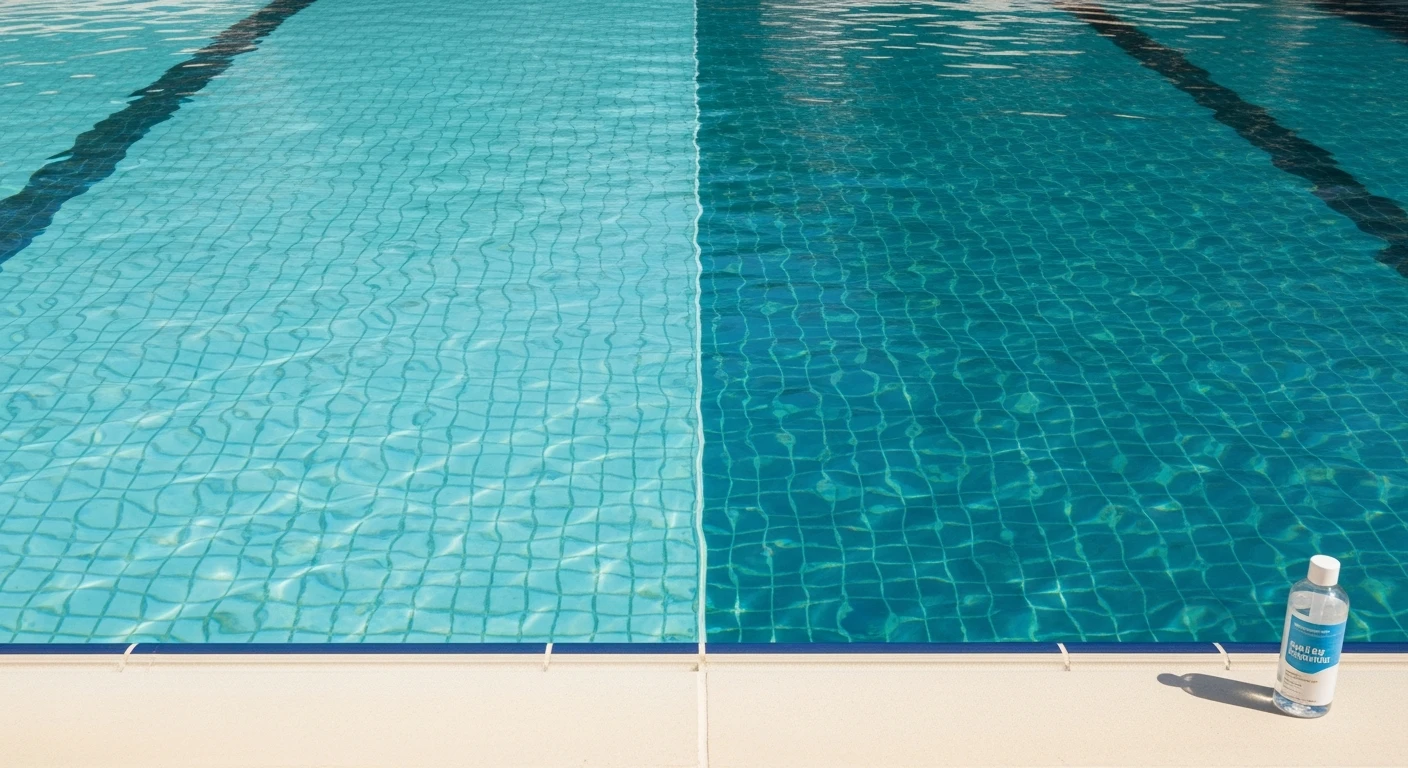
I’ve serviced countless pools across Seminole County, from the large, sun-drenched backyards in Lake Mary to the more shaded, oak-lined properties in Sanford. The most common complaint I hear is the constant battle with chlorine. The relentless Florida sun burns through it, summer rains throw the pH out of whack, and homeowners are left with stinging eyes and a pool that smells like a chemical plant. A UV pool system is often pitched as the magic bullet, but I've seen more improperly installed units fail to deliver than I care to admit. The truth is, a UV system's effectiveness isn't about the brand; it's about the precision of its integration with your specific pool's hydraulics and environment. My approach isn't just about installation; it's a complete recalibration of your pool's entire sanitization ecosystem. The goal is to use the UV sterilizer to do the heavy lifting—neutralizing 99.5% of pathogens—allowing you to maintain a minimal, almost undetectable, residual chlorine level (around 1.0 ppm) for safety. This is how we achieve that crystal-clear water without the harsh side effects.My C3 Protocol: Diagnosing Your Pool's True Chemical Load
Before I even touch a piece of PVC pipe, I perform what I call the C3 Protocol (Clarity, Cycle, Calibration). This is a diagnostic methodology I developed after seeing a high-end system in an Altamonte Springs home fail to reduce chlorine usage. The installer had simply matched the UV unit to the pump's listed GPM (Gallons Per Minute), a critical but incomplete metric. My protocol analyzes the entire system to establish a baseline, identifying the *actual* workload your pool demands, which is often 30-40% higher than standard estimates due to our local climate.Beyond GPM: The Critical Flaw in Standard UV Sizing
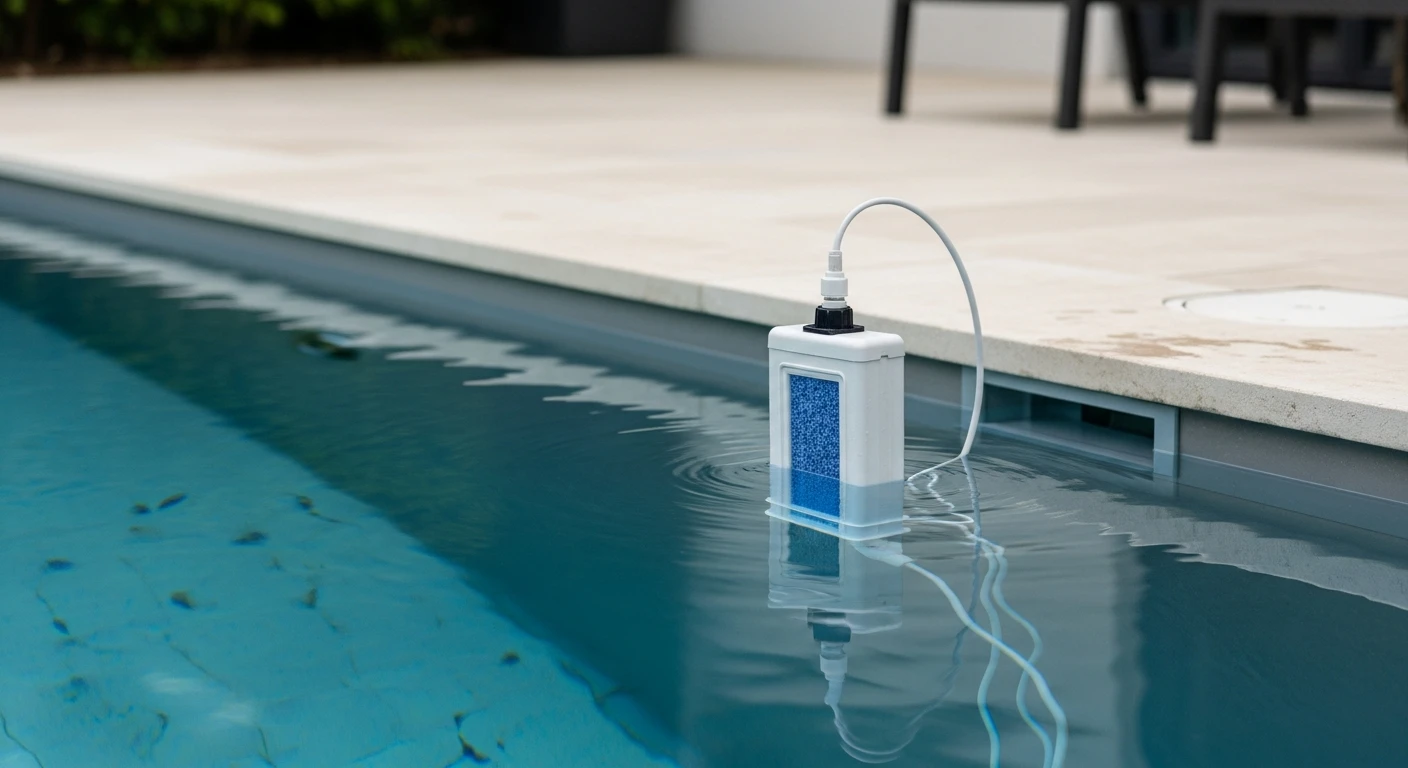
The most common point of failure I encounter is what I term Flow Rate Mismatch Failure. A pool pump's stated GPM is often under ideal lab conditions. In reality, factors like a dirty filter, solar heating panels, or a long pipe run drastically alter the actual flow rate. If the water moves through the UV chamber too quickly, the UV-C light doesn't have sufficient contact time to eradicate chlorine-resistant pathogens like Cryptosporidium. The unit is technically "on," but it's not effectively sterilizing. I use a portable flow meter attached directly to the plumbing to get a true reading. This single data point is the foundation for selecting a correctly sized UV unit, ensuring the water's "dwell time" inside the chamber is long enough for a complete kill.Step-by-Step UV System Integration for Seminole County Pools
Proper installation is a game of millimeters and fluid dynamics. Placing the unit in the wrong sequence in your plumbing can render it ineffective or even shorten its lifespan. My process is rigid and follows a specific order to maximize performance and longevity.- Phase 1: Accurate Hydraulic Assessment. I measure the true GPM of your system *after* the filter. This is the single most important step.
- Phase 2: Unit Selection. Based on the true GPM, I select a high-output, low-pressure UV sterilizer. For the majority of residential pools in this area (15,000-25,000 gallons), a unit rated for a slightly higher flow than measured provides a crucial performance buffer during our intense summer months.
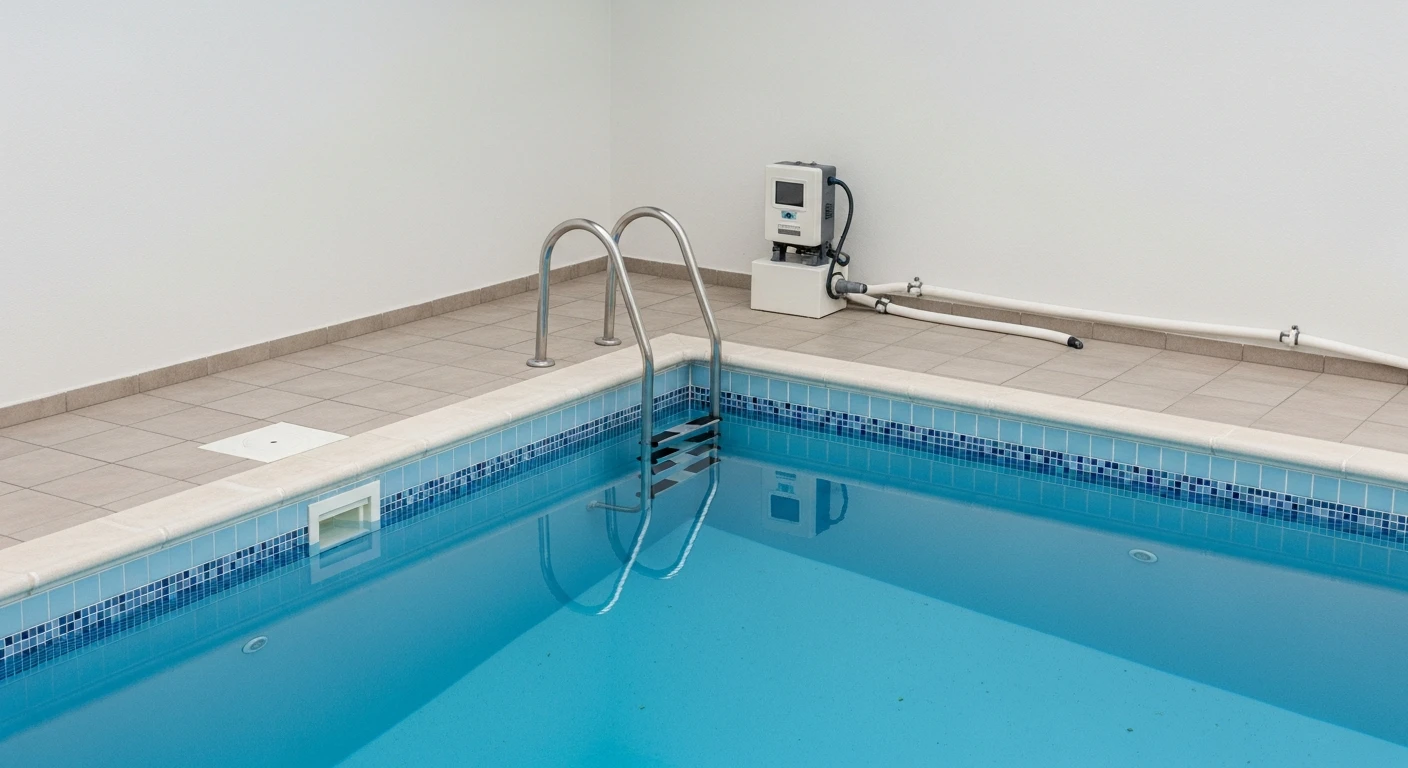
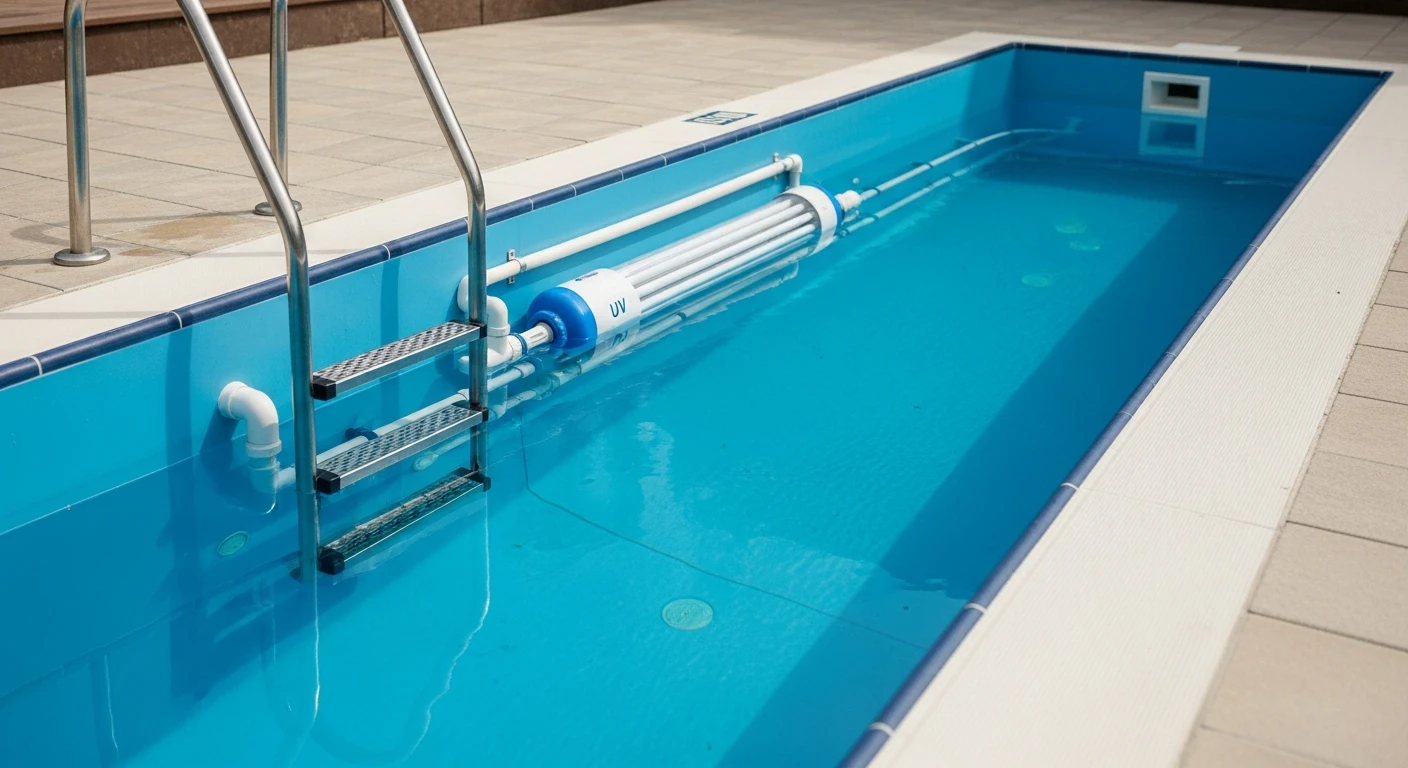
- Phase 3: Strategic Plumbing Placement. The UV unit must be the last piece of equipment the water passes through before returning to the pool. It should be installed after the filter and heater. Placing it before a chlorinator is a catastrophic error I've had to fix; the concentrated chlorine will rapidly degrade the UV unit's internal components.
- Phase 4: Electrical Hardwiring and Safety. The unit must be correctly bonded and wired, often requiring a dedicated circuit. I ensure it's interlocked with the main pump's timer so it only runs when water is flowing, preventing overheating and premature bulb failure.
- Phase 5: Sanitizer Recalibration. This is where the real benefit appears. We immediately reduce the chlorine feeder output by 50% and monitor the water daily for the first week, gradually dialing it back further until we reach a stable, low residual of 1.0-1.5 ppm Free Chlorine.
Precision Tuning for Florida's Climate: The First 30 Days
Once installed, the system requires fine-tuning. For the first month, I work with the homeowner to track two key metrics: Free Chlorine (FC) and Combined Chlorine (CC). The goal is to have CC levels at or near zero. Combined Chlorine is what causes the "chlorine smell" and eye irritation; a properly working UV system excels at breaking it down. We'll adjust the pump run time and chlorine output to find the perfect equilibrium for your pool, accounting for factors like bather load and the heavy afternoon rains common in Seminole County that can impact water chemistry. A properly tuned system should see its annual bulb replacement as the primary maintenance task. Are you still treating your pool based on generic advice, or are you ready to calibrate it for Seminole County's unique environment?Written by

Tags
uv pool sanitizer
uv pool filter
uv pool
uv ozone pool system
UV Pool Systems in Seminole FL FAQ
What is a UV pool system?
A UV pool system is a type of water treatment system that uses ultraviolet (UV) light to kill bacteria, viruses, and other microorganisms in pool water. UV systems work by emitting a specific wavelength of UV light that damages the DNA of these microorganisms, rendering them harmless.
How does a UV pool system work?
A UV pool system works by circulating pool water through a UV reactor chamber, where it is exposed to the UV light. The UV light inactivates bacteria, viruses, and other microorganisms, killing them and ensuring the water is safe for swimming.
What are the benefits of using a UV pool system?
The benefits of using a UV pool system include improved water quality, reduced chlorine usage, and increased swimmer comfort. UV systems also eliminate the need for shock treatments and reduce the risk of algae growth.
Can UV pool systems replace traditional chlorine disinfection?
While UV pool systems are effective in killing bacteria and viruses, they cannot completely replace traditional chlorine disinfection. UV systems are best used in conjunction with chlorine or other disinfectants to provide comprehensive water treatment.
How often should I replace my UV lamp?
The frequency of replacing your UV lamp depends on the manufacturer's recommendations and usage patterns. Typically, UV lamps should be replaced every 6-12 months or when the lamp's intensity decreases by 20-30%.
Can I install a UV pool system myself?
While it is possible to install a UV pool system yourself, it is recommended to hire a professional installer to ensure proper installation and maintenance. Improper installation can lead to reduced effectiveness and potentially damage your pool equipment.
How do I maintain my UV pool system?
To maintain your UV pool system, regular cleaning and replacement of the UV lamp, as well as monitoring and adjusting the system's settings, are recommended. It is also essential to follow the manufacturer's maintenance instructions for your specific system.
Can UV pool systems be used with saltwater pools?
Yes, UV pool systems can be used with saltwater pools. However, it is essential to ensure the system is designed and installed specifically for saltwater pools to avoid corrosion and other issues.
Are UV pool systems energy-efficient?
Yes, UV pool systems are energy-efficient compared to traditional chlorine disinfection methods. They use significantly less energy to operate and can help reduce your overall pool energy costs.