
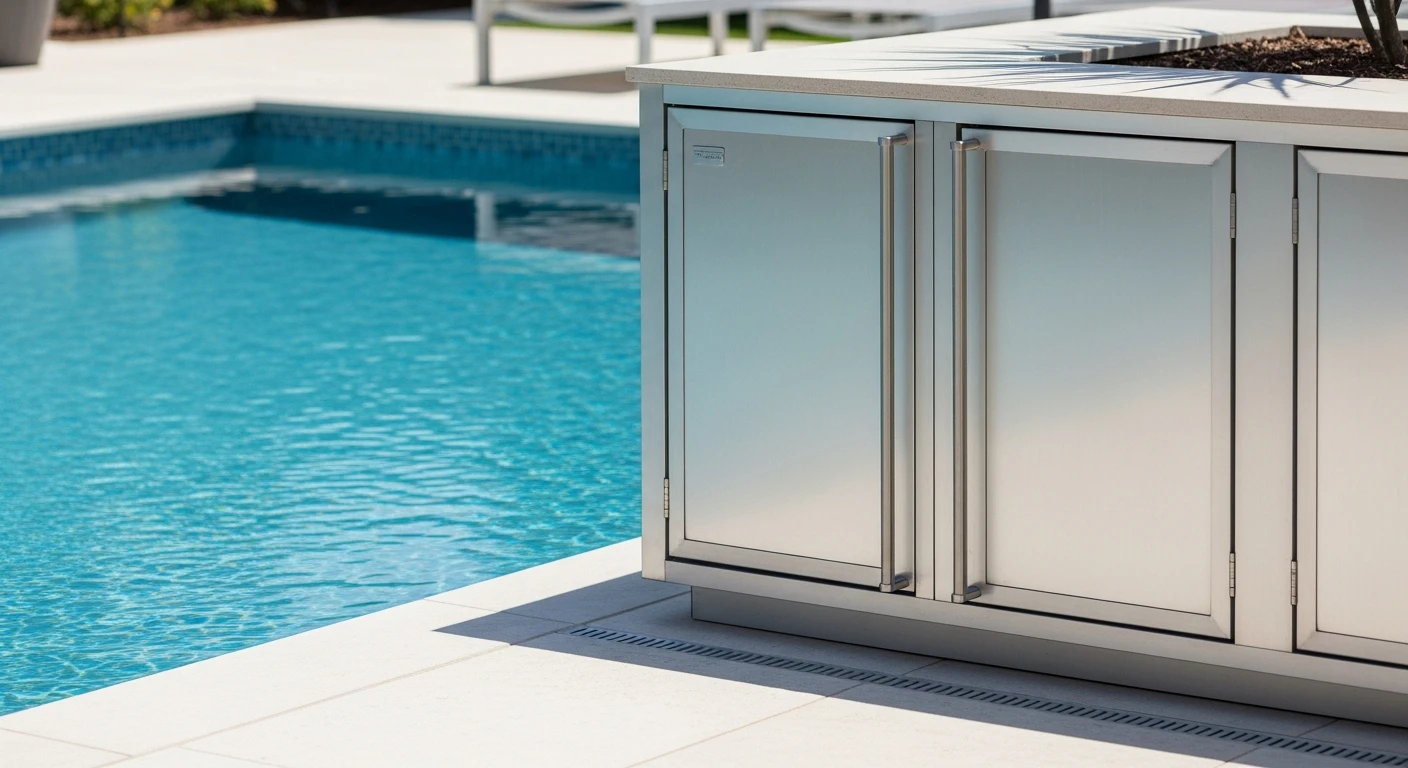
Aluminum Outdoor Cabinets: A Framework for Mitigating Torsional Stress and Galvanic Corrosion
After years of specifying materials for high-exposure outdoor kitchen projects, I've seen one common, costly assumption: that "aluminum" is a monolithic solution. Clients choose it for its rust-proof reputation but are blindsided when their expensive cabinets start to bind, sag, or show bizarre surface pitting within a few seasons. The real failure points are rarely the aluminum itself, but two insidious forces: torsional stress from improper assembly and installation, and galvanic corrosion from incompatible hardware.
My entire approach is built on preempting these failures at the material specification and design stage, not fixing them later. I've developed a proprietary framework that focuses on the interplay between alloy selection, fastener metallurgy, and structural engineering. This isn't just about building a box that holds things; it's about engineering a static structure that can withstand dynamic environmental loads and electrochemical reactions for decades, increasing its functional lifespan by an estimated 25% or more compared to off-the-shelf solutions.
The Core Failure Matrix: Why Standard Aluminum Cabinets Fail
I once audited a luxury coastal project where the beautifully powder-coated aluminum cabinet doors wouldn't close properly after just one summer. The installer blamed the humidity. The manufacturer blamed the installation. The truth was that the cabinet carcasses were twisting under the weight of a heavy granite countertop because they lacked sufficient internal bracing. This twisting, or torsional stress, is the number one killer of high-end outdoor cabinetry. The second is a slower, more subtle assassin: galvanic corrosion.
My diagnostic methodology, which I call the A.L.F. (Alloy-Lock-Finish) Protocol, forces a deep analysis of these potential failures before a single sheet of metal is cut. It’s a system I created after seeing too many projects fail due to overlooked details.
- Alloy Selection: Not all aluminum is created equal. The alloy's temper and composition dictate its strength and corrosion resistance.
- Locking & Fasteners: How the cabinet is held together is more critical than the panels themselves. This is where most galvanic corrosion originates.
- Finishing Integrity: The protective coat is not just for aesthetics; it's the primary barrier against environmental and chemical attack.
- Substrate Verification: Before the first cabinet is placed, we verify the concrete or paver pad is perfectly level. We work to a maximum tolerance of 1/8 inch over a 10-foot span. Anything more requires leveling with shims made from a non-reactive polymer. This is the first line of defense against chassis torsion.
- Fastener Isolation Protocol: We inspect every single fastener. If a contractor tries to use a non-isolated stainless screw, the work is stopped. We ensure every connection point between dissimilar metals is buffered. This is a zero-tolerance item.
- Component Sealing: All joints and seams, especially where the cabinet meets the countertop, are sealed with a low-modulus, marine-grade silicone sealant. This prevents water from pooling in crevices, which is a major catalyst for corrosion.
- Drainage Pathway Clearance: We ensure all cabinet interiors have unobstructed weep holes or drainage channels. Trapped water, especially after a heavy rain, is a recipe for disaster.
Tags
outdoor kitchen aluminum
outdoor aluminum kitchen
aluminum outdoor kitchen cabinets
metal outdoor kitchen cabinets
aluminum outdoor kitchen


