Custom Outdoor Cabinets in Charlotte County: My Framework for 30-Year Weatherproof Integrity
Forget warped wood and rusted hinges. After years of designing outdoor kitchens here, I can tell you that most custom outdoor cabinets in Charlotte County fail not from a single storm, but from a slow, relentless attack by two specific local factors: sustained high humidity and intense UV radiation. Standard construction methods simply don't account for the daily moisture cycles that cause delamination and the sun that degrades sealants. My entire approach is built on a material science-first principle that preempts these failures, creating structures that maintain their integrity for decades, not just a few seasons. I developed this methodology after being called in to salvage a high-end project in Punta Gorda Isles where the cabinets, less than two years old, were already showing significant corrosion on the "stainless steel" hardware and the doors were swelling shut. The installer used the wrong grade of steel and a wood-composite material that wasn't fully sealed against ambient moisture. This costly mistake for the homeowner became the foundation of my non-negotiable standards for coastal construction.The Coastal Resilience Framework: My Diagnostic Protocol
Before I even sketch a design, I run every project through what I call the Coastal Resilience Framework. This isn't just about picking a color; it's a technical audit of the location and intended use to guarantee longevity. The framework is built on three core pillars: Material Science, Hardware Specification, and Structural Ventilation. I've seen countless beautiful lanai kitchens in Port Charlotte become breeding grounds for mold because the cabinets were built like indoor units—completely sealed, with no way for trapped humidity to escape. My protocol identifies these failure points before a single piece of material is cut.Deconstructing Material Failure and Hardware Corrosion
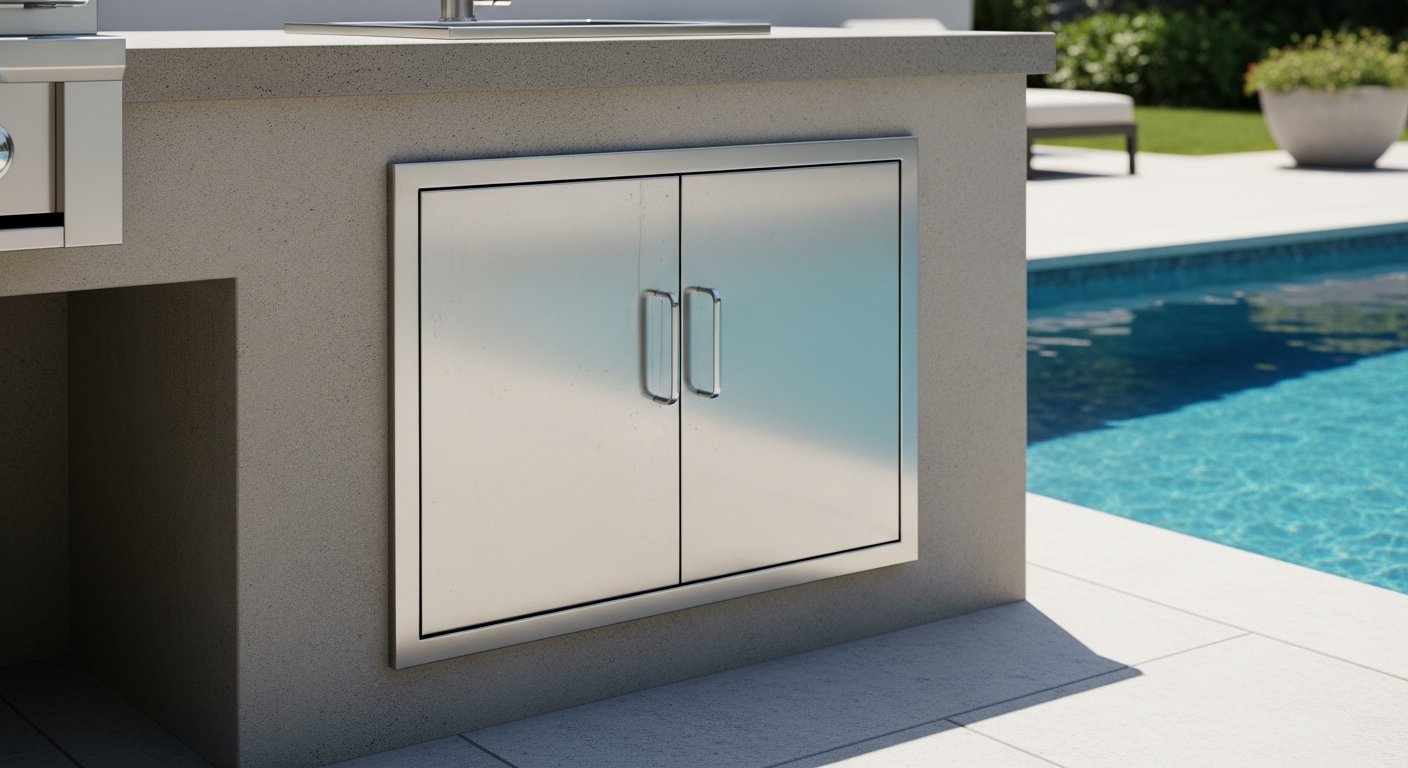
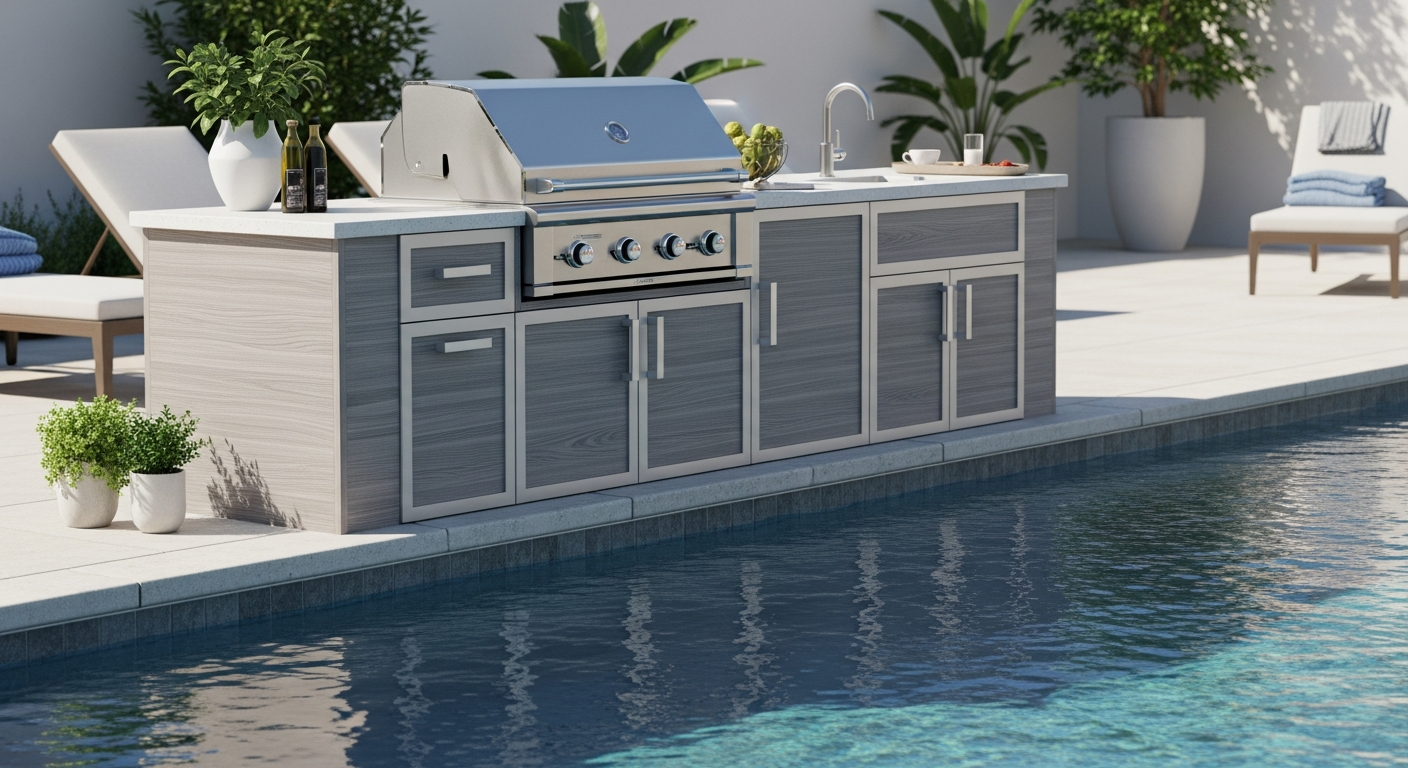
The material itself is the primary point of failure. I exclusively use marine-grade high-density polyethylene (HDPE) or specific PVC composites for all cabinetry. These materials are inert; they don't absorb water, so they can't swell, rot, or delaminate. Critically, I specify materials with high-concentration UV inhibitors integrated during manufacturing, not just a surface coating that can wear away under the Florida sun. Hardware is the second disaster I constantly see. Most contractors use 304-grade stainless steel, which is fine for inland applications. However, the salt in the air, even miles from the coast in areas like Deep Creek, will cause pitting and corrosion on 304 steel. My standard is absolute: 316 marine-grade stainless steel for all hinges, handles, and fasteners. The addition of molybdenum in the alloy gives it superior resistance to chlorides, which is essential for our proximity to the Gulf. This small detail alone can add a decade or more to the functional life of your cabinets.Implementation Blueprint: From Lanai to Waterfront
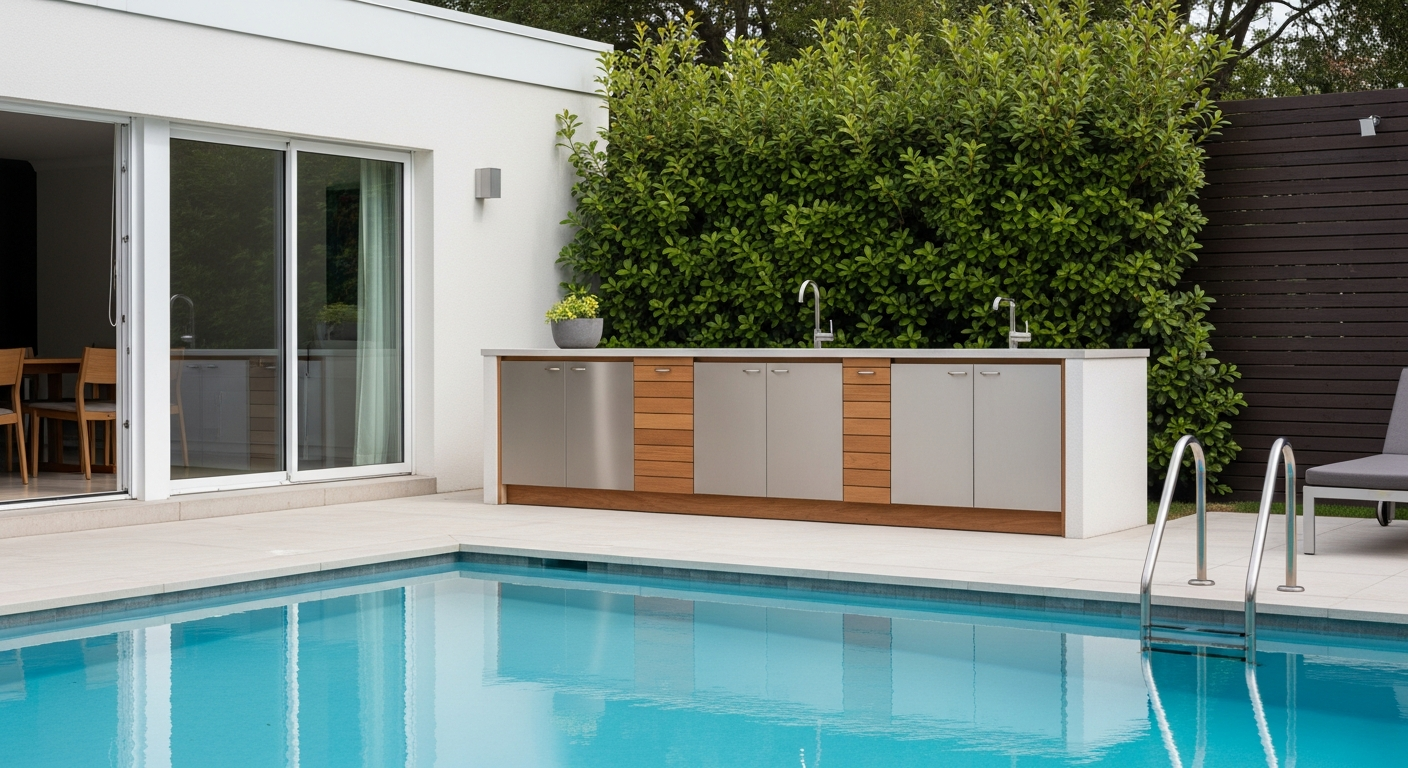
My installation process is methodical and designed to eliminate the variables that lead to failure. It’s a system I’ve refined on projects from Englewood waterfronts to sprawling Port Charlotte lanais, and it ensures the final product is a single, monolithic unit resistant to the elements.- Foundation and Leveling: I start with a non-porous, composite base that elevates the entire cabinet structure by a minimum of one inch off the concrete or pavers. This creates a critical air gap, preventing moisture wicking from the ground up during our heavy summer rains.
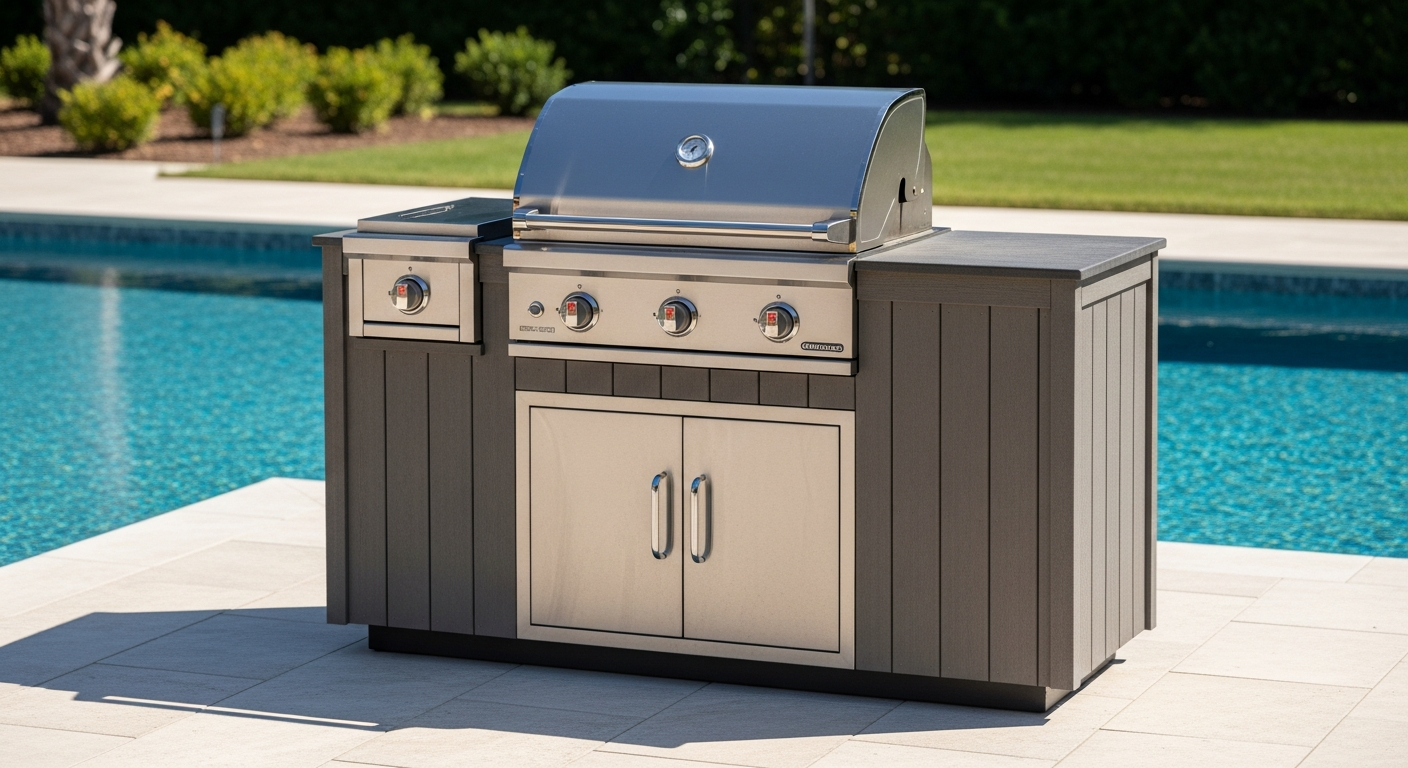
- Case Construction: The cabinet boxes are assembled using a combination of mechanical fasteners and a specialized polymer welding technique. This creates seamless joints that are structurally sound and completely waterproof. I never use wood dowels or biscuits, which would swell and compromise the structure over time.
- Integrated Ventilation: This is my signature. I discreetly integrate passive ventilation channels into the cabinet design, typically at the toe-kick and the upper rear of the units. This allows air to circulate, preventing the buildup of stagnant, humid air that leads to musty odors and mildew growth on stored items—a common complaint I hear from homeowners.
- Hardware Installation: All 316-grade hardware is installed with stainless steel fasteners and a nylon washer. The washer prevents galvanic corrosion that can occur when two different metals are in contact in a saline environment.
Precision Tolerances and Final Quality Assurance
The final step is about precision. I build cabinet doors and drawers with a slightly larger expansion gap—around 3/16 of an inch—than you would for indoor cabinetry. This precisely accounts for the thermal expansion and contraction that polymer materials undergo in the drastic temperature swings from direct midday sun to a cool evening. This prevents binding and ensures smooth operation for the life of the unit. Before project completion, I perform a high-pressure water test on all seals to simulate a wind-driven rain event, guaranteeing a dry interior. Have you considered how the thermal expansion rate of your chosen cabinet material will affect the door and drawer alignment after a full Charlotte County summer?Written by

Tags
bbq kitchen cabinets
outdoor grill cabinets for sale
outdoor bbq kitchen units
outdoor cooking cabinet
outdoor kitchen grill cabinets