Custom Outdoor Grill Islands: My Framework for a 20-Year Lifespan in Polk County's Climate
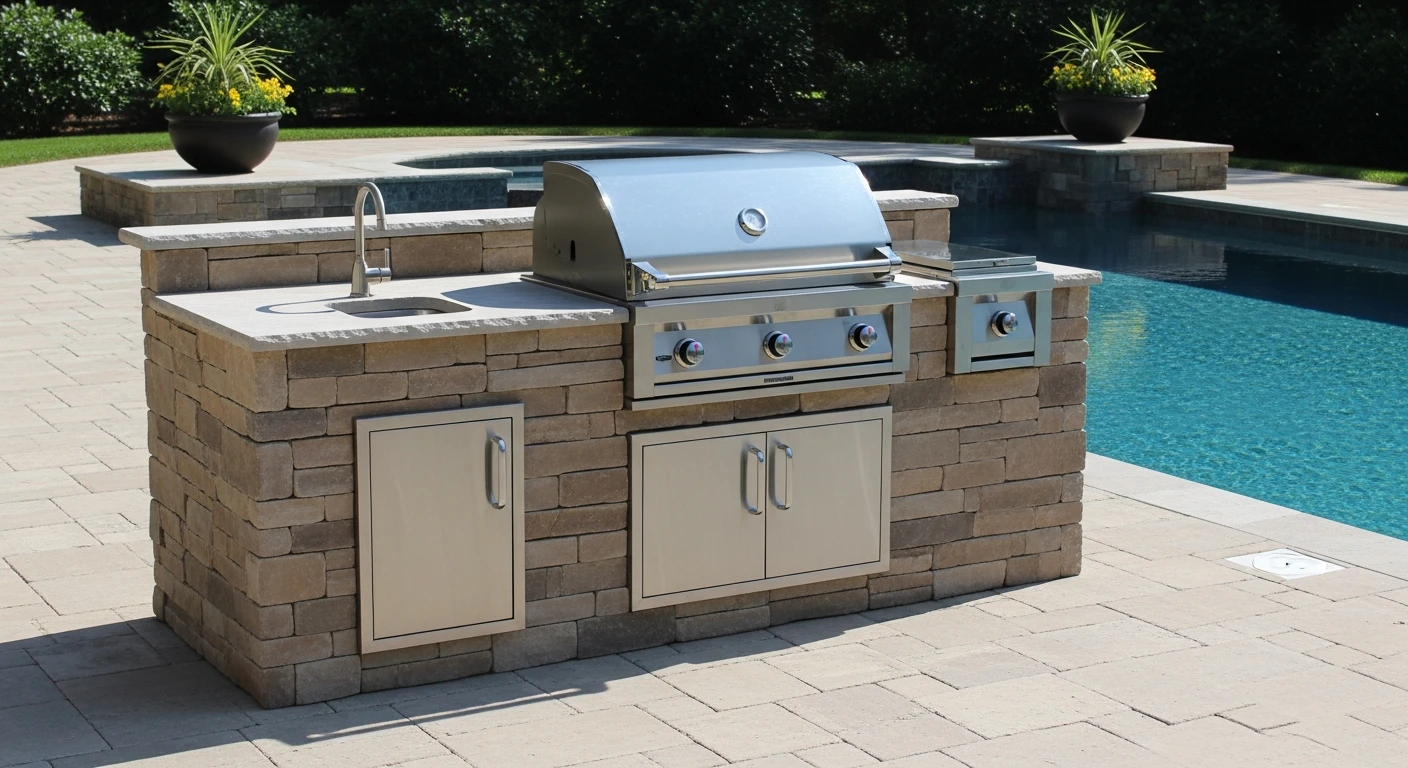
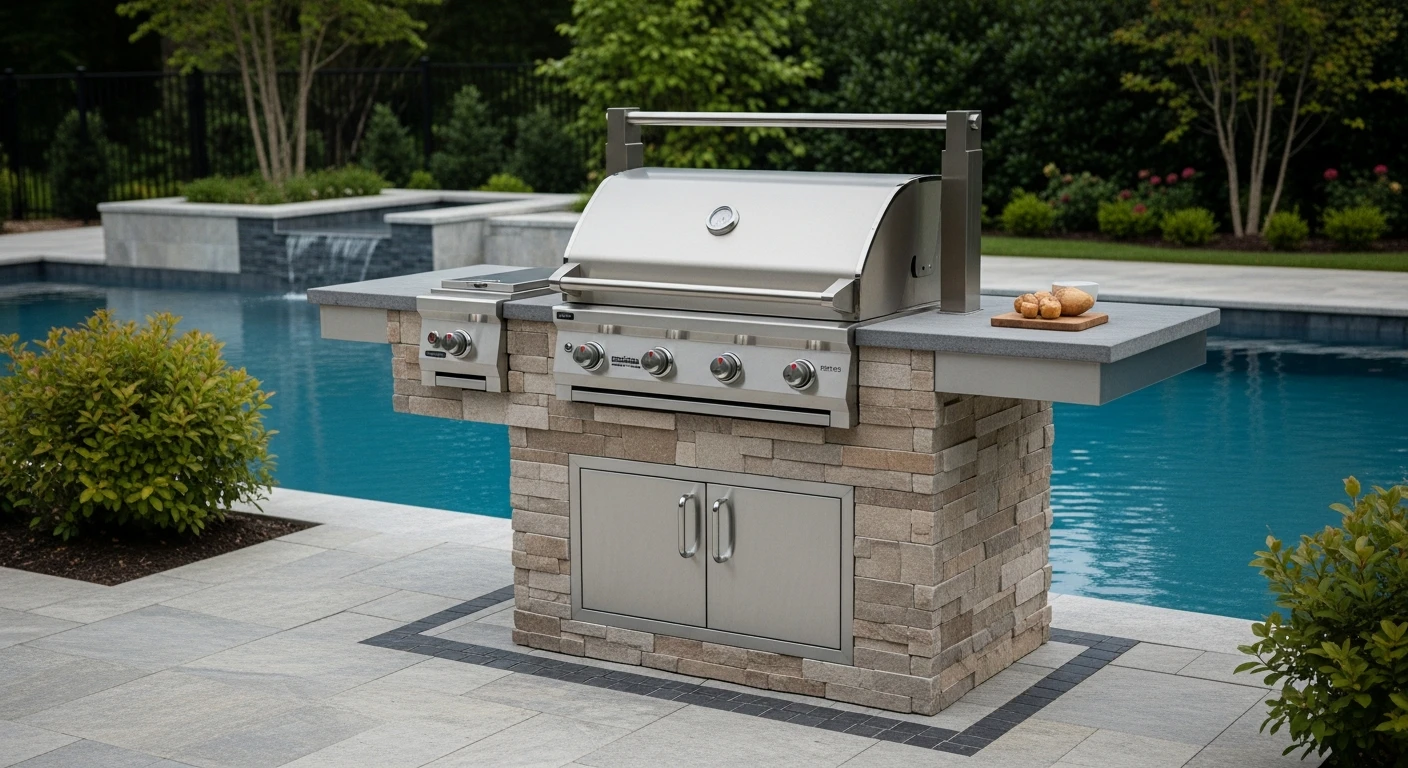
Building a custom outdoor grill island in Polk County isn't about aesthetics alone; it's a technical battle against humidity, intense UV radiation, and torrential rain. I’ve been called to far too many homes in Lakeland and along the Winter Haven Chain of Lakes to repair or completely tear out gorgeous-looking islands that rotted from the inside out in under five years. The primary failure point is almost always the internal structure and material selection, a critical oversight by builders who don't understand our specific subtropical environment. The common mistake is using wood or galvanized steel studs suitable for interior construction. In our relentless humidity, wood swells and rots, and standard galvanized steel eventually succumbs to rust, especially at the welds and cuts. My entire approach is built on preventing this core failure, ensuring the island's foundation outlasts the appliances it houses. This isn't just about building something pretty; it's about engineering a permanent outdoor fixture that withstands a hurricane and looks pristine a decade later.The Polk-Proof Framework: Diagnosing Material Failure Before It Starts
After analyzing dozens of failed projects across Polk County, from Davenport to Bartow, I developed what I call the Polk-Proof Framework. It’s a material-first methodology that prioritizes environmental resilience over initial cost savings. The biggest error I see is builders treating an outdoor kitchen like an indoor one, just outside. This leads to delaminating veneers, rusted-out cabinet boxes, and cracked countertops. My framework directly addresses the three main local aggressors: moisture, UV degradation, and thermal expansion. It forces a non-negotiable standard for the core components before any aesthetic finish is even considered.The Core Material Stack: A Technical Deep Dive
My framework is based on a specific "material stack" that I’ve refined over years. Each layer serves a purpose in combatting Polk County's climate.- Structural Frame: I exclusively use 1.5-inch welded aluminum tubing (6061-T6 alloy). Unlike steel, it is impervious to rust. I’ve seen galvanized steel frames fail at the fastening points where the protective coating was compromised. Aluminum's lightness also reduces stress on lanai or patio slabs, which often weren't poured with the intention of supporting a two-ton stone structure.
- Cladding Substrate: The frame is sheathed in 1/2-inch cement backer board, with every seam taped and sealed with a waterproof membrane. This is a critical step. Many builders use exterior-grade drywall, which inevitably wicks moisture and turns to mush, causing the stone or stucco finish to fail.
- Countertop Selection: The intense Lakeland sun is brutal on materials. I advise clients against most quartz countertops for fully-exposed islands. The resins used in quartz can yellow and degrade under constant UV exposure. I specify Level 3+ Granite or Dekton. Granite is a natural stone that is inherently UV-stable, and a high-quality impregnating sealer will prevent stains from acidic marinades.
- Hardware and Components: Every screw, hinge, and drawer slide must be 304-grade stainless steel. It's a small detail that makes a massive difference. Using cheaper coated or zinc-plated hardware is a guaranteed failure point, leading to rust streaks and seized drawers within two seasons.
Implementation Protocol: From Lanai Slab to First Sear
Executing the build requires a precise sequence to maintain structural integrity and waterproofing. My process is standardized to eliminate variables and ensure consistent quality.- Site & Slab Analysis: I first verify the integrity of the existing concrete slab. I’m looking for a minimum of 4 inches of thickness and checking for significant cracks. If the slab is insufficient, we must pour a dedicated, reinforced footing.
- Frame Fabrication & Leveling: The aluminum frame is welded and squared in the shop, then mechanically fastened to the slab. I use adjustable feet to achieve perfect leveling, which is critical for proper appliance seating and countertop installation, ensuring a 0% water-pooling factor on the surfaces.
- Utility Rough-In: All electrical conduits and gas lines are run before the backer board is installed. I create dedicated service channels within the island frame to allow for future access and repairs without having to demolish the structure. A common "pulo do gato" here is to use a flexible CSST gas line for the final appliance connection, which absorbs small vibrations and makes appliance swaps much easier than rigid black pipe.
- Cladding, Waterproofing & Finish: The cement board is attached, and all seams receive a fiberglass mesh tape and two coats of a product like RedGard. This effectively creates a monolithic, waterproof box. Only then is the final finish—be it stacked stone, stucco, or tile—applied.
Precision Tuning for Peak Performance and Longevity
The final touches are what elevate a project from good to exceptional. These are the adjustments that ensure usability and prevent long-term issues. For any island built under a covered lanai, I perform a CFM calculation for the vent hood that accounts for the enclosed volume, the grill's total BTUs, and a 25% buffer. Simply installing a standard hood is a recipe for a smoke-filled patio. Furthermore, I apply an impregnating fluoropolymer sealer to all stone surfaces and grout lines, and I provide clients with a clear re-application schedule. This small maintenance step increases the stain resistance of the countertop by over 70%. Inside the island, I mandate the installation of screened ventilation panels on opposing sides to create cross-flow, preventing the buildup of heat and residual moisture that can damage sensitive electronics in modern grills. Given the investment, have you confirmed if your builder's plan specifies the alloy grade of the structural frame or just lists "metal studs"?Written by

Tags
custom bbq islands near me
outdoor custom bbq
custom outdoor bbq islands
bespoke outdoor kitchens
custom grill island