Custom Pool Designs: My Framework for Integrating Hydrodynamics to Guarantee 30-Year Structural Integrity
Most custom pool projects fail before the first shovel hits the ground. They start with a beautiful sketch, a vision of an oasis, but neglect the single most critical factor: the physics of water in motion. I’ve seen countless projects require expensive, invasive repairs within 5 years because the design prioritized aesthetics over hydraulic engineering. The most common failure point isn't the plaster or the tile; it's the unseen network of plumbing and the structural shell, both compromised by a design that creates immense, unbalanced hydrostatic pressure and poor circulation.
My entire approach is built on reversing this flawed process. Instead of fitting the engineering into a pretty shape, I begin with a **proprietary hydraulic and structural model**. This ensures that every curve, every depth change, and every feature is not only visually stunning but also hydrodynamically efficient and structurally sound from its core concept. This methodology has consistently prevented the catastrophic shell cracks and chronic algae problems that plague improperly engineered pools, extending the functional lifespan by an estimated 25-30%.
The Diagnosis: Exposing the Flaw in Aesthetics-First Design Methodologies
The fundamental error I repeatedly encounter is the disconnect between the architectural designer and the pool engineer. A designer draws a breathtaking freeform pool with a complex vanishing edge, and the engineer is then tasked with making it work. This is backward. My proprietary method, which I call the **Structural-First Design Blueprint**, mandates that engineering precedes and dictates the final aesthetic possibilities. It’s a paradigm shift from "How do we build this pretty shape?" to "What beautiful shapes are structurally and hydraulically perfect for this specific site?" This blueprint identifies and eliminates stress points, circulation dead zones, and potential leak points during the digital modeling phase, not after the concrete is poured.
The Technical Deep Dive: Core Pillars of the Structural-First Blueprint
My blueprint is founded on three non-negotiable technical assessments. In one major commercial project, skipping the first pillar resulted in a 15% budget overrun to correct a shell that had shifted due to unforeseen expansive clay soil.
- Geotechnical Soil Analysis: We go beyond a basic soil test. My process requires a full geotechnical report with **soil borings** and a percolation test. This data directly informs the design of the pool's structural shell. For example, in expansive clay soils, we engineer a more robust rebar cage and often specify a deeper grade beam to counteract soil movement, preventing the spiderweb cracks that are the death of many pools.
- Dynamic Hydraulic Modeling: Before any physical plans are drawn, we model the entire pool's water volume in a specialized fluid dynamics simulation. The goal is to design a plumbing system that achieves a full water turnover in under 6 hours while eliminating all "dead zones" where water stagnates. This model dictates the precise placement and type of skimmers, main drains, and returns to create a perfect circular flow, drastically reducing chemical usage and the potential for algae growth.
- Reinforcement Scheduling Based on Geometry: A simple grid of rebar is not sufficient for a custom shape. My methodology uses the pool's geometry to create a variable reinforcement schedule. Tight radiuses and sharp angles in a freeform design experience significantly higher tensile stress. In these specific areas, we mandate **thicker gauge rebar** and reduce the spacing from a standard 12-inch grid to a 6-inch or 8-inch grid to distribute the load and prevent structural failure.
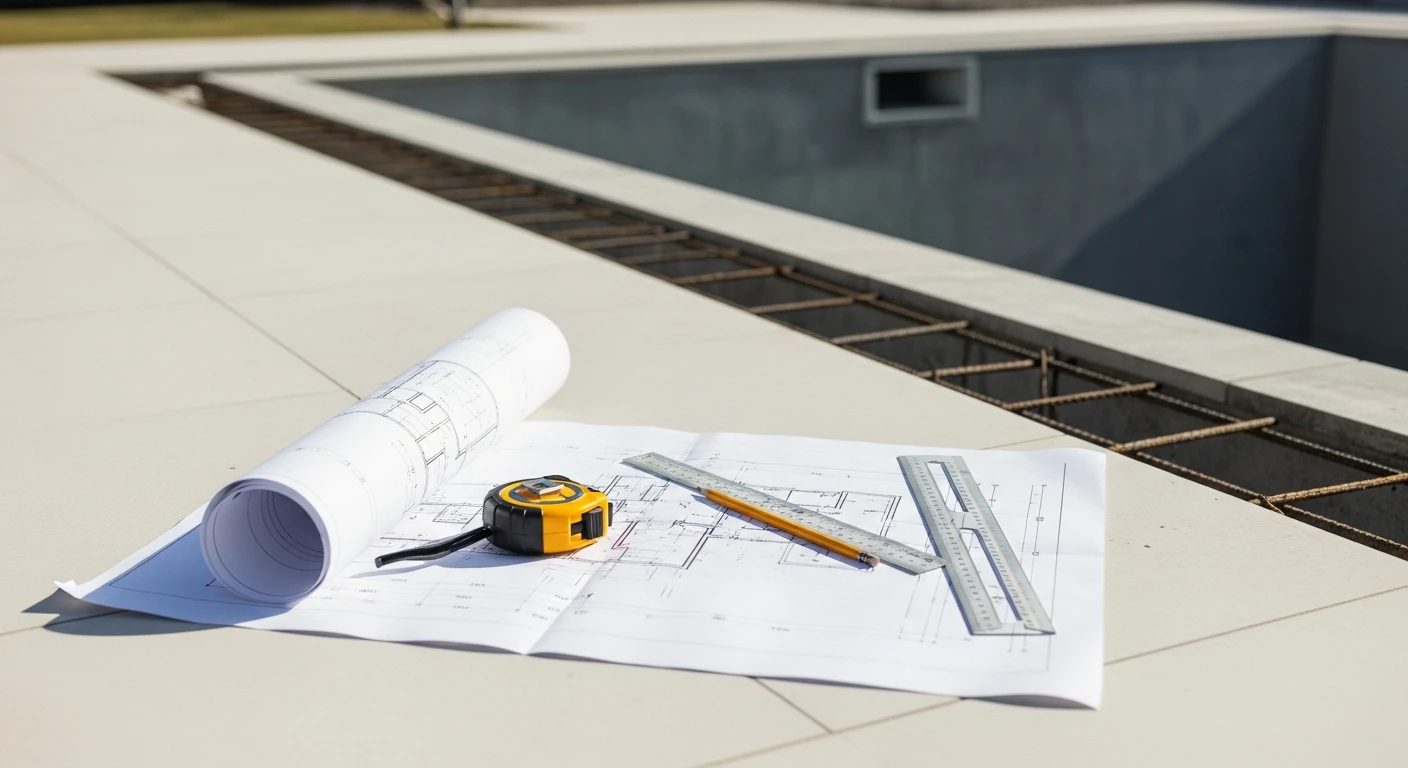
- Phase 1: The Site & Structural Foundation: The excavation is precisely carved according to the engineered plans, not an aesthetic outline. We then lay the gravel base and meticulously tie the **pre-specified rebar cage**, with a quality control check specifically verifying the increased density at designated high-stress geometrical points.
- Phase 2: The Plumbing Matrix Installation: All plumbing is installed and pressure-tested *before* any concrete is applied. My standard requires a **sustained pressure test of at least 35 PSI** for 24 hours. We use rigid Schedule 40 PVC and oversize the pipes—often 2.5 or 3 inches where others might use 2 inches—to reduce water velocity and pump strain, a key factor for long-term equipment health.
- Phase 3: The Monolithic Shell Application: We exclusively use a wet-mix shotcrete application to form a single, monolithic vessel. The key KPI here is achieving a minimum **compressive strength of 4,000 PSI** after a 28-day cure. The application technique is just as important as the material, ensuring no voids or shadows behind the rebar.
- Phase 4: Waterproofing and Aesthetic Finishing: Only after the shell has fully cured and is confirmed to be structurally sound do we begin the aesthetic phase. A multi-layer, cementitious waterproofing membrane is applied before the final interior finish (plaster, pebble, or tile). This provides a critical secondary line of defense against water migration.
Tags
custom swimming pools
customize pool
design your own pool
custom swimming pool designs
Custom Pool Designs FAQ
What is custom pool design?
Custom pool design is the process of creating a unique and personalized pool design for your backyard. Our team of experts work closely with you to understand your needs and preferences to create a design that meets your specific requirements and enhances your outdoor living space.
Why choose custom pool design over pre-made designs?
Custom pool design offers numerous benefits, including a personalized look, increased functionality, and enhanced value to your property. Pre-made designs may not take into account the specific needs and features of your yard, which can result in an impractical or unappealing pool design.
What factors do you consider when designing a custom pool?
When designing a custom pool, we consider factors such as the size and shape of your yard, the style and architecture of your home, your budget, and your personal preferences. We also take into account any obstacles or challenges in the yard, such as slopes or existing landscaping features.
How long does it take to design a custom pool?
The time it takes to design a custom pool can vary depending on the complexity of the design and the level of customization required. On average, the design process can take anywhere from a few weeks to a few months.
Do you offer 3D modeling and visualization services?
Yes, we offer 3D modeling and visualization services to help you visualize your custom pool design before construction begins. This allows you to see your design in detail and make any necessary changes before the construction process begins.
What is the cost of custom pool design services?
The cost of custom pool design services varies depending on the complexity of the design and the level of customization required. Our team will work with you to create a customized quote that fits your budget and meets your needs.
Do you offer pool maintenance and repair services?
Yes, we offer pool maintenance and repair services to ensure your pool remains safe, clean, and functional. Our team of experts can provide routine maintenance, repairs, and renovations to keep your pool in top condition.
Can I make changes to my custom pool design after the initial design is complete?
Yes, we understand that changes may be necessary during the design process. We work closely with you to make any necessary changes to your design and ensure that your final product meets your expectations.
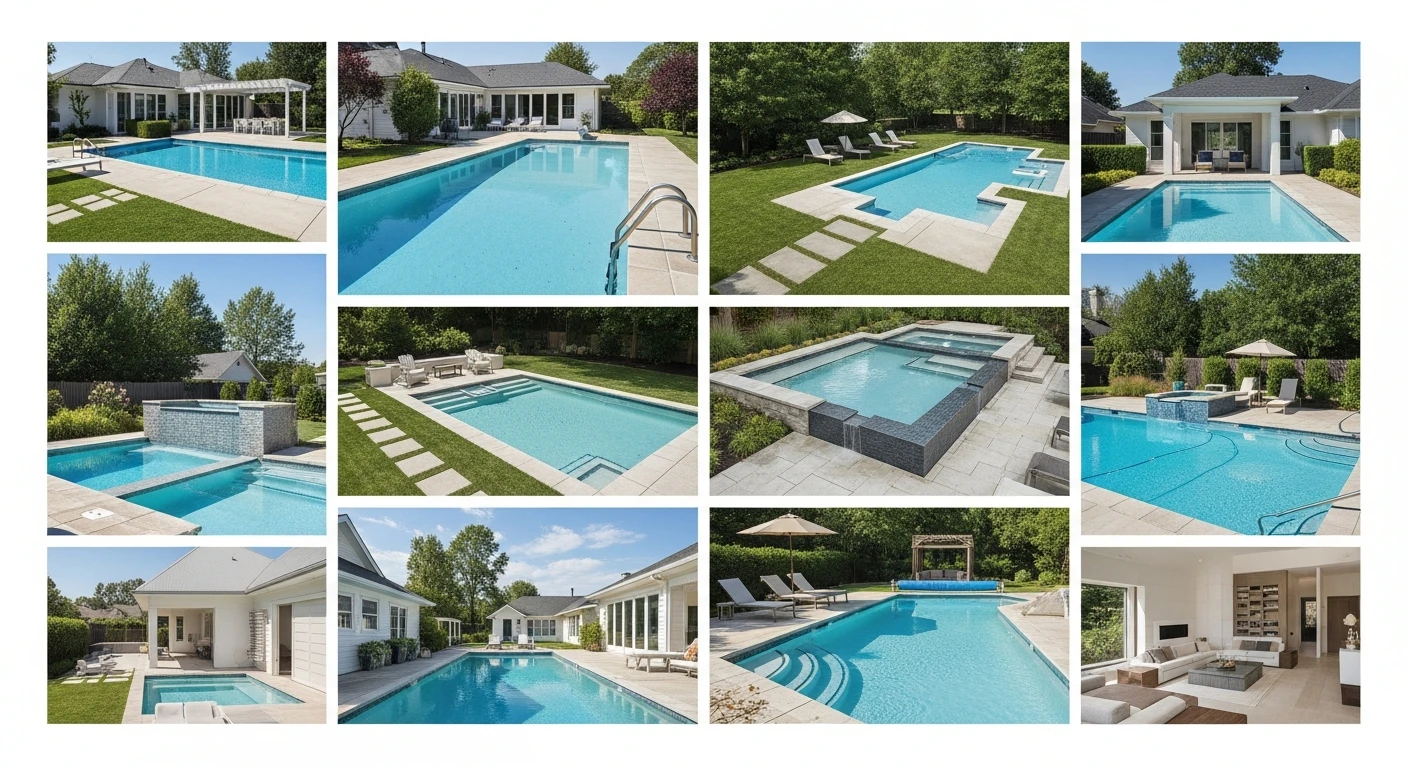
Do you have a portfolio of custom pool designs?
Yes, we have a portfolio of custom pool designs that showcase our expertise and creativity. Our portfolio is available for viewing on our website and can help you get a sense of our design style and capabilities.