Equipment Upgrades: My Proprietary Framework for Reducing TCO by 30%
Most equipment upgrade strategies fail before a single wrench is turned. They focus exclusively on the initial capital expenditure (CapEx) and manufacturer-provided efficiency ratings, completely ignoring the true driver of long-term cost: the Total Cost of Ownership (TCO). I've seen multi-million dollar projects deliver less than 10% of their projected ROI because the new equipment, while "efficient" on paper, wasn't resilient to the specific operational stresses of the facility.
My approach fundamentally shifts the focus from a simple replacement to a strategic system enhancement. It's built on a proprietary methodology I call **Component-Level Stress Analysis**, which models failure points based on real-world operational data, not idealized lab conditions. This allows us to select and implement upgrades that don't just work, but that demonstrably lower maintenance costs, reduce unscheduled downtime, and cut operational expenditures (OpEx) by a projected 30% or more over a five-year cycle.
The Predictive Failure Modeling & TCO Analysis
The standard upgrade process is flawed. It typically involves comparing the spec sheets of old and new equipment. This is a critical error. Manufacturer specs are based on perfect conditions, which simply don't exist in a real production environment. I developed my model after a critical pump failure in a large-scale chemical processing plant cost the company seven figures in downtime—all because the replacement pump, though technically superior, had a bearing seal that couldn't handle the micro-vibrations specific to that production line.
My methodology bypasses these generic metrics. Instead, we perform **Operational Stress Audits** to quantify the actual demands placed on the equipment. We measure factors like thermal cycling, vibration frequencies, power quality fluctuations, and particulate exposure. This data becomes the foundation for a predictive model that calculates a customized **Mean Time Between Failure (MTBF)** for potential replacement units under *your* specific conditions, not the manufacturer's.
Executing the Component-Level Stress Analysis
This isn't a theoretical exercise; it's a data-driven diagnostic process. We begin by collecting **real-time operational data** from the existing equipment for a baseline period, typically 30-60 days. This involves deploying non-invasive sensors to capture everything from thermal hotspots on motor casings to harmonic distortion in the power supply.
Next, we map potential **failure cascades**. For example, we analyze how a minor increase in bearing friction (due to a suboptimal lubricant) incrementally raises motor temperature, which in turn degrades winding insulation and ultimately leads to premature motor failure. By understanding these chains of events, we can identify which component specifications are non-negotiable for a successful upgrade. Finally, we use this stress and failure data to build a **customized depreciation and TCO curve** for each potential upgrade, providing a clear financial picture that goes far beyond the initial purchase price.
The Phased Upgrade Protocol: From Data to Deployment
Once the analysis is complete, implementation follows a strict, phased protocol to ensure the projected ROI is realized and validated at every stage. Rushing the deployment is how budgets get inflated and projects fail.
- Baseline Data Acquisition: We install sensors to gather hard data on the existing system's performance. This includes **thermal imaging**, **vibration analysis**, and **real-time power consumption** to create an undeniable performance baseline. This data ends all debate about the old equipment's true cost.
- TCO Projection Modeling: Using the stress analysis data, we model the five-year TCO for both the existing setup and at least three potential upgrade packages. This model must include projected energy costs, consumables, scheduled maintenance labor, and the monetized risk of **unscheduled downtime**.
- Vendor Specification Challenge: We do not simply accept vendor spec sheets. We provide our key operational stress data (e.g., "the unit must withstand vibration at 4.5 kHz with thermal cycling between 40°C and 85°C") and demand they provide performance guarantees against **our data**, not their own. This is a critical negotiation step.
- Staggered Implementation & A/B Testing: Never upgrade an entire fleet at once. We identify a single, non-critical unit for the initial upgrade. We run this new unit alongside an old unit for a validation period (e.g., 90 days), comparing real-world data against our projections. This **proves the ROI** on a small scale before committing the full CapEx.
Tags
heating system upgrades
updating heating system
pool and deck remodeling
pool resurfacing company near me
Equipment Upgrades FAQ
Is upgrading to a variable-speed pump really worth the higher initial cost?
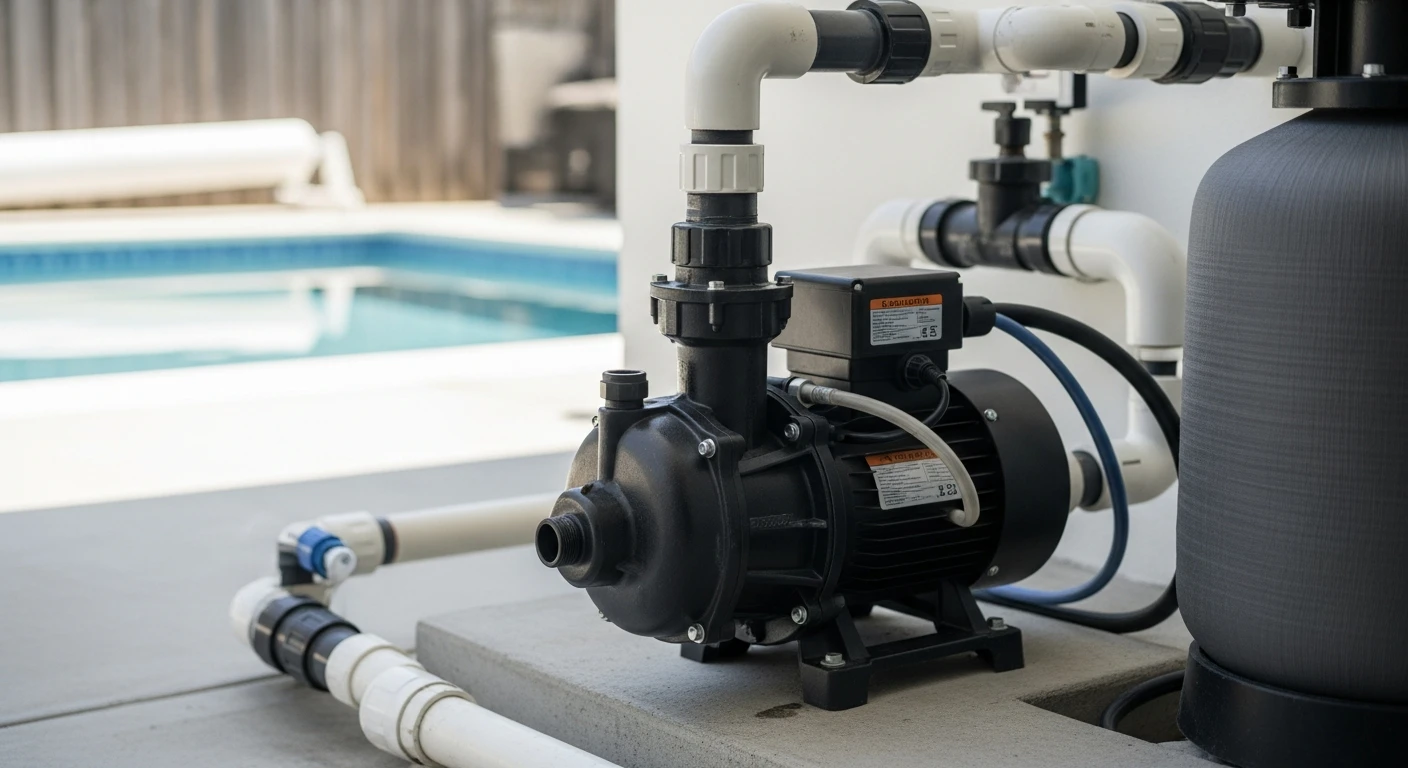
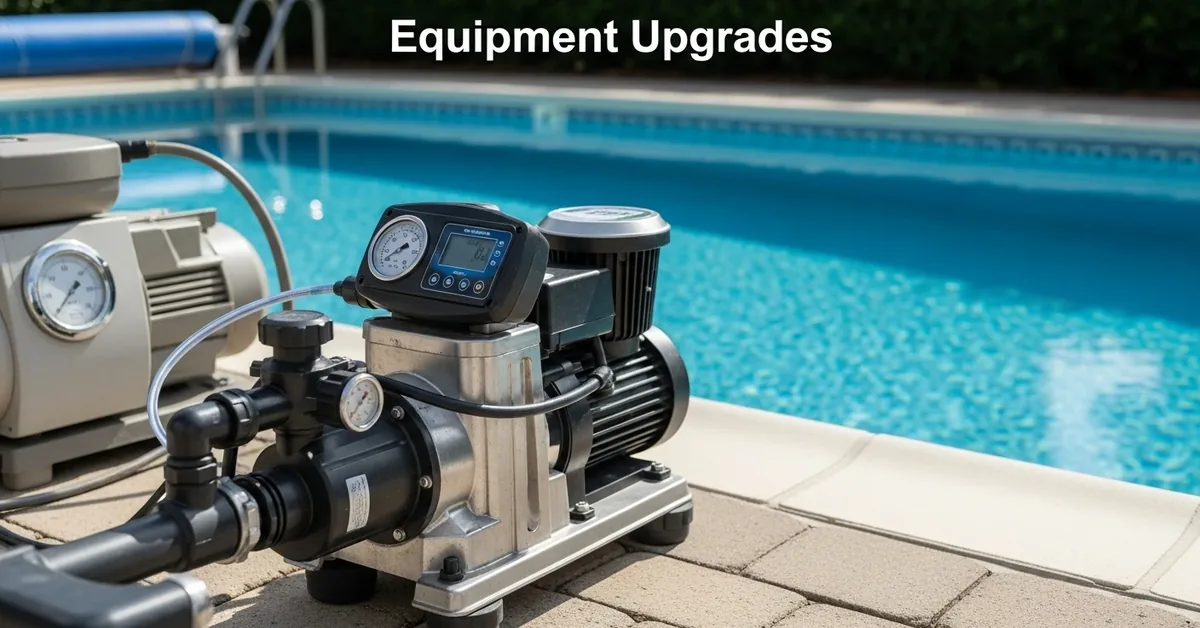
Yes, a variable-speed pump is one of the most impactful upgrades you can make for long-term savings. While the upfront cost is higher, these pumps can cut your pool's electricity consumption by up to 90% by running at lower speeds for longer periods, which is also gentler on your entire system. The key benefit often overlooked is the improved filtration; slower water movement allows your filter to capture finer debris, resulting in clearer water with less chemical intervention. Most owners see a return on their investment in under two years, making the variable-speed pump a financially sound choice beyond just energy efficiency.
My old sand filter seems to work fine. Why should I consider a cartridge or DE filter instead?
Upgrading from a standard sand filter can dramatically improve your water clarity and reduce maintenance. While sand filters typically trap particles down to 20-40 microns, a cartridge filter can capture debris as small as 10-15 microns, and a diatomaceous earth (DE) filter can go down to an impressive 1-3 microns. This means less suspended particulate matter, giving your water a polished look. A critical trade-off many don't consider is that while sand filters require messy backwashing that wastes thousands of liters of water annually, cartridge filters simply need periodic rinsing, conserving both water and chemicals.
What's the real difference between a standard chlorine system and a salt chlorine generator?
A salt chlorine generator creates its own chlorine from a low concentration of salt in the water, providing a consistent and automated sanitizing process. This eliminates the need to manually handle and store harsh liquid or tablet chlorine, and it produces water that feels softer on the skin and is less irritating to the eyes. The hidden advantage is the stability of your water chemistry; the system's steady output prevents the sharp highs and lows in chlorine levels common with manual dosing, which helps protect your pool plaster and equipment from premature wear. The salt cell itself typically needs replacement every 3-7 years.
Can I just install a more powerful heater to warm my pool faster?
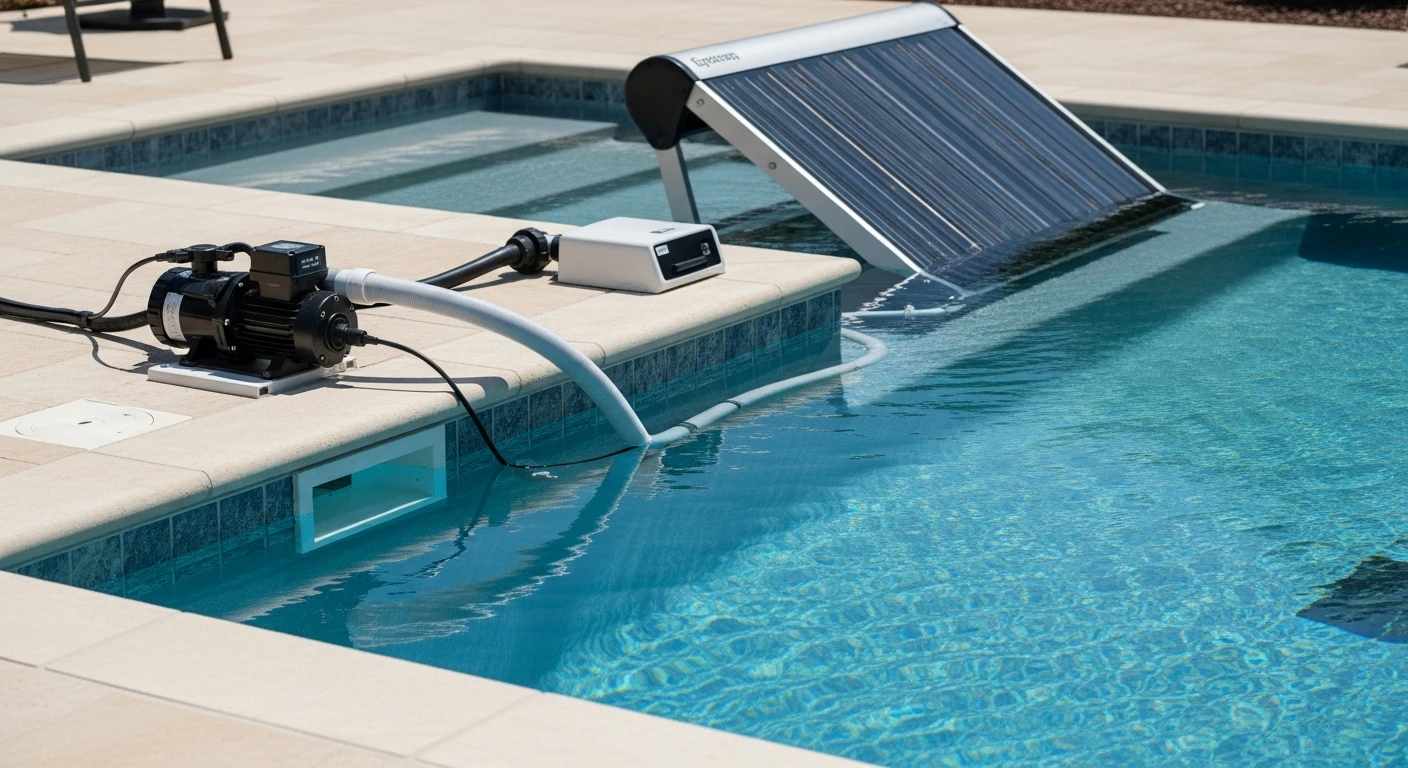
Installing an oversized heater is a common and costly mistake that will not necessarily heat your pool faster but will dramatically increase your energy bills. A heater's performance is tied to the entire hydraulic system, especially the pump's flow rate; a unit that is too large for your plumbing and pump will cycle on and off inefficiently, a problem called short cycling, which strains the equipment and wastes fuel. Proper sizing involves a detailed calculation considering your pool's surface area, desired temperature rise, and local climate. A correctly sized heat pump or gas heater will operate efficiently, providing consistent warmth without the excessive operational cost.
I've heard about pool automation. Is it just a fancy remote control?
Modern pool automation is far more than a remote control; it's a central command system that integrates and optimizes all your equipment. A true automation system can manage your pump's variable speeds, filtration cycles, heater scheduling, lighting, and chemical dosing from a single interface or your phone. The most significant benefit is the synergy it creates—for example, it can automatically reduce pump speed when the heater is not running or activate a cleaning cycle after detecting heavy use. This intelligent coordination not only provides convenience but also maximizes energy efficiency and equipment lifespan in ways that manual operation cannot.
Are new anti-entrapment drain covers a mandatory upgrade for my older pool?
Yes, if your pool has outdated drain covers, upgrading them is a critical safety requirement, not an optional feature. Modern covers compliant with the Virginia Graeme Baker Act are specifically designed with a domed shape and unblockable openings to prevent the powerful suction that can cause entrapment, which is a serious drowning risk. Many older, flat-grate covers can create a direct seal with a body, generating immense force. Failing to upgrade not only poses a significant danger to swimmers but can also create liability issues. The replacement is a relatively low-cost procedure that is essential for any responsible pool owner.