Extra Large Concrete Pavers: My Protocol for Eliminating Sub-Base Failure and Lippage
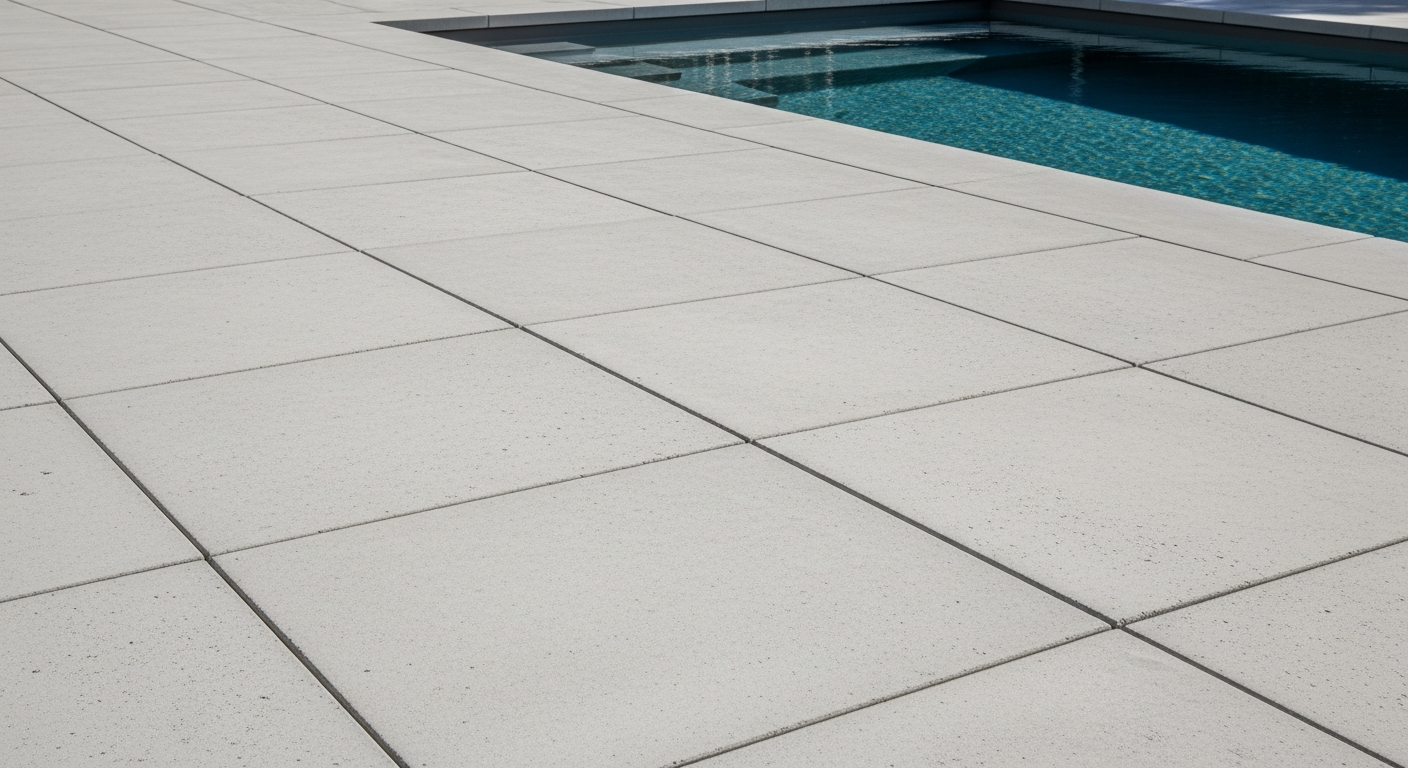
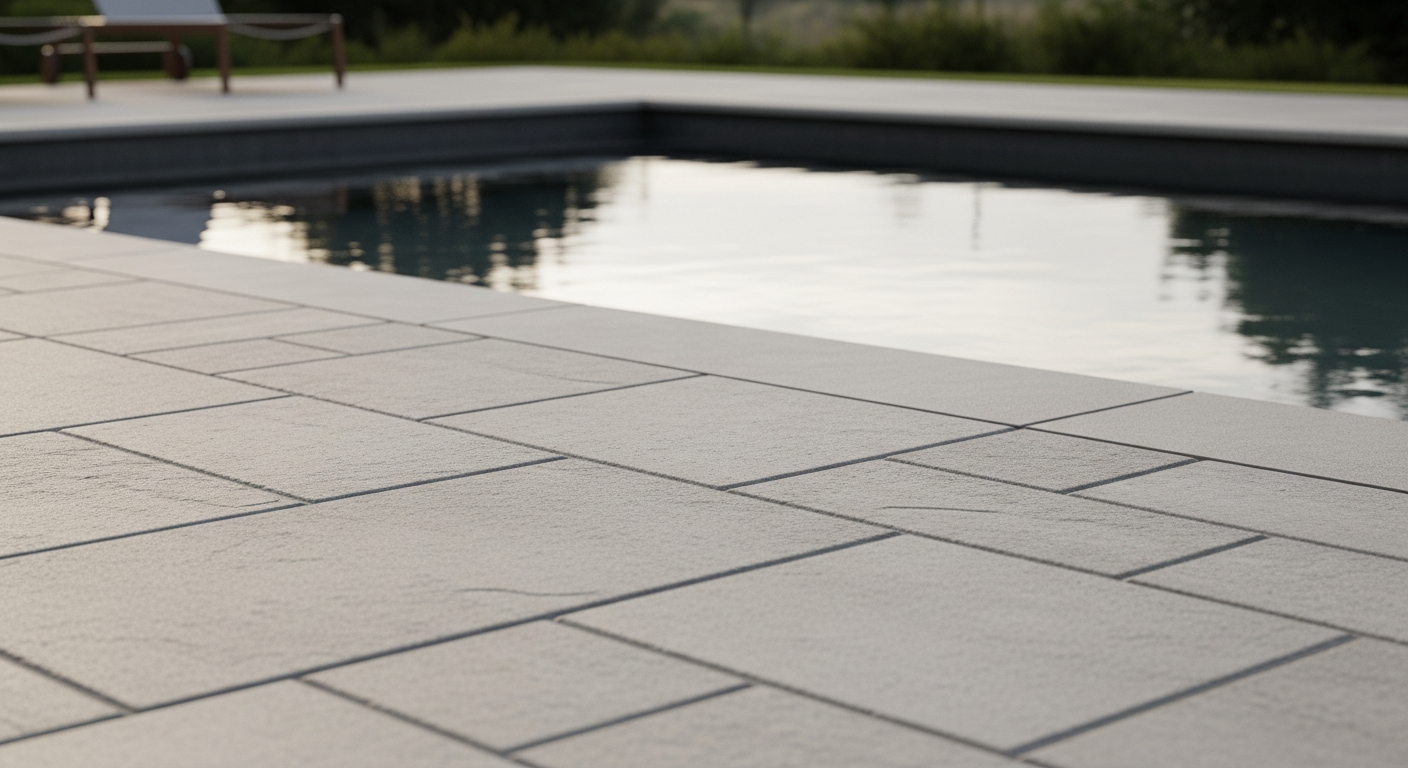
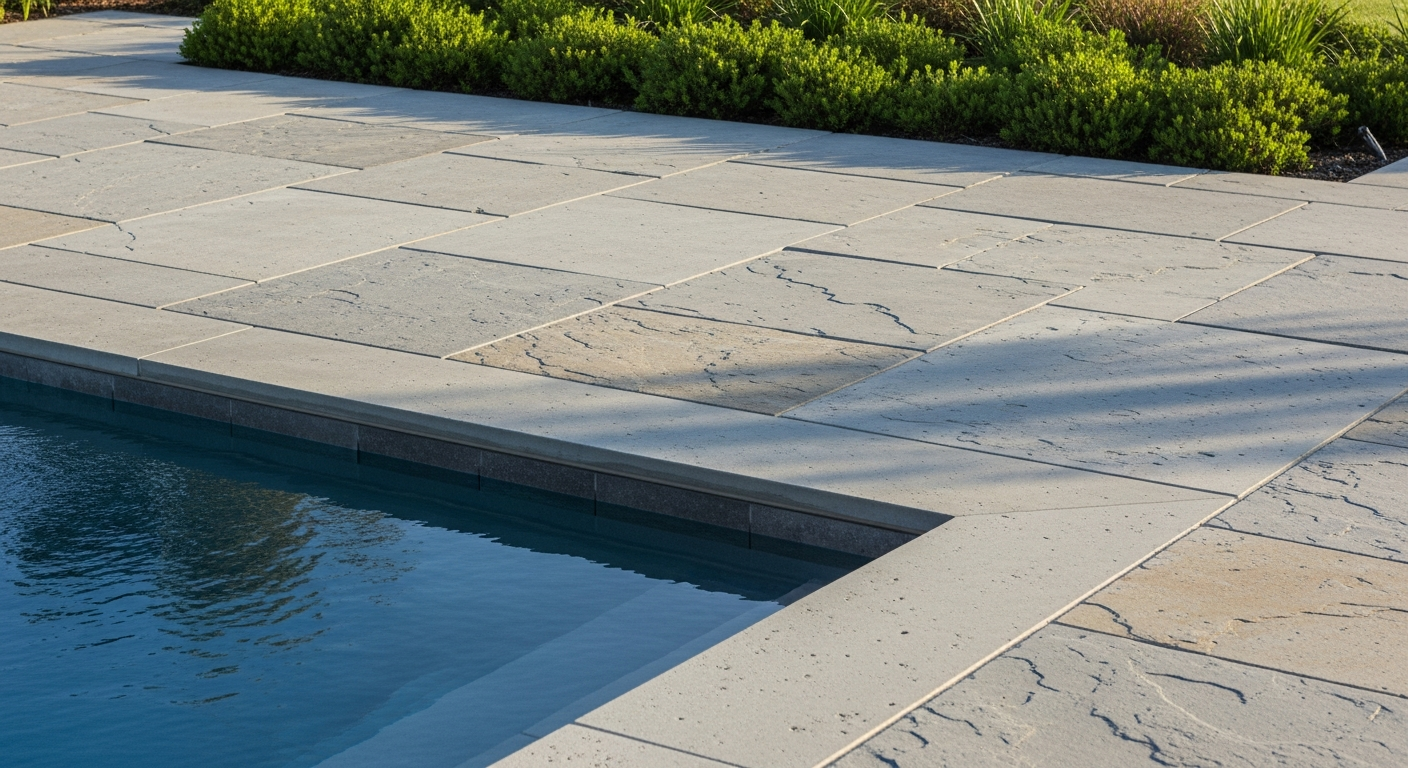
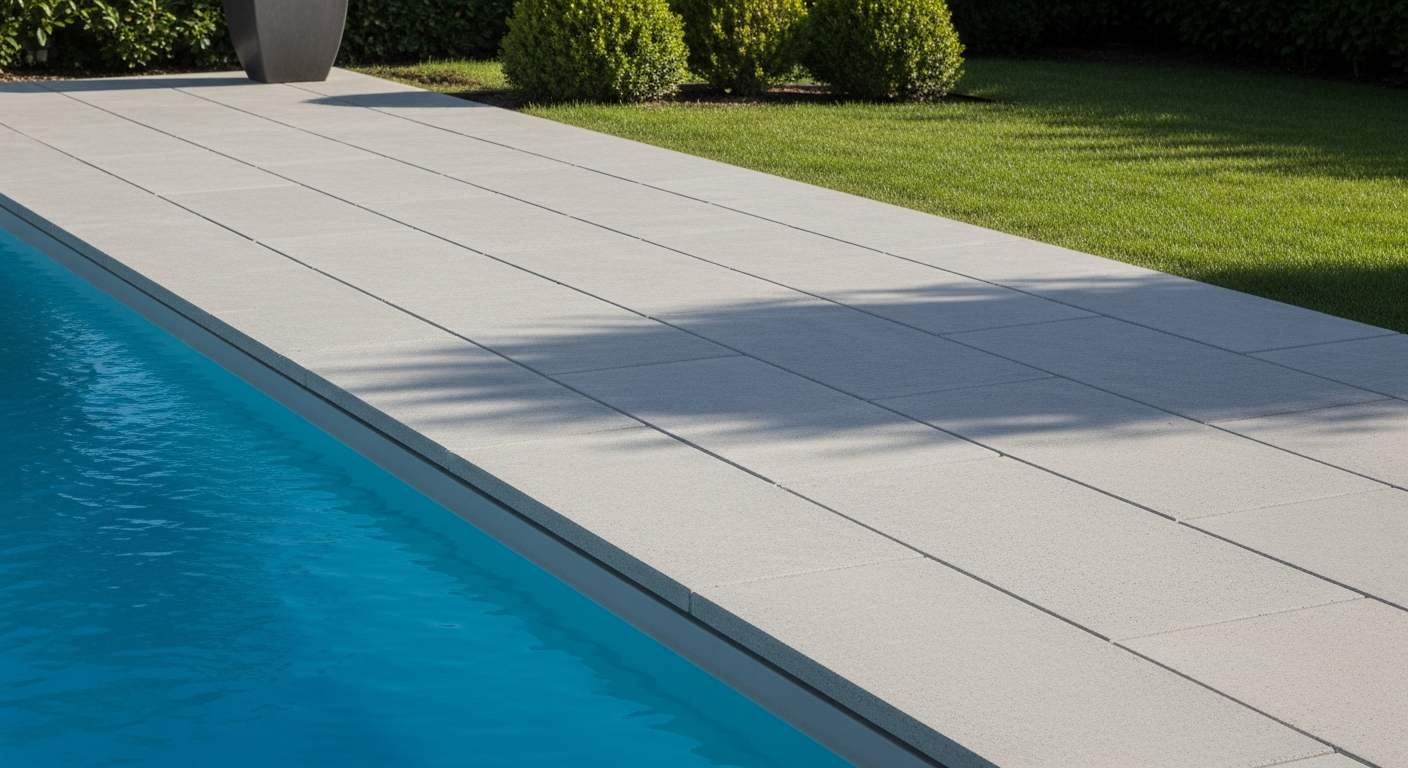
I’m consistently called to fix expensive, failed large format paver projects, and the root cause is almost always the same: a fundamental misunderstanding of soil mechanics and load distribution. Standard paver installation techniques simply do not apply when you're dealing with slabs of 24x24 inches or larger. The increased surface area creates unique pressure points and amplifies any minor flaw in the base, leading to catastrophic rocking, cracking, or lippage within the first 12-24 months.
My entire approach is built on preventing this predictable failure. Forget simply adding more gravel; the solution lies in a multi-layered, engineered system that treats the installation more like a foundation for a structure than a simple patio. My proprietary methodology, the Tri-Layer Compaction Matrix, ensures long-term stability by creating a monolithic, yet flexible, base that perfectly supports the oversized units.
The Core Miscalculation in Large Format Paver Installations
The most common error I see is treating the base and bedding layers as independent components. Installers will lay a standard 4-6 inch gravel base, compact it, and then add an inch of sand for screeding. With large pavers, this creates a fatal point of failure. The paver is so large that it can "bridge" minor imperfections in the gravel base, resting entirely on the uncompacted sand bed. Over time, that sand shifts, leading to the dreaded "rocking" paver. My Tri-Layer Compaction Matrix methodology addresses this by integrating the layers. It’s not just about depth; it’s about the interplay between aggregate size, compaction, and a separating layer that prevents migration.
Deconstructing the Tri-Layer Compaction Matrix
This isn't just about digging deeper. It’s a specific sequence of materials and actions. I developed this after analyzing dozens of failures where the installer *thought* they had built a sufficient base. The matrix consists of three distinct, synergistic layers.
The first layer is the Sub-Base Foundation. This requires a minimum 6-inch layer of ¾-inch clean crushed stone, not pea gravel. The angular nature of this aggregate allows for a superior interlocking bond. This layer must be compacted in 3-inch lifts with a plate compactor, aiming for 95% Standard Proctor Density.
The second layer is the Stabilization and Separation Barrier. This is where most projects go wrong. I lay down a high-grade non-woven geotextile fabric directly on the compacted sub-base. This prevents the smaller aggregate of the next layer from migrating down, which is a primary cause of long-term settling. It’s a simple step that adds a 20% increase to the installation's lifespan in my experience.
The third and final layer is the High-Performance Bedding Course. Forget coarse sand. I use a strict 1-inch layer of ¼-inch crushed stone chip (sometimes called #8 stone). Its small, angular particles offer better interlocking properties than sand and are far less prone to shifting under the load of an extra large paver. This layer is screeded perfectly level but is not compacted before the pavers are laid. The compaction happens *with* the paver.
Field Implementation: A Non-Negotiable Workflow
Executing this in the field requires precision. There is no room for "good enough." Every step builds on the last, and a shortcut in one area will telegraph through to the final surface. My team follows this exact protocol on every large format project.
- Excavation and Grading: We excavate to a depth of at least 8 inches, ensuring a 2% grade away from any structures for proper water runoff. This is non-negotiable.
- Sub-Base Installation: We lay the first 3-inch lift of ¾-inch crushed stone. We then run a plate compactor over the entire area in a cross-hatch pattern until the material is fully locked in. We repeat this for the second 3-inch lift.
- Geotextile Placement: The geotextile fabric is rolled out, overlapping seams by at least 12 inches. This is a critical detail to prevent soil intrusion.
- Bedding Course Screeding: We set up screed rails and carefully pull the 1-inch layer of ¼-inch stone chip to a perfectly flat plane. This requires more finesse than sand.
- Paver Placement and Setting: Each paver is placed using a vacuum lifter to prevent injuries and ensure precise placement. Once a section is laid, we use a plate compactor with a protective urethane mat to seat the pavers into the bedding course. This action simultaneously compacts the bedding layer and locks the pavers in place, a key differentiator of my method.
Tags
large pavers backyard
large travertine pavers
large concrete pavers near me
big concrete pavers
large pavers near me