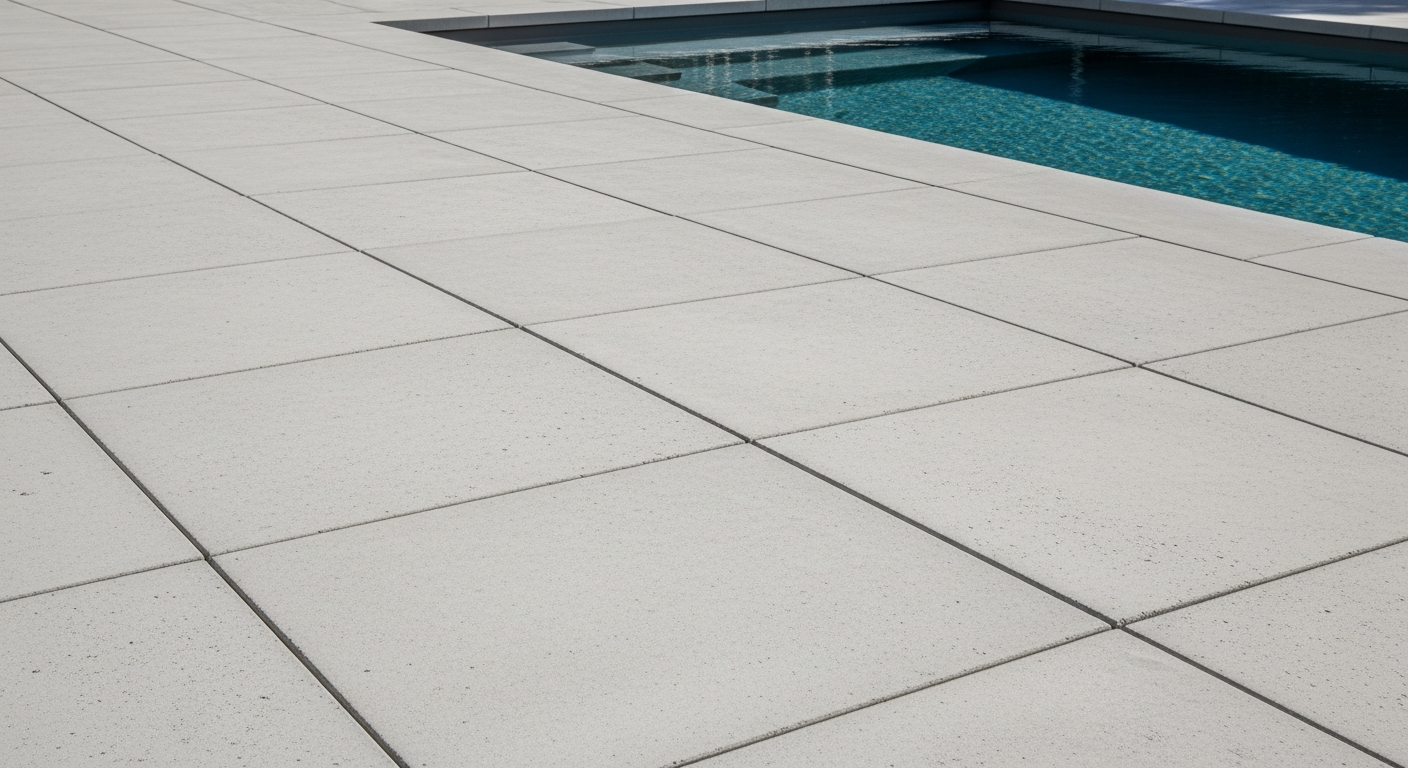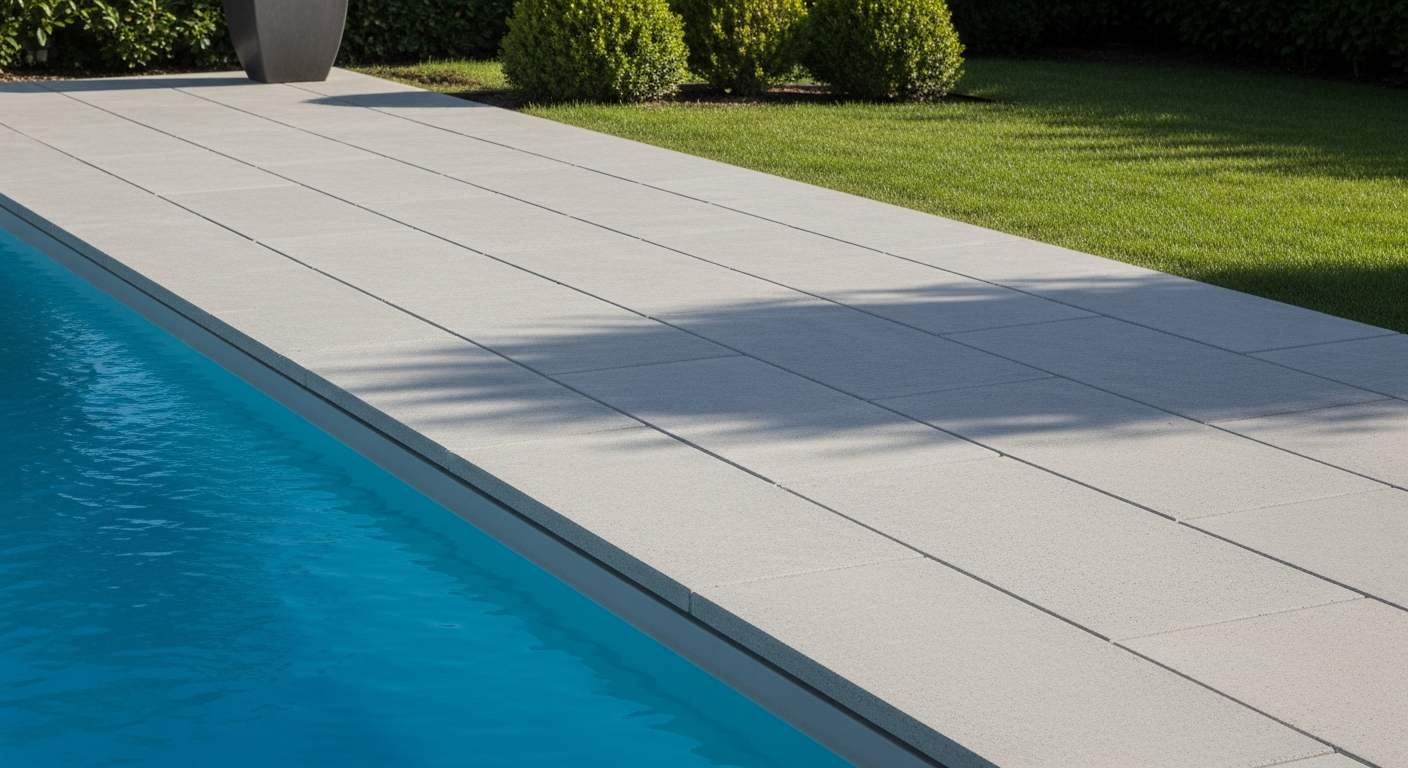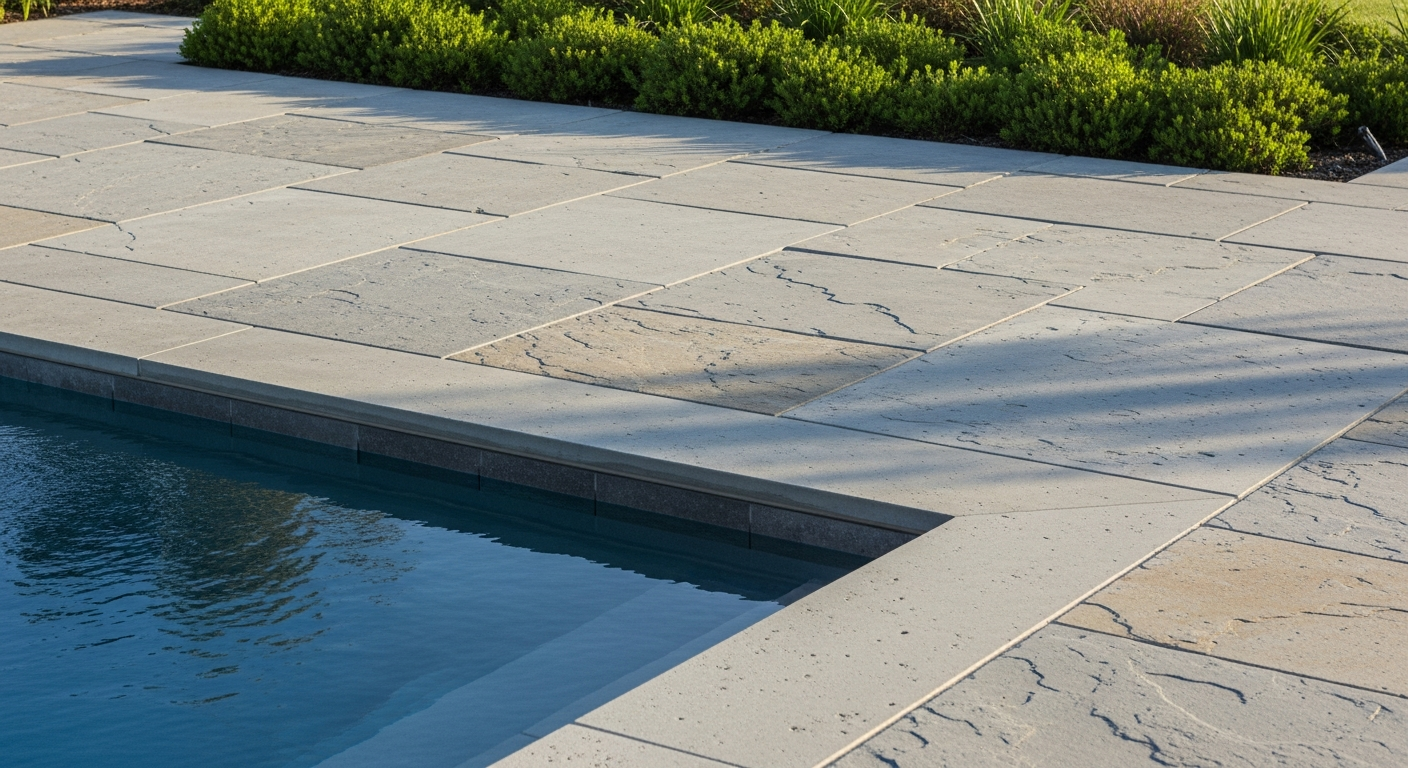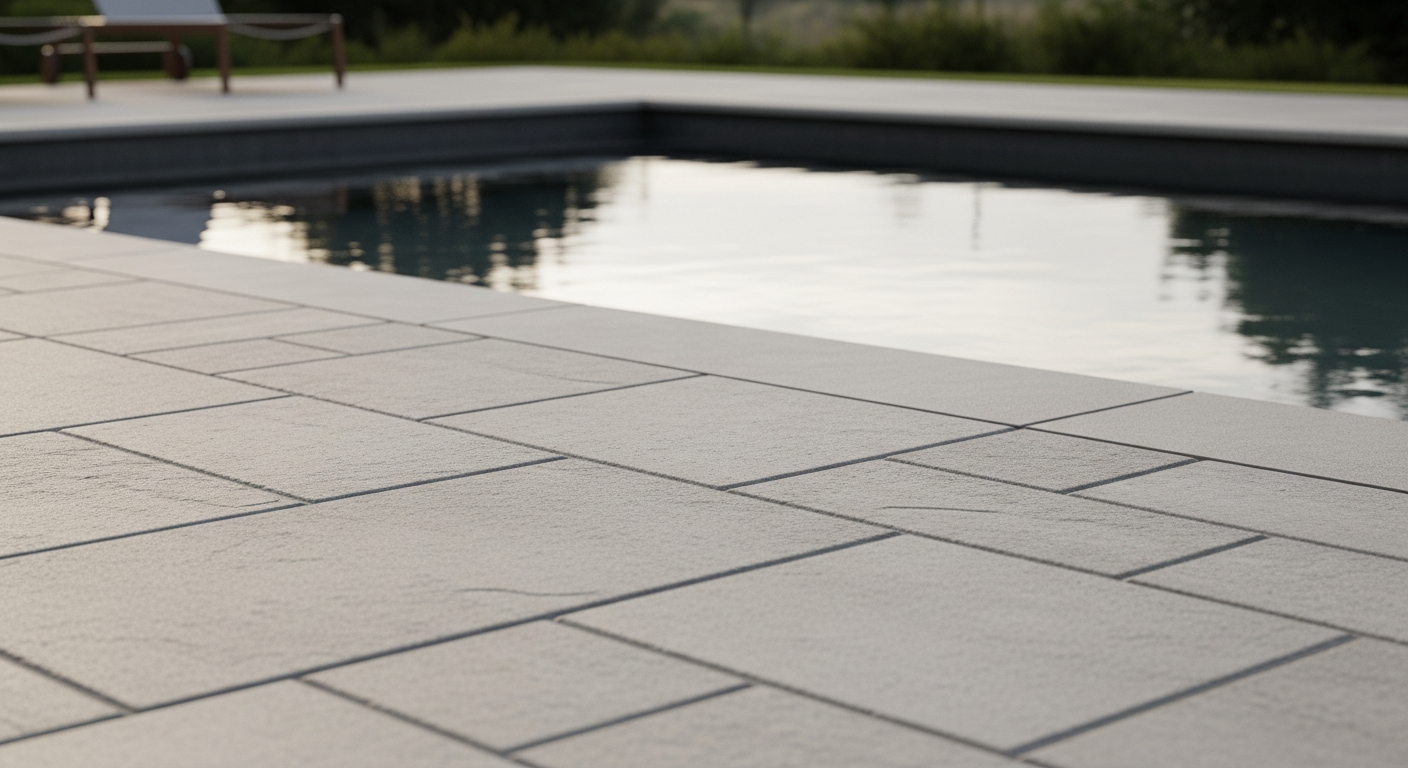
The single biggest failure point I see in patios built with large format pavers isn't the paver quality; it's the sub-base engineering. Most contractors treat a 24x24 inch paver the same as a 4x8 inch brick, leading to rocking, uneven surfaces (lippage), and catastrophic failure within 3-5 years. This is a costly and entirely avoidable mistake. The immense surface area of a large paver acts as a lever, magnifying any imperfection or instability in the base beneath it.
After repairing dozens of failed large paver patios, I developed my proprietary Monolithic Base System. This methodology focuses on creating a uniformly compacted, interconnected foundation that behaves as a single slab, rather than a collection of loose materials. This approach virtually eliminates differential settlement—the primary cause of lippage—and has consistently resulted in patios that remain perfectly level for well over a decade, effectively increasing their functional lifespan by at least 50% compared to standard installations.
My Diagnostic Framework for Large Format Paver StabilityBefore a single paver is laid, my process begins with a diagnostic phase. Traditional methods often just prescribe a generic "4-6 inches of gravel," which is a recipe for disaster with large format units. My framework analyzes three critical variables: soil type, water management, and load-bearing requirements. I identified early in my career that a one-size-fits-all base is the root cause of 90% of premature patio failures. For large pavers, the base is not just support; it is an integrated engineering system.
The core of my methodology is understanding that a large paver has minimal joint support compared to smaller bricks. With fewer joints, the load is not distributed as effectively through an interlocking sand mechanism. Therefore, the base itself must provide near-perfect rigidity. I treat the installation more like a foundation for a structure than a simple decorative surface. This means achieving a verified 98% Standard Proctor Density on the compacted aggregate base is a non-negotiable KPI for any project I undertake.
The Technical Deep Dive: Sub-Base Engineering for Zero MovementAchieving a monolithic base requires precise material selection and application. It’s not just about depth; it's about the interaction between layers. My system is built on a specific sequence of materials designed for maximum stability and water permeability.
- Geotextile Separator Fabric: This is the most commonly skipped, yet most critical, first step. I always use a non-woven geotextile fabric directly on top of the compacted subgrade (native soil). This prevents the aggregate base from mixing with the soil over time, a process called "subgrade intrusion" that guarantees settlement.
- Base Aggregate Layer: I exclusively use ASTM #57 stone, which is a 3/4-inch clean, angular crushed stone. Unlike "road base" or "crusher run," it contains no fines (stone dust). This ensures rapid water drainage and prevents frost heave, while the angular shape provides superior mechanical interlock when compacted. The base must be a minimum of 6 inches thick for pedestrian patios and 8-10 inches for areas with heavier loads.
- Bedding Layer: The setting bed must be exactly 1 inch of washed concrete sand (ASTM C33). Using more than 1 inch is a classic error I've seen on countless repair jobs; a thick sand bed will shift and wash out over time. Using paver dust or stone screenings is also a mistake, as they hold too much moisture. The sand is screeded to a perfect plane, as this layer is for fine-tuning height, not for providing structural support.
Executing this system demands methodical precision. Rushing any of these steps compromises the entire structure. This is the exact field-tested process my team follows to guarantee a flawless, long-lasting installation.
- Excavate and Grade: We excavate to the required depth (e.g., 9 inches for a 6-inch base, 1-inch sand bed, and 2-inch paver). Critically, we grade the subgrade with a 1/4-inch per foot slope away from any structures for positive drainage.
- Compact the Subgrade: Before any material is added, we compact the native soil with a plate compactor. A soft subgrade is a hidden failure point.
- Install Geotextile Fabric: We lay the non-woven geotextile fabric across the entire excavated area, overlapping seams by at least 12 inches.
- Build the Aggregate Base in Lifts: We add the ASTM #57 stone in 2 to 3-inch lifts. Each lift is compacted with a plate compactor until full density is reached. This is far more effective than trying to compact a single 6-inch layer.
- Screed the Bedding Sand: After the base is perfectly flat and compacted, we install screed rails and pull a uniform 1-inch bed of ASTM C33 sand across the area. We never walk on the screeded sand.
- Lay the Pavers: We place the large pavers directly onto the sand bed, working from a corner outwards. We use paver spacers to maintain a consistent 1/8-inch to 3/16-inch gap. This gap is essential for the jointing sand to work effectively.
The final steps lock the entire system together. Simply sweeping sand into the joints is not enough. For large format pavers, I mandate the use of high-quality polymeric sand. After laying all the pavers, we run a plate compactor fitted with a urethane protective mat over the entire surface. This crucial step settles the pavers into the sand bed, sets the final height, and removes any minor lippage, creating a smooth, monolithic surface. Only then do we carefully sweep the polymeric sand into the joints, blow off the excess, and activate it with a very fine mist of water according to the manufacturer's exact specifications. Rushing the misting process is a common error that can ruin the entire patio surface by leaving a polymer haze.
Now that you understand the mechanics of a truly stable base, does your plan account for compacting the aggregate in separate lifts, or were you planning to compact the full depth in a single pass?