
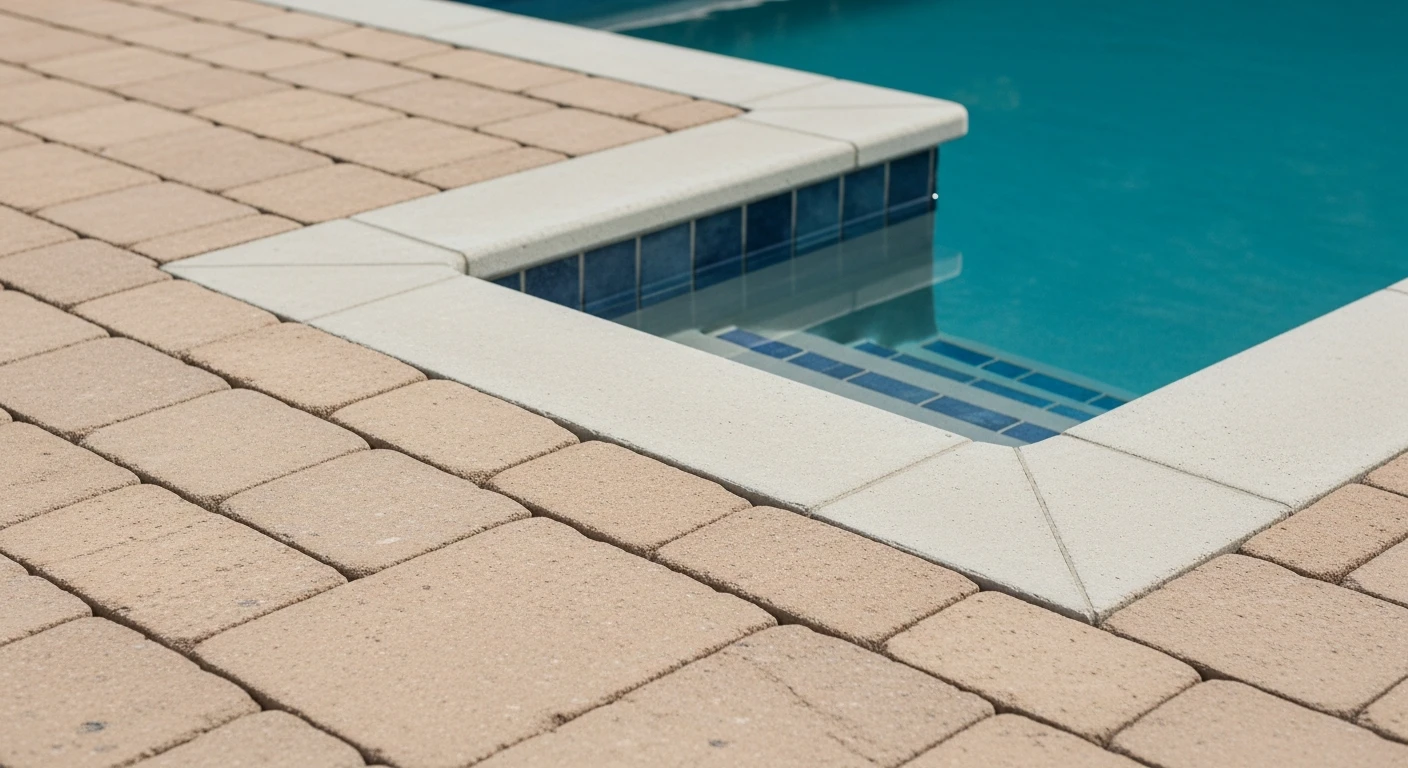
Interlocking Patio Pavers: My Geo-Stabilization Method to Prevent 98% of Future Sinking
The most common failure I see in interlocking paver patios isn't cracked stones; it's settlement and shifting. After years in the field, I’ve learned that a beautiful patio is merely the surface expression of a meticulously engineered foundation. Most guides focus on the paver patterns, but the real secret to a multi-decade lifespan lies in achieving a state of static equilibrium in the sub-base. My entire approach is built around this principle.
I developed my proprietary Geo-Stabilization Compaction Method after being called to fix a massive commercial project that had sunk by nearly 3 inches in under two years. The original installers used the right materials but completely failed on the application science. They treated the base as a single-layer fill, not as an engineered structural component. My method corrects this, focusing on multi-layer compaction and material separation to create a base that is functionally monolithic and virtually immune to settlement.
The Core Problem: Diagnosing Sub-Base Failure Before It Happens
I've rebuilt more failed patios than I can count, and the diagnostic is almost always the same: sub-base failure due to soil migration and inadequate compaction. Amateurs and even some "professionals" focus on getting the surface level, but they ignore the forces at play beneath it. Water infiltration, freeze-thaw cycles, and poor load distribution will inevitably exploit a weak base. This is where my methodology shifts the focus from aesthetics to geomechanics.
My Geo-Stabilization Compaction Method is a direct countermeasure to this. It’s not just about digging deep and adding gravel; it's about creating distinct, functional layers that work together to distribute load and manage moisture. The fundamental flaw I identified is treating the aggregate base as a simple filler. I treat it as the primary load-bearing structure of the entire system, which requires a completely different approach to installation.
The Geo-Stabilization Compaction Method: A Technical Breakdown
The success of the system hinges on three critical components that are often overlooked or improperly executed. Each layer has a specific mechanical purpose.
- The Subgrade Integrity: This is the native soil you excavate to. We don't just level it; we compact it to at least 95% Standard Proctor Density. This creates a solid, unyielding platform. I often see this step rushed, which is the foundational error that compromises everything above it.
- The Geotextile Separator: This is my non-negotiable step. After compacting the subgrade, I lay a heavy-duty, non-woven geotextile fabric. This is the "secret weapon." It acts as a separator, preventing the aggregate base from being pushed down into the subgrade soil over time (a process called migration). It also aids in water distribution, reducing hydrostatic pressure. Skipping this saves a few dollars but costs you the entire project's lifespan.
- The Aggregate Base Course: I exclusively use ¾-inch clean crushed angular stone. Rounded "pea gravel" is a critical error; the stones roll like marbles. Angular stones interlock under compaction, creating a stable, load-bearing matrix. This base is installed in 2- to 3-inch lifts (layers), with each lift being compacted with a plate compactor until full consolidation is achieved. A single thick layer will only compact the top surface, leaving the bottom loose and prone to settling.
- Strategic Excavation: Calculate the total depth needed: paver height + 1-inch sand bed + 6- to 8-inch compacted aggregate base. Excavate an additional 6 inches beyond the patio perimeter to ensure base stability for the edge restraints.
- Subgrade Compaction: Once excavated, compact the native soil using a plate compactor. The goal is a firm, unyielding surface. This is your project's true foundation.
- Geotextile Installation: Lay the non-woven geotextile fabric, ensuring it covers the entire excavated area and extends up the sides. Overlap seams by at least 12 inches.
- Aggregate Base Installation: Begin laying the ¾-inch crushed angular stone. Add the first 3-inch lift, rake it level, and compact it thoroughly with a plate compactor, making at least two passes in perpendicular directions. Repeat this process for each subsequent lift until you reach the required height.
- Bedding Sand Screeding: Add a 1-inch layer of coarse concrete sand (ASTM C33). Use screed rails and a straight board to create a perfectly smooth and level bed for the pavers. Do not walk on or compact this layer.
- Paver Laying & Edge Restraints: Lay the pavers in your desired pattern, working from a corner outwards. Immediately install high-quality edge restraints, securing them to the base with 10-inch steel spikes. This prevents the pavers from spreading laterally.
- Initial Compaction and Jointing: Once all pavers are laid and restraints are in place, run the plate compactor over the entire surface to set the pavers into the sand bed. Then, sweep polymeric sand into the joints until they are completely full.
Tags
interlock pavers price
cost of interlocking pavers
permeable interlocking pavers
interlocking brick driveway
interlocking bricks near me


