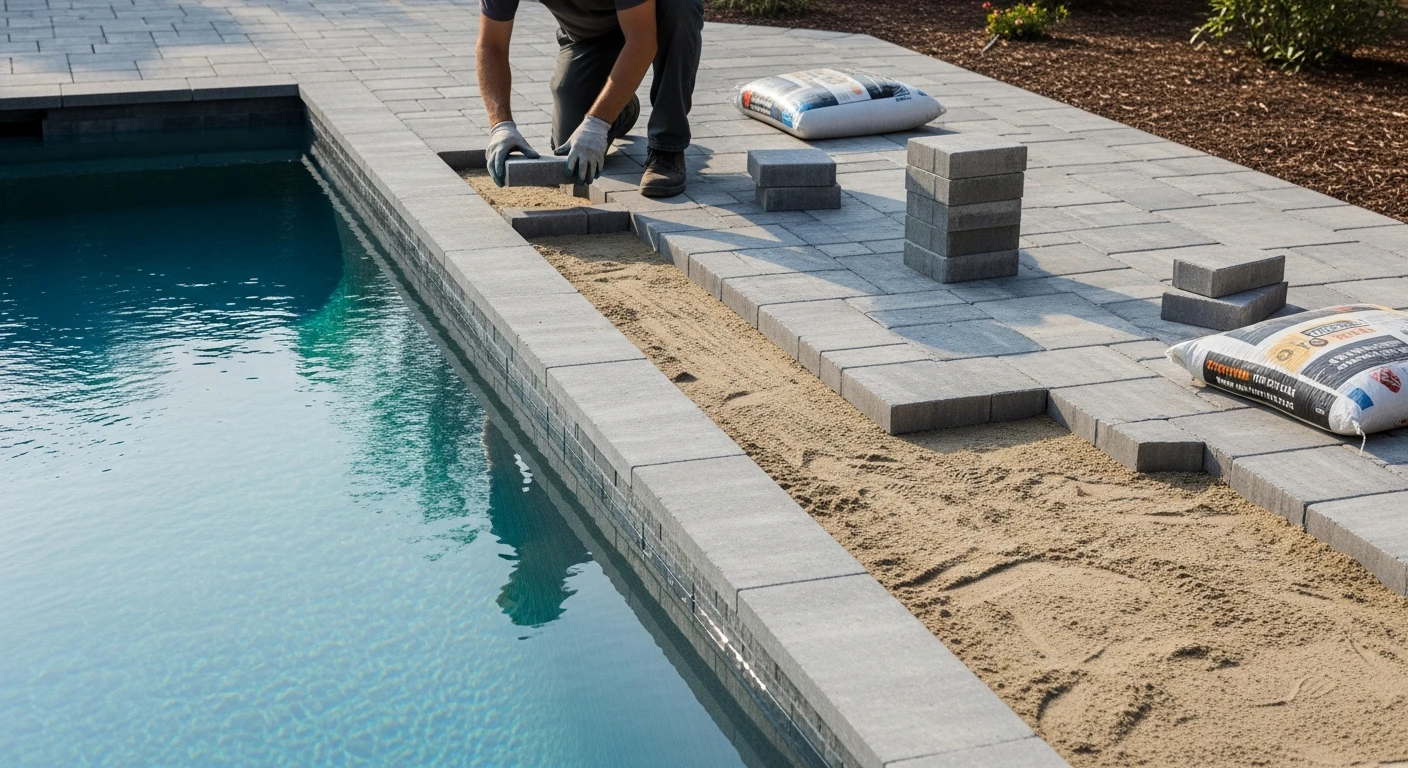
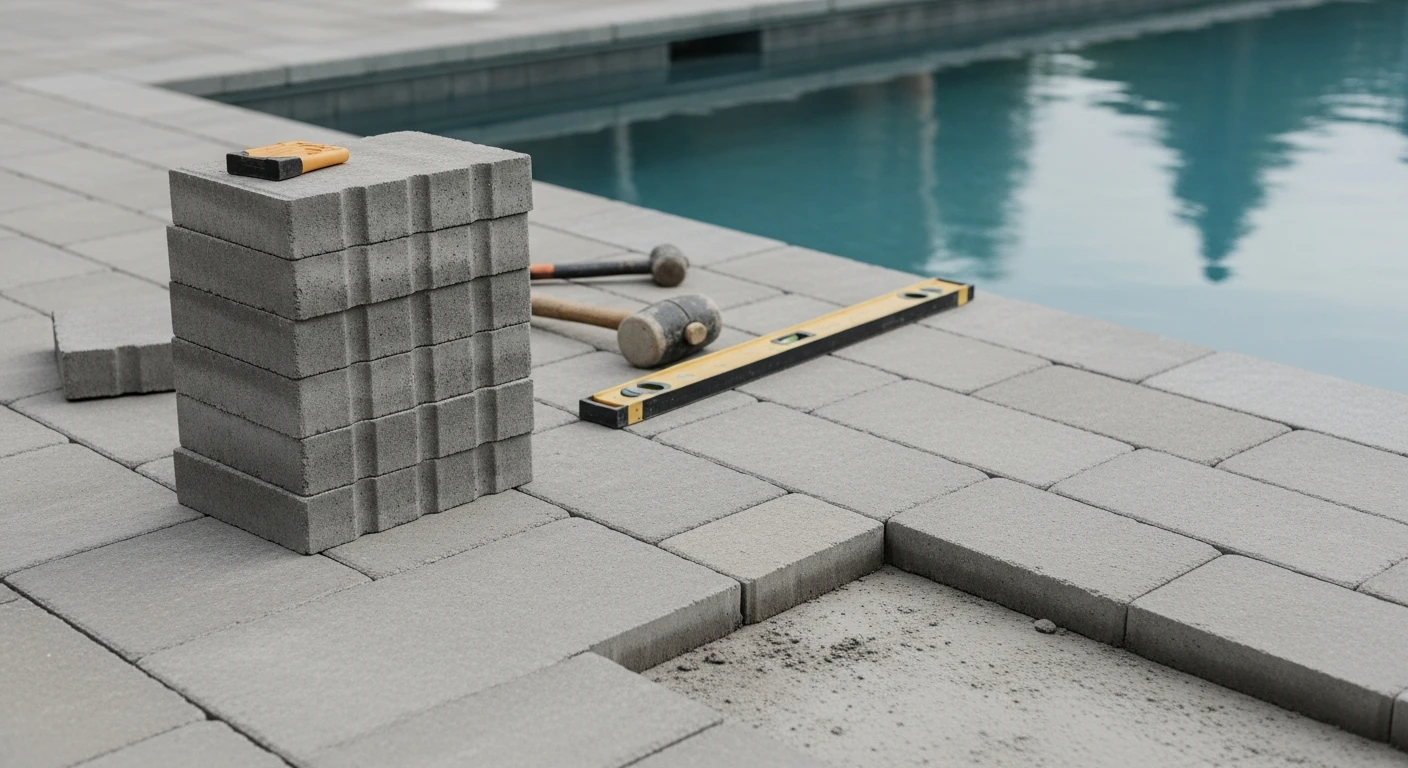
When searching for local patio paver installers, most homeowners focus on the price per square foot and the paver's appearance. From my experience managing over 200 hardscape projects, this is the single most costly mistake. The real value, and the difference between a patio that lasts five years and one that lasts thirty, is buried 8 inches below the surface in a system most contractors don't even discuss.
The core issue is subgrade subsidence, where the native soil mixes with the aggregate base, causing sinking and uneven pavers. My entire methodology is built around preventing this. It’s not about the brand of paver; it's about creating a completely isolated, interlocking foundation that guarantees structural integrity against freeze-thaw cycles and soil movement. This is what you should be vetting installers on, not their paver catalog.
The Tri-Layer Foundation Diagnosis: My Proprietary Vetting MethodI developed the Tri-Layer Foundation method after being called in to fix a massive commercial project where the pavers were "heaving" less than a year after installation. The original installers cut corners on the base, costing the client a 45% premium in remediation fees. My diagnostic process now forces a conversation about the three critical layers that determine 100% of a patio's long-term stability.
This isn't just about digging a hole and filling it with gravel. It’s a geotechnical approach to a landscaping problem. I assess the native soil composition, drainage patterns, and anticipated load to prescribe a specific depth and compaction strategy. Any installer who can't articulate their process for these three layers is an immediate red flag for me.
Technical Deep Dive: Base, Fabric, and SandThe Tri-Layer system is an engineered sequence. First is the subgrade preparation. We excavate to a minimum depth of 8 inches for pedestrian patios and 12 inches for driveways. The critical, often-skipped step is compacting the native soil itself with a plate compactor to achieve 95% Standard Proctor Density. We also establish a precise 1/4 inch per foot slope for drainage at this stage.
Next, the game-changer: a non-woven geotextile separation fabric. This is the "pulo do gato." This fabric acts as a barrier, preventing the crushed stone aggregate from being pushed down into the soil over time. It’s a low-cost material that adds decades to the installation's life. The third layer is the aggregate base (typically ¾” clean crushed stone), which we install in 2-3 inch lifts. Each lift is individually compacted until it's unyielding. Finally, a 1-inch layer of concrete sand is screeded for the pavers to sit on. This sand layer is for leveling, not structural support; the compacted aggregate does all the work.
Implementation: The Non-Negotiable Installation ChecklistWhen I onboard a new team or vet a subcontractor, they must adhere to this exact sequence. It's how I guarantee a uniform, stable result every single time. Use this list to question potential installers on their process:
- Excavation & Grading: Confirm they will excavate to the correct depth for your region's frost line and intended use. Ask them to demonstrate how they will set the drainage slope away from your home's foundation.
- Subgrade Compaction: They must own and use a heavy-duty plate compactor on the native soil *before* any materials are added. If they say "the gravel weight will do it," walk away.
- Geotextile Fabric Installation: Ensure the use of a commercial-grade separation fabric is explicitly listed in your quote. It should overlap at the seams by at least 12 inches.
- Base Material & Compaction Lifts: The quote must specify the type (e.g., ASTM C33 aggregate) and total compacted depth of the base. Crucially, ask how many "lifts" they will compact. A single 6-inch dump of gravel that's only compacted on top is a recipe for failure.
The final 5% of the work is what defines a master craftsman. For the sand setting bed, we use 1-inch metal conduits as screed rails to achieve a perfectly uniform depth. This prevents paver rocking. For edge restraint, we never "wet set" the border pavers in concrete. Instead, we install a dedicated heavy-duty plastic edge restraint secured with 10-inch steel spikes before backfilling. This provides flexibility while preventing lateral paver spread.
Finally, the jointing sand. We only use high-quality polymeric sand. The most common error I see is improper activation. Crews either don't compact it deep enough into the joints with a plate compactor (using a protective mat) or they use too much water during the final misting, washing the polymer away. The sand should be firm to the touch, not a soupy mess, ensuring it locks the pavers into a single, flexible slab.
Before you ask an installer for a quote, what’s your first question going to be about their sub-base preparation and compaction SOP?